







Honey creaming machine
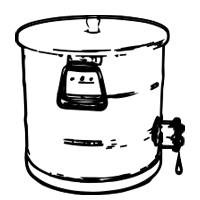
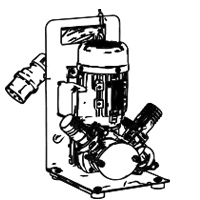
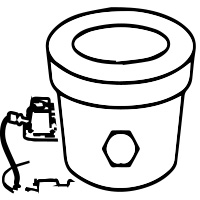
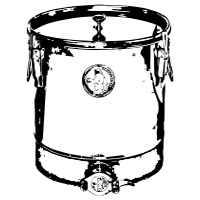
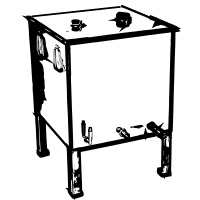
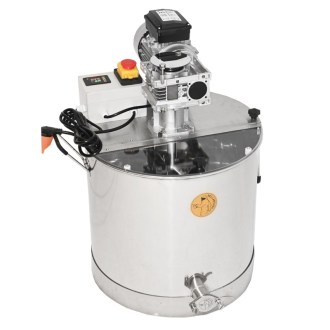
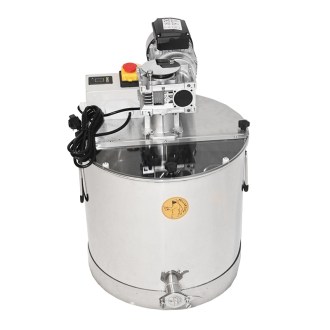
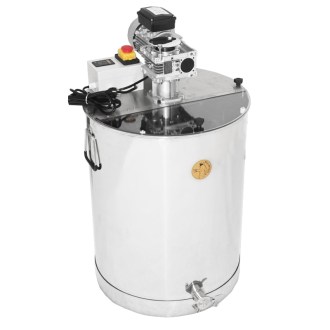
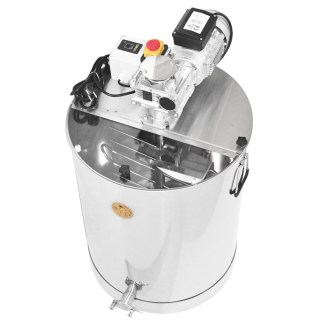
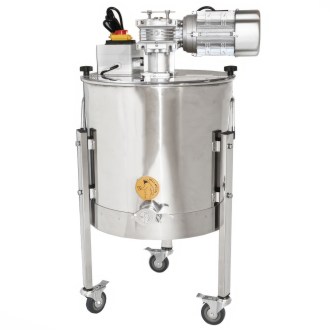
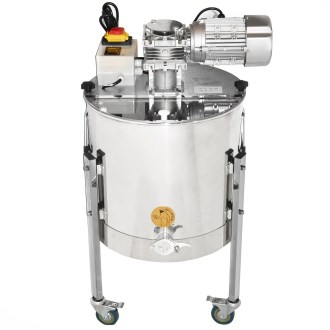
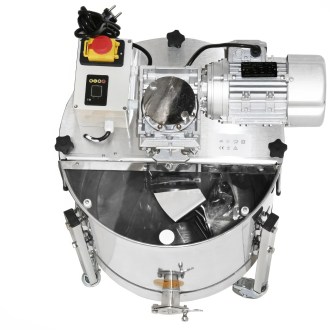
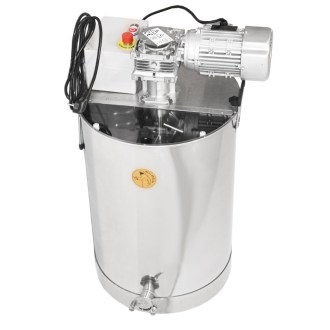
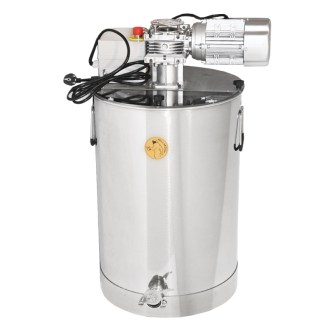
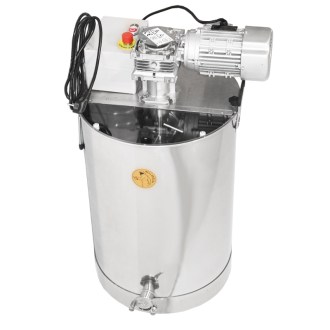
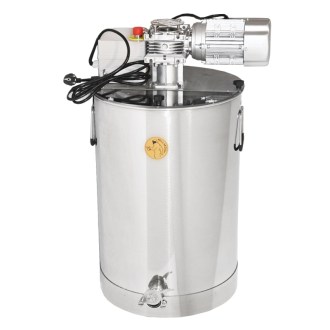
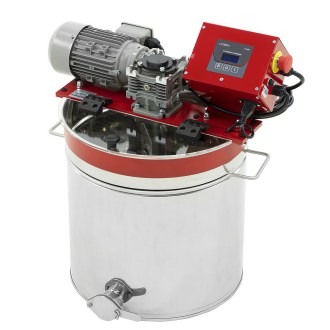
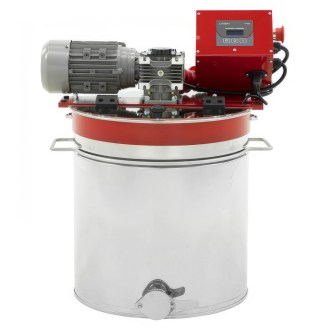
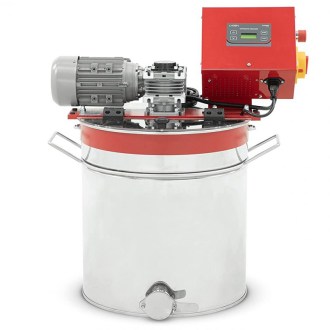
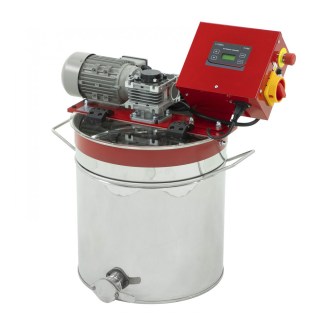
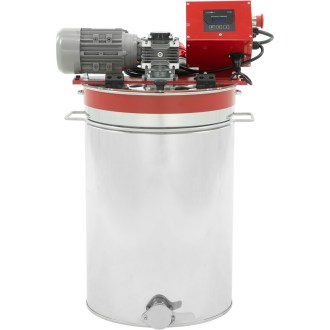
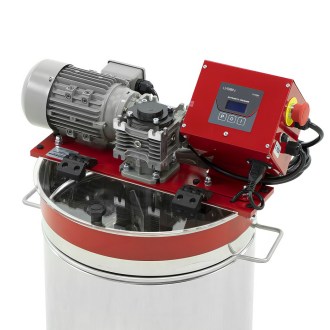
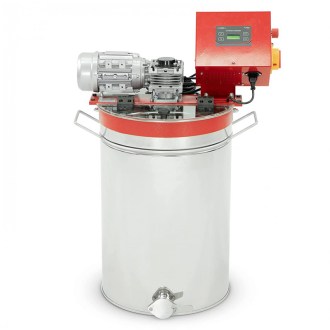
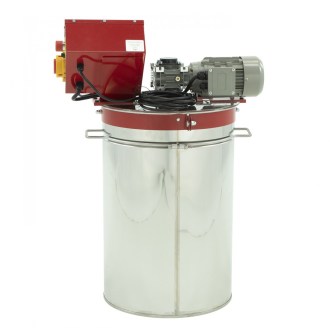
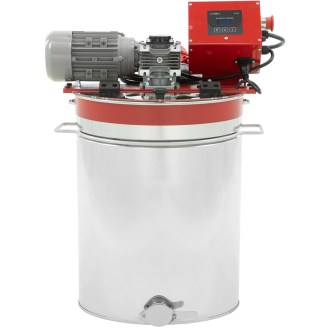
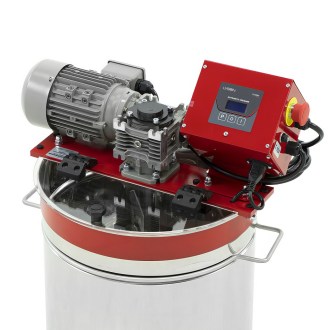
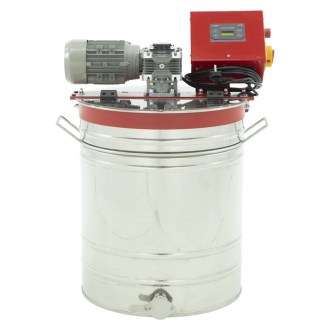
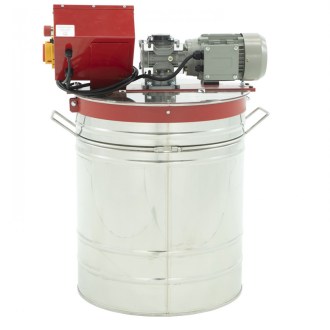
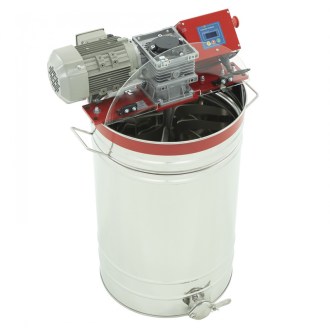
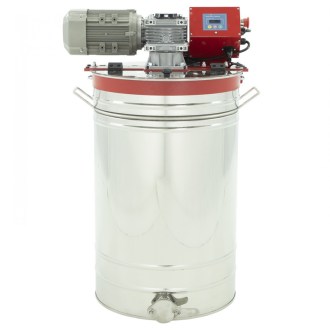
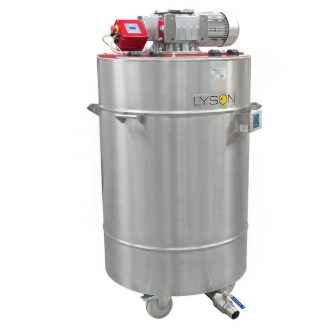
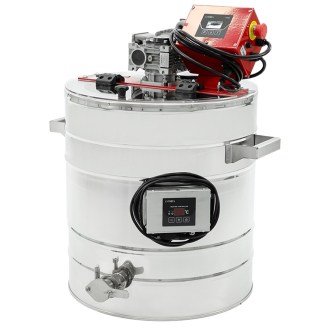
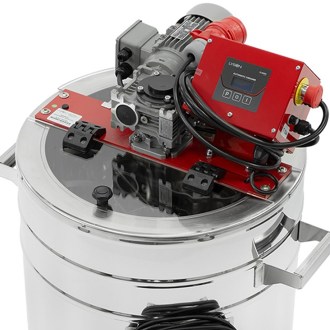
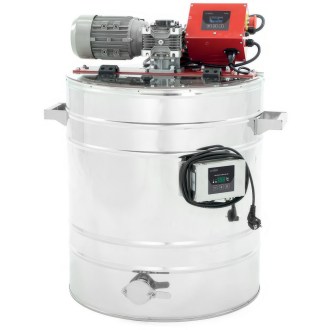
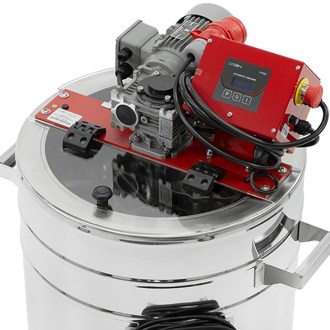
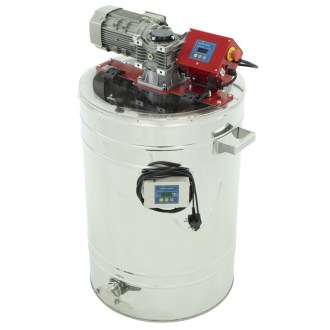
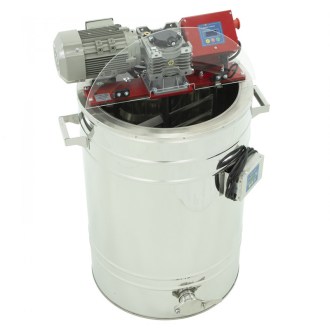
We offer honey creaming machines from several reputable manufacturers in a variety of designs. You can operate the creaming process either in manual or automatic mode. A programmable timer is available for personalized settings. For example, we recommend the automatic honey creaming machine with 230V supply. Manufactured from food-grade 304 stainless steel, the machine is controlled by a fully automatic control unit with multiple programs. The program alternates 15 minutes of mixing with a 45-minute pause, and you can adjust the mixing speed intensity. With the built-in agitator, honey is efficiently mixed from the bottom up, enabling homogenization even with a smaller batch, but at least 1/3 of the tank. This equipment is suitable for creaming honey, producing creamed honey, homogenizing, and also making flavored honeys or bee feed mixtures. We also offer machines with integrated heating, allowing you to heat the jacket of the creaming machine for easier jar filling or for liquefying honey as needed.
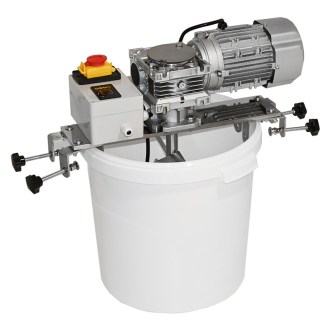
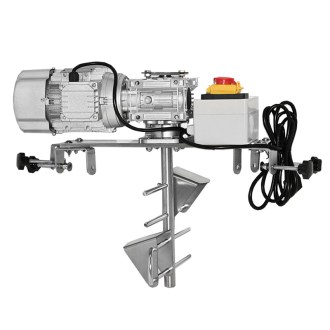
 Sold out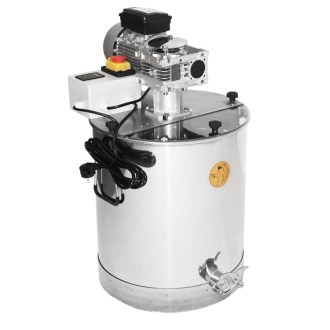
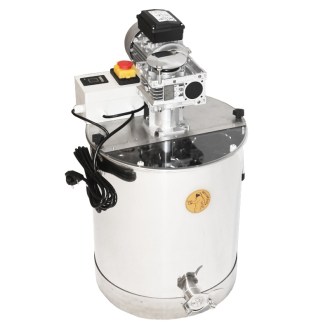
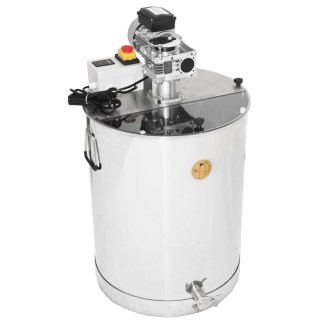
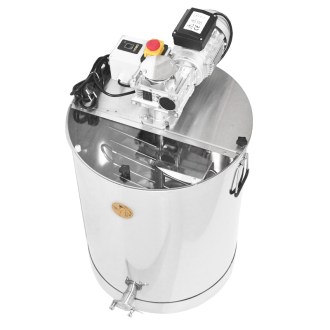
 On order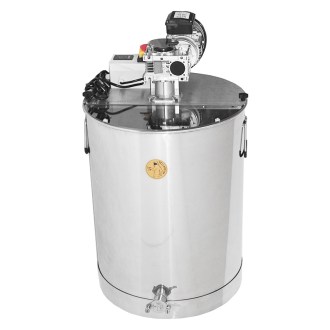
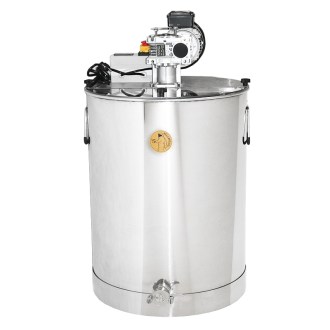
 In stock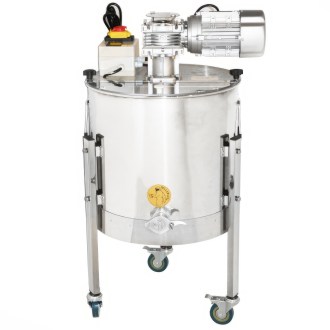


Honey Creaming: The Secret to Smooth Consistency and Flavorful Varieties
Honey, this natural sweet treasure, naturally crystallizes—a unique process that can often be inconvenient for consumers. So how can you achieve a smooth, easily spreadable consistency without losing honey’s valuable nutritional properties? The key is the process known as honey creaming.
Why Cream Honey?
Honey creaming, a technique well known among beekeepers for many years, offers numerous benefits for both consumers and beekeepers. Creamed honey appeals to a distinct segment of customers who prefer its soft texture and easy use. Creaming honey increases the marketability of honey products and provides an opportunity to expand your product range. Furthermore, creamed honey can be enriched with additives like freeze-dried fruit, making it even more attractive and exclusive.
The Honey Creaming Process
Creaming is not just about transforming crystalline honey into a smooth paste. It’s a deliberate process that involves mechanical mixing at low speeds to gently break down honey crystals. This method helps preserve the honey’s nutritional and enzymatic properties while ensuring a silky texture.
The process typically begins at an optimal temperature for crystallization, around 16–18 °C (60–64 °F). Honey is either left to settle and mixed occasionally or first liquefied by gentle heating to approximately 40 °C (104 °F), a step often skipped for naturally fast-crystallizing honeys.
Types of Honey Creaming Machines
There are two main categories of honey creaming machines available—those with a heating jacket and those without:
-
Machines without a heating jacket: These offer the basic creaming function. Equipped with a mechanical agitator, they aerate and mix honey over several days until the desired texture is achieved. Such machines are ideal for smaller operations or hobbyist beekeepers.
-
Machines with a heating jacket: These models add an extra layer of functionality. They allow for the rapid warming of crystallized honey, making mixing easier. They are especially valuable for commercial beekeepers who need to process large volumes efficiently.
Beekeepers can choose from different tank sizes, from compact 33-liter models to large professional variants capable of holding up to 600 liters of honey.
Choosing the Right Honey and Creaming Method
Not every type of honey is equally suited to the same creaming conditions. Popular varieties include canola (rapeseed) and blossom honey. For example, canola honey readily achieves a soft, silky structure during the process, making it ideal for beginners.
Economic Benefits and Future Prospects
An investment in a honey creaming machine can pay for itself within the first season. Thanks to the increased sales of creamed honey at premium prices, beekeepers can earn higher profits and build a loyal customer base. Major attractions also include innovative products such as honey creams with added ingredients, which are becoming increasingly popular.
Creamed honey offers consumers easy usability and beekeepers better opportunities for selling their products. The combination of the right technology, careful honey selection, and skillful process management is a pathway to market success. So if you want to stay on top of current trends and offer innovative products, creaming honey is the key to your journey.
How Does a Honey Creaming Machine Work?
A honey creaming machine is a specialized device that combines a sophisticated mechanical agitator with a control unit enabling precise oversight of the creaming process. The equipment is designed to give honey a smooth texture without sacrificing its nutritional value. Here are its key components:
-
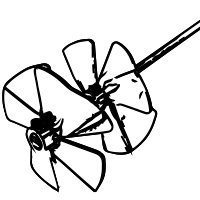
Mechanical Agitator: The heart of the machine is its mechanical agitator, which gently polishes the honey crystals through low-speed mixing. This process creates a velvety, creamy consistency while preserving natural enzymes in the honey.
-
Heating Jacket (in some models): This feature is crucial in machines designed to regulate honey temperature. The heating jacket allows for gentle warming of crystallized honey so individual crystals break down and the machine can mix the contents more effectively.
-
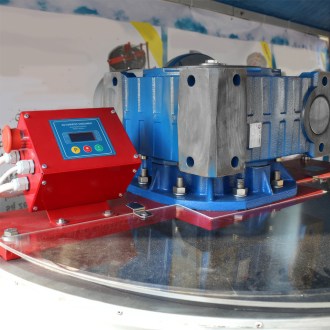
Control Unit: Advanced creaming machines are equipped with a control unit, allowing users to set exact process parameters. This enables easy programming, temperature control (in heating jacket models), and monitoring of the entire creaming workflow.
-
Materials: Most machines are made from stainless steel, ensuring hygiene and easy maintenance. Their robust construction guarantees longevity, even in intensive commercial use.
Types of Honey Creaming Machines
The market offers various types of honey creaming machines differing in capacity, performance, and advanced features. The choice depends on the beekeeper’s specific needs.
-
Machines without a heating jacket: These models are ideal for new beekeepers or small-scale production. They offer basic functions for mixing and reducing honey crystals with the advantages of a lower price and easier operation.
-
Machines with a heating jacket: Designed for larger flows or professional beekeeping, these allow for precise temperature management—key for liquefying hard honey before mixing. They provide broader settings and are suitable for creaming a variety of honey types.
How to Choose the Right Machine?
When choosing your honey creaming machine, it’s important to consider the following factors:
-
Capacity: This depends greatly on the volume of honey you expect to process. Machines range from compact 50-liter models to large professional units with up to 600 liters capacity.
-
Power Supply: Consider whether your infrastructure supports 230V or 400V, as larger models often require higher voltage.
-
Specific Requirements: If you operate in environments with fluctuating humidity or temperature, a model with a heating jacket gives more operational flexibility.
An investment in a honey creaming machine opens the door to a world where production quality and efficiency come first. Whether you’re a small-scale producer or manage a large bee farm, creamed honey production gives you access to new markets and takes your beekeeping to the next level.