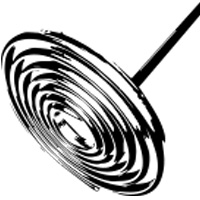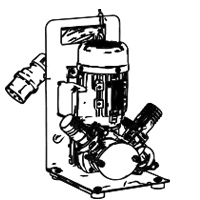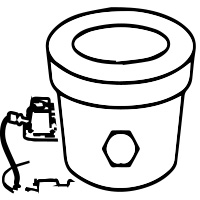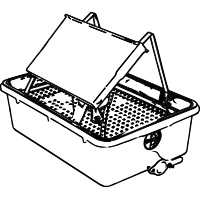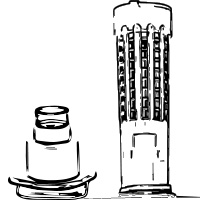



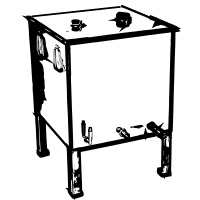






Hand honey and wax press machine
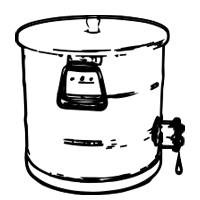
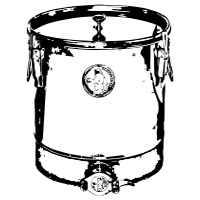
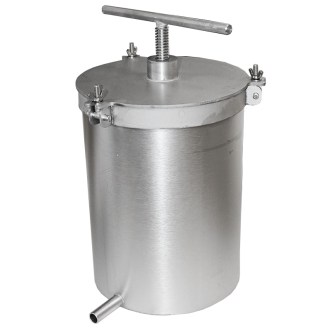
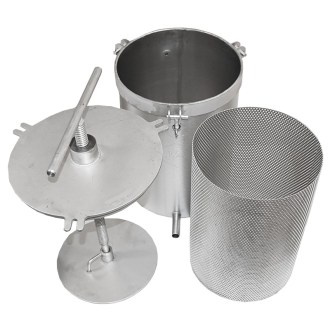
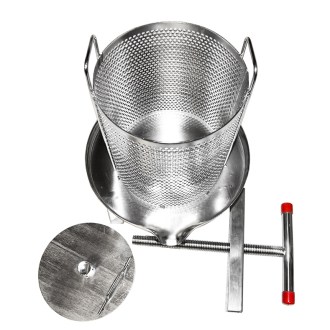
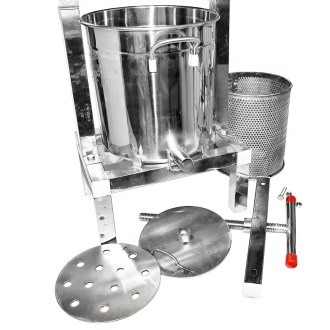
A manual wax press allows the manual separation of honey and wax, including cappings, from the bee comb. We offer wax and honey presses in various sizes and designs, some of them equipped with a protective container. Thanks to the trapezoidal thread, the press generates the required pressure and is fitted with a heavy-duty screw, a solid head, a collection sieve, and an outlet. The drum can be filled with wax containing honey, wax cappings, or entire combs; it can also be used for pressing fruit.

 On order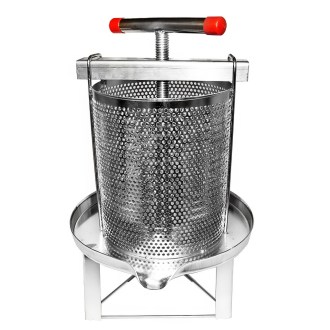
 In stock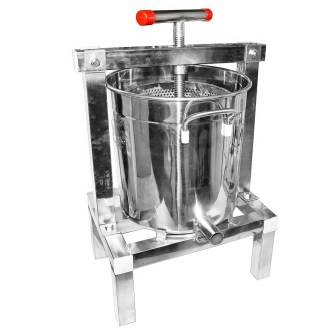
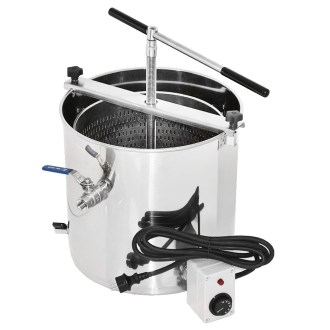
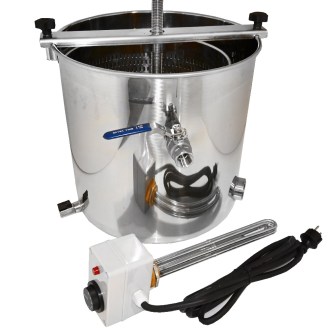
Manual Wax and Honey Presses
Do you want to get the absolute maximum out of your honey harvest and uncapping? A manual wax and honey press is among the equipment that quickly proves its value in the honey house. It helps you recover honey trapped in cappings after uncapping, separate the liquid fraction from the wax, and work with types of honey that are difficult to extract in a honey extractor. The result is higher yield, fewer losses, and wax material that is better prepared for further processing.
What a Beekeeping Press Is Used For
A honey extractor is essential, but a press has its firm place in beekeeping practice. It works on a simple principle: mechanical pressure separates the liquid fraction (honey or other liquid components) from the solid fraction (wax, comb residues, cocoons, propolis impurities, etc.). It is useful wherever dripping takes too long or where centrifugal force from an extractor is not sufficient.
When You Will Appreciate a Manual Press the Most
-
Pressing uncapping cappings – surprisingly large amounts of quality honey remain in the cappings. A press allows you to recover the honey quickly while producing drier wax suitable for further melting.
-
Processing comb and whole frames – practical for natural comb building, disposal of old comb, or processing “wild comb,” where extraction is difficult.
-
Melezitose and heather honeys – very dense, thixotropic, or rapidly crystallizing honeys can “cement” in the combs. In such cases, pressing is often one of the most effective ways to obtain the honey.
-
Universal off-season use – many presses can also be used for pressing crushed fruit into juice, provided the construction and hygiene are suitable for this purpose.
Pressing Honey from Cappings: More Yield, Less Waiting
During uncapping, some honey always remains trapped in the wax cappings. If you only let them drip, you lose time, take up space, and some honey stays in the wax. A manual press allows cappings to be processed quickly, cleanly, and with fewer losses. In practice, this gives you:
-
higher honey yield from uncapping,
-
drier wax residue that is easier to melt and store,
-
smoother workflow in the honey house without long dripping times,
-
less mess thanks to controlled drainage into a container.
For comfortable pressing, it is advantageous to work in an environment where the honey flows well (a warm room or pre-warmed material). We recommend straining the pressed honey afterward and letting it settle, as small wax particles may be released.
Wax Pressing: A Valuable Raw Material Under Control
Beeswax is a strategic raw material for beekeepers—whether you return it into circulation as foundation, or use it for candles and other products. A manual press is especially useful when working with wax as an auxiliary step for separating wax from solid impurities and for maximizing yield from residual material.
The best results are usually achieved when the material is properly prepared (e.g. melted and roughly filtered) and pressing is used for final cleaning or for extracting usable components from solid waste. Always adapt the specific procedure to the type of wax being processed and your working routine.
Key Features of Manual Presses
When choosing a press for beekeeping, hygiene, durability, and ease of operation are the main factors. A quality manual press can be recognized by the following details:
Food-Grade Stainless Steel
Parts that come into contact with honey and wax should be made of food-grade stainless steel. Stainless steel does not react with acids, does not affect the taste or aroma of honey, and is easy to clean and disinfect.
Robust Frame and Reliable Thread
A stable construction and a high-quality thread (often trapezoidal) are essential to withstand repeated loads. With the right gear ratio and handle length, you can generate the required pressure without unnecessary effort. Stability of the press on a table or stand is also important for safe and smooth operation.
Well-Designed Basket and Drainage
Practical presses feature a perforated basket (or inner insert) and an outer container with an outlet or drainage spout. The liquid flows directly into a prepared container, helping you maintain cleanliness in the honey house.
How to Choose the Right Manual Wax and Honey Press
The most important parameter is the basket volume and overall press capacity. Smaller hobby beekeepers are often well served by a compact tabletop press with a capacity of around 3–5 liters of material. If you process larger quantities of cappings or press regularly, a more robust model with a capacity of 10 liters or more is worthwhile, as it shortens work time with larger batches.
Also consider whether you will mainly use the press for cappings, or also for more demanding materials (combs, melezitose honeys). In that case, a sturdier construction, quality thread, and adequately sized basket are essential.
Tip for Beekeepers
For cleaner honey and faster cleanup, use a pressing bag (mesh liner). It captures fine wax particles, improves filtration, and makes removal and cleaning of the basket much easier after pressing.
Recommended Practical Procedure
-
Press in smaller batches and increase pressure gradually—it is usually more effective and gentler on the mechanism.
-
Work in warmth—more fluid honey separates more easily and with fewer impurities.
-
Use a mesh or insert—the honey will be cleaner and the residue easier to remove.
-
Let the honey settle—fine wax particles released during pressing will separate during resting.
Cleaning, Maintenance, and Hygiene
Stainless steel construction makes maintenance easy, but a few rules are worth following. After use, disassemble the press as soon as possible and rinse it with warm to hot water, which dissolves honey residues and softens wax. Avoid aggressive chemicals that are not intended for food-contact use.
Keep the threaded mechanism clean. For smooth operation, the upper part of the thread (outside contact with honey) can be lightly treated with a suitable food-grade lubricant according to the manufacturer’s recommendations. If you alternate between wax and honey processing, always pay extra attention to cleaning after wax work to prevent odors or impurities from transferring into the honey.
Frequently Asked Questions
Is a manual press suitable for beginner beekeepers?
Yes. Operation is straightforward, and with proper hygiene, a manual press is an excellent helper even from the first harvests. It is important not to overload the press and to increase pressure gradually.
What should be done with the pressed residue?
From cappings, you obtain a drier wax material suitable for further processing (melting, cleaning, production of wax products). From older combs and wax residues, a solid waste remains with minimal usable content.
Do I need to filter pressed honey?
At least basic straining is recommended. Pressing can introduce small wax particles into the honey, which should be captured and then allowed to settle out.
Choose a Press According to the Number of Colonies and Your Working Method
In this category, you will find manual presses suitable for pressing uncapping cappings, processing combs, and combined use. When choosing, focus on capacity, material, and drainage design. If you are unsure, consider the number of bee colonies, the amount of uncapping per season, and whether you will also deal with problematic honeys such as melezitose or heather honey.