Hand fruit presses
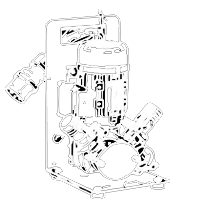
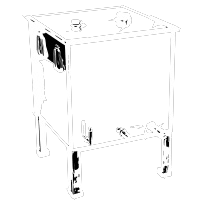
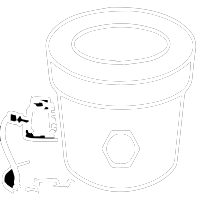
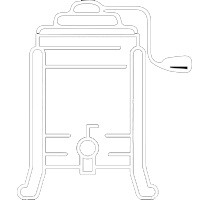
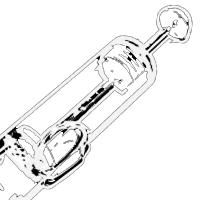
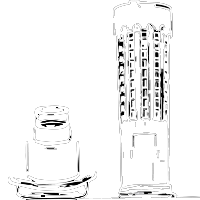
Fruit presses and crushers are used in the production of juices and wines. Fruit crushers are designed for crushing hard fruit such as apples and pears prior to pressing. A manual fruit press is primarily used for pressing juice from crushed apples and grapes. The presses are equipped with a lever for two-handed operation, which ensures easy handling. You turn the lever on the top of the press with both hands. When processing larger quantities of fruit, this can be physically demanding. Manual presses are made of high-quality stainless steel.
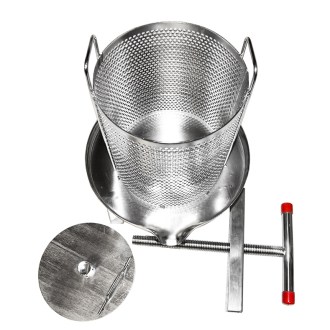
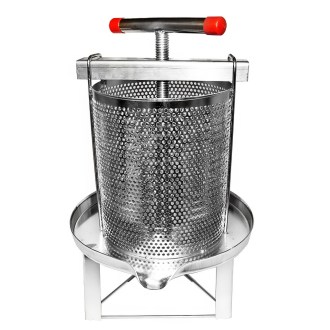
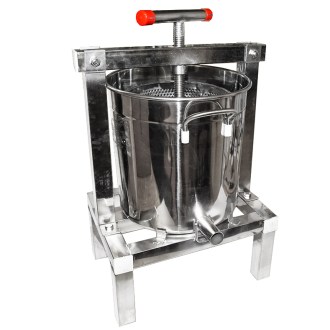
Manual Fruit Presses: Honest Juice Making
A manual fruit press is a proven helper for anyone who wants to get the most out of their harvest without electricity, quietly and with full control over the entire process. In a beekeeping operation, it also has a natural place: bees pollinate orchards and gardens, contributing to abundant harvests, and after the harvest, juice pressing naturally follows their work. Whether you are preparing fresh juice, a base for homemade cider, fruit wine, syrups, or a fruit component for mead (melomel), a high-quality manual press helps you obtain clean juice with minimal waste.
Why a Manual Press Is Valuable for Beekeepers
Beekeeping is often about more than just honey. Anyone who keeps bees near a garden, a few trees, or an entire orchard usually also deals with processing the harvest. A manual press is practical precisely because it is simple, reliable, and fits well into the seasonal rhythm of work around the hives.
-
A natural continuation of pollination: bees contribute to rich harvests of apples, pears, and small fruit – the press is the logical next step on the journey “from blossom to glass.”
-
Juice, concentrates, and syrups for the household: fresh juice can easily be turned into juice, a base for jellies and marmalades, or syrups.
-
Fruit components for mead: pressed juice (for example from apples, currants, or sour cherries) is a popular addition in the production of fruit meads and other fermented beverages.
-
No dependence on electricity: manual operation is ideal for cottages, orchards, and small-scale operations where simplicity and long service life are essential.
-
Gentle cold pressing: slower pressure usually means more stable juice quality and a more natural flavor without unnecessary heating of the raw material.
How a Manual Press Works and Why Slow Pressing Pays Off
The principle of a manual press is simple and proven over centuries. Fruit (most often pre-crushed) is placed into a pressing basket, often with the help of a pressing bag or cloth. Using a screw mechanism, pressure is gradually increased. The juice flows into a collection container, while the pomace remains in the basket.
The advantage of manual pressing lies in the ability to apply pressure gradually. This usually results in cleaner juice, less clogging of the basket with fine pulp, and more pleasant work without unnecessarily forcing the mechanism.
Practical note: for hard fruit (especially apples and pears), crushing is essential. Pressing whole fruit results in significantly lower yield and requires much more effort. If you process larger quantities, consider using a fruit crusher as well.
What Fruit a Manual Press Is Suitable For
Manual presses are most commonly used for apples and pears, but they can also handle other types of fruit very well. With softer fruit, a pressing bag or cloth is worthwhile – the resulting juice is cleaner and cleaning the press is faster.
-
Apples, pears: ideal for juice and cider; best after crushing.
-
Grapes: for homemade young wine or wine (depending on process and hygiene).
-
Plums, sour cherries, sweet cherries: after pitting and suitable preparation (crushing).
-
Small fruit: currants, aronia, blackberries; often used with a pressing bag.
How to Choose the Right Manual Press
When choosing a press, it is worth considering not only the amount of harvest you plan to process, but also how you will use the press in practice: once after harvest, or continuously throughout the season. In beekeeping operations, easy hygiene is often an important factor as well, since part of the production may go into fermentation (cider, fruit wine, mead).
Basket Volume and Diameter
A larger basket means more fruit per batch and faster work. For occasional pressing of smaller harvests, a compact press is sufficient; for orchards and larger gardens, a higher volume pays off so you don’t spend time constantly refilling.
Construction and Stability
Pressing generates high pressure, so a solid frame construction and stable base are essential. A well-designed press does not twist, keeps the screw axis aligned, and allows smooth tightening without unnecessary effort.
Materials in Contact with Juice
-
Stainless steel: easy maintenance, high hygiene, long service life – an excellent choice for frequent use and for beverages intended for fermentation.
-
Wood: traditional appearance and pleasant handling; requires careful cleaning and thorough drying after use.
-
Cast iron and steel components: typically used for the frame and screw; high-quality surface treatment is important outside areas in direct contact with juice.
Cleaning and Hygiene
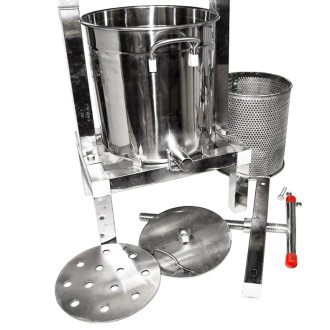
If you plan to ferment the juice further, hygiene is crucial. Choose a press that can be disassembled, or at least thoroughly rinsed, has no unnecessary “pockets” for pulp residues, and dries quickly after use.
Choosing the Right Size Based on Harvest Volume
Below is a general overview to help you choose press volume according to how much fruit you typically process. In practice, it also depends on whether you have a crusher, how quickly you want to work, and whether you press only for family use or for a broader operation.
| Press volume | Suitable for | Typical use |
| Small (up to 5–6 liters) | Small gardens, occasional juice making | Small batches of juice, trying out pressing, occasional harvests |
| Medium (10–15 liters) | Typical families, several trees | A practical compromise, processing several crates of fruit in an afternoon |
| Large (20–40 liters) | Orchards, large gardens, frequent processing | Efficient pressing of large harvests, juice reserves, cider, or fruit wine |
Accessories That Speed Up the Work
With a manual press, details often make the difference. The right accessories increase yield, improve juice clarity, and significantly simplify cleanup.
-
Fruit crusher: almost essential for apples and pears if you want good yield and reasonable effort.
-
Pressing bag or cloth: captures fine pulp, reduces basket clogging, and speeds up cleaning.
-
Spacers/pressing blocks: with larger presses, they help during final pressing when the pulp settles significantly.
-
Food-grade lubricant: for spindle maintenance, smooth operation, and corrosion protection (according to the manufacturer’s recommendations).
Recommended Process for the Best Yield
-
Wash and sort the fruit: remove rotten pieces and impurities.
-
Crushing is key: apples and pears are best pressed after crushing (a crusher significantly increases yield).
-
Use a pressing bag or cloth: the juice will be cleaner and cleanup faster.
-
Press gradually: increase pressure slowly; the press is under less strain and the juice is usually smoother.
-
Let the juice settle briefly: clarification is common for a smoother taste.
Practical Tips for Beekeepers
-
Press away from hive entrances and apiary traffic: sweet juice attracts insects and can trigger robbing. Work ideally away from the hives and clean up spills immediately.
-
Use pomace wisely, but not near bees: it is suitable for compost or as feed for livestock. Pomace or fermented residues do not belong near bees – fermentation and strong aromas can cause problems around hives.
-
Clean containers are crucial: always thoroughly wash containers, hoses, carboys, and airlocks, especially if you ferment the juice (cider, fruit wine, mead).
Press Maintenance After the Season
After each use, rinse the press with clean water and allow it to dry thoroughly in a well-ventilated place. For wooden parts, it is essential not to leave them damp for long periods. Keep the spindle clean and treated according to the manufacturer’s recommendations (typically with food-grade lubricant). Proper maintenance extends service life and maintains hygiene – important not only for juice, but also for subsequent fermentation.
Frequently Asked Questions
- Do I need a crusher for a manual press?
-
For hard fruit (mainly apples and pears), a crusher is highly recommended. Whole fruit presses poorly and yield is significantly lower. Crushing gives you more juice and makes pressing easier.
- What is the difference between a pressing bag and a cloth?
-
A bag usually holds its shape better and is easier to fill and empty; a cloth is traditional and versatile. In both cases, they help capture fine pulp, reduce basket clogging, and simplify cleanup.
- Is a manual press suitable for regular processing of larger harvests?
-
Yes, but it depends on basket volume and construction robustness. For frequent pressing, a larger basket, solid frame, and materials that withstand intensive washing and long-term load are worth it.
A Manual Press as an Investment in Self-Sufficiency
A manual fruit press is an investment in quality, self-sufficiency, and better use of your own harvest. In the context of beekeeping, it naturally complements the work bees do through pollination. Choose the size and design according to how much fruit you typically process and whether you want to drink the juice fresh, preserve it, or take it further – perhaps all the way to homemade cider, fruit wine, or melomel.