Processing
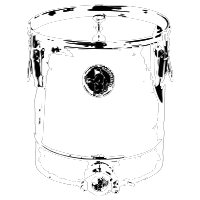
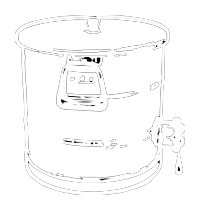
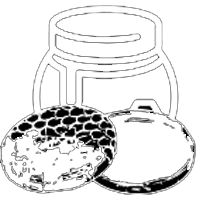
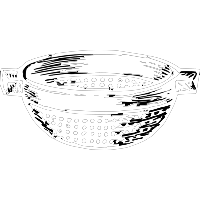
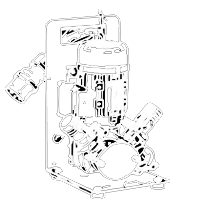
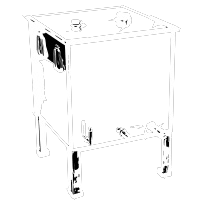
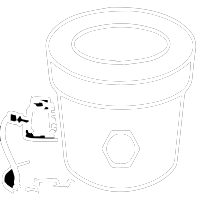
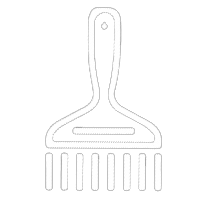
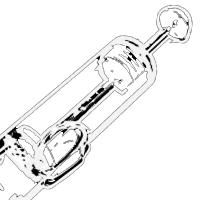
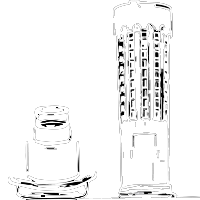
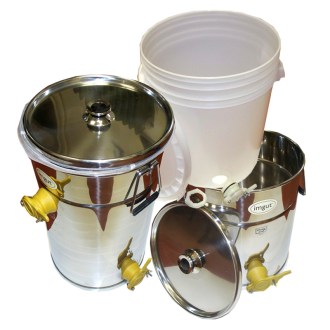
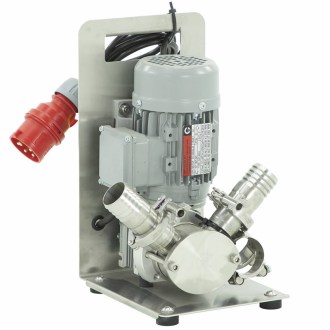
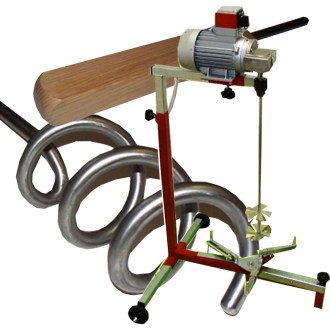
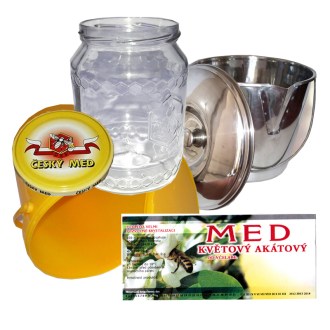
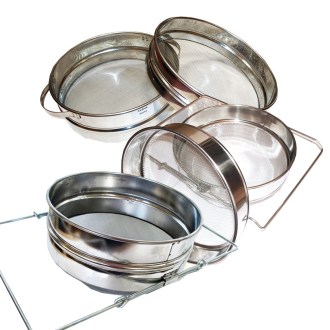
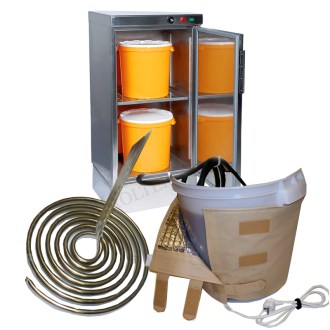
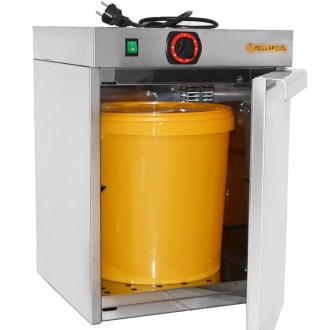
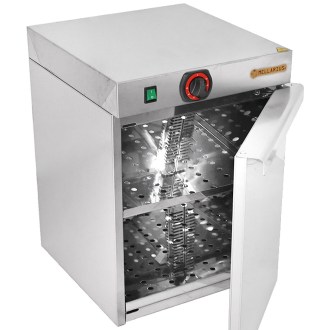
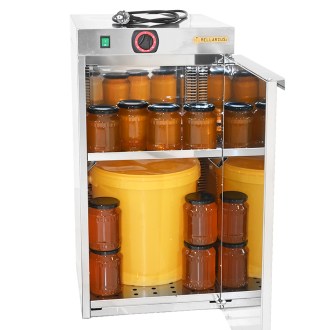
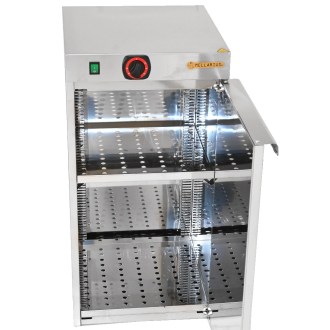
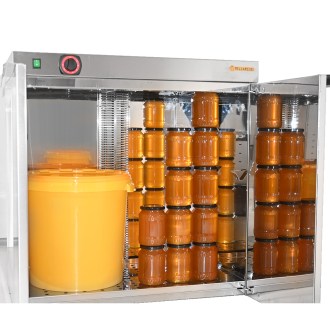
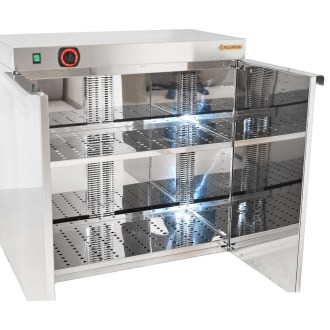
We have prepared all the essential tools you need for professional honey processing, including various honey containers, filters, uncapping trays, jars, lids, and more. Our range also covers everything from uncapping devices and pumps to dryers and separators. We offer specialized equipment for honey drying and creaming. Whether you are a beginner or an experienced beekeeper, you will find everything you need with us. Our assortment also includes labels for honey storage containers, measuring instruments, and automatic uncapping machines. Thanks to our many years of experience, we can guarantee high quality and competitive prices across the entire range. Every honey is unique, depending on the floral sources in its surroundings, and represents the most valuable reward for the beekeeper’s dedication.







Honey Harvesting
Beekeeping is a demanding yet fascinating activity that connects caring for nature with obtaining a unique and valuable product – honey. Harvesting honey represents one of the most rewarding moments of beekeeping, the culmination of dedicated care for the bee colonies. Below, we present all the essential steps required for proper honey collection and processing to achieve the best possible quality.
The Basics of Honey Harvesting
Bees store honey in the upper parts of the hive, where wax combs are located from April to July. Beekeepers then carefully select fully ripened honey for further processing.
How to Determine Honey Ripeness
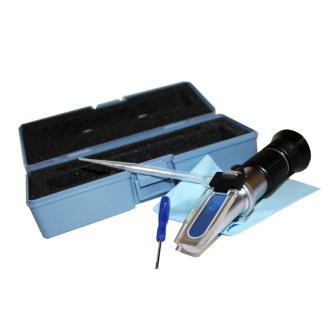
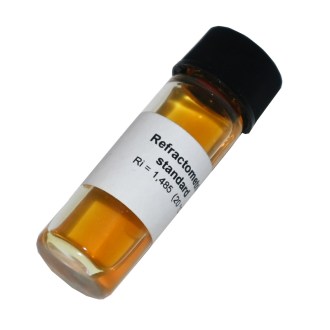
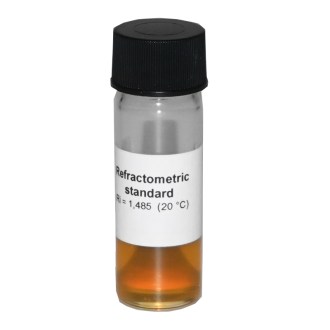
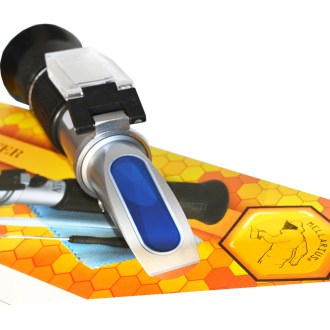
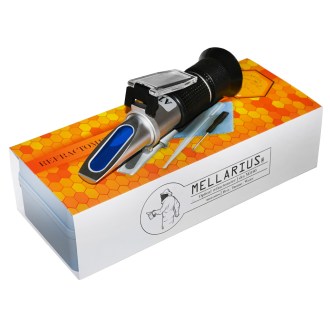
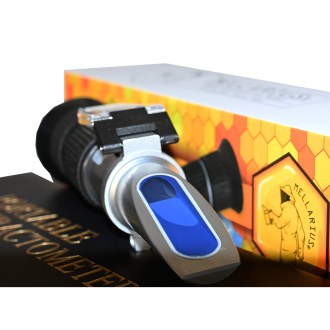
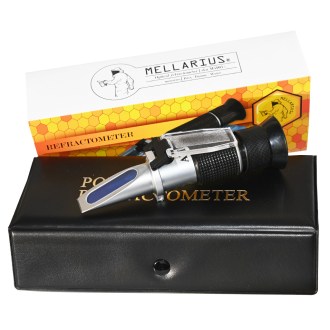
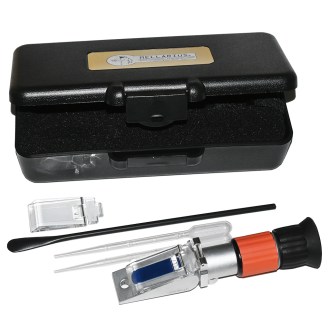
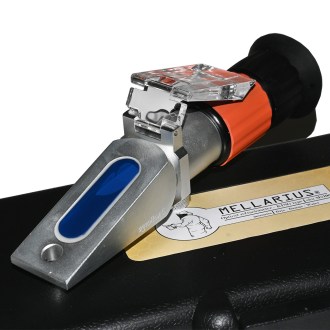
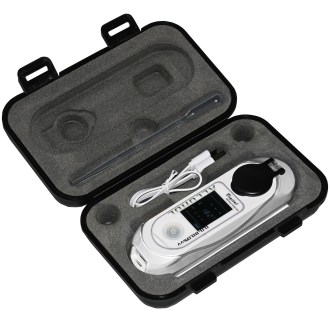
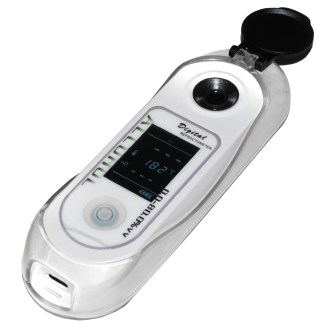
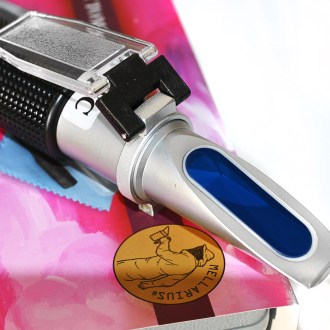
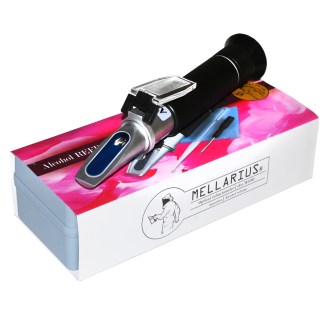
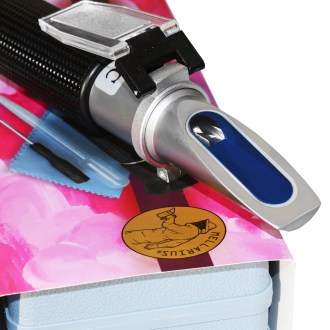
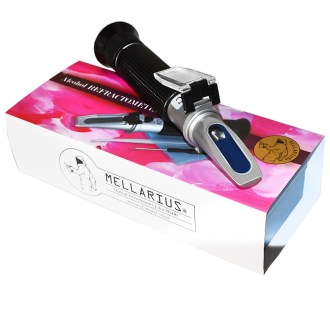
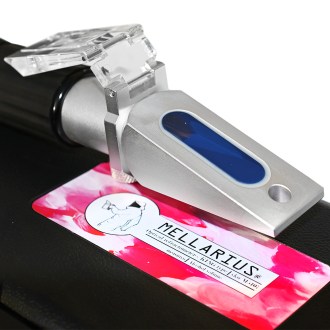
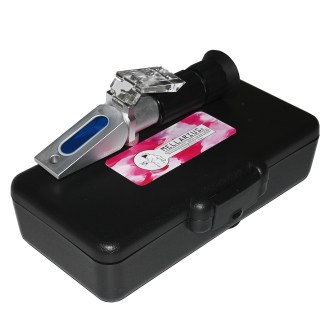
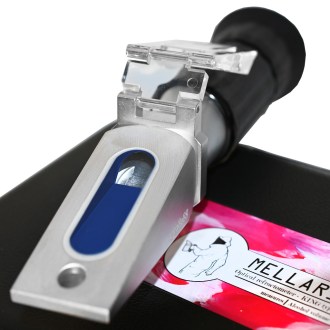
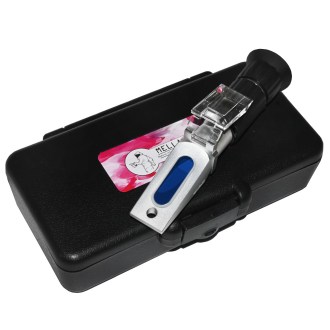
Once the honey reaches the desired consistency, the water content is measured using a refractometer. Only honey with a low moisture content is considered fully ripened and ideal for harvesting.
Wax Removal Process
Ripe honey is sealed by the bees with a thin wax layer, which must be removed before extraction. Once uncapped, the frames are ready to be placed in the honey extractor.
Extraction in the Honey Extractor
In the extractor, centrifugal force releases the honey from the combs. During this process, the temperature should not exceed 35°C to preserve the honey’s valuable enzymes and nutrients. The extracted honey is then allowed to settle in a storage tank before being poured into jars.
Comb Honey – A Unique Delicacy
Comb honey is considered a delicacy. This type of honey is consumed together with the wax comb, often served on bread or pastries, offering an authentic and unmistakable flavor experience.
Challenges in Beekeeping: The Impact of Weather
Spring weather can significantly influence nectar availability for bees. For instance, Austrian beekeeping has suffered in years with cold and rainy springs. In seasons with unfavorable conditions, bee colonies often yield only half of the usual honey production because poor weather prevents effective pollination.
The Challenge of Honeydew and Melicitosis Honey
Some seasons produce melicitosis honey, known for its dense texture and difficult processing. This type of honey originates from aphids that produce melicitose. Because of its thick consistency, a large portion of this honey often remains trapped in the combs, making harvesting laborious.
Beekeeping and honey production require not only technical skills and expertise but also adaptability to changing environmental conditions. Mastery of harvesting and processing techniques is essential, along with the ability to respond flexibly to ecological and market challenges. Government support and targeted incentives could help beekeepers sustain high-quality and environmentally responsible honey production.
Step-by-Step Honey Harvesting
1. Preparation for Honey Extraction
Before starting the harvest, make sure you have all the necessary tools and protective gear ready:
Beekeeping suit and gloves: These protect you from bee stings during hive work.
Smoker and hive tool: The smoker calms the bees, while the hive tool helps in loosening and lifting the frames.
Uncapping fork or knife: Used for removing the wax caps from honeycombs.
Honey extractor: Essential equipment for spinning out the honey from frames.
Honey containers and filters: For collecting and straining the harvested honey.
Labels and packaging materials: For branding and storing honey, whether for sale or personal use.
Ensure that all your tools are properly cleaned and disinfected to maintain the purity and quality of the honey.
2. Choosing the Right Time to Harvest
Selecting the right moment for harvesting is crucial for achieving top-quality honey. Consider the following factors:
Strength of the colony: Make sure your bees are healthy and productive enough to maintain the hive during harvest.
Honey reserves: Confirm that there is sufficient honey for both harvesting and leaving an adequate supply for the bees to overwinter.
Weather conditions: Choose a dry, sunny day when the bees are calm, and humidity levels are low.
3. Removing Honey Frames
Carefully open the hive and gently remove the upper honey frames. Use the smoker to calm the bees and minimize disturbance. Work slowly to avoid damaging the bees or fragile comb structure.
4. Uncapping the Honeycombs
Once the frames are collected, uncap them with the uncapping fork or knife. Work with precision to remove the wax layer evenly and expose the honey-cells.
5. Honey Extraction – Spinning the Honey
After uncapping, place the frames into the honey extractor. The centrifugal force spins out the honey, which flows down to the bottom of the extractor, ready for filtering.
6. Filtering and Bottling
The extracted honey should be filtered to remove wax particles or other impurities. Use a fine sieve or filter, then pour the honey into sterilized jars or storage containers. Seal the jars tightly and label them with the harvest date and honey type.
7. Storing and Selling Honey
Store jars of honey in a cool, dark place to maintain freshness and prevent crystallization. Regularly check their condition and storage environment. For selling, use quality packaging and professional labeling to attract customers.
8. Cleaning and Maintenance
After the harvest, thoroughly clean and disinfect all tools and equipment. This practice helps prevent the spread of diseases and keeps your bee colonies healthy.
By following these steps, you ensure your honey is not only pure and high-quality but also processed safely for personal consumption or commercial sale. Be proud of your craft and enjoy the sweet fruits of your hard work in beekeeping.