Plastic frames
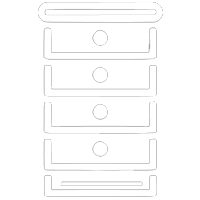
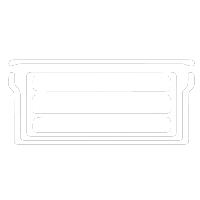
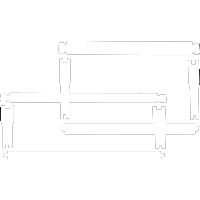
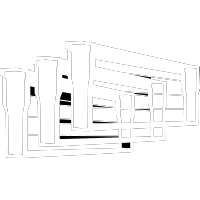
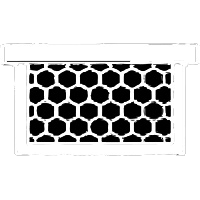
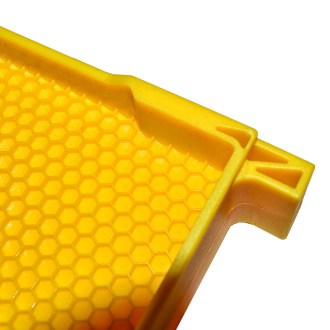
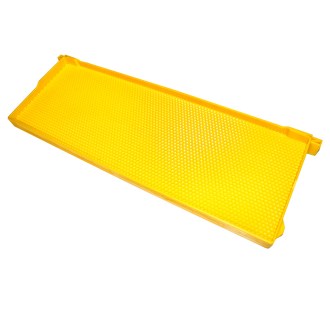
Plastic Frames save both time and effort by eliminating the need for nailing, wiring, and embedding foundation sheets. These frames are made from food-grade plastic that does not leave any residue in the wax or honey, ensuring high levels of hygiene and durability. Before first use, it is recommended to coat the plastic frames with a thin layer of beeswax—using a roller, brush, or by dipping—to ensure optimal adhesion for the bees. Economically, they pay off within 2–3 years, as there is no longer a need for repeated wiring or embedding of foundation, and beekeepers can sell their own wax. Plastic frames are not susceptible to bacteria or other pests and have an almost unlimited lifespan when handled with care. Maintenance is simple: after use, simply scrape off the old comb with a spatula and the frame is ready to go back into the hive, with no need for additional waxing.
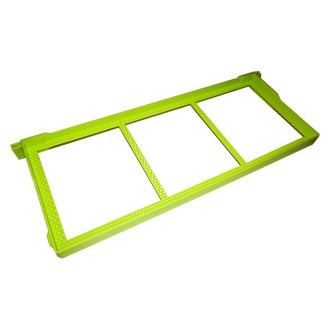
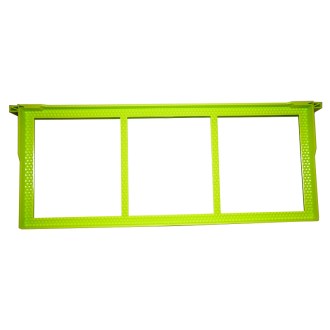
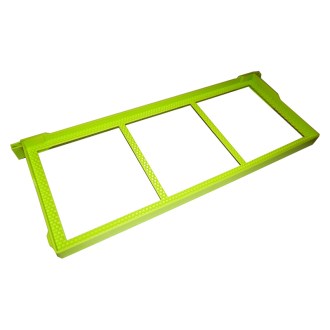
Plastic Beekeeping Frames
Plastic beekeeping frames are a modern and practical alternative to traditional wooden ones. With their precise construction, long lifespan, and easy maintenance, they are an ideal choice for beekeepers looking to streamline their operations and reduce costs. Plastic does not crack or warp and allows thorough disinfection, which helps maintain the health of bee colonies.
Main Advantages of Plastic Frames
Compared to traditional wood, plastic frames offer significantly higher resistance to moisture, weather conditions, and pests such as the wax moth. The durable material retains its shape even after years of use, which means the frames require no repairs or protective coatings. This translates into less work and lower expenses throughout the beekeeping season.
Long service life: The material can endure decades of active use without losing its strength.
Easy maintenance and disinfection: They can be washed with hot water or disinfectants without risk of damage.
Protection against pests: Wax moths cannot damage the plastic foundation, allowing frames to remain functional even after infested comb is removed.
Stability during honey extraction: Their robust design prevents comb collapse even at high extractor speeds.
Practical Use in Hives
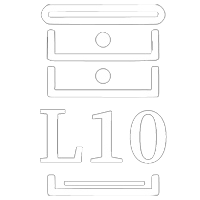
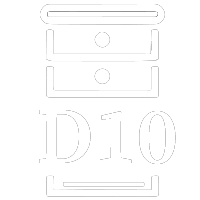
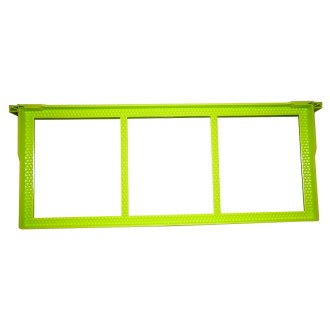
Plastic frames are available in all common frame sizes such as Langstroth and other globally used systems. They can be supplied with an integrated plastic foundation or as a frame body ready for fitting with your own wax sheet, depending on your preferences.
Beekeepers particularly appreciate their stability during extraction, clean surface, and ability to be reused over many seasons. For these reasons, plastic frames are a long-term investment that pays off in efficiency and durability.
Waxing and Preparing Frames for Use
To encourage bees to accept the frames more quickly, it is recommended to apply a thin layer of beeswax on the surface of the plastic foundation before placing it in the hive. This simple step mimics the natural scent of beeswax and greatly improves comb acceptance by the colony.
Waxing Procedure
Melt pure beeswax in a water bath at approximately 70–80 °C.
Using a brush or roller, evenly apply wax to the surface of the plastic foundation.
Ensure the layer is not too thick — the bees will easily add more wax as they build the comb.
Cleaning and Maintenance
Taking care of plastic frames is very straightforward. After the season, old comb can be removed and the frames can be soaked in hot water with a mild detergent or lye solution. Once rinsed, they are ready for reuse — no sanding or painting required.
Environmental and Economic Aspects
Although plastic frames are slightly more expensive to purchase than wooden ones, their long lifespan and minimal maintenance costs make them a worthwhile investment. Most frames are made from recyclable materials, supporting sustainable beekeeping practices with minimal environmental impact.
Who Benefits from Plastic Frames
These frames are ideal for every beekeeper — from beginners seeking to save time and effort to professional apiarists managing dozens of hives. With high manufacturing precision, hygienic design, and low maintenance requirements, plastic frames are the perfect solution for modern, efficient beekeeping.
Plastic beekeeping frames combine tradition with innovation. They bring durability, cleanliness, and practicality to every hive. They simplify beekeeping work, reduce costs, and help maintain healthy colonies. For beekeepers aiming for reliable and sustainable solutions, they are an excellent choice for any apiary.