Entrance feeders
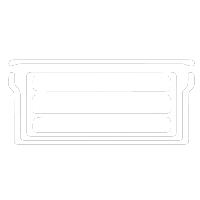
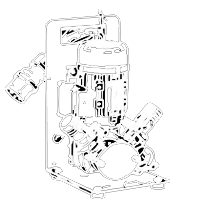
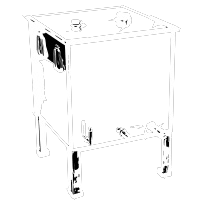
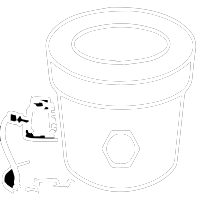
During spring and summer, when bees sometimes need supplemental water and there isn’t enough available in the surrounding area, a suitable entrance feeder offers an effective solution. These simple devices provide your colony with continuous water access, ensuring that drinking water is always available to the bees. This is especially important during hot summer months or in dry regions where natural water sources are scarce. Bees also appreciate having a feeder near the hive when temperatures are low, as it minimizes the risk of chilling during longer flights to find water. Entrance feeders typically hold just a few liters. Of course, you can also add a small amount of sugar or salt to the water, if needed.
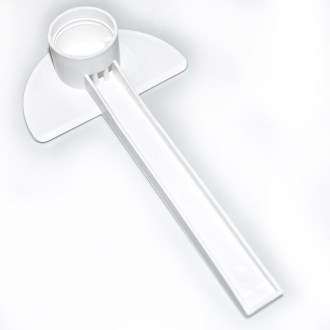
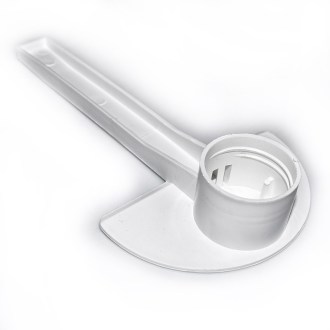
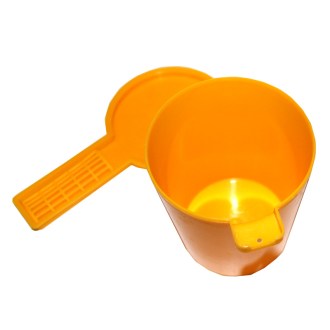
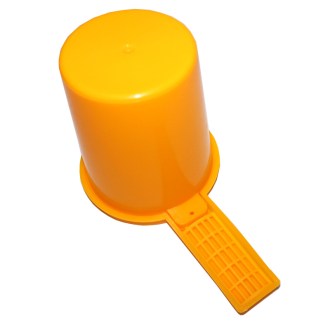
Bee Entrance Feeders
Bees require water just as much as nectar, but do you pay enough attention to this need? Beekeepers know that water supplies are especially important to colonies during hot summer days as well as colder times of the year.
Practical Feeder Concepts
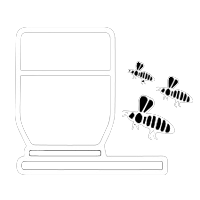
Traditional entrance feeders: Let's start with the basics. Many beekeepers use clay pebbles, straw, twigs, or bubble wrap. These materials help keep bees above the water’s surface, but their effectiveness can vary unless there is a system for always providing fresh and available water. An efficient entrance feeder can easily be made at home using a glass jar (3–5 liters), a flower pot saucer, and a sponge. Adding a small amount of salt at the beginning of the season can significantly improve bee vitality.
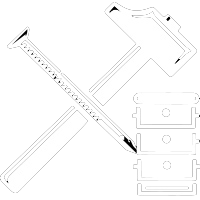
Feeding through hive tanks: Another popular method is supplying water directly inside hives using top feeders. This approach minimizes the risk of bee losses due to bad weather, as bees don’t have to fly far from the hive. Glass jars decentered in a plywood frame with fine mesh allow the safe provision of warm, slightly flavored water directly into the center of the hive. Regular monitoring and refilling remain key. Recorded data on water consumption and local temperature are effective for monitoring colony condition.
Alternative and Innovative Approaches
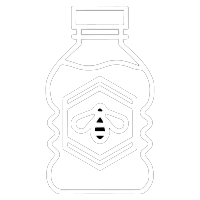
Modern beekeepers experiment with PET bottle drinkers, which have become popular due to their simple design and effectiveness. A strip of cotton fabric acts as a wick, drawing water from a PET feeder which bees cannot directly access, minimizing contamination risk. This innovative method is especially practical during periods of high water demand on warm days.
How to Choose?
The choice of entrance feeder depends on the number of your hives, their location, and only partly on your personal beekeeping style. Remember that natural sources like streams or ponds are the most natural alternatives, but are not always the most accessible. Consider whether to use simple homemade feeders, top feeders, or the innovative and effective PET bottle system, which can make life much easier for your bees and protect your colonies from debilitating shortages. Small steps, like adding a pinch of salt or placing bottles where they are easy to reach, can dramatically improve your strategy’s effectiveness.
Every beekeeper is unique. Adapting your sites to the water needs of your bees is not only about care, but also about understanding their specific needs and the methods by which to fulfill them. The final choice is yours, but the key is to remember that even the smallest actions contribute to building a healthy and thriving bee community.
The Importance of Water for Bees: Why and How to Provide Feeders
Bees are essential pollinators in our ecosystems and gardens, and their needs should be thoroughly considered. Among these necessities is water, which bees need not only to quench their thirst, but also for the proper functioning of the hive. Let’s take a closer look at how and why to supply water for bees.
Why Do Bees Need Water?
Water is absolutely vital for bees, especially in spring when the colony is developing rapidly.
Bees require water for several reasons:
-
Quenching thirst: Like all living creatures, bees need a regular supply of water to survive.
-
Caring for brood and stores: Bees use water to dilute honeydew, creating food for larvae. Stores also need to be conditioned for safe consumption.
-
Pollen processing: Water plays a key role in collecting and processing pollen.
-
Hive temperature and humidity regulation: Water helps bees maintain optimal temperature and humidity inside the hive.
How to Help Bees in Your Garden
An important part of bee care is providing easy access to water. Here are our recommendations:
-
Creating a bee watering spot: The ideal feeder can be easily made from materials such as ceramic or plastic trays, wooden containers, or natural stones. For maximum efficiency, choose feeders that imitate natural water sources. Moss or a dish sponge in a bowl of water can be a great alternative.
-
Water quality and temperature: Rainwater is ideal for bees, or at least water with some natural minerals. Adding a pinch of salt can increase its appeal. The water temperature should be above air temperature, especially during early spring.
-
Placement of the feeder: Place your feeder close to the hives and in line with the bees’ flight path. Once bees find the water source and begin using it regularly, make sure to keep it topped up and avoid moving it.
-
Safe access: To prevent drowning, provide plenty of “floaters,” such as wood chips or clay pebbles, to help bees stay afloat.
-
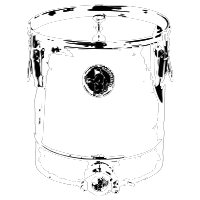
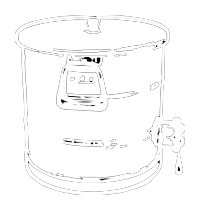
Feeder tanks: Another option is installing feeder tanks outside, allowing bees to drink safely and ensuring the water supply is uninterrupted. It is vital that tanks never run dry; if bees lose trust in a source, they may seek alternatives—even distant ones. Tanks must be easy to clean and designed to prevent bees from drowning.
-
Drip bottles: Bottles with a capacity of 0.5 to 1 liter offer a good method for providing water. These bottles should be insulated to prevent the water from overheating too quickly.
Water Consumption in Bees
On average, each bee colony consumes about 200 ml of water daily, with peak consumption reaching up to 1 liter during hot summer days. With the average number of trips needed for bees to carry this water into the hive, it’s clear that nearby water access can significantly ease their workload and reduce the risk of chilling during transport.
Providing bees and other insects with access to water is essential—not just to protect these beneficial pollinators, but also to help you adapt your garden’s appearance to meet this need. Invest a little effort in making a watering spot: your garden and nature will thank you.
The Secret of Spring Colony Growth: The Importance and Role of Water
Spring is a crucial period for colony development. At this time, bees need special care, and one of the main elements that can greatly influence their vitality and productivity is having enough access to water. Water isn’t just for quenching thirst, but also serves several vital functions within the hive. Let’s look further at why water is so important for bees and how you can help.
The Journey for Water: Risks and Challenges for Bees
During warm days, bees need a lot of water not only for drinking, but also for air conditioning the hive by evaporating water. Water collector bees, specialized for this task, often face risks flying long distances carrying cool water in their honey stomach. This process is energy-intensive and exposes them to danger from chilling or exhaustion.
Using Internal Water Sources
Bees also partly use water that condenses inside the hive. This ability is vital, especially in winter when outside sources are limited. During this time, they also produce metabolic water by breaking down winter feed stores. However, in spring, when demand for water rises quickly, it’s important to implement additional efficient methods for replenishing water supplies.
How We Can Help Bees Collect Water
It’s crucial to make sure bees never lack water during hot summer days or in cold spring when they constantly relocate water within the hive. Provide well-managed feeder tanks or water sources in your garden. Once you have made a watering station, keep it filled—if not, bees will mark it as unreliable.