











General tools
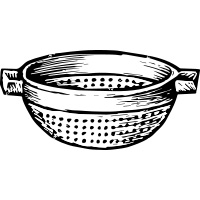
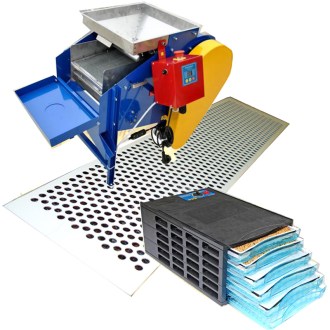
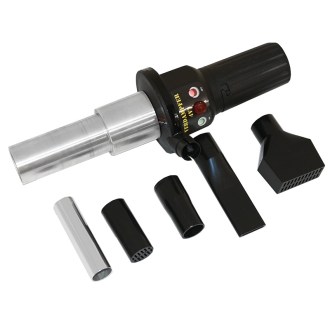
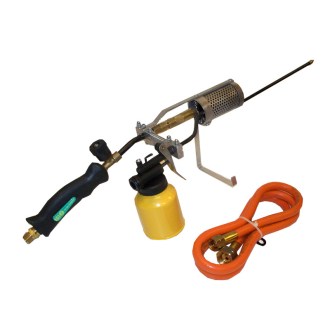
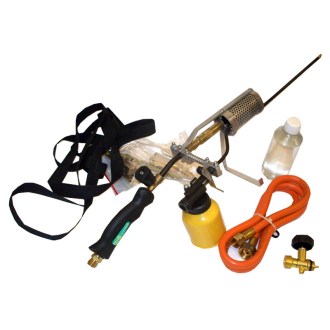
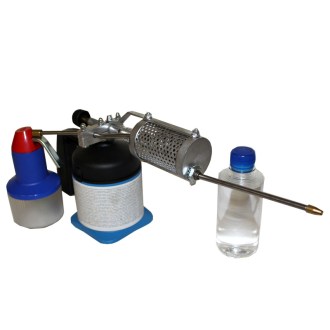
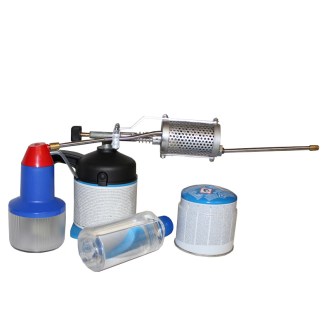
Beekeeping requires a range of specialized tools. Here, we offer practically everything that can be useful in the apiary. However, not all equipment is essential for beginners. For those just starting out, we especially recommend a hive tool for working with frames, a bee brush for gently removing bees, and a smoker to calm them during hive inspections. For honey extraction, you will need uncapping forks, a bee escape board or bee blower, a sieve for filtering honey, and a sulfur burner with sulfur strips for disinfecting frames. You will also find plenty of supplies for collecting bee pollen.


 In stock

 On order


















Beekeeping Supplies: Essential Equipment for Successful Apiary Management
Beekeeping is a rewarding and fulfilling activity, but it requires the right equipment to ensure success. Whether you are a beginner or an experienced beekeeper, we will guide you through all the essential tools and gear needed for safe and efficient beekeeping.
Basic Equipment and Assembly
When purchasing new beekeeping equipment, you will often receive the components unassembled. This is usually a more economical option, although fully assembled parts can also be purchased at a higher price. For beginners, it’s wise to seek assistance from a more experienced beekeeper, as incorrect assembly may affect hive performance. Remember to install foundation sheets into the frames just before use to prevent wax deformation.
Some beekeepers choose to save money by building their own equipment or buying second-hand items. However, both approaches require experience and careful inspection, as older equipment may not fit standard dimensions or could be unhygienic.
Every beekeeper should start with quality tools that make daily tasks easier and more efficient. The essential tools include:
- Smokers: Used to calm the bees during hive inspections.
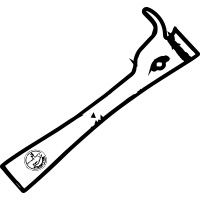
- Hive tools: Essential for opening hives and handling frames.
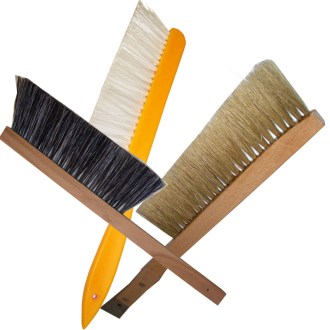
- Bee brushes: Allow the gentle removal of bees from frames without harming them.
Specialized Equipment for Advanced Beekeepers
For more experienced beekeepers looking to optimize their apiary operations, various specialized tools are available:
- Pollen traps: Great for collecting bee pollen, suitable for both hobby and commercial use.
- Refractometers: Useful for measuring honey moisture content.
- Queen excluders and isolators: Help manage hive organization and honey production.
Advanced Equipment and Technology
If you manage a larger apiary or focus on professional honey production, consider investing in advanced beekeeping technologies such as:
- Hive scales: Monitor hive weight changes to help you adjust your beekeeping strategies.
How to Choose Beekeeping Tools
When selecting beekeeping equipment, always prioritize quality and durability. Our carefully selected tools meet high standards, offering reliable long-term performance. Whether making small or large investments, durable equipment ensures efficiency and supports your daily beekeeping activities.
Calming Bees: Using the Smoker
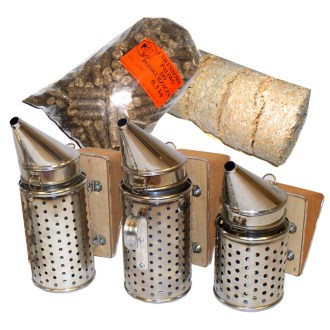
The smoker, also known as a bee smoker, is one of the most important tools for keeping the colony calm. When smoke is applied, bees sense it as a possible fire hazard and instinctively retreat into the frames. This reaction reduces their aggressiveness and allows the beekeeper to work safely inside the hive.
Smokers are equipped with a fuel chamber and bellows, producing cool, dense smoke that disrupts alarm pheromones and keeps bees calm. Choosing a model with a protective shield is essential for safety. Suitable fuels include straw, wood, dry leaves, or burlap, which generate effective smoke under safe conditions.
Frame Handling: Hive Tool, Bee Brush, and Frame Gripper
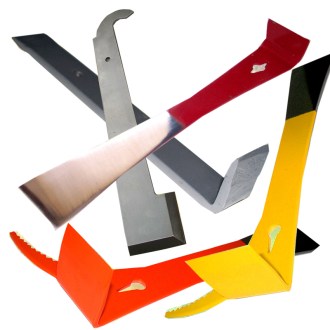
One of the most vital tools for every beekeeper is the hive tool — a metal bar with a flat and curved end designed for separating frames and scraping off propolis and wax. It’s used constantly, and keeping it clean is crucial to prevent disease transmission.
Working with frames would be difficult without proper tools. The hive tool serves for levering and shifting frames as well as cleaning propolis and wax. A gentle bee brush is ideal for safely sweeping bees off frames without harm. Frame grippers make handling individual frames easier and safer.
Frame Maintenance and Assembly
Beekeepers need to maintain and assemble frames regularly. A frame stapler allows quick and solid assembly of frame parts. Wire tensioners or crimpers, equipped with two toothed wheels, are used to tighten and crimp the wire to achieve the right tension.
Various accessories can make work in the hive easier — such as frame holders, frame grips, swarm lures in paste or spray form, bee escapes, and protective hive bags for transport. Tools like frame cleaners and wax embedding tubes simplify hive maintenance and upkeep.
Cleaning and Maintaining Hives
A metal queen excluder scraper is indispensable for thorough hive maintenance. It efficiently removes wax and propolis buildup. The tool usually has both smooth and serrated edges for versatile cleaning performance.
Swarm Capture Tools
When expanding your colony, swarm-catching equipment becomes essential. Swarm lures containing queen pheromones effectively attract swarms. Similarly, swarm sprays or scents can be applied around hive entrances to guide bees. For capturing swarms, you’ll need a bee scoop or swarm catcher, which allows safe retrieval even from elevated places. Finally, a swarm box — a lightweight ventilated hive — is perfect for transporting and settling new swarms.
With the right tools, your beekeeping experience becomes more convenient and efficient. Proper equipment not only simplifies work but also creates a safer and calmer environment for both bees and beekeeper.
Safety is fundamental when working with bees. A beekeeping hat and veil protect your face and neck. Beekeeping suits with attachable veils minimize the risk of stings and protect clothing from propolis. Beginners may prefer wearing gloves, though some beekeepers find them restrictive.
The right tools and protective gear are key to achieving success and efficiency in beekeeping. Don’t forget proper care, storage, and sanitation of your tools — this helps prevent bee diseases and improves colony comfort and productivity.
Caring for and Maintaining Beekeeping Tools
Proper care for your beekeeping tools includes regular cleaning and maintenance. After each use, remove wax and honey residues, and store the tools in a dry, shaded place, inaccessible to bees.
With our wide selection of beekeeping supplies and accessories, you can take your beekeeping practice to the next level. Visit our store and explore all the possibilities to enhance your beekeeping experience and skills.