










Marking
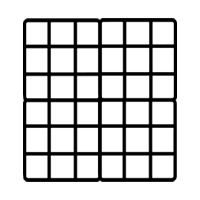
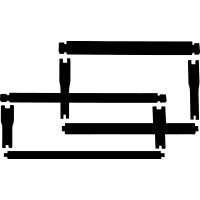
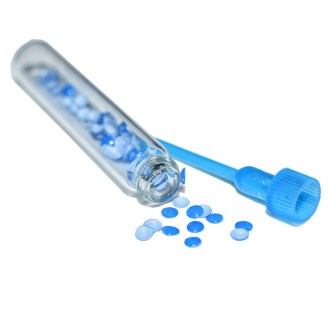
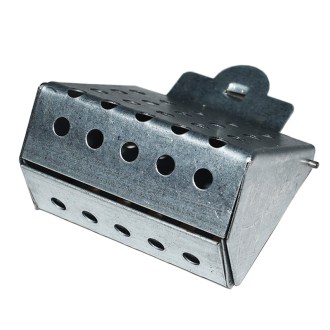
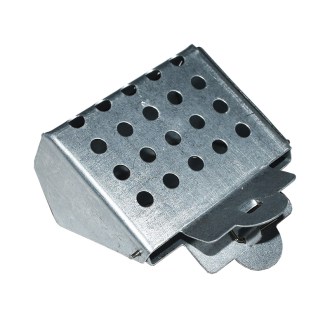
In the queen marking category you will find tools for safe and quick marking of honey bee queens. We offer both basic and professional catching aids, such as plastic and stainless-steel queen catchers or needle-type marking cages. For the marking itself, you can choose from non-toxic paints and opalith marking discs, which are waterproof, fast-drying, and adhere well. We also offer modern marking pens and marking nets for easy identification of mated and unmated queens. When choosing, don’t forget to select the colour according to the marking colour code for the given calendar year.


 In stock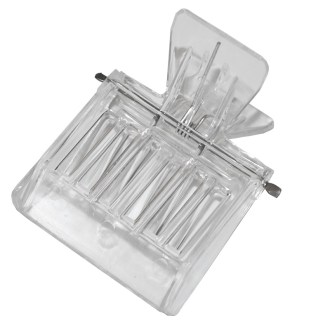










Queen Marking – The Key to Efficient Beekeeping
Beekeeping is an art that combines knowledge of nature with precise techniques. Marking queens plays an important role in this craft. Identifying honey bee queens not only makes hive inspections quicker and easier but also provides valuable information about the age and condition of each colony. For this purpose, beekeepers use various specialized tools.
Tools for Queen Marking
-
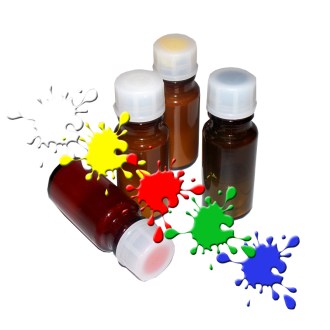
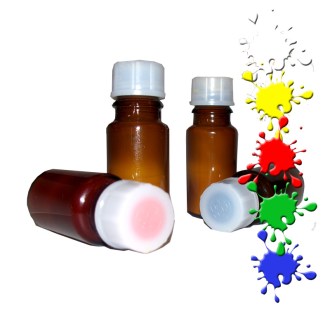
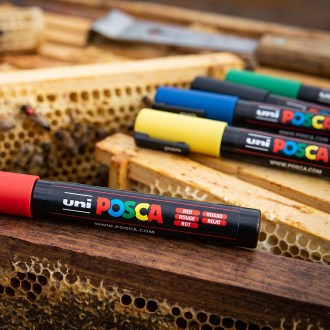
Marking Pens: Special non-toxic pens are ideal for marking queens. The color system follows an international code, making orientation easier – from blue to green – with each color representing the last digit of the queen’s birth year.
-
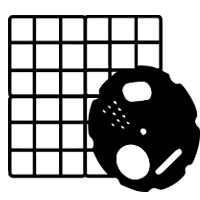
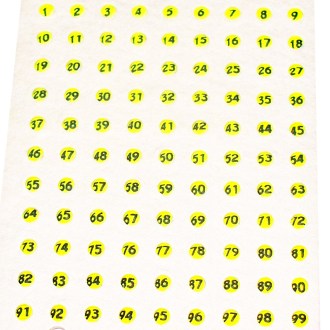
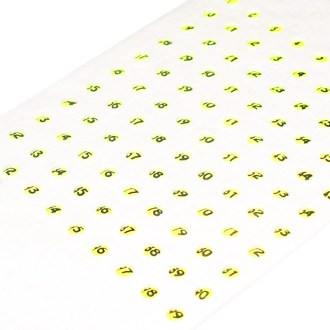
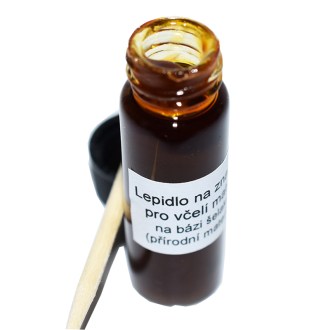
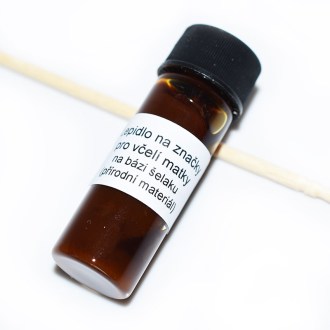
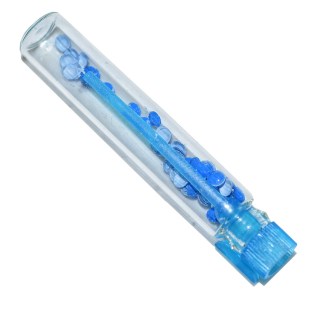
Adhesives for Opal Identification Tags: Used to attach small identification discs. These colored tags can also include numbers, allowing for individual tracking. Their bright colors and reflective surfaces make locating and identifying queens much easier.
-
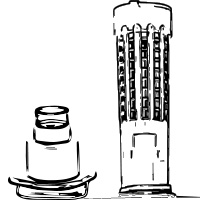
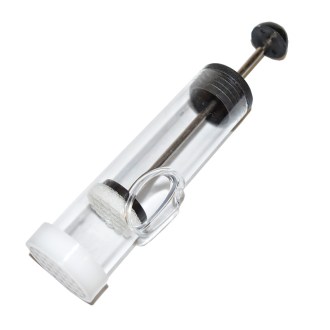
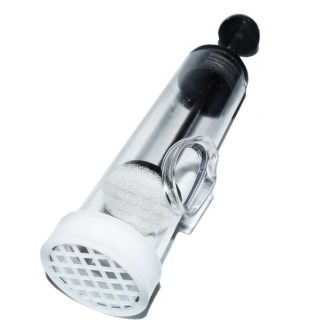
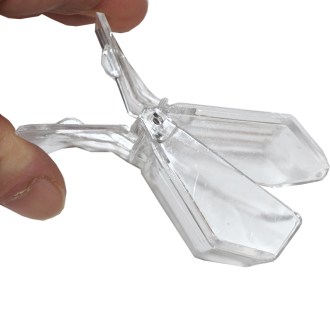
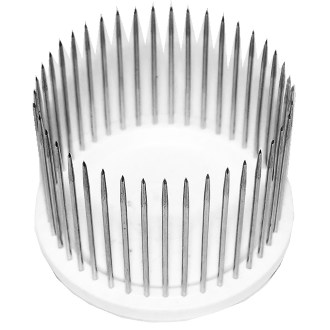
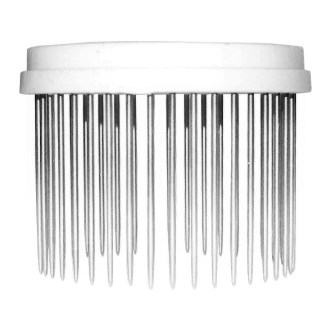
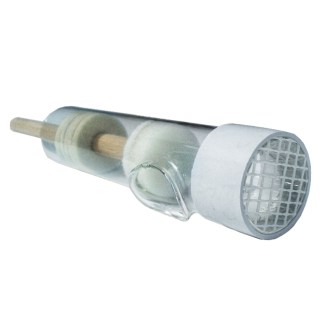
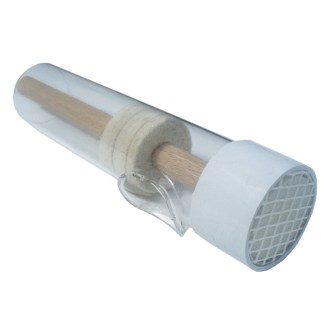
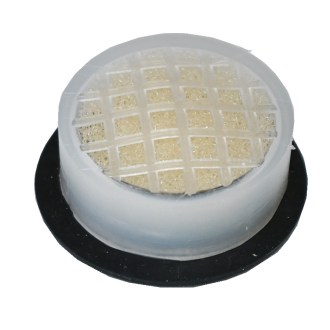
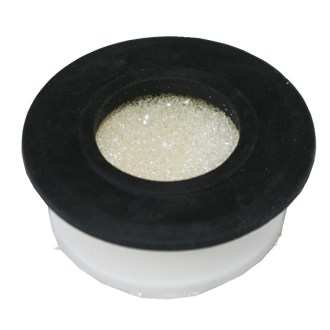
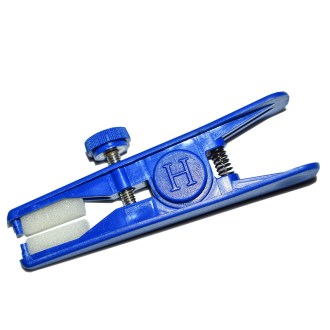
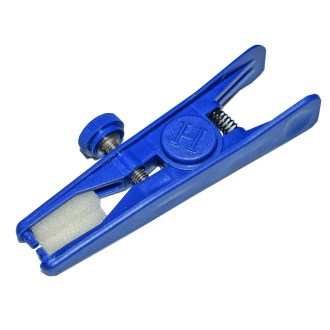
Queen Catchers and Marking Aids: Clips and cages provide a safe and secure environment for holding the queen temporarily during marking, ensuring additional protection.
-
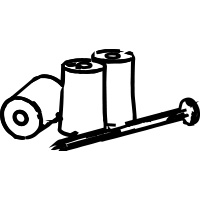
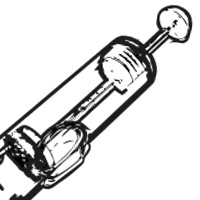
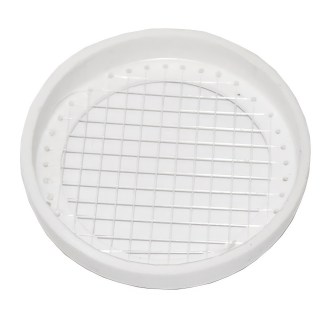
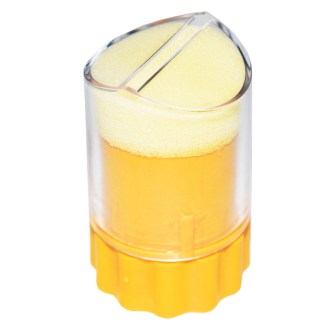
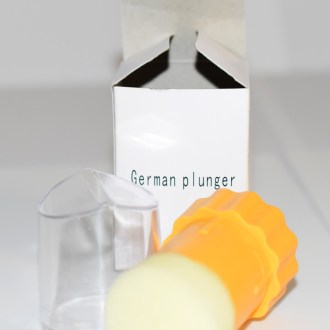
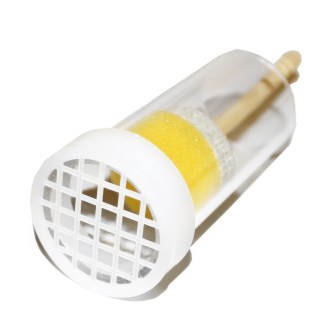
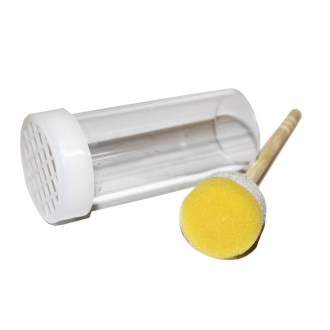
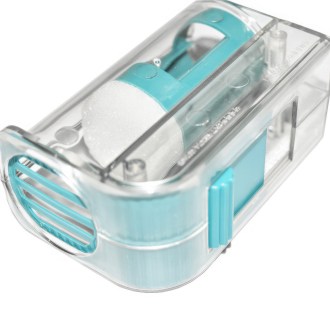
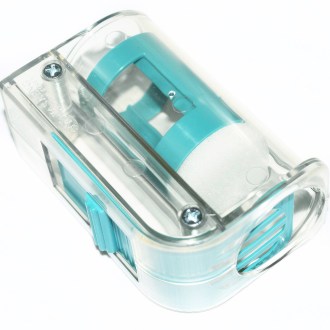
Marking Tubes and Push-Up Plungers: Convenient tools that allow precise and gentle marking without unnecessary stress or risk of injury to the queen.
Tips for Successful Queen Marking
Every good beekeeper knows that a steady hand and the right tools are key to successful marking. It’s important to follow the recognized color code to easily determine a queen’s age and to use only a minimal amount of adhesive when securing the identification tag.
The Importance of Consistent Queen Marking
Marking queens is not just a routine procedure—it’s an essential step in effective colony management. It allows quick determination of a queen’s age and helps optimize breeding programs. Our selection of products includes everything you need to support healthy, productive colonies that thrive throughout the beekeeping season. Explore our range and discover how our marking tools can enhance your beekeeping practices.
Marking Honey Bee Queens: A Must for Every Beekeeper
Beekeeping is much more than raising bees and collecting honey. One of the key elements of success is proper care for the queens. These central figures of the hive ensure brood production and maintain colony harmony. The ability to quickly and effectively identify a queen is therefore essential—especially during the high season.
Color Rules and Year Coding
The color coding system based on the last digit of the year makes it easier to remember. For example:
White: years ending in 1 or 6 (2021, 2026)
Yellow: 2 or 7 (2022, 2027)
Red: 3 or 8 (2023, 2028)
Green: 4 or 9 (2024, 2029)
Blue: 5 or 0 (2025, 2030)
As a simple memory aid, you can use the phrase “Will You Raise Good Bees?” or come up with your own mnemonic for recalling the sequence.
How to Mark Queens Correctly
Queen marking can be done using special marking paints or opal tags. When using paint, make sure the marking color is acetone-based and quick-drying. Hold the queen carefully—preferably by her thorax between your thumb and forefinger—never by the abdomen, which contains delicate organs.
If you choose opal tags, apply a small amount of a suitable adhesive such as craft glue (e.g., Hercules-type) to the thoracic hairs and gently press on the tag. After a few seconds, once the glue has dried, the queen can be safely returned to the hive. Avoid using too much glue or paint, as this could interfere with the queen’s natural behavior or acceptance by the colony.
Be Aware of Potential Risks
Young queens are lighter and more likely to fly off. Therefore, marking should be done in an enclosed space—such as a vehicle, trailer, or under a bee veil—to minimize the risk of losing them. Tools like queen catchers or clip cages can be very helpful for this task.
Queen marking should never be underestimated, as it’s one of the key techniques in efficient beekeeping. Consistent marking provides beekeepers with greater control over the colony’s genetics, health, and productivity. By following proper marking principles, stress and potential issues with queens are minimized, ensuring a smooth and successful beekeeping season.