Beekeeping protective gloves
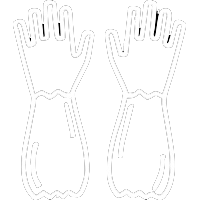
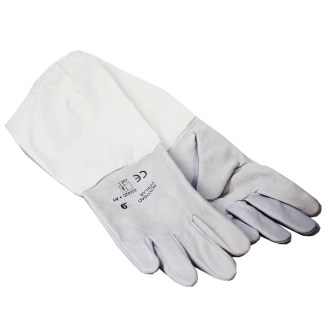
Beekeeping Gloves are essential for any beekeeper who works with aggressive colonies or has an allergy to bee stings. The gloves we offer are made from durable materials that ensure long service life and come in a wide range of sizes, so every beekeeper can choose the most suitable type for their needs. Soft leather gloves are particularly popular because they provide comfort during work, allow excellent tactile sensitivity, and protect you from bee stings. Our selection includes gloves made from several types of genuine leather. If you are unsure which size to choose, simply measure the width of your hand at the area where the palm meets the fingers. For example, if you measure 10 cm, select size 10. We also offer gloves with special ventilation for optimal air circulation.
Quality Beekeeping Gloves
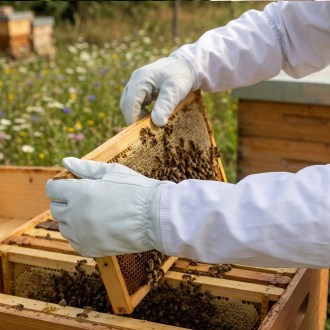
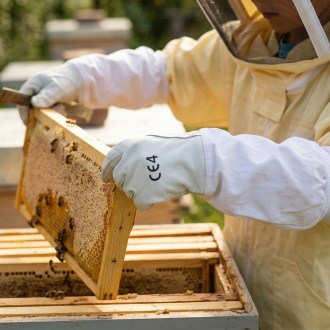
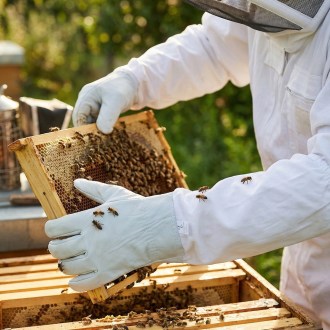
If you work with more aggressive bee breeds or are allergic to their stings, gloves are an essential part of your beekeeping equipment. They protect the beekeeper not only from stings but also from sticky substances like honey or propolis. Every beekeeper should have at least one reliable pair of gloves. We offer various models made from premium leather and rubber, featuring long cuffs that prevent bees from entering the gloves or clothing. Investing in quality beekeeping gloves ensures protection from unpleasant reactions to bee contact. Gloves are not only a safety measure but also a practical tool for maintaining hygiene during hive inspections.
Beekeeping Gloves in Different Materials
We offer a wide range of beekeeping gloves to meet different needs and preferences:
-
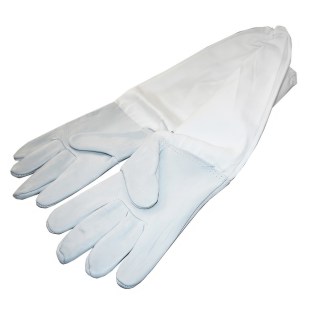
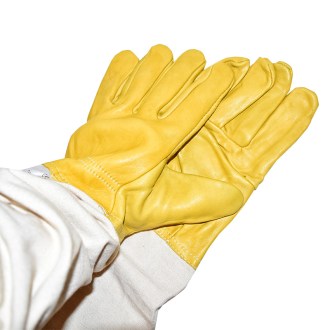
Leather gloves: Made from soft leather, providing comfort and protection against stings. Ideal for use in the apiary as well as for removing wasp or hornet nests.
-
Rubber gloves: Basic models combine plastic with cotton fabric for better airflow. We also offer chemical-resistant rubber gloves suitable for working with acids.
-
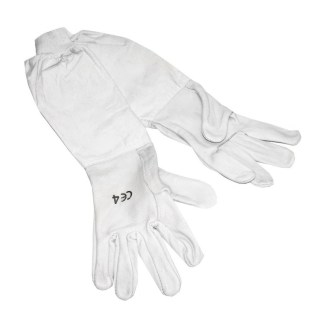
Cloth gloves: The most breathable model, perfect for warmer seasons while still offering reliable protection against stings.
Adjust the Gloves to Your Needs
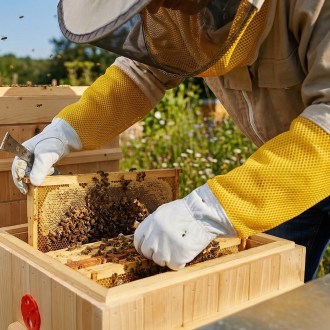
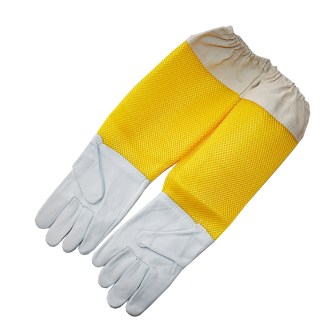
You can choose between short and long gloves. Short gloves are practical for everyday tasks, while longer models extending beyond the wrist offer more complete skin protection. Many designs feature adjustable straps or Velcro closures for a better fit. Some gloves also include ventilation panels for improved airflow. Gloves are a vital part of a beekeeper’s protective clothing, ensuring maximum safety and comfort.
Which Gloves Are Best for You?
If you’re unsure which gloves to choose, we’ll be happy to help you select the right pair. Let’s take a look at the benefits of each type:
-
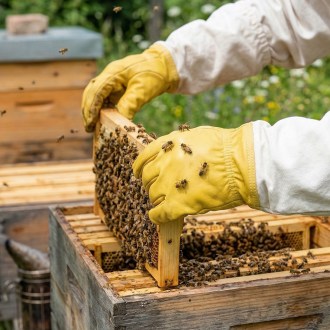
Leather gloves: Made from high-quality leather, they provide comfort and protection. Over time, they naturally adapt to the shape of your hand.
-
Rubber gloves: Ideal for work in damp conditions and provide great sting protection.
-
Ventilated gloves: We also offer models with built-in ventilation elements for improved comfort.
If you’re not sure which size to choose, we can guide you. Measure your palm’s width across the knuckles and refer to our size chart for an accurate fit.
Comfort
Choosing the right glove size is important. Loose gloves can make handling difficult and cause discomfort. The ideal pair fits snugly while allowing precise movement, such as when handling the queen. Well-fitted nitrile gloves of 6 mil thickness provide excellent durability and flexibility, ensuring sensitivity and precision. Keep in mind, however, that hands may sweat during extended use.
Material and Preferences
There are several material options available. Leather gloves—usually made from cow or goat leather—provide strong protection but less sensitivity. Goat leather offers a balanced compromise between protection and dexterity. Nitrile gloves deliver outstanding tactile sensitivity and remain a favorite for their thin, flexible design.
Working Towards Gloveless Beekeeping
Many beekeepers gradually work towards handling bees without gloves for maximum dexterity and natural control. The transition often goes through several stages, with nitrile gloves serving as the most popular intermediate step. They provide some protection while allowing the beekeeper to get used to the sensation of working bare-handed. Even if you eventually choose to work without gloves, it’s always wise to keep a pair on hand, especially when dealing with defensive colonies.
The choice of gloves is always a personal decision. It’s important for each beekeeper to find the right balance between protection and comfort to handle bees with confidence and calm. No matter which type of glove you choose, make sure it allows you to work comfortably and enjoy the experience of beekeeping.
Why Wear Gloves?
Gloves protect the beekeeper from three main aspects during hive inspections:
Honey – a sticky substance that’s easily removable.
Propolis – a more stubborn, resinous material that tends to get everywhere.
Bee stings – bees can sting, which is never pleasant.
Surprisingly, sting protection isn’t the only reason to wear gloves. The right type of glove also ensures enough dexterity and sensitivity when handling frames and bees inside the hive.
Types of Beekeeping Gloves
1. Heavy leather gloves
Made from thick leather, these gloves provide excellent protection against stings. However, they reduce dexterity, which can accidentally injure bees and trigger defensive behavior.
2. Thinner leather gloves (e.g., goat leather)
They offer better tactile sensitivity while still providing decent sting resistance. Excellent for general hive work but wear out faster than heavy leather models.
3. Nitrile and latex gloves
These gloves are popular for their high sensitivity and flexibility. Thin yet strong, they let you feel subtle vibrations in the hive, such as when bees become agitated. Bees can technically sting through them, but they tend to react less aggressively to these materials than to leather. Because they are disposable, however, they create more waste.
Advantages and Disadvantages of Different Glove Types
Advantages of Nitrile and Latex Gloves:
Cleanliness: Easy to clean with minimal risk of spreading contamination between hives.
Sensitivity and dexterity: Allow precise handling of bee frames and equipment.
Easy maintenance: Can simply be rinsed with water after use.
Disadvantages of Nitrile and Latex Gloves:
Waste: Single-use gloves generate more waste.
Sweating: Limited breathability can cause discomfort during longer tasks.
Exposed wrists: Short cuffs may leave parts of the wrist uncovered when bending.
How to Avoid Stings While Working
A combination of thin gloves, calm bees, and gentle handling is the ideal way to reduce stress for both beekeeper and colony, minimizing the risk of stings. Every beekeeper should choose gloves that feel comfortable and match their working style, ensuring smooth hive inspections without agitating the bees.
With today’s wide range of beekeeping gloves, every beekeeper can find a pair that perfectly suits their needs and work preferences—turning regular hive checks into an enjoyable and efficient activity.