Plastic tanks for honey
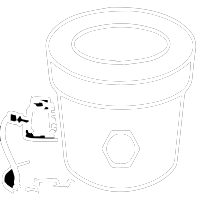
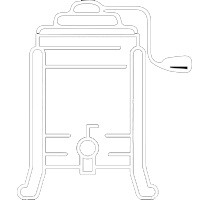
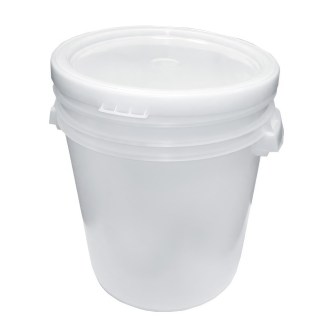
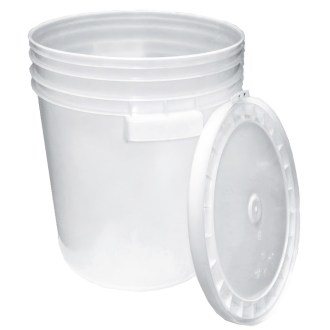
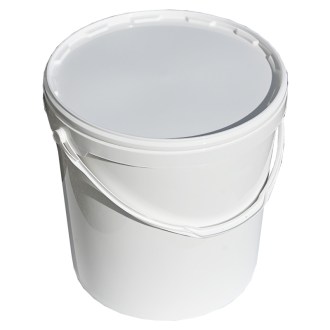
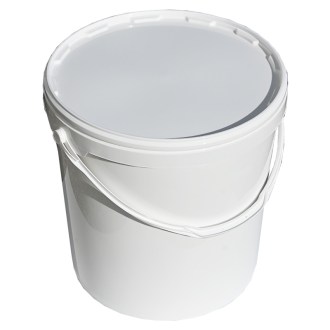
Plastic honey tanks are a popular and cost-effective option. They are made from the highest quality food-grade plastics and are safe for contact with food. These honey tanks are lightweight and durable. Proper storage of honey significantly affects its quality. Honey should be kept in tightly sealed tanks, away from direct sunlight, and at room temperature or lower. In addition to the tanks themselves, we also offer a range of accessories that make honey storage even easier. These tanks and buckets come in a wide variety of volumes, and thanks to their affordability, they are a popular choice among beekeepers. Their airtight and secure lids make them ideal for storing honey. Buckets and pails can be used not only during honey extraction but also for many other purposes in beekeeping.








Plastic Containers and Packaging for Honey
Plastic containers are a proven and practical solution for everyday work with bee honey. They are lightweight, durable, and easy to handle, which you will appreciate during filling, storage, and direct sale. In this category, you will find plastic honey containers in a wide range of sizes – from small jars for end customers to large-capacity buckets suitable for the honey house. All products are intended for food contact and meet the requirements of modern beekeeping.
Why Choose Plastic Containers for Honey
Although glass jars are a classic choice, high-quality food-grade plastic offers many practical advantages. The materials used, most commonly polypropylene (PP), are safe for health, do not affect the taste or aroma of honey, and are suitable for long-term contact with this sensitive food. Plastic packaging also significantly simplifies handling when working with larger volumes and during transport.
Main Advantages of Plastic Packaging
-
Low weight – easy handling during filling and carrying full containers.
-
Impact resistance – an ideal solution for shipping honey and selling at markets.
-
Good stackability – stackable containers save space in storage and in the apiary.
-
Reliable lids – protect honey from moisture and contamination.
-
Excellent price/performance ratio – a practical choice for small and larger operations.
Plastic Containers by Type of Use
Large-Capacity Buckets and Storage Containers
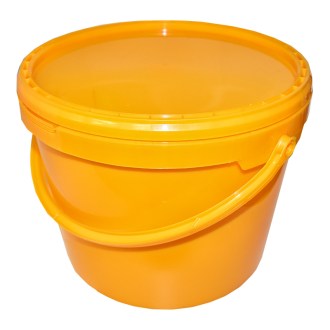
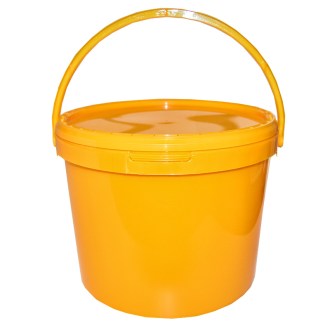
Immediately after extraction, honey needs to be safely stored and protected from moisture. Plastic buckets with lids are ideal for both short-term and long-term storage, as well as for selling honey in larger quantities, for example to confectioneries or bakeries. The available volumes range approximately from 1 kg up to 40 kg. Sturdy handles make handling easier, and the conical shape allows empty containers to be nested inside each other.
Plastic Packaging for Direct Honey Sales
For farm-gate sales, markets, or online shops, smaller plastic containers are suitable, combining practicality with a clean appearance. Transparent plastic allows customers to clearly see the color and consistency of the honey, similar to glass but without the risk of breakage. The most commonly used sizes are 250 g, 500 g, and 1 kg.
Practical tip: Plastic dispensing containers shaped like a honey bear are especially popular with families with children. They allow precise and clean dosing without dripping.
Sample Containers and Tasting Cups
Smaller plastic cups are ideal for tastings, gift sets, or presenting honey to potential customers. They are also suitable as samples of different honey flows – rapeseed, acacia, linden, or forest honey.
Safety, Certification, and Materials
All containers in this category are made from plastics intended for food contact and comply with applicable European Union standards. When used correctly, they are also suitable for repeated use.
-
Free from BPA and other undesirable substances.
-
Resistant to acids naturally present in honey.
-
Suitable for storing both liquid and creamed (set) honey.
-
Withstand temperatures required for gentle liquefaction (according to the specification of the specific product).
Working with Honey in Plastic Containers
When filling honey, always pay attention to the cleanliness of the working environment and the containers themselves. Plastic packaging must be dry and free of water residues, as moisture can negatively affect honey quality. After filling, close the container immediately and store it in a dry, dark place at a stable temperature.
Useful Tips from the Honey House
-
Clean containers and lids – store them protected from dust.
-
Filling allowance – do not fill containers completely to the rim.
-
Batch labeling – makes it easier to track individual honey flows.
-
Stable conditions – protect honey from sunlight and temperature fluctuations.
Plastic or Glass? A Practical Comparison
Glass looks traditional and elegant, while plastic offers greater durability and more convenient handling. Plastic containers are ideal for larger volumes, honey transport, mail-order sales, and operations where honey is frequently filled and transferred. In many cases, they represent an efficient and safe alternative to glass.
Frequently Asked Questions
Can honey be liquefied in plastic containers?
Yes, high-quality polypropylene containers are suitable for honey liquefaction in thermal boxes or warming cabinets; however, always follow the manufacturer’s maximum recommended temperature.
How long can honey be stored in plastic containers?
When stored correctly, honey keeps just as long in plastic containers as it does in glass. The key factors are tight sealing and protection from moisture.
How to Choose the Right Container Size?
Keep in mind that 1 kg of honey corresponds to a volume of approximately 0.7 liters. For 1 kg of honey, therefore choose containers with a capacity of about 720–750 ml. Select the packaging according to your method of sale and the quantities you typically handle.