Drip-proof lids for bottles
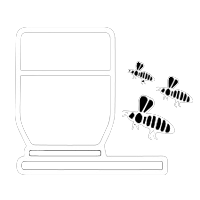
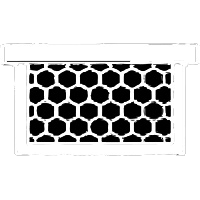
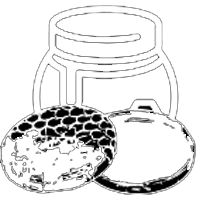
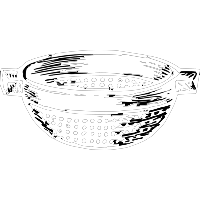
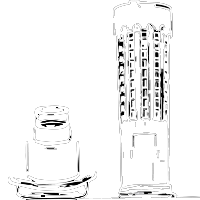
Drip-proof lids for bottle feeding with jars are a traditional feeding method that has been used for decades in beekeeping. For example, jars with a capacity of 3.5 L can be used. The jars are filled with a sugar syrup in a 3:2 ratio (sugar to water), making sure that the sugar is thoroughly dissolved. Drip-proof lids with 16 or 80 holes are fitted onto the jars, controlling the feeding rate to about 2 bees per hole. Each jar should be placed upside down on a tray beneath the drip-proof cap, which is set on a feeding partition. This allows for feeding from up to 4 jars at once and can provide approximately 14 L of syrup in one feeding. For this feeding method, it is necessary to have a spare hive body (super).
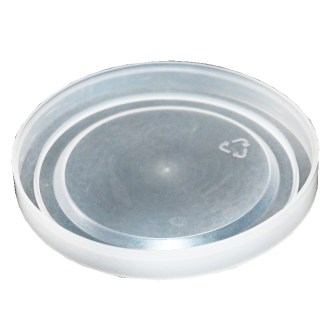
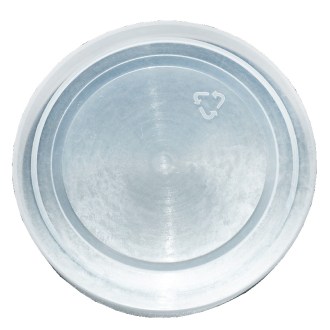
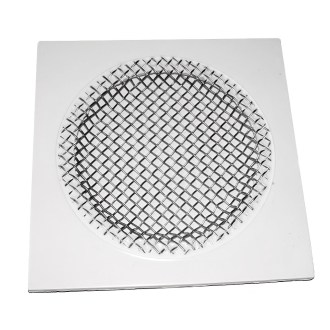
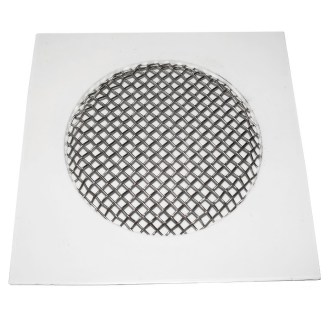
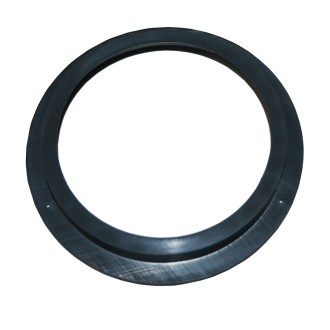
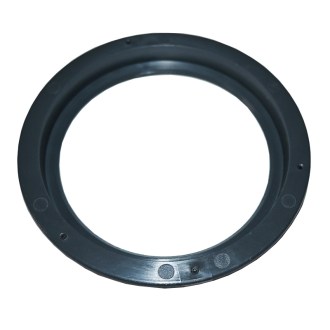
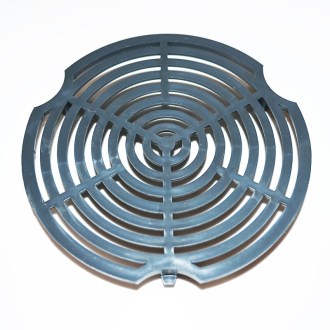
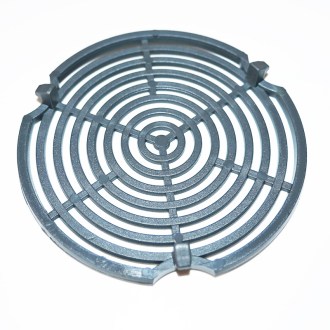
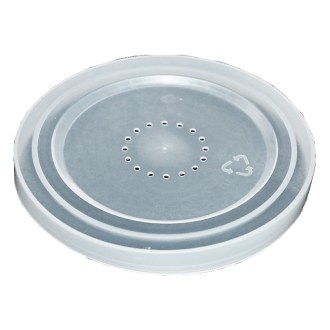
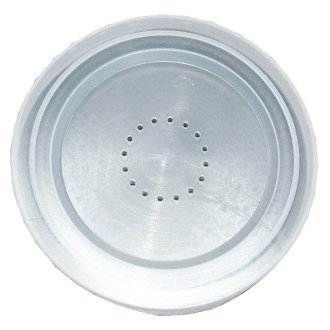
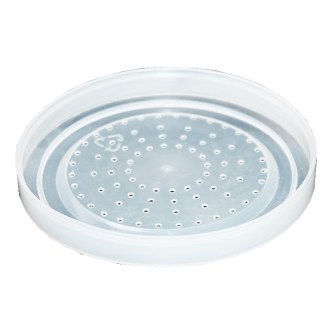
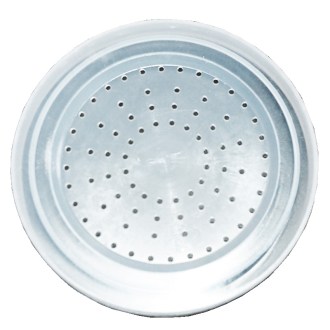
Drip‑feed Lids for Feeding Jars
Drip‑feed lids for feeding jars provide an efficient and affordable method to supply bee colonies with sugar syrup throughout the season. This simple system works on the principle of negative pressure — the syrup remains safely enclosed in the jar while bees can easily access it through small holes in the lid. As a result, feeding is clean, waste‑free, and minimizes the risk of robbing or fighting between colonies.
How Drip‑feed Lids Work
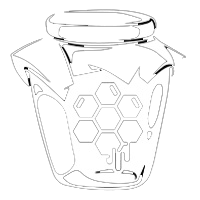
Using drip‑feed lids is very easy. A jar filled with sugar or inverted syrup is sealed with the lid and turned upside down. The created vacuum prevents uncontrolled leaking while allowing bees to draw syrup through the holes as needed. The jar is placed directly above the frames, over the crown board opening, or on a feeder stand inside the hive. Thanks to the transparent glass, the beekeeper can easily check the remaining syrup level without disturbing the bees.
Advantages of Drip‑feed Lids
-
Easy handling: No complicated preparation or special tools required.
-
Bee safety: Minimizes the risk of bees drowning in the syrup.
-
Clean feeding: No spillage or attraction of foreign bees that could lead to robbing.
-
Cost‑effective: Designed for use with ordinary jars that most beekeepers already own.
-
Instant control: Transparent jars make it easy to monitor feed consumption.
Materials and Design
Drip‑feed lids are made from high‑quality, food‑grade plastic. This material ensures long service life, easy cleaning, and resistance to moisture and the mildly acidic environment of sugar syrups. The feeding holes are precisely sized to allow bees to collect the syrup efficiently while preventing free flow or leakage.
Compatibility with Jars
The lids fit standard canning or honey jars with thread sizes TO 100 or TO 82. They are therefore compatible with widely available jars ranging from 720 ml up to 4 litres. This variety allows easy adaptation to the number of colonies and the chosen feeding method.
Types of Lids and Their Applications
Stimulative (Spring) Lids
These lids have fewer and smaller holes (typically 16–25), providing a slower syrup supply. This mimics a weak nectar flow and is mainly used for spring stimulation and encouraging the queen to lay eggs. The syrup is not stored as reserves but consumed directly by bees for brood rearing.
Feeding (Autumn) Lids
Feeding lids have a larger number of openings (often 80 or more), allowing faster syrup consumption. They are ideal for replenishing winter stores in autumn when bees need to process larger quantities of syrup in a short time.
Seasonal Use
-
Spring – stimulation of colony growth and brood expansion.
-
Summer – supplementing stores in nucleus colonies or weakened hives.
-
Autumn – main feeding period for winter preparation.
-
During nectar dearth – short‑term emergency feeding when forage is scarce.
How to Use Drip‑feed Lids Correctly
-
Fill the jar with prepared sugar syrup (e.g. 3:2 or 1:1 ratio) or ready‑made inverted feed.
-
Tightly screw on the drip‑feed lid.
-
Carefully turn the jar upside down — once the vacuum forms, the syrup will stop flowing.
-
Place the jar on a feeder board or over the hive opening to allow easy access for the bees.
-
Insulate or cover the setup to prevent heat loss from the hive.
Tip: Keep multiple lid types on hand — lids with fewer holes for spring stimulation and lids with more holes for autumn feeding. This ensures smooth feeding throughout the season and consistent nutrition for your colonies.