Honey Plants
Honey plants serve as a vital source of food for bees and are essential for honey production. However, in some areas, bees struggle to find enough nourishment because human activities are destroying various types of plants. This not only reduces the amount of honey but can also lead to the decline of bee populations. By planting nectar-rich plants, you can help support bee colonies and increase your honey yields. These plants can be sown in your garden, on private land, or across larger plots. By doing so, you'll provide bees with more plentiful and higher-quality food, which in turn can result in greater honey output. We offer seeds of both annual and perennial honey plants, with varying levels of cultivation difficulty.





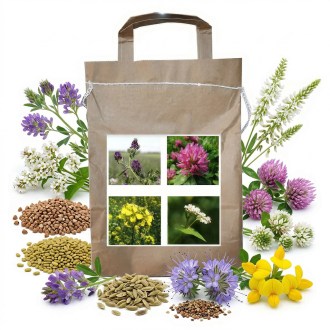



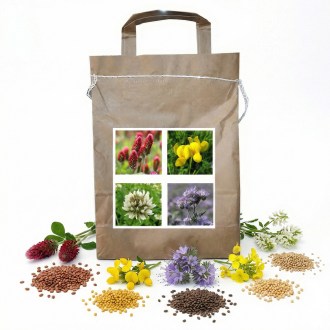




Honey Plants – The Hidden Gem of Every Garden
Honey plants are essential to the survival and flourishing of bee colonies. Sadly, today’s rapid decline in biodiversity and increased pesticide pollution have a negative impact on honey production and bee health. Despite this, you can take action to reverse this trend and boost your beekeeping success – simply by cultivating plants that support pollinators.
Growing nectar-rich plants is not only about supporting bees and enhancing honey yields; it also helps increase local plant diversity and improves the overall environment. By carefully choosing which species to plant, you can influence both the taste profile of your honey and enrich your region with a variety of plants and insect pollinators. Consider investing in seeds and contribute to a more sustainable ecological future in your community.
Honey plants are vital for the nourishment of bees and other pollinators, and at the same time, they can be a beautiful addition to your yard or even a balcony. Cultivating them fosters ecological balance, yielding benefits for the environment and rewarding you directly with aromatic blossoms and the potential harvest of beekeeping products.
Do you know what each flowering plant brings to your bees? So-called "honey plants" are key to bee nutrition. They supply bees with pollen, nectar, and valuable resin for making propolis. Common pollen-rich trees include willows, maples, apples, pears, cherries, and roses. Among herbs, examples include adonis, mullein, and cornflower.
When it comes to nectar, some plants are veritable treasures. Nectar-providing species include willow, blackthorn, raspberry, along with herbs like lavender, mint, and oregano. For resin useful in propolis production, trees such as pine, spruce, and fir play an important role.
Gardeners around the globe treasure honey plants not just for looks. These blooms are crucial to the pollination of over 80% of cultivated crops in our gardens. Even a small rock garden can be a lifeline for bees in early spring, long before fruit trees blossom.
Benefits of Planting Honey Plants
Enriched Food Source for Bees
By planting a variety of nectar and pollen-producing plants, you provide bees with diverse nutrition that supports their vitality and well-being. A continuous bloom throughout the season extends food availability and results in increased honey production.
Enhancing Biodiversity and Ecosystem Health
Cultivating these species supports not only bees but also other important pollinators, raising the biodiversity of your garden or local landscape and promoting a more resilient ecosystem.
Medicinal and Culinary Advantages
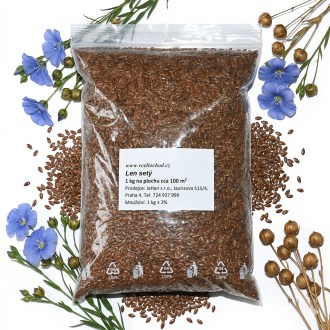
Many honey plants, such as milk thistle or common flax, are known for their health-promoting properties. Milk thistle supports liver function, while flaxseed is packed with omega-3 fatty acids and fiber.
Noteworthy Honey Plants for Beekeeping
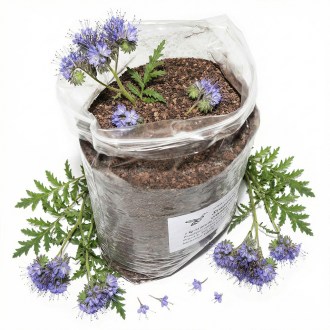
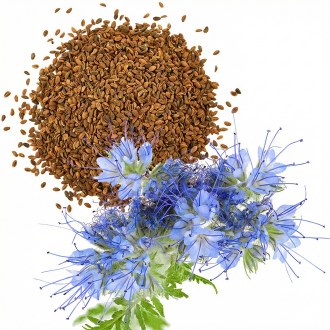
Lacy Phacelia
This annual from California can reach a height of 80 cm and is adorned with beautiful lavender-blue blossoms that are irresistible to bees.
It is especially suitable for higher altitudes and blooms rapidly, meaning it becomes an excellent seasonal food resource for pollinators.
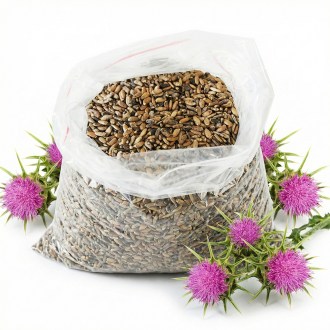
Milk Thistle
A robust perennial highly regarded for its liver-protecting benefits. Sporting vivid purple flowers and growing up to 1.5 meters, it makes a striking statement in any garden.
Its easy cultivation and tough character make it ideal for dry, sunny sites.
Common Flax
Historically significant and bearing delicate blue flowers, flax is valued for providing both nectar and pollen to bees and nutritious seeds for people.
This annual thrives best in well-drained moist soils, especially in upland regions.
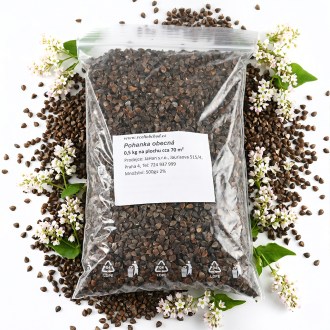
Buckwheat
Easy to grow but susceptible to late frost, buckwheat has a rapid lifecycle and becomes especially important late in summer, when other pollen sources may be scarce.
Its blossoms keep bees active when few other resources are available, and buckwheat honey is prized for its unique flavor.
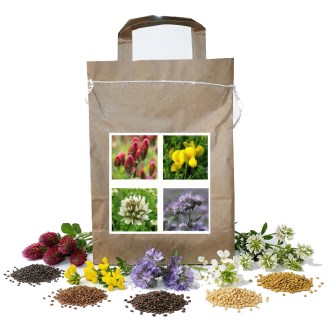
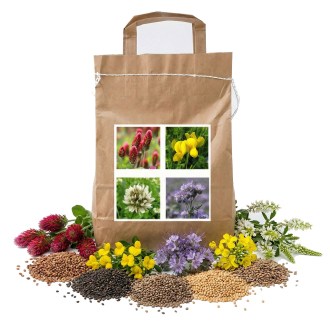
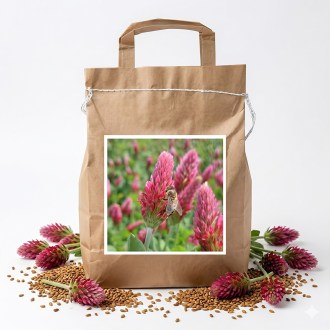
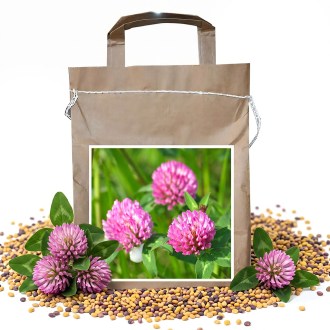
Crimson Clover
Reaching up to 50 cm tall, this clover is an excellent green manure and offers both nectar and a modest morning pollen supply to visiting bees.
Harvesting nectar from clover can directly shape the character of your honey harvest.
Why Grow Honey Plants?
Honey plants add color and delightful fragrances to any garden or balcony. Many also bring culinary or medicinal value – such as mint, sage, and thyme, which can be used both in the kitchen and in natural remedies.
Top Recommended Plants for Bees
Lavender – Easy to grow, perfect for gardens and balconies, and a powerful attractant for bees and garden lovers alike.
Herbs and Spices – Mint, oregano, and basil are just a few herbs that invite beneficial insects and have uses spanning from cuisine to home wellness.
Roses – Every garden’s jewel, their fragrant blooms entice pollinators.
Annual, Biennial, and Perennial Ornamental Flowers – Marigolds, cornflowers, lemon balm, and crocuses all add visual interest and nurture bees with food.
Honey Trees – Lindens, maples, and black locusts are outstanding options for those with added space.
Why Cultivating Honey Plants Matters
By growing bee-friendly flora, you help safeguard bee populations key to pollinating most crops. With habitat loss, pollution, and climate change threatening bees worldwide, planting these species is a simple step anyone can take to make a real difference.
Boosted bee numbers support better crop yields and help maintain the ecological balance all life depends on.
How to Grow Honey Plants
Caring for honey plants is similar to cultivating any other type of garden bed: they need good drainage, suitable placement, and regular attention such as watering or fertilization. Choose varieties suited to your skills and garden conditions; many robust species are perfect for beginners.
Can You Keep Bees on a Balcony?
Urban beekeeping on balconies is possible, but always check local regulations and prioritize safety. Consider installing insect hotels for solitary bees as a more suitable option in city environments.
Three Main Types of Honey Plants
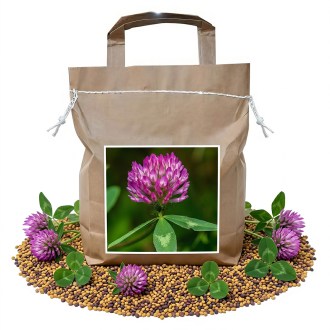
Nectar Sources – These offer sugar-rich nectar vital for bees’ energy needs. Key examples include raspberry, apple, lavender, and clover.
Pollen Providers – Offering protein, vitamins, and minerals, candidates here are willow, pear, linden, borage, and poppy.
Plants hosting honeydew-producers – Some trees support the insects that create honeydew, a foundation for specialty forest honeys such as fir or spruce honey.
How to Attract Bees to Your Garden
You don’t need acres to attract bees; variety and seasonal coverage are crucial. After fruit trees bloom, plant annuals, perennials, or culinary herbs that flower from summer into fall. Even a small flower bed can become a wildlife haven for these industrious pollinators.
The Role of Beekeeping and Importance of Honey Plants
In our interconnected environment, the importance of honey plants cannot be overlooked. They are key to abundant honey output and stronger biodiversity. Their cultivation is increasingly relevant even in cities. Establishing flower meadows, wild strips or bee-friendly gardens is a simple path to supporting local ecosystems and attracting not only bees, but also bumblebees, butterflies, and other pollinators.