Fuel for a bee smoker
Discover our wide range of fuels for beekeeping smokers that help calm the colony effectively during your work. This essential beekeeping tool makes it easier to handle bee colonies when removing honeycomb frames and inspecting hives. Choosing the right fuel minimizes the risk of stings and supports smooth, uninterrupted work. Select from compressed wood shavings for easy ignition or natural herbal blends for a gentle aroma. Cardboard rolls, jute strips, and special mixtures with meadow flowers are also available. Alternative materials, such as solid or liquid alcohol, offer more options for experimentation. After each use, don’t forget to extinguish the smoker safely.
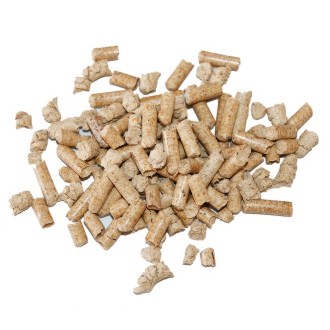
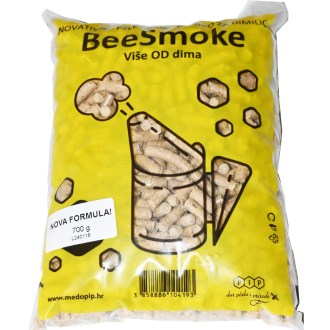
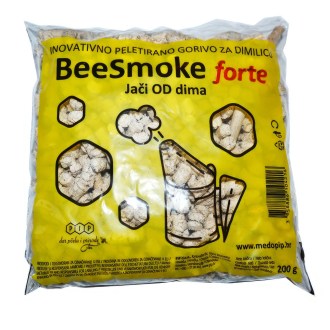




Bee Smoker Fuel
Explore a wide range of fuels designed to efficiently calm your bees. Smoke is an essential tool for every beekeeper, making it easier to work with colonies when removing honey frames or performing routine hive inspections. Choosing the right type of fuel helps soothe the bees, minimize the risk of stings, and support a smooth and safe workflow.
Selecting fuel for your smoker:
-
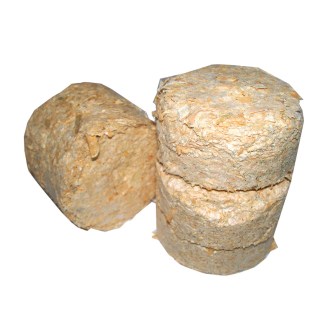
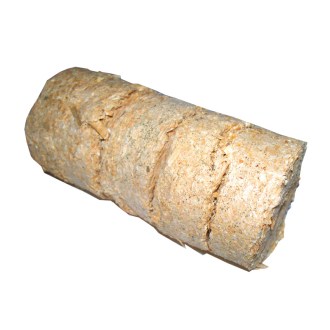
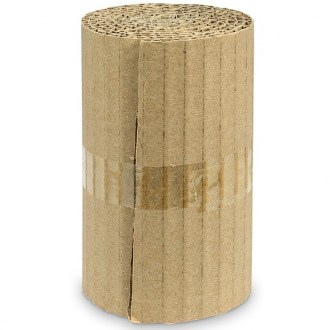
Compressed wood shavings – Practical rolls of compressed shavings are a popular choice among beekeepers. They offer easy handling and quick ignition, although they may slightly irritate the bees. Each roll measures 15×7 cm and weighs approximately 300 g.
-
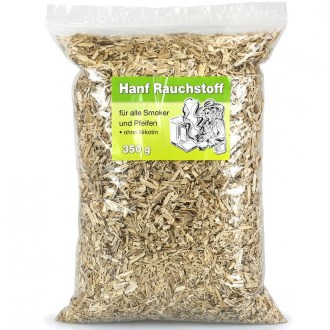
Tinder and wood shavings – Tinder, known as old decaying wood, is highly flammable but more difficult to light. Shavings, on the other hand, provide dense white smoke of steady intensity, which is often desirable.
-
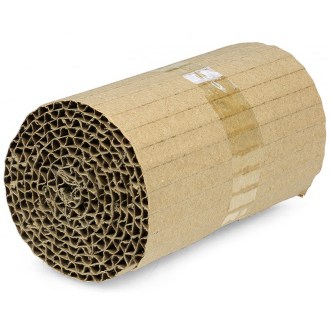
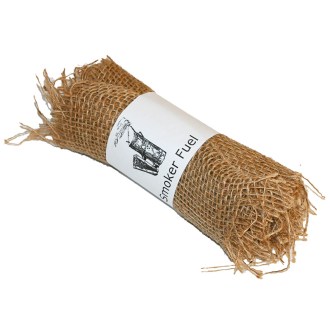
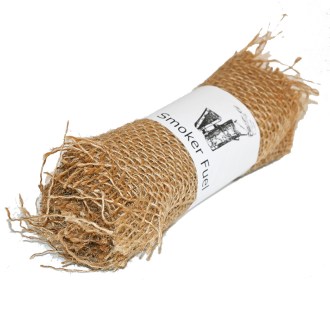
Cardboard and jute strips – These natural fuels are popular due to easy ignition and sufficiently long burn time. Cardboard rolls and jute strips fit perfectly into any smoker.
-
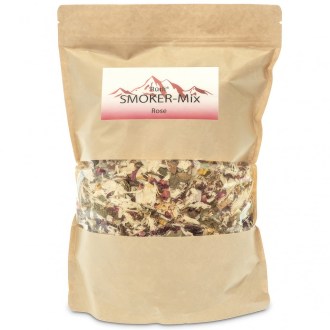
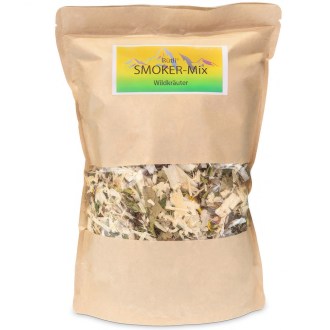
Special blends – For beekeepers looking for something unique, these blends include hand‑picked meadow flowers, herbs, birch shavings, or raspberry leaves. Mixtures such as chamomile, rose, or wild herbs create a calming, aromatic smoke.
-
Alternative materials – If you enjoy experimenting, various non‑natural fuels such as solid or liquid alcohol can be used.
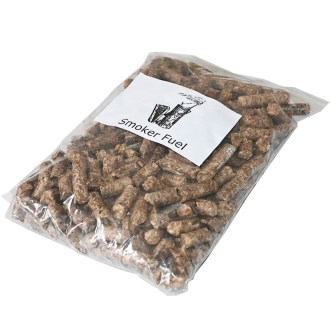
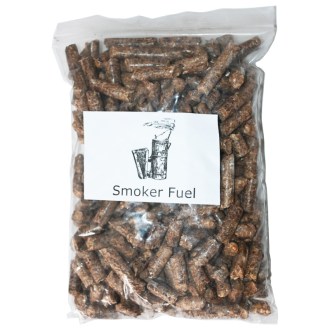
Each of these fuels offers different properties—from easy ignition to long burn duration—so you can choose what suits your needs. Whether you prefer the sweet scent of lavender granules or a natural herbal blend, our selection is designed to provide the best options for working with your bees.
Remember: Always extinguish your smoker safely after use to prevent accidents.
Beekeepers’ experiences with different types of fuels and their properties
Types of fuels and their characteristics
-
Egg cartons
-
Many beekeepers prefer egg cartons because they ignite easily and smolder for a long time. They leave no mess and are readily available at home. Thanks to their quick ignition and long smoking time, they are a popular option.
-
-
Tinder and shavings
-
Tinder is a traditional fuel that is harder to light but offers long and stable burning. When started with a small piece of egg carton, the smoker keeps smoldering for quite a while. Shavings produce dense white smoke and a well‑lit smoker does not go out.
-
-
Bracket fungi and natural additives
-
Bracket fungi are a popular natural fuel that smokes well and burns for a long time without irritating bees. Some beekeepers add fresh elder leaves or dried elder blossoms for their calming and pleasantly scented effect. The resulting smoke is cooler and often less irritating to the eyes.
-
-
Compressed wood shavings
-
Once very popular, although some experience suggests they may irritate bees. The compact packaging is easy to use, though slightly harder to ignite.
-
-
Alternative materials
-
Some beekeepers experiment with non‑natural materials such as solid or liquid alcohol. These have their supporters, but should be used with caution due to stronger smoke and possible chemical additives.
-
-
Corn cobs: Dry corn cobs create steady, long‑lasting smoke, though they require some tinder or paper to start.
-
Decayed willow or beech: Old rotting wood makes excellent fuel—its fibers burn slowly and provide pleasant smoke.
-
Dried elderflower: Traditionally believed to have calming effects on bees while adding a fresh scent.
-
Orange and mandarin peels: For extra fragrance without chemical additives, citrus peels add a pleasant aroma to the smoke.
-
Smoker wicks: These are widely available at beekeeping stores and work quickly and effectively, though they burn out faster.
-
Elder catkins and leaves: Adding a few fresh elder leaves or dried catkins can produce cooler smoke and create a calmer atmosphere in the hive.
-
Dry spruce needles provide an accessible option thanks to their availability and steady smoking. They have a gentle natural scent that is harmless to bees. Many experienced beekeepers recommend lighting small twigs or shavings first and then adding a layer of needles for consistent smoke throughout the inspection.
-
Pine cones are another common fuel with very good burning properties. They may produce more tar, but they perform reliably during long work sessions. They can be ignited using denatured alcohol.
-
Compressed straw briquettes are a more modern alternative offering high comfort. Cutting them into smaller pieces before placing them in the smoker makes ignition easier. This type of fuel requires a steady airflow to avoid producing overly strong smoke that could irritate bees.
Ratings and recommendations
-
Most beekeepers report positive experiences with egg cartons and bracket fungi. These fuels burn well and create pleasant smoke that does not disturb the bees.
-
Some recommend adding small natural extras, such as dried mandarin peel, which adds fragrance and may have a calming effect on the bees.
-
If you use your smoker regularly, always make sure to extinguish it safely after each use to prevent fire. Recommended methods include blocking the air intake or laying the smoker on its side until it goes out.
The right fuel can significantly influence the effectiveness of your smoker. Experiment with different types to find what works best for you, and always keep safety in mind. It is important to choose natural, safe options that are gentle on both bees and beekeepers. Beekeeping is not only a craft but also a practice of observation and respect for the nature and needs of this remarkable species.
Minimizing smoke – using water mist
Beekeeping without a smoker, using only gentle water misting, offers a way to keep bees calm during short interventions without lighting a smoker. Spraying the bees with a fine mist helps soothe them when you need to focus on delicate manipulations or quick inspections. Beekeepers using this method often report reduced irritation among the bees compared to traditional smoking.