Queen catching tools
We offer queen bee catchers and marking tools, which are an essential part of every beekeeper’s equipment. They are designed for gentle and safe catching and marking of the queen, so she can be easily identified during future work in the colony. You can choose from plastic, stainless steel, or glass versions – all are designed for easy handling and efficient work. Look for the queen on combs with eggs and larvae; she is larger and often accompanied by worker bees. After catching her, mark her with paint or a marking tag.



Queen Bee Catchers and Markers: Ensuring Safe and Convenient Queen Handling
One of the most important aspects of successful beekeeping is the proper marking and handling of queen bees. Our category of queen bee catchers and markers offers a wide range of tools and accessories designed to help you safely and easily capture and mark queens in your hive.
Marking and Catching Plungers
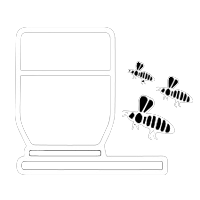
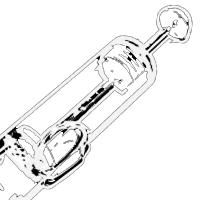
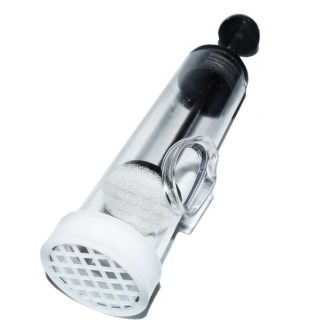
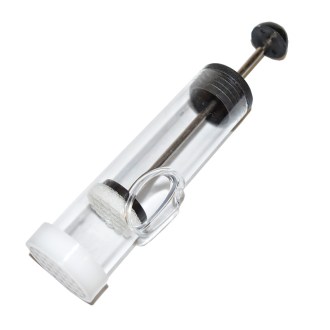
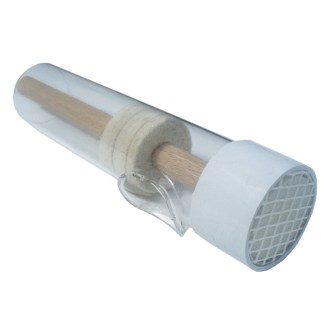
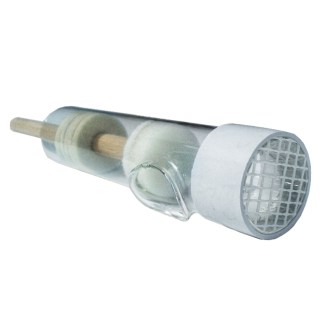
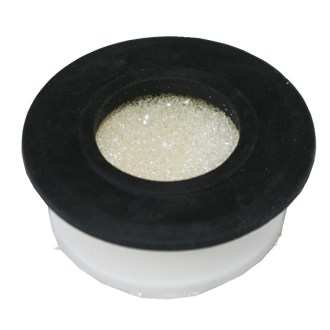
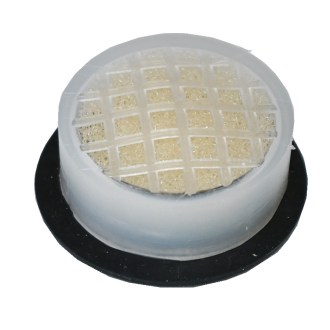
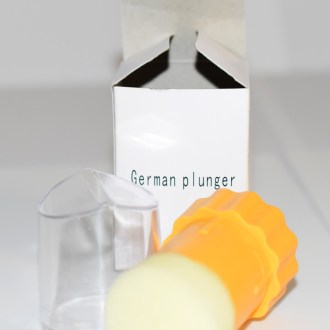
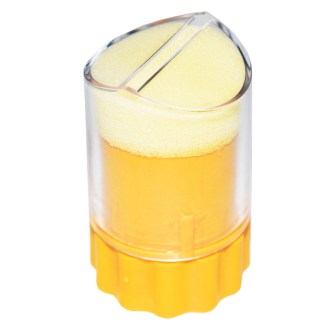
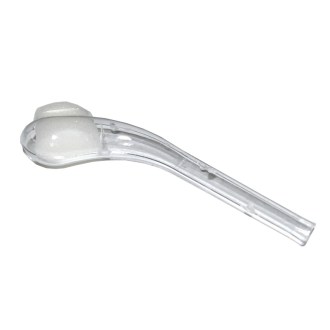
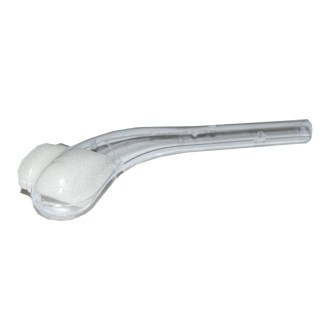
In our range, you'll find highly practical marking and catching plungers, available in plastic and glass versions. These plungers are essential for gentle queen capture and marking. Easy to use and effective, they enable you to catch and mark the queen so she can be identified at all times.
-
Plastic Marking Plunger: An affordable and efficient tool, suitable for all experience levels.
-
Glass Marking Plunger: A premium choice for those who value durability and elegance.
Queen Catchers
Ensuring safe queen capture without injury is essential. We offer several types of catching tools, including plastic, stainless steel, and galvanized grips, each with its unique advantages:
-
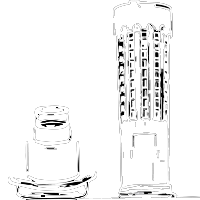
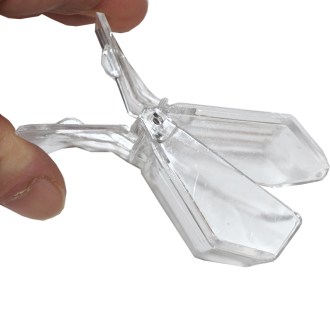
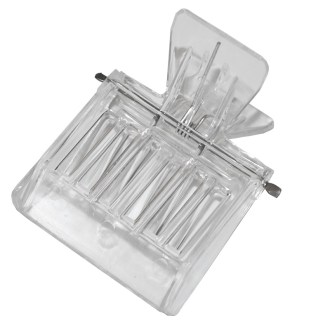
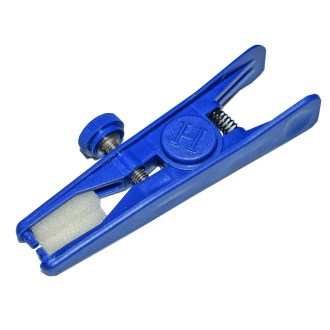
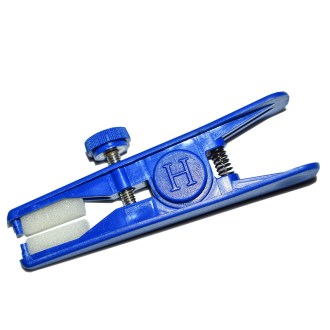
Plastic Queen Catcher - Grip: Lightweight and easy to handle, ideal for beginners.
-
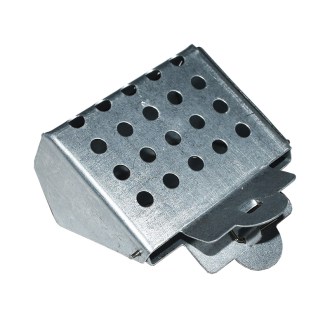
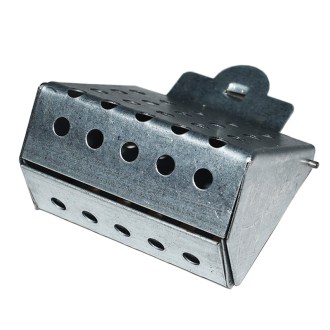
Stainless Steel Queen Catcher - PROFI Grip: A highly durable and professional tool for experienced beekeepers.
-
Galvanized Queen Catcher - Grip: An economical but effective option for safe queen handling.
Queen Marking Tools
Marking the queen is essential for her identification. We offer various tools that make the marking process simple and efficient:
-
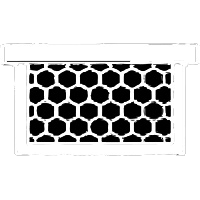
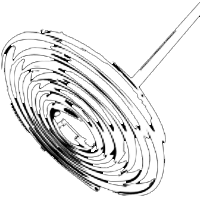
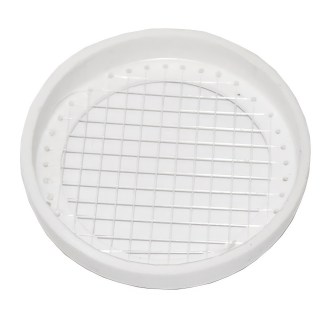
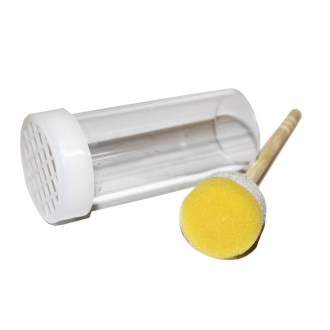
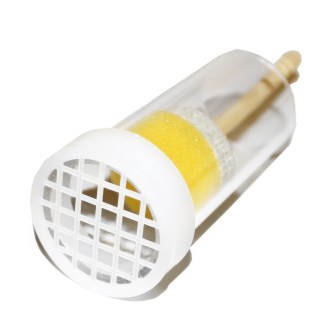
Queen Marking Net: Allows easy differentiation of mated and unmated queens using colors, symbols, or numbers.
-
Marking Pen – Pro Yellow: A popular choice among professionals for its practicality.
-
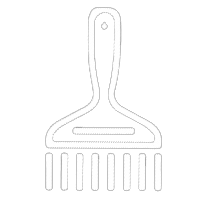
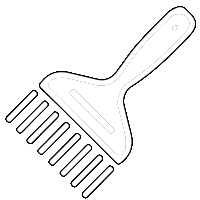
Queen Marking Grip: Practical tool ensuring a secure hold of the queen during the marking process.
-
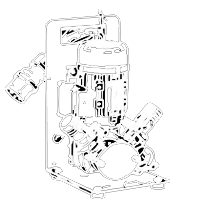
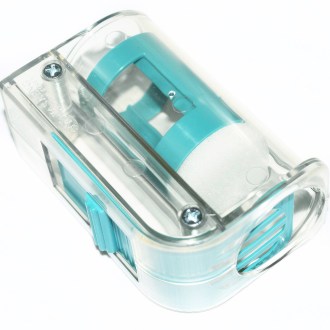
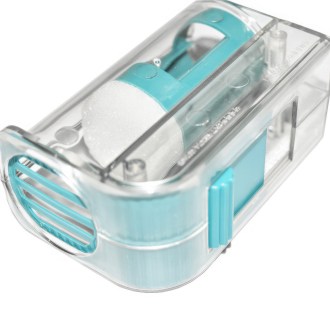
Professional Queen Marking Device: A high-quality solution for beekeepers looking to invest in top-level marking equipment.
Choose Quality for Your Bees
In our diverse selection of queen catchers and marking tools, you’ll find the right solution for your needs and experience level. Guarantee the safety and comfort of your hive with our premium tools. With careful selection, you’ll help your bee population thrive and contribute to a healthy ecosystem.
How to Catch and Replace a Queen Bee?
Beekeeping is not just about harvesting honey—it’s also about caring for the health and productivity of your bee colonies. At the heart of a thriving colony is the queen bee. In this article, we’ll take a closer look at catching techniques and the queen replacement process, which are key steps for maintaining strong and productive colonies.
Where is the Queen Bee Located?
Finding the queen bee in a hive full of workers can be a real challenge, even for seasoned beekeepers. The queen is typically found near the brood nest, often on frames containing fresh brood. While experience helps, marking the queen with a colored dot or a number on her thorax can greatly simplify the search process.
Catching the Queen Bee
Tools You Need
-
Needle Cage: Allows safe capture of the queen directly on the comb.
-
Catcher or Marking Plunger
-
Stainless Steel or Plastic Grip: Offers enough space for safe queen transfer without risking her health.
Catching Procedure
-
Queen Identification: Once you find the queen, proceed with the catch.
-
Catching the Queen: Carefully place the cage over the queen on the comb to trap her. Alternatively, you can use a grip for the same purpose.
Safety Precautions
Always wear protective clothing and gloves when working with beekeeping tools—even though capturing the queen calls for particularly precise handling, which can be trickier when wearing beekeeper’s gloves.
Queen Replacement:
Why Replace the Queen?
A quality queen is crucial for a thriving bee colony. Younger queens have higher fertility, bring better genetics, and reduce the risk of swarming. Older queens lay fewer eggs and produce less queen substance, which can lead to restlessness and aggression in the hive.
When is the Best Time to Replace the Queen?
You can replace the queen at any time during the season, but spring and late summer are generally ideal. Replacement is best combined with other beekeeping activities to minimize disturbance to the colony.
Queen Replacement Process
-
Remove the Old Queen: First, remove the old queen from the colony.
-
Introduce the New Queen: Mix the new queen with a nucleus colony and combine it with the hive.
-
Acceptance Check: If the queen is mated and actively laying, the colony is more likely to accept her.
Risks and Their Minimization
The risk of the new queen being rejected can be reduced if she is already mated and laying eggs before introduction. Combining her with a nucleus colony also increases the chances of successful integration into the main colony.
Successfully catching and replacing the queen bee is crucial to maintaining a healthy and productive colony. By using the right techniques and equipment, you’ll ensure the smooth growth of your hives as well as a high-quality honey harvest you can be proud of.