Continuously cast foundation
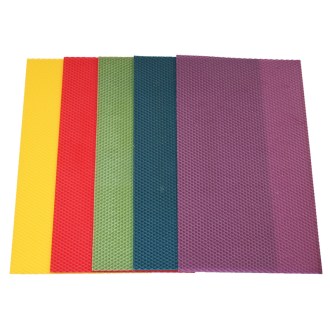
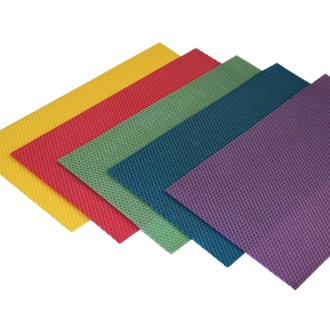
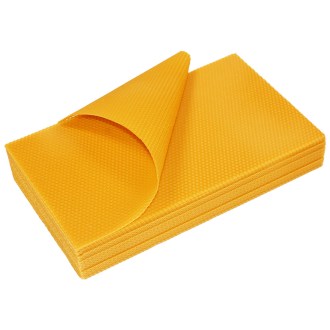
For successful beekeeping, choosing the right foundation sheets is essential to support the healthy development of your bee colony. One of the innovative technologies in this area is the continuous casting method, which combines a traditional appearance with modern advantages. Continuously cast foundation sheets are produced by pouring beeswax between rotating engraved rollers, ensuring fast and uniform production. Thanks to this method, the foundation sheets are more readily accepted by bees, which speeds up comb building. Although they are produced quickly and cost-effectively, these sheets can be more fragile at lower temperatures. For larger beekeeping operations, these foundation sheets represent an efficient choice, while smaller beekeepers may consider alternative methods such as cold-pressed foundation.
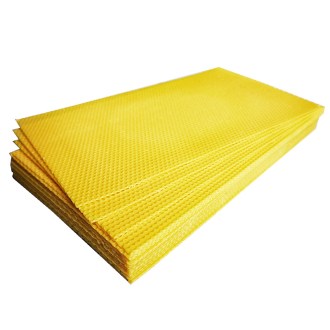
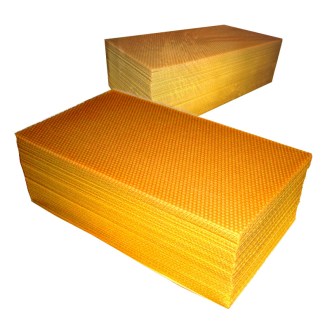
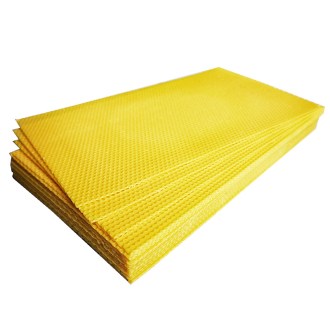
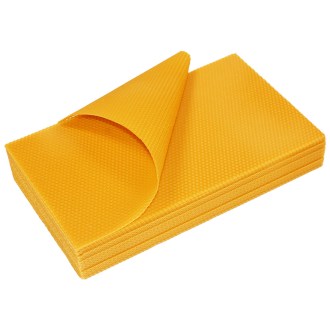
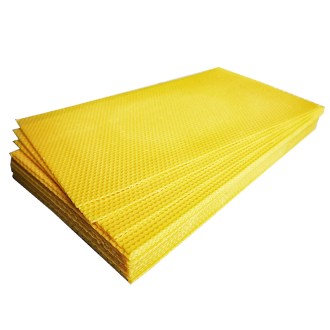
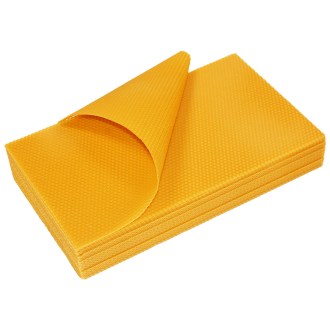
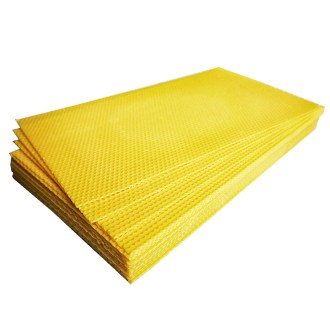
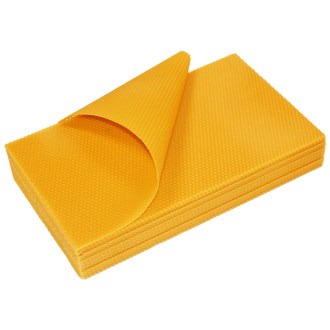


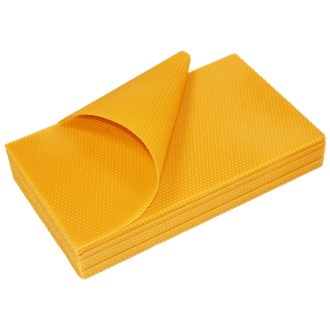

The Production of Continuously Cast Foundation Sheets: An Innovative, Fast, and Modern Process
In beekeeping, choosing the right foundation sheets is essential for ensuring the effective and healthy growth of bee colonies. One of the most popular production methods is the continuous casting technique.
What Are Continuously Cast Foundation Sheets?
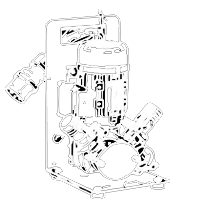
Continuously cast foundation sheets are produced by pouring liquid beeswax between a set of rotating engraved rollers. This process maintains a traditional appearance and structure while offering several practical benefits.
Main Advantages
-
Speed and Production Efficiency: Continuous casting allows for rapid production of foundation sheets, making it especially advantageous for larger operations. Without the need to press each sheet separately, the entire production process is significantly faster.
-
Consistent Quality: Automation in this process ensures that every foundation sheet is precisely shaped and uniformly thick, which promotes even comb building in hives.
-
Bee Acceptance: Foundation sheets made with this technology are generally well-accepted by bees, resulting in faster and more efficient comb construction—especially during the warm summer months.
Comparison with Alternative Methods
While other production methods, such as cold pressing, are also used, the continuous casting process has a solid place in beekeeping. The main difference is that cold-pressed sheets offer greater mechanical strength and flexibility. However, continuously cast foundation sheets excel in their speed of production and tend to be a more economical option, making them attractive for many beekeepers.
It’s important to recognize that every method has its pros and cons. For instance, continuously cast foundation sheets can be more fragile in cooler conditions. This issue can easily be minimized by increasing the ambient temperature during handling.
Your Beekeeping Choice for the Future
Whether you are a professional beekeeper with dozens of hives or a beginner looking for efficient ways to support your apiary, continuously cast foundation sheets provide an excellent solution for many of your needs. Available in various cell sizes, they allow you to tailor your selection to your specific type of beekeeping—including drone or small-cell foundation sizes, which are growing in popularity as a tool in the fight against parasites like Varroa destructor.
Continuous casting technology offers a valuable contribution to improving productivity and colony health. Using these foundation sheets can greatly influence how beekeepers manage their hives and increase honey yields while maintaining high resistance to diseases.
Foundation Sheet Production Technologies in Beekeeping
Selecting the right technology for foundation sheet production is crucial for successful beekeeping. Foundation sheets are the backbone of every hive, as they provide bees with the structure they need to build combs. Here, we’ll explore the different production technologies, focusing on their specific features, advantages, and disadvantages.
Continuously Cast Foundation Sheets
Production Process: Continuous casting involves pouring melted beeswax between two rotating engraved rollers. As the wax cools, it forms a firm structure with precisely shaped cells.
Advantages:
-
Speed and Efficiency: This process allows for high output in a short amount of time, making it ideal for larger beekeeping operations.
-
Uniformity: Automated production ensures all foundation sheets possess consistent thickness and accurate shaping, assisting bees in comb construction.
-
Bee Acceptance: These sheets are often more readily accepted by bees due to their precise design, which also ensures fast comb building.
Disadvantages:
-
Brittleness in Colder Conditions: They can become brittle at lower temperatures, so careful handling is necessary.
Cold-Pressed Foundation Sheets
Production Process: Beeswax is first formed into a smooth sheet, then cold-pressed through engraved rollers.
Advantages:
-
Mechanical Strength and Flexibility: Sheets made by this method are known for their durability and long lifespan.
-
Resistance to Deformation: Cold pressing results in a structure that better withstands mechanical stress.
Disadvantages:
-
Slower and More Complex Process: The process is more time-consuming and requires more manual work, which can increase costs.
Cast Foundation Sheets Using Silicone Molds
Production Process: Heated wax is poured into silicone molds and removed after solidification.
Advantages:
-
Customizable Molds: The process allows for easy adjustments in cell size and shape.
-
Lower Initial Costs: Molds are relatively inexpensive unless highly advanced versions are used.
Disadvantages:
-
Low Production Capacity: The pace of production is slower, making it less suitable for larger operations and producing only a limited number of sheets per hour.
-
Energy Consumption: Due to the need for repeated heating and cooling of wax, energy efficiency is lower compared to other methods.
Each of these methods has its advantages and a place in beekeeping, so your choice should depend on your individual needs and circumstances. Continuously cast foundation sheets present a modern solution for rapid production, whereas pressed sheets offer greater durability and flexibility. Ongoing innovations in these technologies continually adapt to the evolving requirements of both beekeepers and their bees.
Beekeepers should consider not just production efficiency, but also the biological and ecological impacts on the health of their colonies to maximize both their results and their positive environmental impact. The rise in popularity of small cell foundations for parasite control highlights one such approach leading the way forward.
Choose the technology that best suits your needs and helps you improve productivity and the health of your bee colonies. After all, happy and healthy bees mean better yields and more satisfied beekeepers.