Propolis grids
Propolis, also referred to as "bee glue", is highly valued in beekeeping, especially for its uses in natural medicine. Beekeepers primarily collect it in spring and autumn, periods when its availability peaks. Collection is facilitated by using special propolis grids, making the harvesting process easier and more effective. Correct processing and storage involve crushing the collected propolis and preparing tinctures or ointments. With notable antibacterial and anti-inflammatory properties, propolis is beneficial not only for beekeepers but for household use as well.


Propolis – Valuable Natural Product in Beekeeping
Propolis, also known as "bee glue," is an indispensable natural resource in beekeeping, cherished for its numerous health and medicinal applications. Typically, beekeepers harvest propolis mainly during the spring and autumn months, when bees produce it most abundantly. Propolis grids are commonly used for collection, as these tools provide additional surfaces in the hive for bees to seal, simplifying the propolis harvesting process. Proper post-harvest treatment is crucial, involving careful crushing, storage, and potentially preparing tinctures, ointments, or dietary supplements. Valued for its outstanding therapeutic characteristics, particularly its powerful antibacterial and anti-inflammatory properties, propolis is beneficial both for hive health and wider human usage. Regular hive management and careful application of propolis grids help ensure excellent quality and optimal yields of this valuable natural substance.
Harvesting and Processing Propolis
Propolis, commonly referred to as “bee glue,” is a highly valued and multifunctional product in beekeeping. Bees naturally produce this sticky, resin-like substance primarily for sealing drafts and small openings within hives—protecting the colony from external threats and environmental hazards. Beekeepers consider propolis invaluable due to its diverse medicinal and therapeutic applications. To efficiently obtain this substance, beekeepers typically utilize specialized propolis grids.
Achieving Effective and Successful Propolis Collection
Although propolis can be theoretically collected year-round, the ideal harvesting times are spring and autumn. During these periods, bees are actively engaged in maintaining and reinforcing their hive structures, thus generating greater amounts of propolis.
Collection Methods:
-
Propolis Grids: Specially designed grids, typically made from plastic or metal, are positioned within the hive. Bees instinctively fill their spaces with propolis, enabling effective and convenient harvesting after several weeks.
-
Manual Scraping: This method involves physically scraping propolis off frames or combs. Although time-consuming, it allows selective, high-quality propolis collection, often in smaller amounts.
Processing Propolis
Storage: To maintain highest quality, propolis should be stored in a cool, dry environment within airtight containers.
Grinding and Crushing: Processing propolis into smaller fragments or fine powders improves ease of extraction, making further usage simpler and more flexible.
Product Preparation:
Tinctures: Known for potent antibacterial and anti-inflammatory effects achieved by soaking crushed propolis in alcohol-based solutions.
Ointments: Mixing propolis with beeswax and oils generates healing ointments effective for skincare and wound management.
Dietary supplements: Finely processed propolis powders can easily be encapsulated, simplifying administration and ingestion.
Recommendations for Successful Propolis Harvesting
Regular Inspections: Regularly checking propolis grids and hive frames optimizes productivity and quantity.
Caution with Hive Structure: When manually scraping, avoid damaging hive frames or comb structures.
Quality Control: Carefully remove any impurities such as wood debris and bee residues to ensure premium quality.
This guide to effectively harvesting and processing propolis helps beekeepers maximize the full potential of this exceptional natural substance, enabling production of quality health-care products useful both domestically and commercially.
Using Propolis Grids
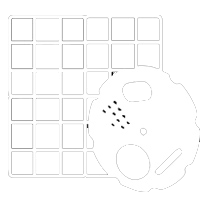
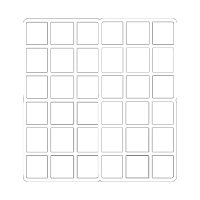
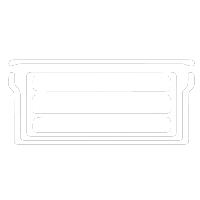
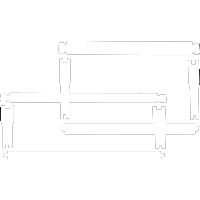
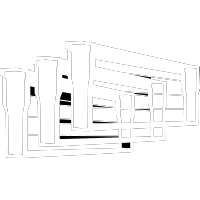
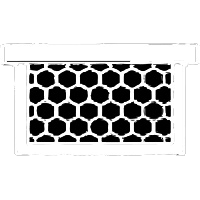
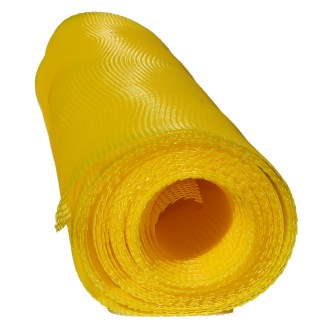
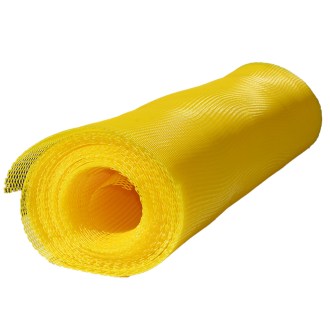
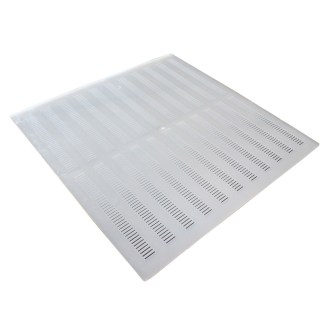
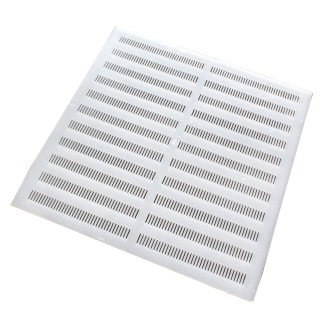
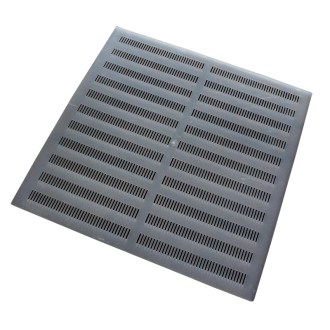
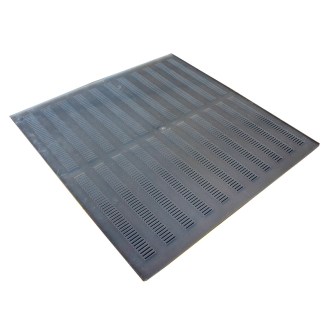
Propolis harvesting grids are specifically designed to simplify and enhance propolis collection, ensuring maximum purity. These flexible, sturdy plastic grids feature special openings and grooved patterns that bees instinctively seal with propolis. Simply placing grids over the top frames beneath hive lids prompts bees to begin sealing openings with ease.
Utilizing Propolis Grids Effectively:
Positioning: Positioning grids at the top of frames underneath the hive lid encourages bees' immediate sealing activities.
Collection Timing: Collect grids after bee activity peaks in mid to late summer, ensuring maximum coverage and collection efficiency.
Cooling Technique: After removal, grids are placed in cold environments, such as freezers, making hardened propolis brittle and easily removable.
Removal Method: Cooling simplifies propolis removal, allowing easy separation of pure propolis pieces from the grid.
Benefits of Propolis Grids
Propolis grids represent a modern, efficient approach to harvesting clean, high-quality propolis, minimizing contamination. They are strong yet flexible, adjustable for hive space, durable, and reusable, delivering consistent results over multiple seasons.
Reasons to Harvest Propolis
Propolis is a remarkable bee product containing numerous biological substances beneficial to human health. Its natural antibiotic properties provide immunity support, making it ideal in multiple products, including supplements, tinctures, and skincare ointments. Thus, incorporating propolis grids into your apiary tools ensures efficient harvesting, creating diverse beneficial products while enhancing hive productivity and health.
Propolis: Hive Treasure – Origin, Composition, and Usage
Propolis, or "bee glue," is an extraordinary natural substance with ancient origins. Bees create propolis by mixing plant resins collected from tree buds with their own glandular excretions. Historically serving various practical purposes within hives, propolis today has numerous medicinal and healing applications.
Origin and Composition
Deriving its name from Greek, “pro-polis” meaning “before the city,” propolis symbolically functions as a natural barrier against pathogens. Bees also utilize it inside their hives as protection and disinfection. Composition varies, owing to available resin sources, always incorporating potent antimicrobial substances effective against bacteria and fungi.
Processing and Application
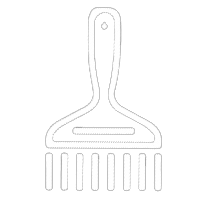
Beekeepers collect propolis from hive frames or grids using scrapers and subsequently process for cultivated ointments, tinctures, and healthcare products. However, since propolis can occasionally trigger allergic reactions, preliminary skin testing is advised for safe utilization.
Expert Beekeeping Insights: Effective Propolis Collection Techniques
Innovative Collection Methods
Some beekeepers have introduced innovations such as adapted lightweight vacuum systems for quicker propolis scraping. Nets and polymer grids are frequently deployed for simplicity, positioned strategically within hives, making subsequent extraction straightforward once cooling solidifies collected propolis.
Collection Timing and Quality Preservation
Optimal collection timings span from early spring into autumn, peaking in June. Ensuring cleanliness by methodical removal of foreign residues guarantees purity, maximizing value. Furthermore, careful genetic consideration among colonies, selecting better-performing hives, enhances results significantly.
Collective beekeeper experience underscores propolis harvesting efficiency through continual improvements and experimenting with methodical practices, catering specifically aligned strategies aimed for success.