Splash bar for Honey
Say goodbye to sticky fingers and honey drips on the table. Thanks to their grooved design and well-shaped head, honey dippers let you portion and serve honey neatly and with precision—whether you’re sweetening tea or spreading it over bread and pastries. In our selection you’ll find classic wooden dippers, durable stainless-steel versions, spiral designs, elegant glass options, and handy silicone pieces. Choose the right tool for everyday home use as well as tastings straight from your own apiary.
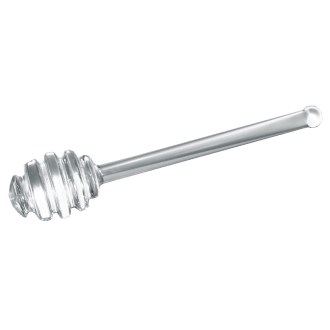
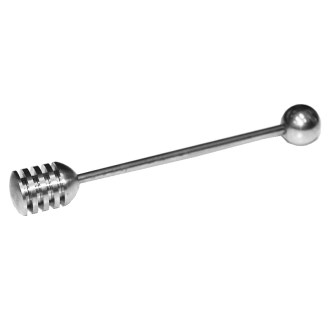
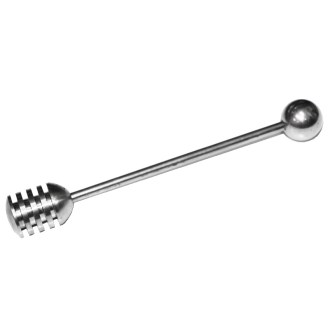
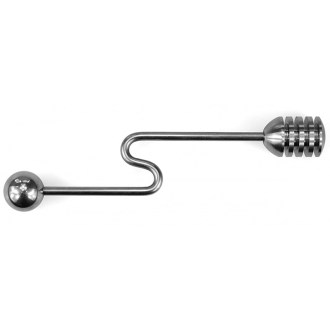
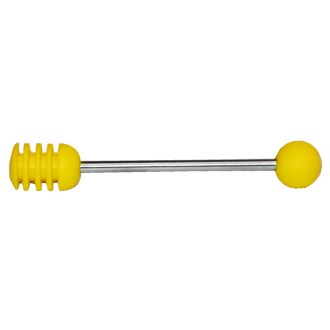
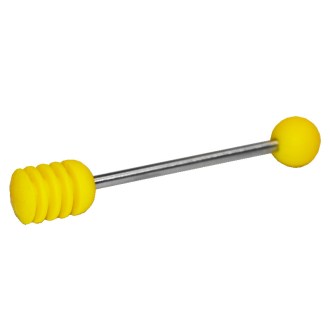
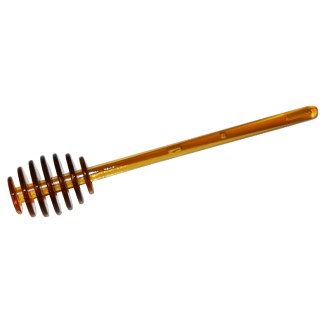
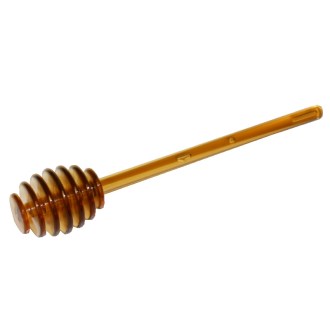


Honey dippers and honey ladles: convenient dosing without drips and sticky fingers
Honey is one of the best things bees and beekeepers can offer – perfect for tea, fresh bread, yogurt, and tastings during sales. Yet serving honey has one common drawback: an ordinary spoon leaves drops on the jar, the table, and your hands. That is exactly why the honey dipper (also known as a honey ladle) exists – a simple but extremely useful tool that turns honey dosing into a clean, precise, and pleasant ritual.
In this category you will find honey dippers for household use as well as professional beekeeping practice: from traditional wooden models, through durable stainless steel variants (straight, twisted, or spiral “snail” shapes), to elegant glass pieces and practical silicone or plastic designs. You can choose according to style, hygiene requirements, and how often you handle honey – whether at the breakfast table, during tastings, or when filling and topping up jars.
Why use a dedicated honey dipper instead of a spoon
The magic of a honey dipper lies in its shape. Typical grooves (ridges) or spiral designs help “hold” the honey thanks to its viscosity and surface tension. The honey stays trapped in the grooves and, when used correctly, does not drip uncontrollably down the handle or along the rim of the jar. As soon as you stop rotating the dipper and hold it over a cup, bread, or jar, the honey begins to flow smoothly in a thin stream – exactly where you want it.
-
More precise dosing without unnecessary waste.
-
Cleaner handling during serving and tastings (fewer drops on the table and glass).
-
More presentable serving of honey for customers and guests.
Where a honey dipper is useful in beekeeping and at home
A honey dipper is not just a “nice accessory”. In practice, it is appreciated by beekeepers, honey sellers, and households alike – anywhere honey is handled frequently and where cleanliness, speed, and overall impression matter.
-
Jar filling and topping up – convenient dosing when refilling, pouring, or scooping from containers.
-
Tastings and sales – cleaner and more refined presentation of honey to customers (it is useful to have several dippers for rotation).
-
Home serving – less honey trailing along jar rims, a cleaner kitchen counter.
-
Different types of honey – from runnier blossom honeys to thicker honeydew and creamed honeys (with thicker honeys, shape and robustness matter).
How to choose a honey dipper: material, shape, and use
When choosing, consider where and how often you will be handling honey. For professional use and frequent handling, a durable material with easy maintenance is usually best. For table serving, appearance and a comfortable grip often take priority. Shape also plays a role: straight, twisted, or “snail” designs influence how well honey stays in the grooves and how smoothly it is released.
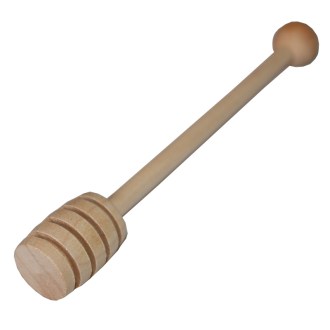
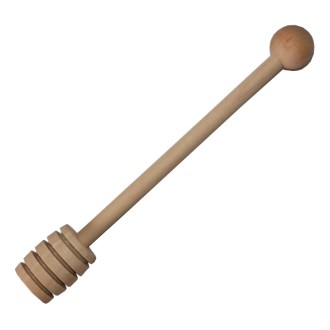
Wooden honey dipper
A classic that naturally suits honey. A wooden honey dipper looks traditional and “beekeeping-style”, is gentle on glass containers, and looks great at tastings or during home serving. It is a good choice for anyone who appreciates natural materials and simplicity.
-
Advantage: natural appearance, pleasant grip, usually a low purchase price.
-
Maintenance: wash by hand in lukewarm water, avoid soaking, and allow to dry thoroughly (dishwashers are not suitable for wood).
Stainless steel honey dipper
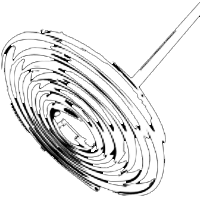
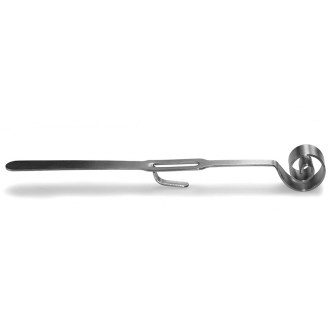
If you need reliability for regular use, a stainless steel honey dipper is the most common choice. Stainless steel is durable, hygienic, easy to clean, and withstands frequent use during sales or in a beekeeper’s workspace. Various designs are available – straight, twisted, or spiral “snail” shapes, which often guide even runnier honey well and help ensure smooth dosing. Some models are designed to rest on or hang from the rim of a jar.
-
Advantage: high durability, modern look, easy hygiene (often dishwasher-safe).
-
Tip: longer versions are practical for taller jars and deeper containers.
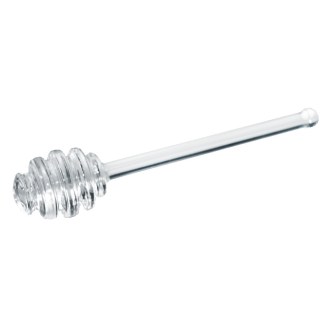
Glass honey dipper
A glass honey dipper is elegant and taste-neutral – it does not absorb odors or flavors, is easy to clean, and looks very pure. Combined with golden honey, it looks exceptional on the table, making it ideal for representative serving and gift sets.
Silicone honey dipper
A silicone honey dipper feels comfortable in the hand, is lightweight, and gentle on containers you do not want to scratch. Thanks to its flexibility, it can be practical in households with children or wherever you appreciate a softer material and quick cleaning.
Plastic honey dipper
A plastic honey dipper is affordable and easy to handle. It is suitable for occasional use, as an accessory at a market stall, or for tastings. For very frequent use, however, stainless steel usually prevails due to its longer service life.
Straight, twisted, or “snail”: which shape makes sense
The shape of a honey dipper affects how honey stays in the grooves and how it is released. Twisted and spiral designs often help with smoother dripping and better “guiding” of the honey stream during dosing. With thicker honeys (such as creamed honey), a more robust shape and comfortable grip can be preferable, making the dipper easier to use despite higher resistance.
Tips for proper use and maintenance
-
Scooping: immerse the dipper into the honey and rotate slowly – the honey settles into the grooves and drips less.
-
Dosing: above a cup or bread, gently rotate or briefly pause – the honey releases smoothly in a thin stream.
-
Cleaning: stainless steel, glass, and silicone usually tolerate thorough washing without concern; wash wood gently and always let it dry well.
-
Hygiene at tastings: keep several honey dippers for rotation or replace them regularly and keep them clean.
Which honey dipper to choose based on how you work with honey
For frequent use and quick maintenance, a stainless steel honey dipper is usually the most practical choice. If you want a traditional look on the table, a wooden version works beautifully, while a glass dipper makes an impression during serving and as an elegant complement to a jar of honey. Silicone and plastic options are appreciated where lightness, shatter resistance, and easy handling are important. Whatever material and shape you choose, the right honey dipper helps keep honey where it belongs – in the jar, in the cup, or on bread, not on the table.