Frame feeders
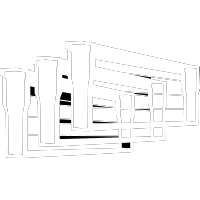
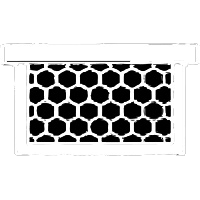
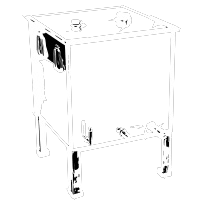
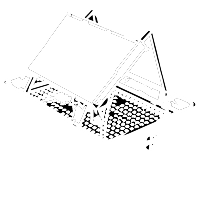
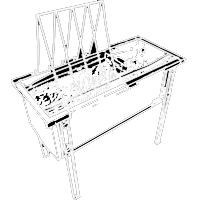
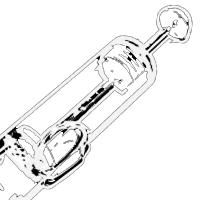
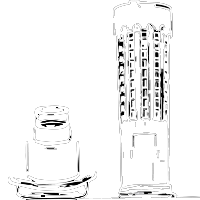
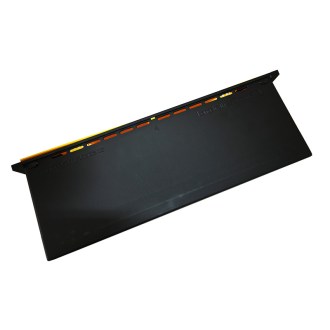
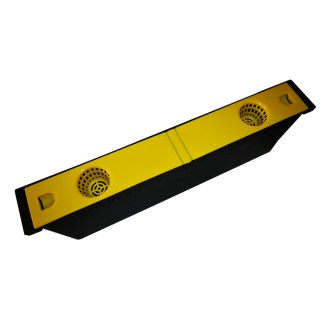
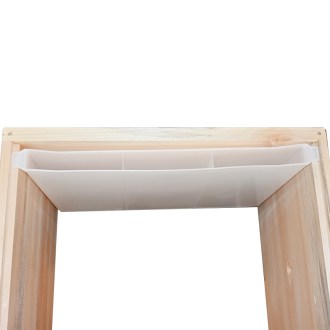
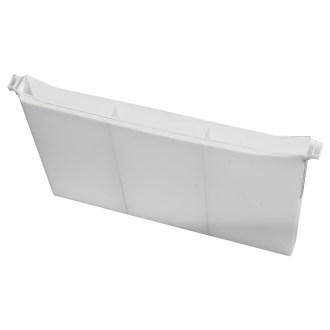
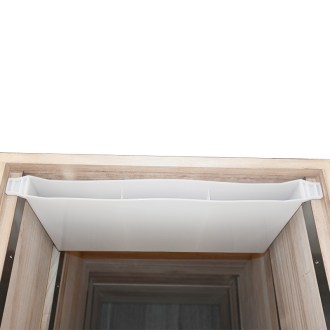
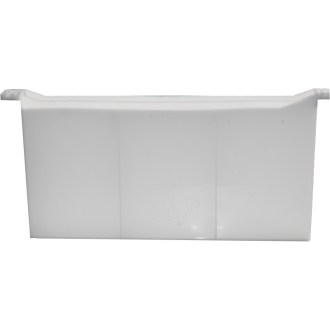
Frame Feeders are plastic tanks designed to be placed inside the hive, replacing two of the outermost frames. Fill the feeder tank with sugar syrup and place a float on its surface to make feeding easier for the bees. Frame feeders are used to provide a supplementary food source during periods of low nectar flow, ensuring that the colony has enough nutrition to survive and maintain good health. They are usually made from durable plastic, making them strong and easy to clean. This allows frame feeders to be reused, offering a cost-effective solution for feeding bee colonies. Typically, these tanks are placed in the top hive box so that the bees can easily access the feed.


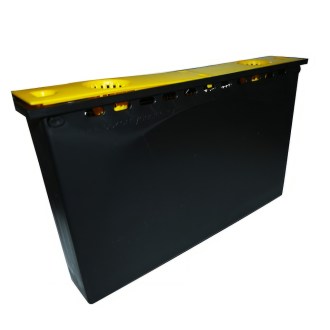
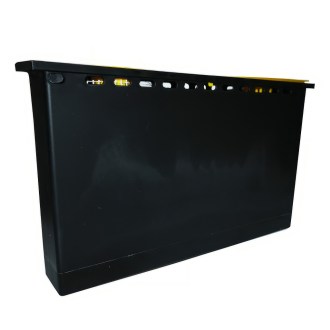
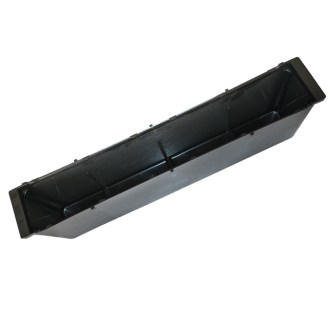
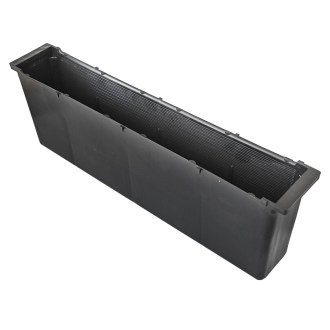


Beekeeping Frame Feeders
Frame feeders are practical and highly effective tools for providing nutrition to bee colonies during nectar dearth periods, autumn feeding, and spring stimulation. They are inserted directly into the hive body in place of one or two frames, becoming an integral part of the hive space. This design allows bees easy access to the feed, ensuring safe feeding with minimal losses and a very low risk of robbing.
Function and Benefits of Frame Feeders
Using a frame feeder offers a number of practical advantages appreciated by every beekeeper. Because the feeder sits inside the hive, the feed solution maintains an optimal temperature — a key benefit during cooler periods. This way, bees can feed even when external feeders would be less effective. Access to the syrup is natural for the bees, as they take it from within the hive, reducing the scent of feed near the entrance and thus minimizing the risk of robbing by other bees or wasps.
-
Stable feed temperature: Placed inside the hive, the sugar solution stays warm and accessible.
-
Safe feeding: Rough interior surfaces or floating inserts prevent bees from drowning.
-
Robbing prevention: Feeding takes place discreetly, without attracting foreign bees.
-
Easy monitoring: Feed consumption can be checked during routine inspections.
Types of Frame Feeders by Material and Capacity
Material Options
Beekeeping frame feeders are typically made of plastic or wood. Plastic feeders, produced from food-grade materials, are lightweight, easy to maintain, and highly resistant to moisture and wear. Wooden feeders, on the other hand, provide a traditional look, natural microclimate, and excellent thermal stability within the hive.
Feeder Capacity
The size of the feeder is usually chosen based on the feeding purpose:
-
1–2 liters: Ideal for spring stimulation and encouraging brood rearing.
-
3–5 liters: Suitable for autumn feeding and building winter stores.
Choosing the Right Frame Feeder
When selecting a frame feeder, it is essential to consider the type of hive and frame size. Each hive system (such as Langstroth, Dadant, or Zander) requires a correctly sized feeder that fits in place of one frame. You can choose between single or double-frame designs and special versions for Mini Plus or Jumbo hives. Some models feature adjustable hanging arms, making them adaptable to different hive types.
Maintenance and Proper Use
After feeding, remove the feeder, rinse it thoroughly with warm water, and let it dry. For added safety, place a float inside — made of wood, plastic, or another suitable material — to help bees access the syrup without drowning. When refilling, use a narrow jug or funnel to avoid spilling syrup on the bees or hive walls.
Practical Tip: Position the frame feeder as close to the brood nest as possible. This allows bees to feed safely without breaking cluster during cooler days, ensuring smooth and continuous feed intake.
Frame Feeders in Our Range
Our range includes frame feeders for all common frame sizes — various Langstroth options (2/3, 3/4, 1/1, Jumbo) as well as Mini Plus hives. Choose from plastic or wooden models, single or double-frame designs, all made to simplify your beekeeping tasks and support healthy, thriving colonies even during nectar shortages.
Explore our extensive selection of frame feeders and find the model that best fits your hive system. A well-chosen frame feeder will become a reliable aid in promoting colony health and preparing your bees for every season.