Tanks and buckets with valve
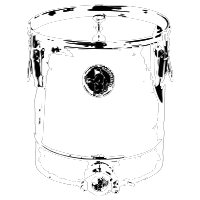
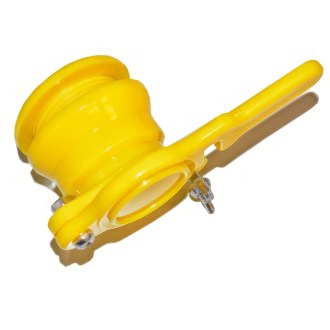
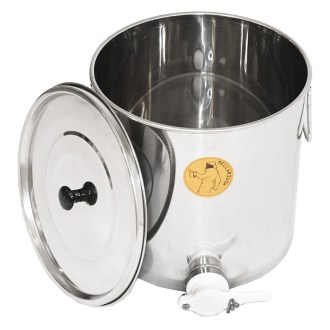
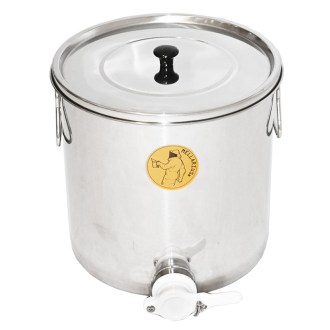
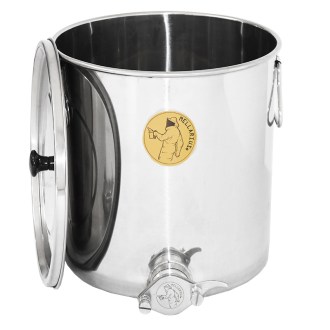
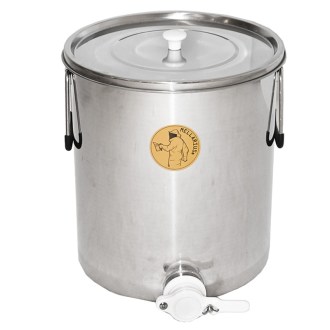
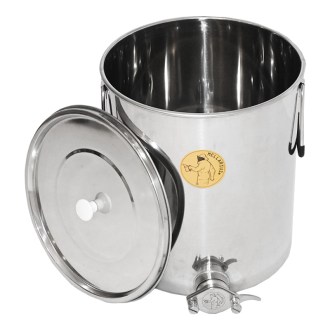
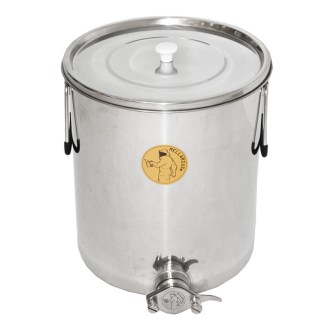
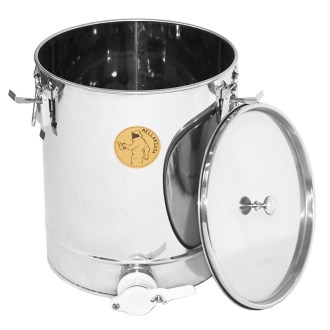
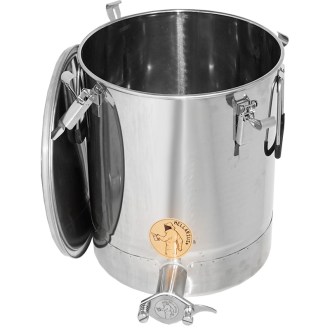
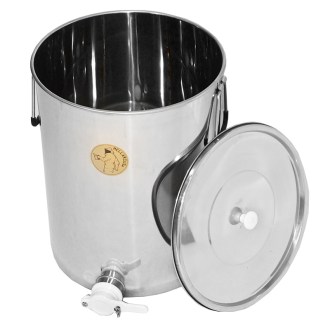
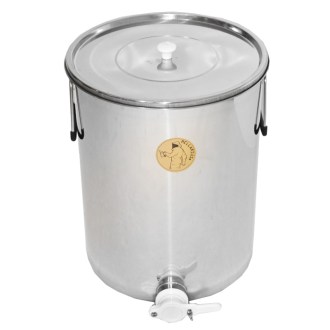
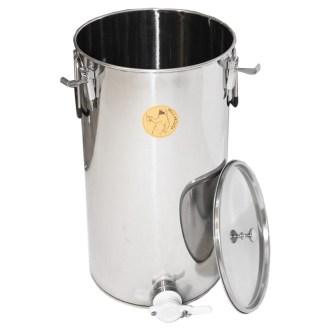
Honey draining containers are an essential piece of equipment for every larger beekeeper. Honey cannot be stored in just any container, so it is best to use purpose-made vessels that meet hygiene standards. As a more affordable option, we offer a range of plastic containers in various capacities, as well as traditional metal containers in tin-plated or stainless steel versions. If you want to make your work even easier and more pleasant, we recommend containers with a plastic tap, which allow you to conveniently fill jars with honey.


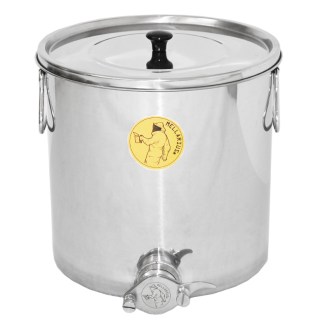
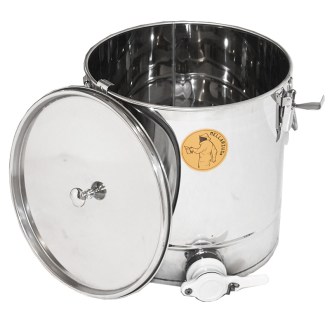
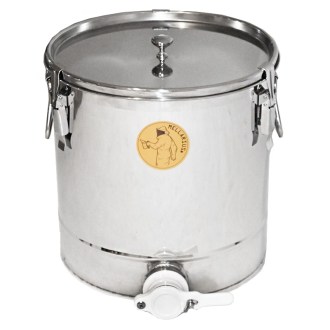
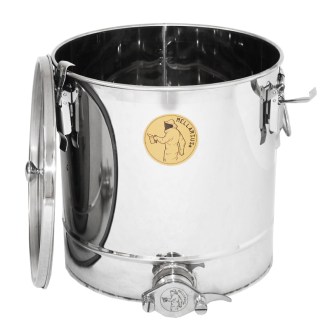
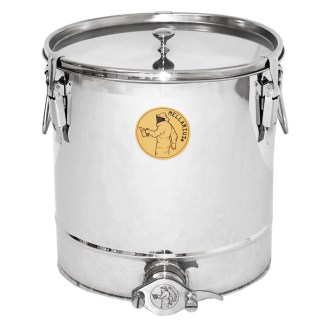
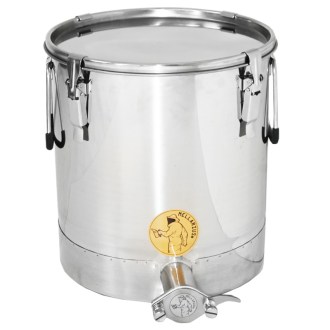
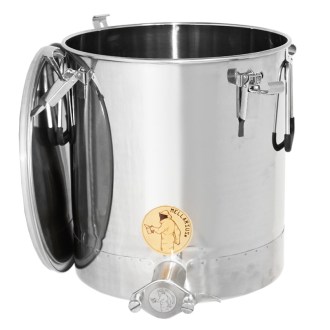
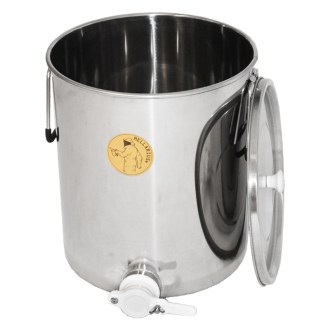
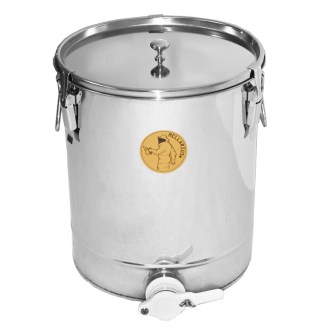
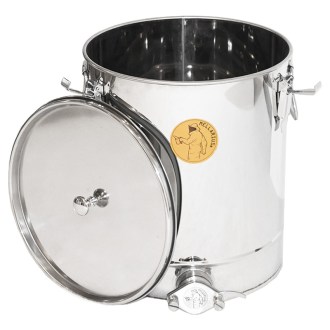
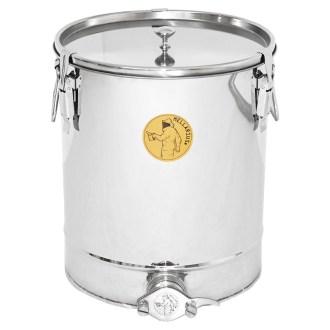
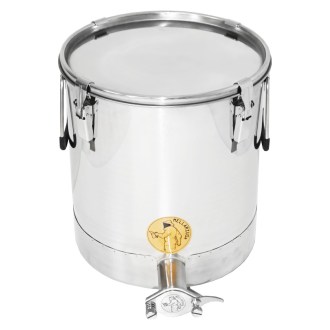
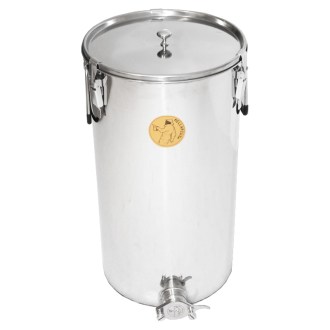
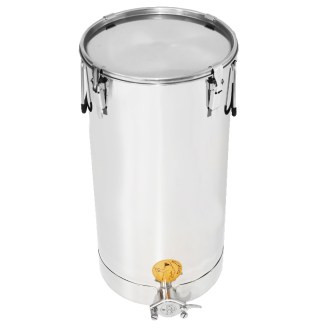
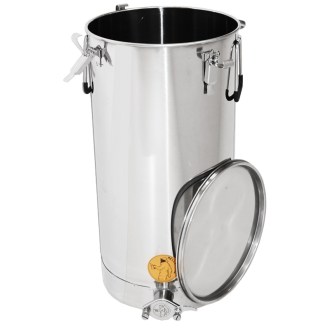
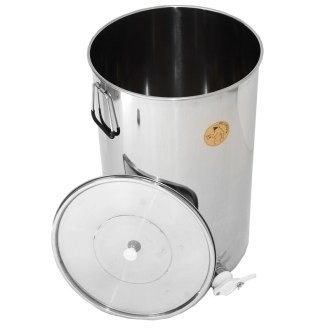
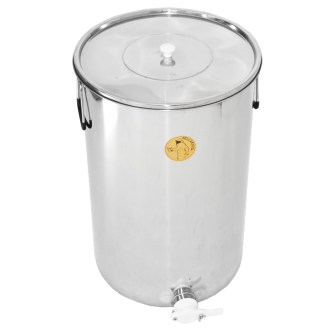
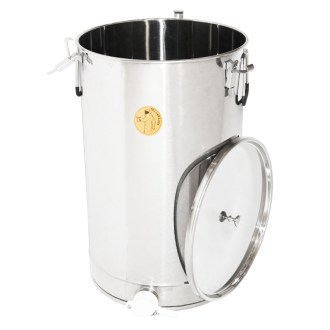
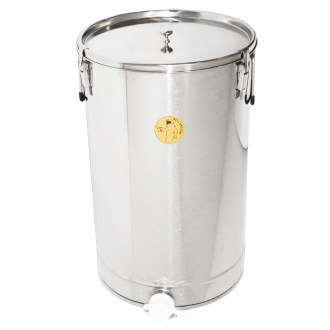

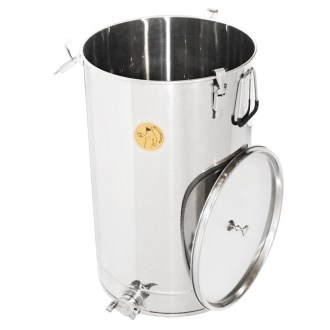
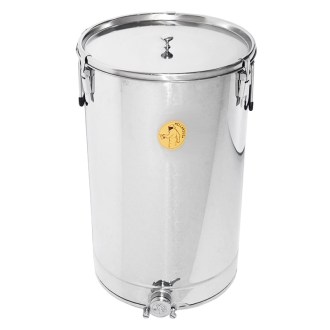

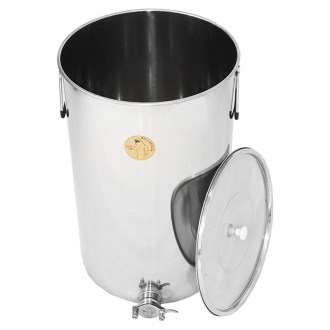
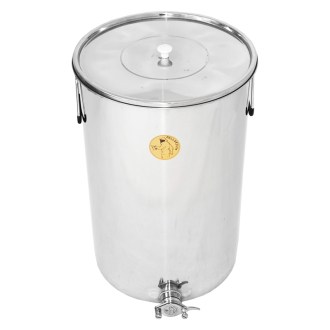
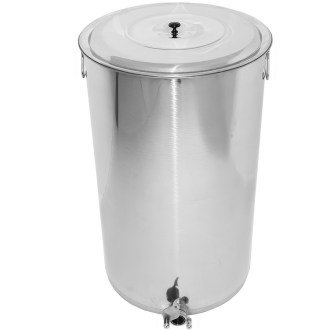
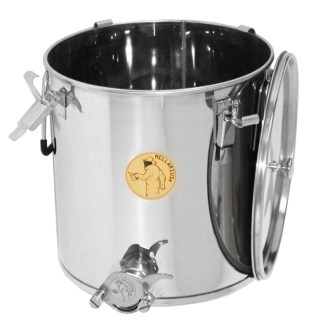
Honey Settling and Storage Containers
Beekeeping involves many processes, but one of the most important is the proper handling of honey after extraction. For this purpose, beekeepers use settling containers, which not only ensure efficient honey storage but also play a key role during filtration and transfer into final jars or bottles. In this article, we’ll look at different types of honey settling containers, their benefits, and how to choose the right one for your needs.
What Is a Honey Settling Container?
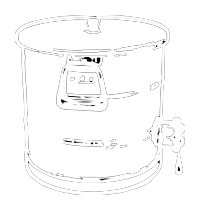
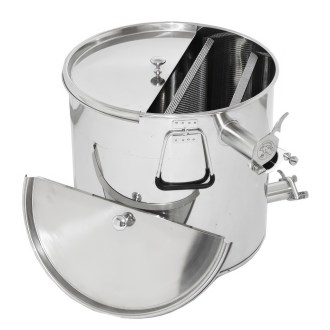
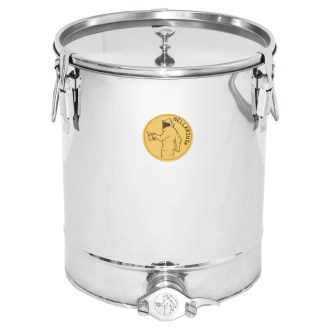
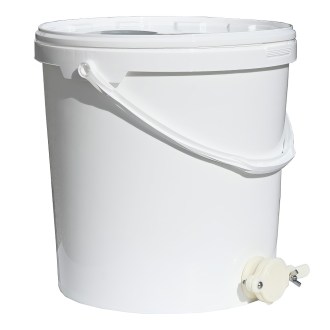
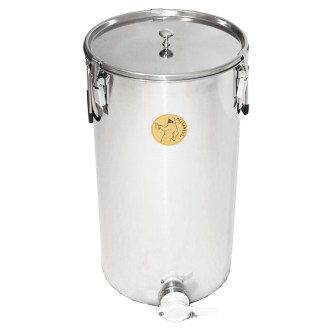
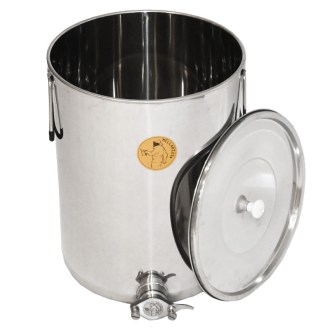
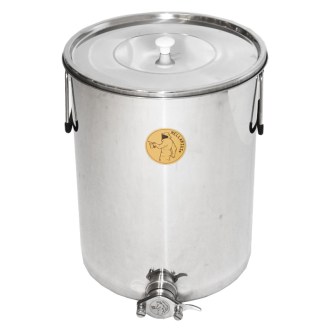
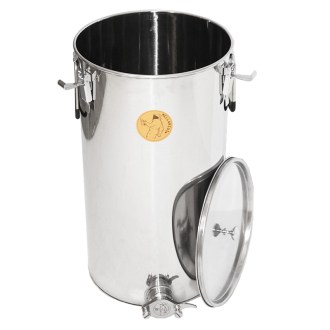
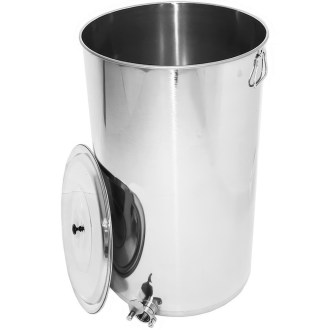
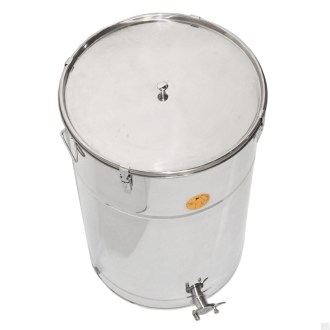
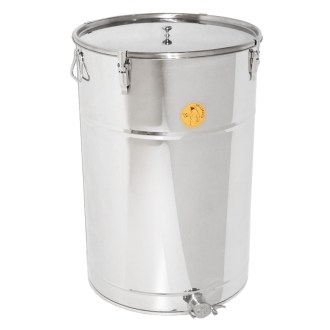
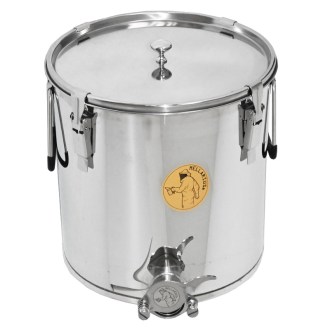
A honey settling container is a specialized vessel designed for storing and processing honey. It can be made from stainless steel or food-grade plastic and comes in various sizes — from small 10–15 liter containers for hobby beekeepers to large 500-liter or more industrial versions. Equipped with special valves, these containers allow easy pouring of honey into jars. Some models even include built-in filters for additional purification.
Why Use Honey Settling Containers?
Using settling containers offers multiple advantages. After honey is extracted from the combs, it needs to rest so that impurities and wax remnants can separate naturally. Settling containers are ideal for this purpose because they allow the honey to clarify while also reducing excess moisture, improving its final quality.
Types of Honey Settling Containers
There are several types of honey settling containers available on the market, differing mainly in material and features:
-
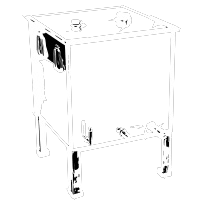
Stainless steel settling containers: Highly popular among professional beekeepers for their durability and hygienic qualities. They are easy to clean and do not affect the taste or aroma of honey. Many models also feature integrated filters and heated walls for decrystallization.
-
Plastic settling containers: Ideal for small and mid-sized operations, these containers are lightweight, easy to handle, and more affordable. However, they may offer lower durability compared to stainless steel options.
-
Honey barrels: Designed for bulk honey storage, these large containers can hold hundreds of liters. Due to their size and weight, handling often requires specialized equipment such as lifts or trolleys.
How to Choose the Right Settling Container
When selecting a settling container, consider your apiary size, the amount of honey you produce, and your budget. Plastic containers are sufficient for smaller operations, while stainless steel models with advanced features are a better investment for larger or professional production setups.
Maintenance and Care
Proper maintenance is essential to ensure the containers’ longevity. After each use, clean them thoroughly — stainless steel containers can be washed with warm water and a mild detergent, while plastic versions should be cleaned with non-abrasive products to prevent material damage.
Settling containers are indispensable tools for any beekeeper, making honey bottling easier and more precise while maintaining purity and quality. Available in a wide range of sizes and materials, investing in the right container ensures convenient handling and long-term honey preservation.
Honey Storage Accessories
Honey storage plays a key role in maintaining its quality and flavor over time. Whether you’re a beginner or an experienced beekeeper managing multiple hives, choosing the right containers and accessories is essential. The following overview presents various storage solutions designed to help preserve the freshness and taste of your honey.
Proper Honey Storage
Honey should be stored in tightly sealed containers, away from sunlight, at room temperature or slightly cooler. For commercial storage, dedicated areas with controlled humidity and lower temperature are recommended to ensure that honey retains its natural properties.
Buckets and Small Honey Containers
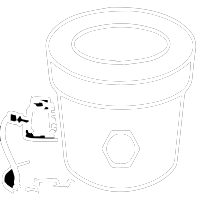
For smaller apiaries, honey buckets are a great option. Stainless steel buckets offer durability without altering taste or quality and are ideal for transferring honey after extraction. Polypropylene buckets provide a cost-effective alternative suitable for everyday beekeeping use.
Professional Honey Containers
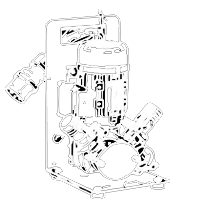
We also offer professional-grade containers with optional accessories such as sieves or strainers for additional honey filtration. Add-ons like horizontal filters, water jackets, or pumps enhance functionality — appreciated especially by experienced beekeepers.
Additional Accessories to Simplify Work
Accessories such as stands, drum covers, and settling tank holders make honey storage more practical and efficient. Browse our complete range to find products that streamline your workflow and improve productivity in your honey house.
Types of Containers for Precise Honey Filling
Stainless steel containers are extremely robust and resistant to corrosion, maintaining honey purity without imparting any unwanted flavors or odors. Plastic options are lighter and more affordable, making them ideal for hobbyists or small-scale operations.
Filling Container Features and Benefits
-
Precise filling: Equipped with filling taps for accurate dispensing, preventing waste and ensuring uniform jar filling.
-
Various sizes: Available in multiple volumes to accommodate different production needs.
-
Short-term storage: Many fillers can also be used for temporary storage before final bottling.
-
Hygiene: Stainless-steel models meet high sanitary standards, are easy to clean, and help maintain honey quality.
Efficient Use and Maintenance
During the filling process, honey is transferred from the clarifying tank into the filling container, where the tap allows precise dispensing into jars. Larger operations may use automated filling machines to handle big volumes efficiently. To ensure long service life, thoroughly clean the filling equipment after each use.
Whether you choose stainless steel or plastic, filling containers are an essential part of every honey workshop. They ensure accurate portioning, maintain a clean workspace, and help preserve the highest quality of honey — from extraction to storage.