Wasp traps
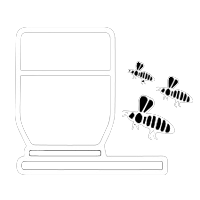
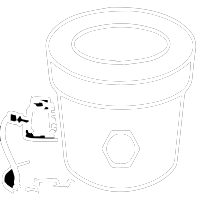
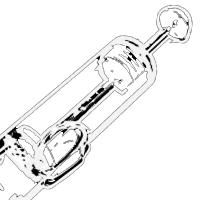
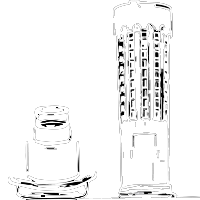
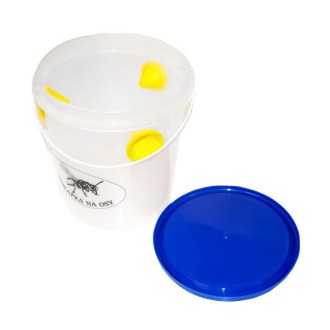
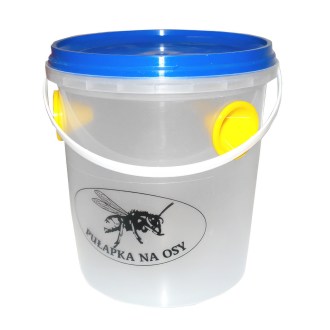
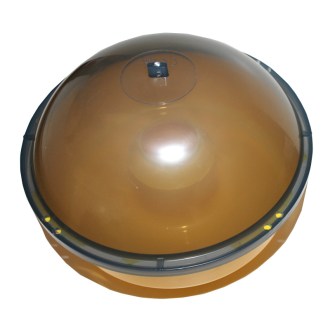
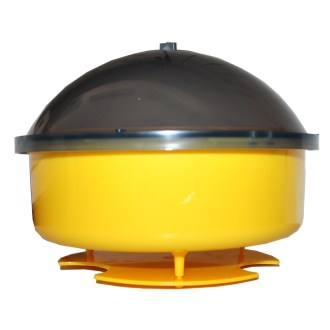
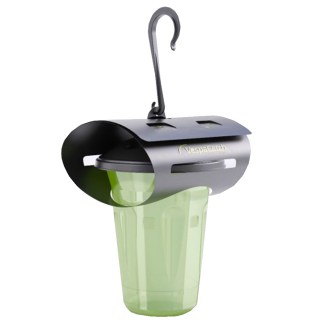
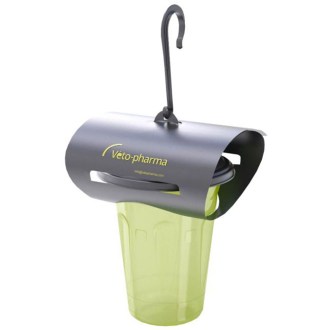
Wasp traps are effective tools for capturing wasps, hornets, and other bothersome insects. They can be used not only in the apiary but also on balconies, terraces, and other similar locations. These traps operate without chemicals and can be filled with fruit syrup, juice, or any other sweet, preferably fermenting, beverage. Using wasp traps is very straightforward: simply unscrew the cap, pour in the liquid, attach the holder or hang the trap in the desired location. Wasp traps can also be utilized to protect fruit trees and grapevines. You can prepare the bait for different types of insects using the following recipes. For wasps, flies, and hornets: mix 150 ml of beer with ½ tablespoon of sugar or honey; or 100 ml of water with 1 tablespoon of sugar/honey and 50 ml of red wine vinegar. For fruit flies and vinegar flies: use 125 ml of apple cider vinegar, 50 ml of red wine, and ½ tablespoon of sugar.



Wasps
Wasps often have a reputation as troublesome insects due to their stings and seemingly aggressive behavior. However, if we take a closer look at their role in nature, we realize that, like bees, they play an important part not only in the ecosystem but also in controlling pests.
Wasps and Their Similarities to Bees
Like bees, wasps create organized communities in which they cooperate to care for their young. Some species of wasps live solitarily, meaning the females, or queens, look after their own larvae. Wasps also contribute to plant pollination, although to a lesser extent than bees. Newly hatched wasps require significant amounts of sugar, which they obtain from nectar and fallen fruit, and this allows them to transfer pollen and support the natural cycle of plant growth.
Natural Pest Fighters and Less Painful Stings
Wasps are not just harmless pollinators; they also play a crucial role as natural pest controllers. They collect insects rich in protein, such as flies, mosquitoes, spiders, aphids, and other pests, which they bring back to their nests as food for their larvae. Unlike bees, a wasp’s sting is usually less painful: the venom they inject is in smaller quantities, and they can withdraw their stinger, which protects the wasp and increases its chances of survival.
Wasp Attack Prevention: Tips & Tricks
As warm weather arrives, wasps, being a natural part of the outdoors, often show up in groups wherever there’s ripe fruit or sweets. To minimize the risk of being stung, you can:
- Consume sweet foods and drinks indoors or keep them well-covered outdoors.
- Remove fallen fruit from your garden regularly to reduce the number of wasps attracted to the area.
- Avoid waving your arms around, as this can agitate wasps. Remain calm if a wasp lands on you and gently guide it away.
- Install insect screens on windows and doors to keep wasps from entering indoor areas.
Safety Measures and Aftercare for Stings
If you do get stung by a wasp, it is advisable to cool the affected area and use natural or pharmacy remedies to soothe the reaction. Onion and antihistamines can help reduce more severe symptoms such as itching and swelling. If you experience serious signs of an allergic reaction, such as difficulty breathing, seek medical attention immediately.
Ways to Repel and Eliminate Wasps
There are a variety of specialized sprays and insecticides available for fighting wasps, along with traps that can help monitor and reduce wasp populations. If you discover a nest in a dangerous location, calling in a professional to remove it is recommended.
Although wasps can be a nuisance, it’s important to recognize them as a vital part of the ecosystem, playing a role in pest management and supporting plant pollination.
Effective Wasp Protection Methods for Beekeepers and Gardeners
Wasps in the garden can cause trouble, particularly for beekeepers needing to protect their hives. Fortunately, there are several effective ways to keep wasps under control without endangering your bee colonies. Let’s explore products and devices that can help you manage these intrusive visitors.
1. Wasp Sprays
Wasp sprays offer a quick and effective solution, especially when you need to deal with a wasp nest near your hives. The insecticides in the sprays kill wasps on contact and are suitable for both outdoor and indoor use. With a reach of up to 5 meters, you can treat even hard-to-access places safely.
2. Wasp Traps and Catchers
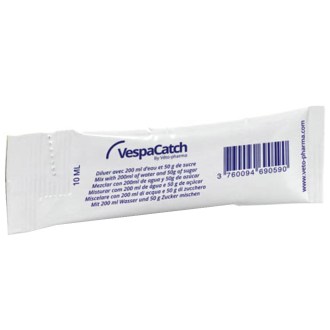
If you prefer a more eco-friendly method, a wasp trap makes an excellent choice. Simply fill the trap or a PET bottle with a sweet liquid, hang it in a suitable area, and let the bait attract the wasps. Professional traps are designed with durable materials and lures specifically tested for maximum attractiveness to wasps, while remaining safe for bees and other pollinators.
3. Wasp Repellents
Repellents deter wasps without harming them. They are ideal for treating areas around hives or certain garden zones where you want to avoid wasp presence. Some repellents are even safe for use on skin, offering protection while working outdoors.
4. Fake Wasp Nests
A clever way to discourage wasps from building a nest near your property is to use a fake wasp nest. Wasps instinctively avoid the territory of other colonies, so a realistic-looking dummy nest can effectively prevent new colonies from establishing nearby.
You Can Make Your Own Wasp Trap
If you’re looking for an inexpensive solution, a homemade trap from a PET bottle provides a simple and effective way to capture wasps.
How Does the Homemade Wasp Trap Work?
The trap works on a simple principle: the sweet scent of the bait attracts wasps, which enter the bottle through the narrow neck but cannot find their way back out. As a result, they drown inside the trap.
What You Will Need
- PET bottle (1.5 or 2 liters)
- Sharp knife or scissors
- Adhesive tape
- String or wire (if you plan to hang the trap)
- Sweet bait (ideally a mix of beer, sugar, and vinegar, or fruit juice or syrup)
Step-by-Step Guide for Making a PET Bottle Trap
- Cut the Top Third Off the Bottle: Use a sharp knife or scissors to cut off the top part of the bottle. For a straight cut, you can mark a line with a marker or wrap a strip of paper around the bottle as a guide.
- Assemble the Trap: Turn the cut-off top upside down and insert it into the bottom part of the bottle, neck pointing down. This creates a funnel that makes it difficult for wasps to escape. Secure both parts firmly with adhesive tape.
Bait Recipe for a Wasp Trap
The recommended bait recipe is:
- 500 ml beer
- Two tablespoons of sugar or honey
- 150 ml wine vinegar
This mix is highly attractive for wasps, while the wine vinegar significantly reduces the risk of luring in bees and other pollinators. Pour the mixture into the bottom compartment of the bottle so that the liquid level is a few centimeters below the neck of the inserted top.
Where to Place Your Wasp Trap?
Place your trap in areas where wasps are commonly found, such as around rubbish bins, compost heaps, or fruit trees. Keep it away from terraced or garden seating areas. The ideal height is between 1.5 and 2 meters above ground — for example, hanging from a tree or fence post.
Safety Recommendations
Handle the trap with care, especially when changing the bait or emptying it. Use protective gloves, and if a faster solution is needed, a wasp spray can be used for rapid effect.