Feeders for hive
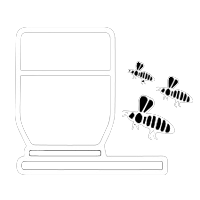
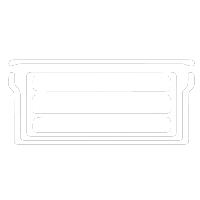
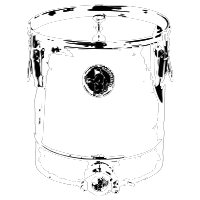
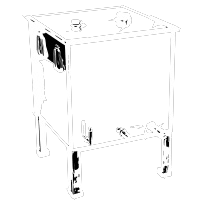
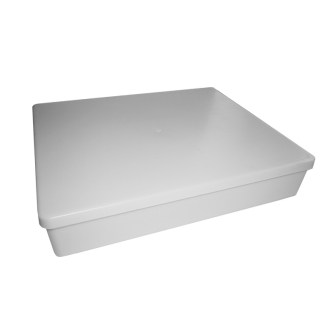
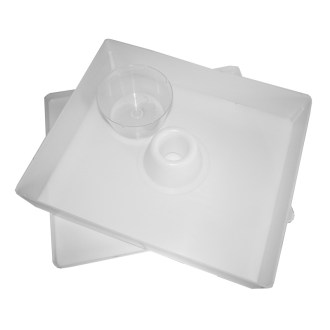
Feeder tanks for hive supers (Ukrainian feeders) are practical feeding accessories designed to be placed inside empty hive supers. They provide bees with an additional food source during periods of low nectar flow or when the colony requires supplementary feeding. The feeder is positioned directly under the hive lid, ensuring easy access for the bees. Instead of a traditional cover, an inner cover or partition with an opening is used. We offer feeders in volumes of 1.5, 1.8, 2, and 6 liters. These are usually plastic tanks with lids to prevent bees from drowning inside. For additional feeding, you can use either a sugar syrup or liquid invert-based feed, which is simply poured into the feeder tank.
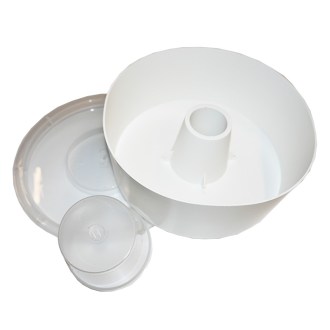
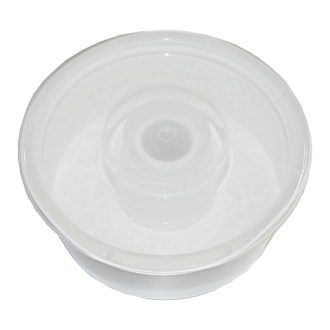
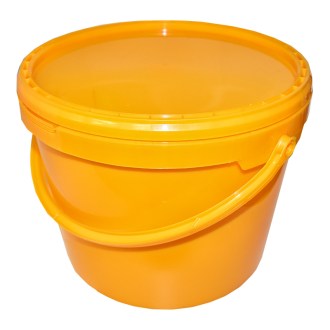
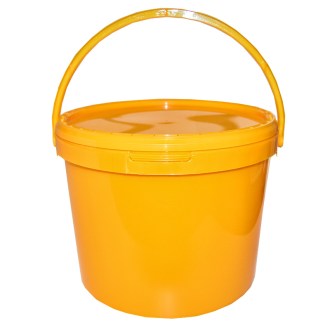

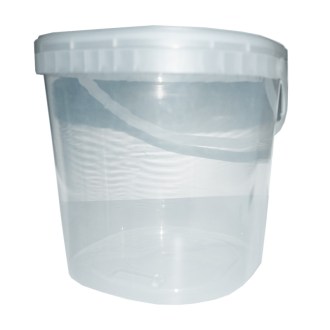
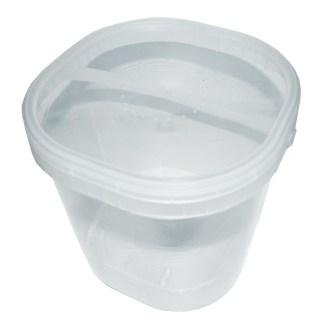


Hive Feeders for Supers
Hive feeders for supers are essential tools for feeding bee colonies. They allow you to safely replenish food stores at times when natural nectar flow is scarce – typically in late summer or during spring stimulation. Because they are placed directly inside the super, the feed remains at an optimal temperature and bees can access it naturally and safely.
Why choose an in-super feeder?
Feeders placed inside the hive have several distinct advantages compared to top or external feeders. They protect the syrup from cooling, reduce the risk of robbing, and allow feeding even under poorer weather conditions. This means bees can continue taking up sugar syrup or invert feed even when they would no longer reach an external feeder.
- Utilization of hive warmth: The feed stays within the heat zone of the winter cluster, making it more accessible to the bees.
- Protection against intruders: As the feeder is concealed inside the hive, its scent attracts robbing bees and wasps only minimally.
- Efficient space use: It doesn’t require additional supers or covers, simplifying handling.
- Ideal for nucleus colonies: Smaller colonies can access food more easily and safely.
Types and materials of feeders
A variety of in-super feeders are available on the market, differing mainly in material, capacity, and construction. Your choice depends on the hive type, the number of colonies, and your feeding method.
Plastic feeders
The most commonly used type thanks to their light weight, easy maintenance, and long service life. Plastic feeders are made from food-grade materials that are easy to clean and resistant to moisture. Inner textured walls or floating inserts prevent bees from drowning.
Wooden feeders
A traditional choice favored by many beekeepers. They offer natural thermal properties and have a scent similar to the hive interior. With proper care, they can last for many years, though it’s important to ensure good sealing to prevent syrup leakage.
How to choose the right feeder capacity
When choosing a feeder size, consider your intended use and colony strength. Small feeders (1–2 L) are ideal for spring stimulation or small nucleus colonies, while larger models (3–6 L or more) are used to provide winter stores. Frame feeders usually take up the width of one or two frames, depending on the hive dimensions.
- Smaller capacities: For stimulation and encouraging the queen to start spring laying.
- Larger capacities: For quickly providing winter stores in autumn.
Feeder safety features
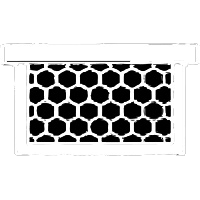
To make feeding as safe as possible, feeders come equipped with various protective elements. Common ones include floats, meshes, ladders, or labyrinth inserts that prevent bees from drowning in sugar syrup. Some models also feature transparent lids, allowing you to check the syrup level without opening the hive.
Care and maintenance
After each feeding season, feeders should be removed, mechanically cleaned, and washed with warm water. Residues of syrup may ferment or mold over time, which could harm the bees. Before the next use, store the feeder in a dry and clean place. Regular maintenance will greatly extend its lifespan and ensure hygienic feeding for many seasons.
Practical tips for beekeepers
Place the feeder in the super so bees have the shortest possible access path. This allows them to collect feed more quickly with less energy loss. If you use multiple feeder types, observe which ones your bees prefer – the difference may vary depending on colony strength and seasonal weather.
Equip your hives with quality feeders
Whether you are starting with a few hives or running a large apiary, investing in a quality in-super feeder will pay off. It simplifies work, improves feeding efficiency, and ensures your bees have a reliable food source. Choose from different sizes, capacities, and materials to find the perfect feeder that fits seamlessly into your beekeeping system.