Shipping and introduction cages
Introduction and transport cages for queen bees are vital tools in beekeeping that help ensure safe transport and successful acceptance of a new queen by the colony. Made from plastic or wood, these cages protect the queen, allow space for feeding candy, and fit easily between frames. Before introduction, old queen cells should be removed and the new queen left in the cage until the colony adapts to her presence. After about two days, the cage allows for easy release, reducing stress for both the queen and the bees.
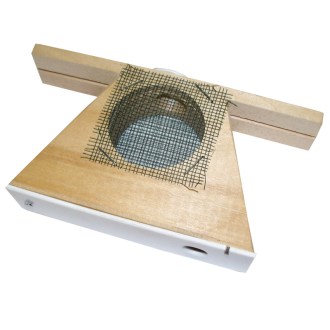
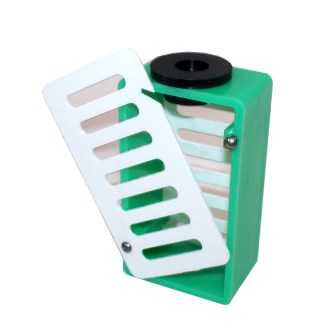
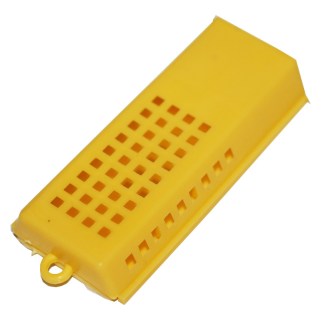
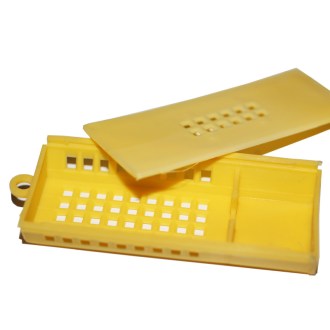
Introduction and Shipping Cages for Queen Bees
Replacing or introducing a queen into a hive is an important step in maintaining strong bee colonies. One of the essential tools for this purpose is the introduction and shipping cage. This useful aid allows for the safe and efficient insertion of a new queen bee into the hive. It gives the colony the opportunity to gradually acclimate to the new queen, significantly minimizing the risk of rejection.
Functionality and Design
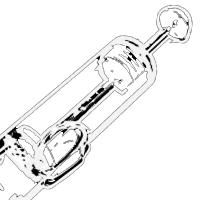
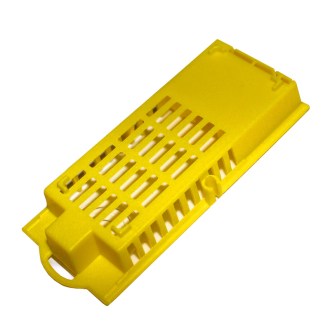
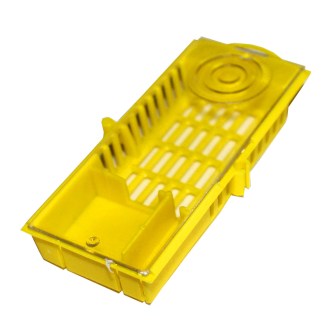
Our introduction and transport cages are designed to meet the needs of both the queen bee and the attendant bees. Thanks to their compact dimensions of 3.5 x 8 cm, the cage easily fits between the hive frames, making the process of queen introduction simple and hassle-free. The cage consists of two compartments: one for the queen and the other for candy paste, which provides food during adaptation.
Material selection is key – our cages are made from high-quality plastic for long service life and minimal maintenance. The bright yellow color also makes locating the cage in the hive quick and easy.
Queen Introduction Process
Introducing a new queen to the colony begins with removing the old queen and all queen cells. Placing the cage with the new queen and candy between the frames initiates the workers’ familiarization with her pheromones. This transition period usually takes about two days. After this period, the bees are able to release the queen themselves by eating through the candy paste, ensuring a smooth and natural acceptance of their new queen.
Variants and Specifications
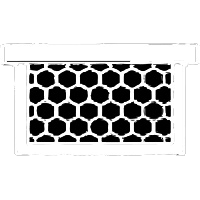
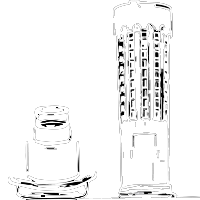
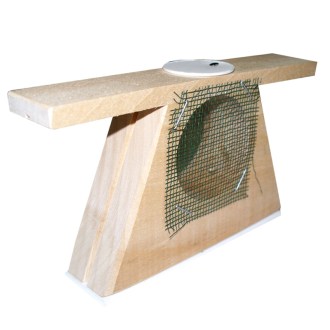
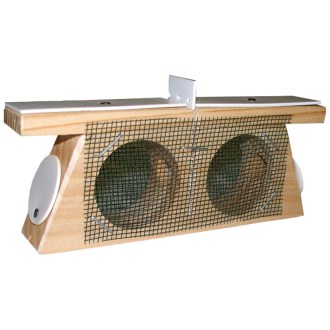
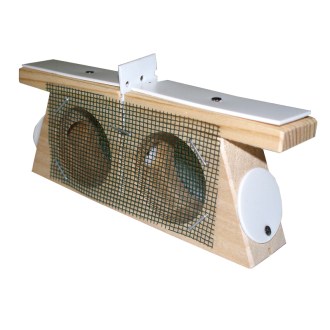
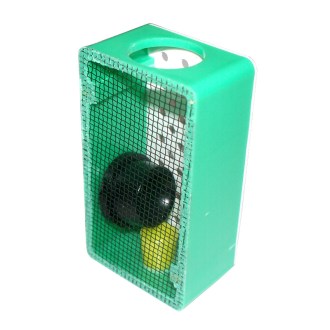
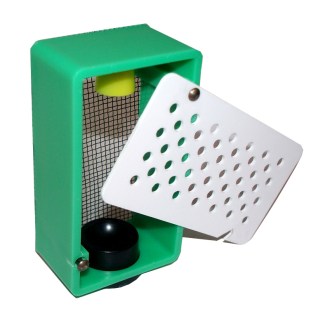
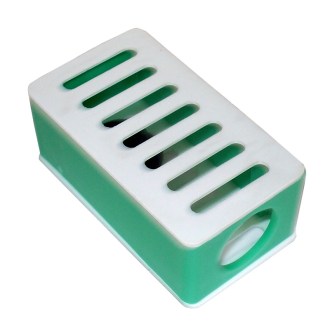
We offer a range of cages in both plastic and wooden versions, allowing beekeepers to choose based on their preferences and needs. Wooden cages, often equipped with double compartments, provide a more traditional approach and give bees easy access to the queen through wire mesh-covered openings.
For those preferring a reusable option, we also offer durable plastic shipping cages that withstand transport well and allow safe mailing of queens to any location.
Advantages of Introduction and Shipping Cages
-
Safety for the Queen: Protects the new queen from potential attacks by workers during the first critical days of adaptation.
-
Efficiency: Quick and easy installation between hive frames minimizes stress for both the bees and the beekeeper.
-
Flexible Use: Available in a choice of materials and constructions (plastic or wood) to suit various hive types and beekeeper preferences.
Introduction and shipping cages are an indispensable tool for any beekeeper who values the health and performance of their bee colonies. By investing in quality cages, you ensure a smooth queen introduction process and the long-term prosperity of your colonies under the leadership of a vigorous new queen. Order your cages today and experience the difference they can make for your hives.
Effective Methods for Introducing Queens to Bee Colonies
Beekeeping can be a fascinating hobby and passion, but it occasionally presents beekeepers with complex challenges. One such challenge is the safe introduction of a young queen into a colony. This procedure is crucial for ensuring a strong and productive hive but can be tricky, especially in late summer. Here we share tips and proven techniques for successful queen replacement.
The Importance of Pheromones in Bee Life
Bees rely on their queen’s specific pheromones for identification. This is why colonies react so sensitively when a new queen is introduced. In late summer, when the pheromone memory of worker bees is at its peak, the risk for an unfamiliar queen is even greater. Successful queen introduction requires disrupting this pheromone memory.
Artificial Swarm (“Smetenec”): Time-Consuming but Reliable
One of the most reliable, although time-consuming, methods is using an artificial swarm (“smetenec”). This technique involves creating a new colony from parts of existing hives, helping the bees become accustomed to the new queen’s pheromones. This method is often used when replacing old, unproductive, or overly defensive queens.
Successfully introducing new queens is an art that combines scientific understanding of bee behavior with practical experience and care. The keys are proper preparation, patience, and close observation. With the right approach, you can ensure a healthy and thriving colony—one that brings both satisfaction and a rich honey yield.
Frequently Asked Questions About Queen Introduction or Replacement
Introducing or replacing a queen in a hive can be a delicate task for many beekeepers. The process requires not only knowledge but also experience and patience to master this essential part of beekeeping. Here you will find answers to some of the most common questions beekeepers encounter.
What are the best practices for introducing a new queen to a colony?
One of the safest methods is to introduce the queen into an artificial swarm (nucleus) and to keep it temporarily cool and dark. This approach minimizes the colony’s chances of raising a replacement queen and improves acceptance. Another proven method involves creating a broodless, queenless environment inside the colony, which can be done by separating brood frames from the queen. It is essential to leave the queen in the cage for several days before allowing bees to access the candy plug.
What factors can affect successful queen introduction?
Several factors may influence acceptance of a new queen, including:
-
Presence of open brood, which the colony can use to raise a new queen.
-
Lack of young nurse bees.
-
A dearth period with no nectar flow, making bees less receptive to new queens.
-
Late summer when introducing queens is more difficult.
-
Presence of foreign pheromones or unfamiliar scents in the hive.
Is it better to introduce an inseminated or naturally mated queen?
Introducing an inseminated queen requires special care, as acceptance can be more challenging. It is generally recommended to begin with a nucleus colony with no brood, and later strengthen the new colony with brood frames just before the emergence of young bees.
How can I introduce queens to multiple hives at once?
When replacing queens in several hives at once, careful timing and planning are essential. Mature queen cells are usually accepted more readily than young or artificially introduced queens. It’s recommended to conduct introductions under favorable conditions, often using nuclei for acclimation before moving queens to the main hive.
What should I do if queens fail to be accepted?
If you encounter repeated difficulties with queen introduction, consider expanding your knowledge with beekeeper training courses or consulting with experienced beekeepers. Useful strategies include establishing an introduction site away from the main apiary, which can help minimize conflict with other bee groups.
Beekeeping requires understanding bee behavior and their needs. Proper queen introduction or replacement is key to maintaining a healthy and productive colony—an essential goal for every beekeeper.