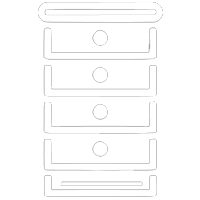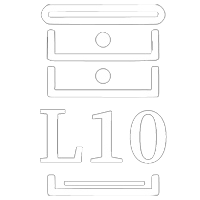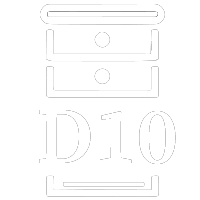
Langstroth / Dadant beehive
The Langstroth hive is the most widely used type of beehive in the world and serves as the original model for all modern hive systems. Over several centuries, the Langstroth hive has become globally popular thanks to its simple construction and ease of use. This hive design effectively meets the demands of beekeepers, offering versatility for various beekeeping methods under diverse climatic and honey-flow conditions.


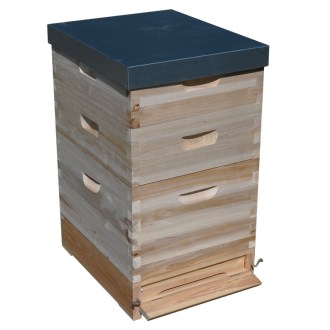


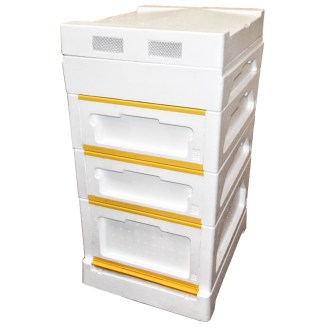
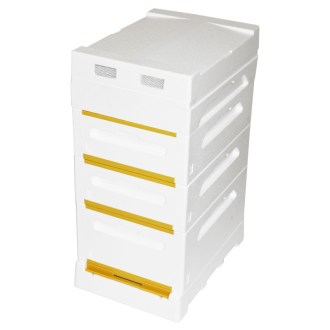


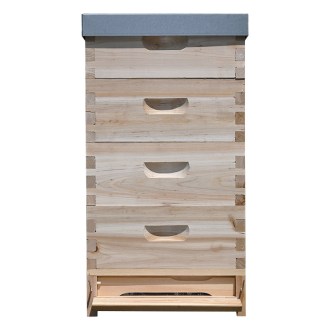
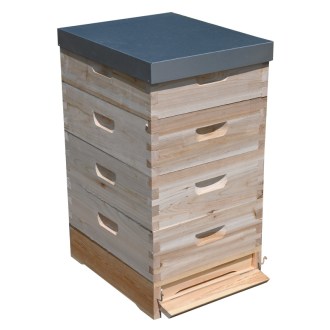
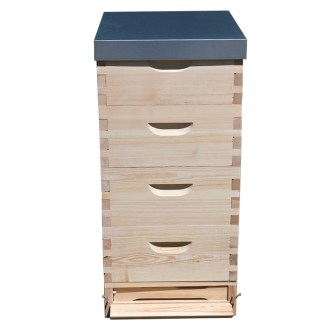
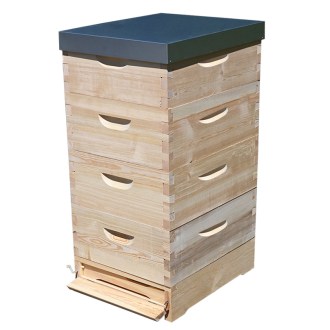
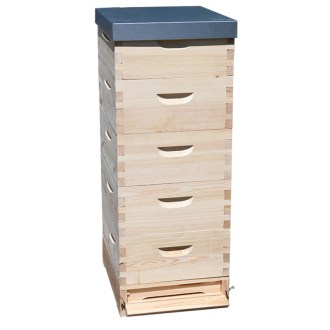
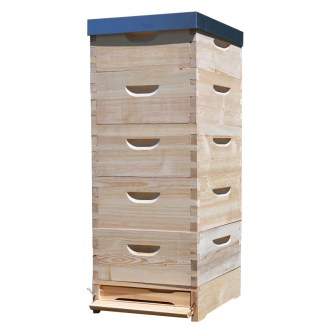
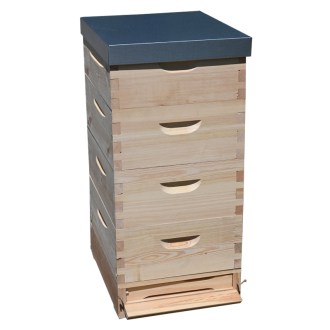
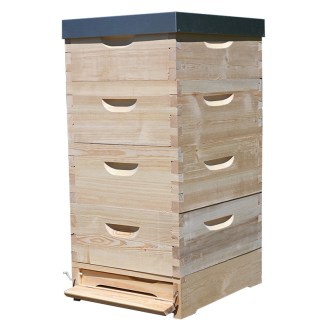
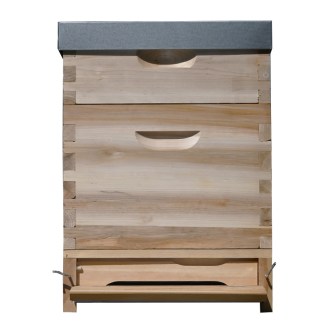
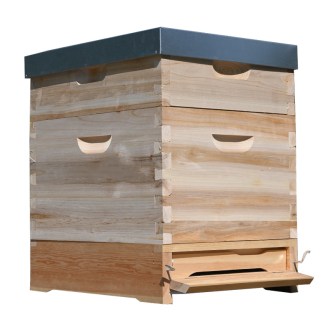
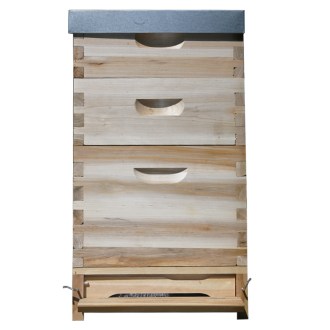
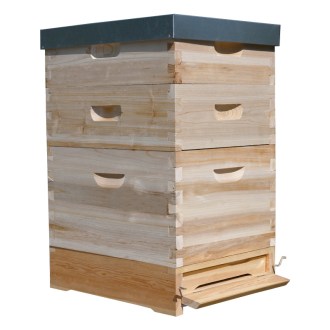




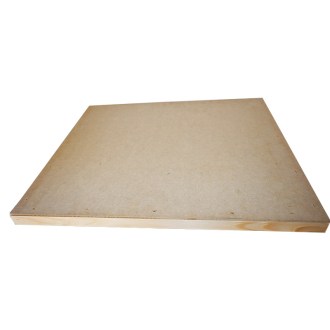
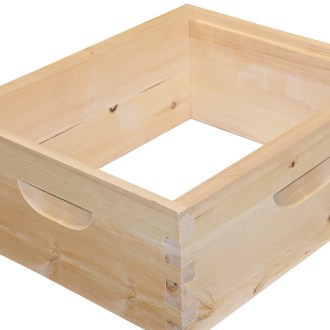
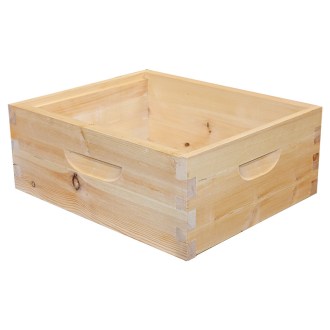
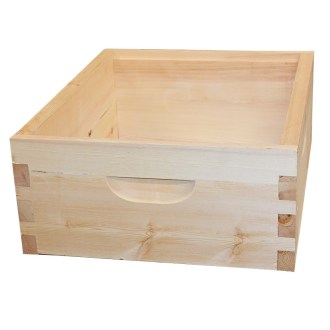
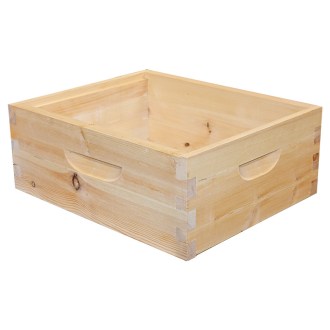
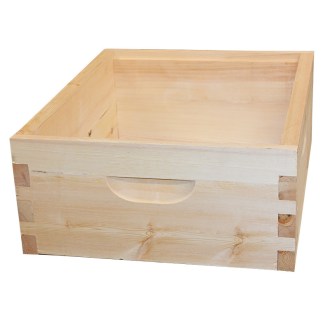
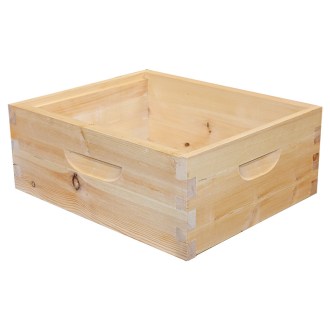
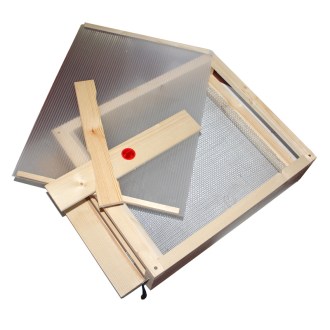
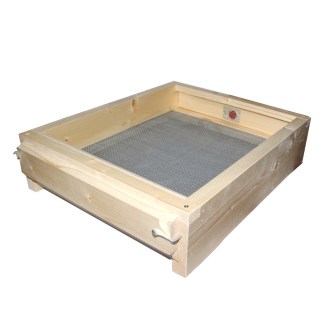
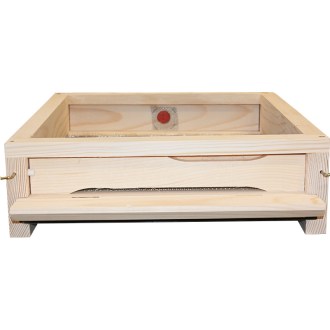


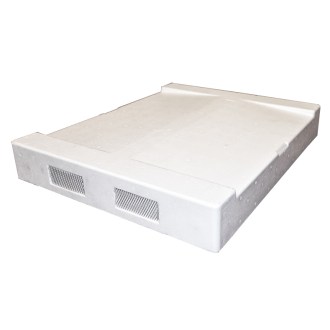
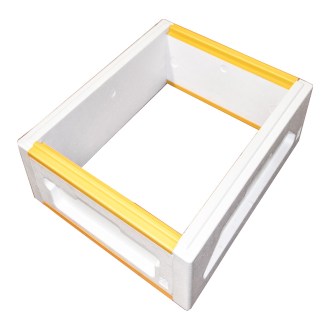
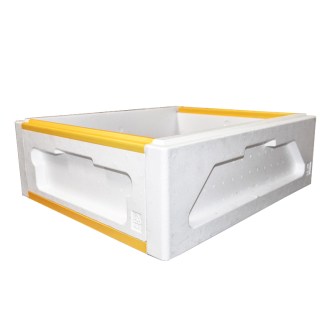

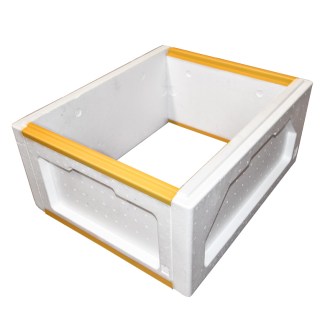
Advantages of Langstroth Hives: A System for Modern Beekeeping
In beekeeping practice, one can encounter many types of hives, but the Langstroth hive undoubtedly ranks among the most popular. Developed by Reverend Lorenzo Langstroth in the mid-19th century, this hive design remains highly favored due to its versatility and suitability for various needs in contemporary beekeeping. One popular use of Langstroth hives is the hybrid approach, which typically utilizes Jumbo brood-boxes combined with half-depth supers. This system has proved especially effective in regions with diverse nectar flows.
Adaptability and Flexibility
One of the primary advantages of Langstroth hives is their adaptability. Beekeepers can select different sizes of hive boxes according to the specific requirements of their colonies. For instance, using Jumbo hive bodies for brood provides ample space without the necessity of restricting the queen by a queen excluder. This flexibility is particularly beneficial during intensive brood-rearing periods, ensuring that the colony can fully develop without restrictions.
Easy Hive Management and Maintenance
Langstroth hives also offer easy handling and maintenance. Due to their standardized dimensions, these hives are simple to stack, transport, and manipulate. The mixed hive configuration facilitates straightforward rotation and replacement of comb frames via splits or merging colonies later in the season, thus enhancing internal hygiene and overall bee colony health.
Space Optimization and Efficiency
The combined Langstroth setup, particularly effective at higher altitudes, optimizes internal hive space. The queen usually confines egg laying primarily to the brood area, freeing the supers exclusively for honey storage. This arrangement allows bees to efficiently carry out tasks and organize activities within the hive, further improving the colony's productivity.
Benefits Across Diverse Locations
Langstroth hives perform exceedingly well in various geographic and climatic conditions. Near orchards or fields abundant in rapeseed, for example, their modular nature can easily accommodate brief, abundant nectar flows, ensuring sufficient honey-storage space. Moreover, hive components can be adjusted according to specific microclimatic conditions, crucial for successful bee management.
Langstroth hive usage, particularly within hybrid systems, represents a modern and highly effective approach to beekeeping, providing beekeepers with flexibility, manageable maintenance, and optimal colony building. For these reasons, Langstroth remains a favored choice among hobbyists as well as large beekeeping enterprises.
Why Choose Langstroth Hives?
-
Versatile Construction: Langstroth hives offer modular flexibility, permitting the use of various box heights—from deep brood boxes for unhindered brood management to smaller, lighter honey supers that are simple to handle.
-
Durability and Quality: Our hives are meticulously crafted from premium Eastern White Pine, ideally suited for hive box production, featuring superior joinery to ensure long-lasting and durable structures even when regularly painted.
-
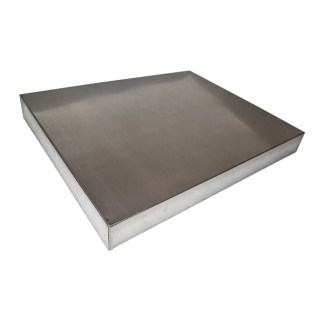
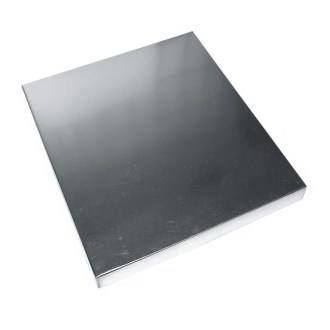
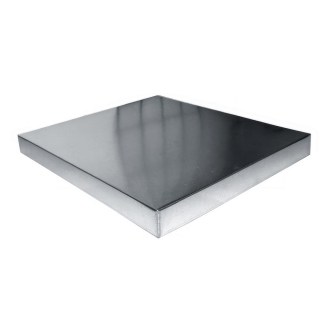
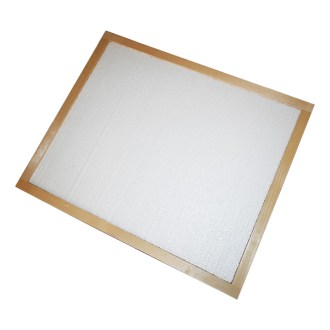
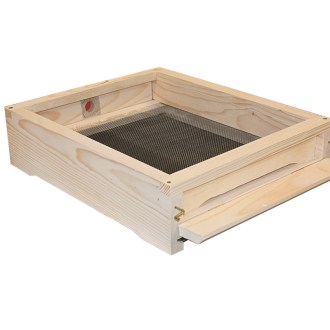
Component Flexibility: Do you prefer assembling your own hive configuration? We offer individual parts, from box frames to a selection of three Varroa screen bottom options, top covers, internal feeders, and insulating hemp mats.
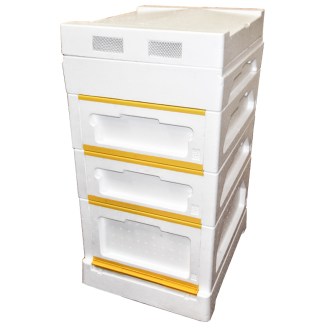
Innovative Solutions with Polystyrene Hives
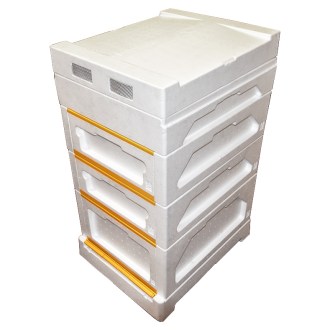
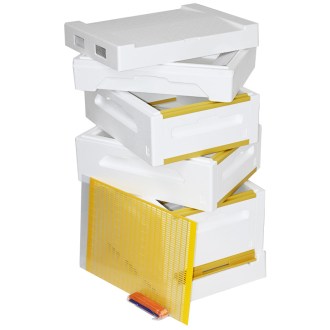
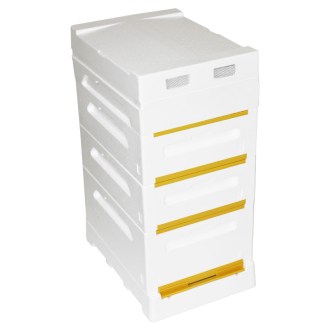
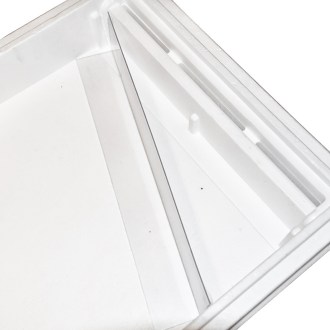
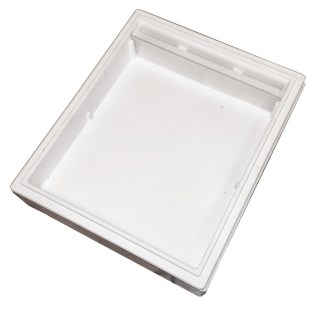
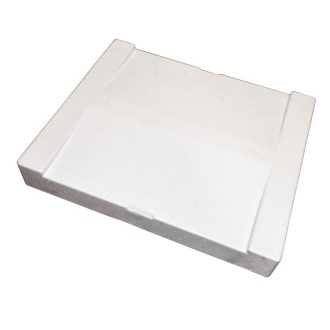
For those interested in innovative options, polystyrene hives are ideal solutions. Lightweight, attractive, and easy to handle, these hives provide excellent insulation, creating optimal conditions for bees during both winter and summer.
-
Quick Maintenance: Lightweight materials make hive handling, cleaning, and disinfecting quicker and easier.
-
Resistance & Longevity: Polystyrene hives retain excellent functional and aesthetic qualities over many years.
Choosing Langstroth hives places your trust in a proven quality solution, customized hive components, and convenient handling. Our comprehensive selection enables you to innovatively configure hives precisely matching your preferences, free of predetermined restrictions. Let's advance together toward user-friendly, effective, and modern beekeeping practices.
The Langstroth Hive: A Key to Effective Beekeeping
Introduced in the mid-19th century by Reverend Lorenzo Lorraine Langstroth, the Langstroth hive brought about a revolutionary change in beekeeping. His hive design dramatically influenced modern beekeeping methods, notably by establishing the concept of "bee space." Bee space prevents bees from building comb in unwanted areas and reduces excessive propolis use. This unique innovation greatly minimizes interference with the bees' natural activities and has greatly simplified effective hive management.
History of the Langstroth Hive
Prior to the Langstroth hive, bees were primarily kept in primitive hives such as straw skeps or simple wooden boxes without defined internal structures. In 1851, Langstroth recognized the importance of bee space, leading directly to the construction of the first truly modern beehive. This breakthrough fundamentally reshaped beekeeper interactions with colonies, honey management, and brood accessibility using non-invasive methods.
Key Innovations and Functions
At its core, the Langstroth hive is a vertically-oriented, modular beekeeping system consisting of interchangeable hive boxes. These boxes allow systematic control of colony expansion and efficient honey harvesting. Each hive box houses removable frames from which comb can be inspected or exchanged without damage. As a result, beekeepers easily track colony health, brood development, and honey storage levels.
-
Frames: Serve a vital role, enabling beekeepers to easily move and manage honeycomb. Interchangeable frames facilitate critical hive management tasks, such as swapping combs between strong and weaker colonies.
-
Hive Boxes: Flexible options include deep, medium, and shallow hive box sizes designed specifically for various brood-rearing phases and honey storage needs.
-
Bee Space: A standardized dimension of 6 mm to 9 mm prevents unwanted comb attachment to hive walls, eliminating damage during inspection and defining the core principle of Langstroth hive design.
-
Covers and Entrance Components: Hive construction typically comprises inner and outer hive covers protecting the colony from harsh conditions and enabling climate control. Entrance reducers and bottom boards further enhance airflow management and enable bees easy hive access.
Modern Applications and Variations
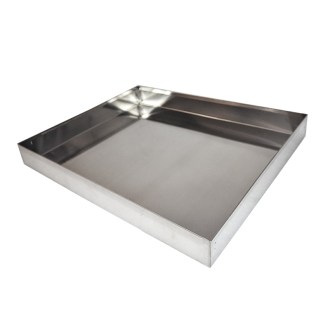
The Langstroth hive forms the basis for numerous modern hive systems widely used in both commercial and hobby beekeeping. Its adaptable structure, enhanced with various accessories such as queen excluders, feeders, and Varroa monitoring trays, allows easy adjustments depending on seasonal and local climatic conditions.
Practical Guide
Langstroth also authored the influential book "The Hive and the Honey Bee", which has become a foundational resource for beekeepers worldwide. This comprehensive guide provides detailed instructions for constructing and managing hives, and it remains revered as a classic manual for contemporary beekeeping.
Even after more than 150 years, the Langstroth hive remains an innovative solution in the field of apiculture, widely embraced globally for its practicality. The hive's universal design and standardized components make it easy for beekeepers around the world to manage and maintain their bee colonies efficiently, playing a critical role in supporting and protecting countless ecosystems.
The modular design is one of the key distinguishing features of the Langstroth hive, offering beekeeper-friendly flexibility and easy handling of the hive components. Standardized measurements of hive components promote effortless interchangeability and streamlined modern beekeeping practices. The following sections provide detailed information on the measurements and relevance of these individual parts of the Langstroth hive system.
Hive Supers
Hive supers provide space for brood rearing and honey storage. There are three main types categorized by their depth:
-
Deep supers: With a depth of 243 mm, deep hive supers are primarily utilized for brood rearing, offering ample space for egg laying by the queen. However, when filled with honey, these supers can become significantly heavy, creating handling challenges.
-
Medium supers: At a depth of 170 mm, medium supers serve rounded purposes in brood management and honey storage alike. They are preferred especially by hobby beekeepers due to their versatile dimensions suitable for a universal setup.
-
Shallow supers: With an approximate depth of 150 mm, these shallow supers are mainly employed for storing honey, as their lower weight makes harvesting easier and simpler.
Each super typically houses from 8 to 12 frames, onto which foundation sheets are fixed, providing the bees structures to build honeycomb.
Frames
Frames are integral structural elements inside Langstroth hives, helping organize and secure the comb structures within brood chambers and honey supers. Standardized frame dimensions guarantee compatibility with hive supers:
-
Frame length: 480 mm
-
Deep frame depth: 230 mm
-
Medium frame depth: 160 mm
-
Shallow frame depth: 140 mm
-
Frame width: 35 mm
Movable frames simplify management practices, allowing easy inspection, removal, and transfer of comb between hives. Frames are most commonly built from wood (softwoods such as pine) or durable plastic materials.
Super Volume
Hive supers utilize standard dimensions and volumes, providing convenience in mixing and matching supers among hives:
-
10-frame deep super: Its internal dimensions are approximately 470 mm by 370 mm with a volume around 42.75 liters.
-
10-frame medium super: While length and width match the deep supers, volume is reduced to about 29.42 liters.
-
8-frame deep super: Narrower in width, providing an approximate volume of 35.50 liters.
Choosing the Right Size
Selecting suitable super and frame dimensions depends mainly on individual beekeeper preferences and environmental conditions. A significant benefit of the Langstroth system's standardization is the adaptable nature and flexibility it offers, allowing beekeepers around the world to tailor their configurations to better accommodate their needs.
Thanks to standardized dimensions and easy components management, the Langstroth hive remains fundamental to efficient beekeeping worldwide, combining simplicity and practicality to encourage thriving bee colonies.