Creaming
Creaming honey refers to a process that produces a finely crystallized honey with a smooth, spreadable texture. The advantage of this treatment is that the honey retains its consistency and does not change over time, remaining in its creamy form. This means you can use the honey at any time without waiting for it to liquefy. Creaming can be done mechanically using a creaming machine that grinds the honey to the desired crystal size, a method more suitable for large-scale production. The second option is controlled crystallization, which is the approach most small-scale beekeepers prefer.






Creamed Honey: A Smooth Delight from Your Apiary
Creamed honey represents not only a natural treasure created by bees but also the skill and care of beekeepers. This honey results from a special process involving slow and frequent stirring, which gently breaks down honey crystals into a creamy paste. This method preserves all the valuable properties of honey, resulting in a product with a texture similar to a popular nut spread. Its light colour—often even pure white—and smooth texture make it easy to spread, which families with children particularly appreciate.
Creaming transforms floral honey into a pleasantly spreadable paste that adheres firmly to bread without dripping. The technique gives honey a new form loved by both adults and children. Thanks to its consistency, creamed honey is especially popular among consumers who dislike hard, crystallized honey and those seeking a smooth, creamy honey experience.
What Is Creamed Honey?
Creamed honey is simply floral honey that has been mechanically stirred into a paste. This process prevents it from solidifying completely while maintaining its original quality, as creaming involves no heating. The honey’s structure is altered mechanically rather than chemically, resulting in a fine, silky texture.
The creaming process keeps honey in a semi-crystallized state, preventing it from becoming either too hard or too runny, regardless of temperature. This ensures that honey remains creamy for an extended period.
Why Cream Honey?
Creaming brings several benefits for both beekeepers and consumers. Beekeepers can expand their product range and reach new customers. The result is a high-quality, unprocessed honey that retains its natural properties without being heated or filtered. This guarantees that the honey you purchase is authentic and full of natural nutrients. Additionally, creamed honey can be enriched with ingredients such as freeze-dried fruits or nuts, making it even more appealing.
Consumer Benefits
For consumers, creamed honey offers an ideal consistency—perfect for children and enjoyed by all age groups. Its smooth, spreadable texture makes it a favourite for everyone who loves honey on bread or toast.
Economic Advantages
Creaming honey allows beekeepers not only to increase sales volumes but also to achieve higher prices for a specialized product. The price increase is natural, given that creaming requires time, the right equipment, and careful work. Customers, however, are often willing to pay more for a high-quality, delicately processed honey that stands out as an exclusive product for discerning buyers.
Creamed honey is a delicious and nutritious product that enriches the honey assortment with an attractive alternative to traditional liquid honey. For beekeepers, it’s a way to make efficient use of excess honey production and meet the growing demand for innovative, high-quality bee products. For consumers, it offers a smooth, nourishing natural treat that’s easy to use. Adding creamed honey to your product portfolio is a logical step for modern beekeeping that meets evolving market expectations and prioritizes quality.
Techniques for Creaming Honey
There are several effective techniques for achieving a creamy texture based on combining different types of honey:
-
Combining regular liquid honey with crystallized honey
-
Mixing liquid honey with pre-crystallized honey
-
Blending liquid honey with partially crystallized honey
Each method can produce excellent results, so do not be discouraged by possible setbacks. The outcome depends mainly on your preferences and the texture you wish to achieve.
Choosing the Right Equipment
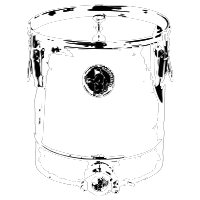
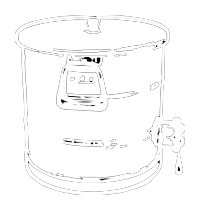
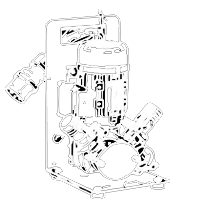
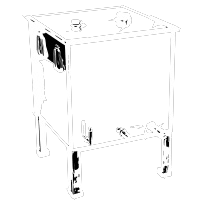
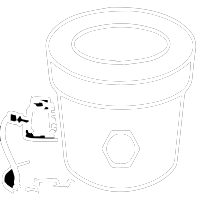
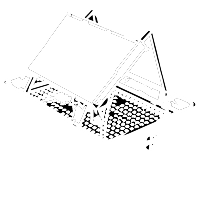
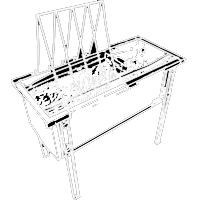
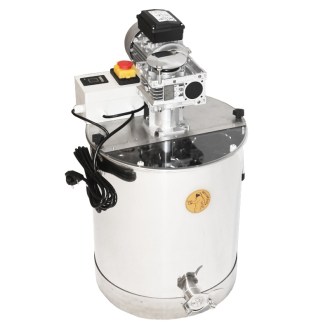
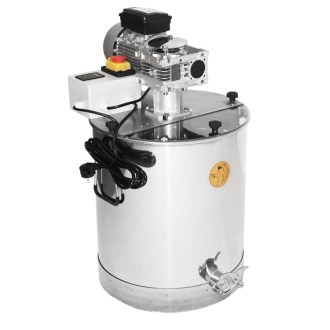
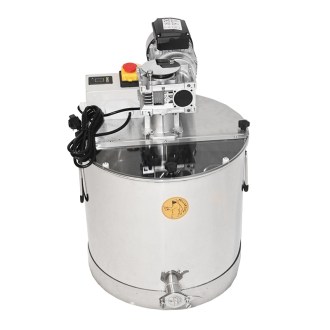
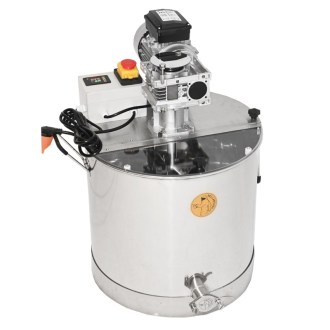
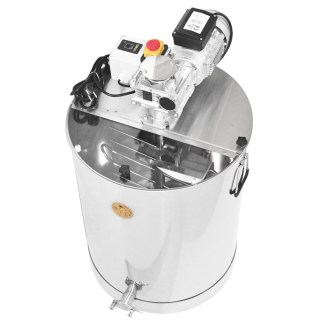
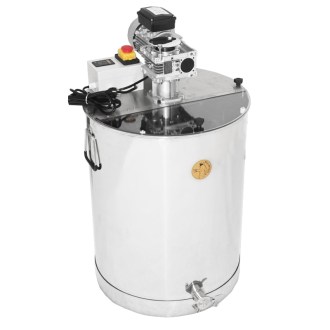
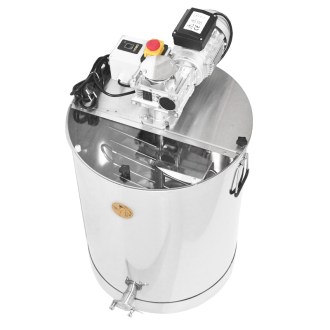
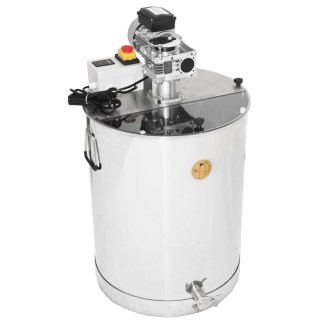
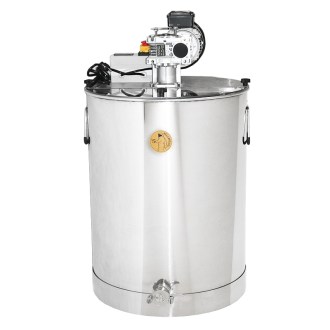
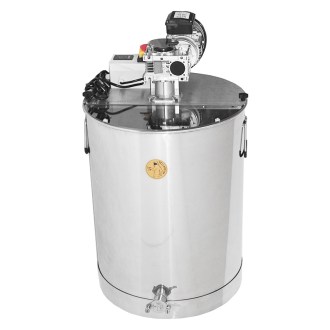
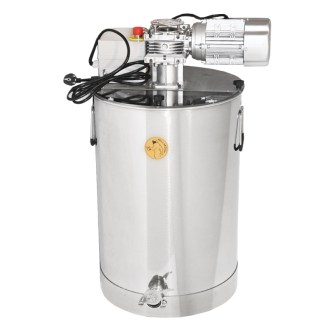
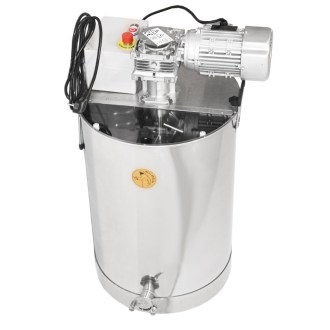
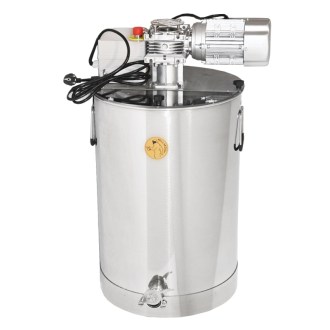
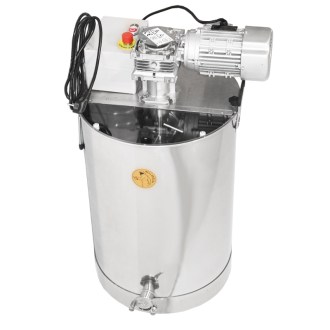
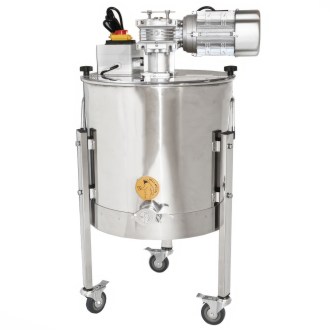
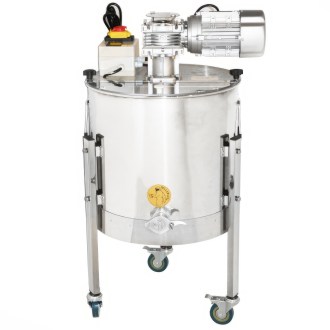
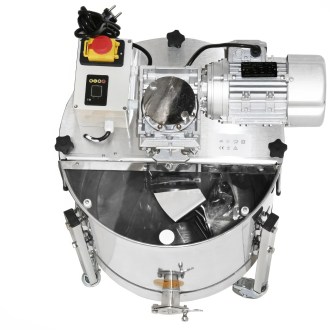
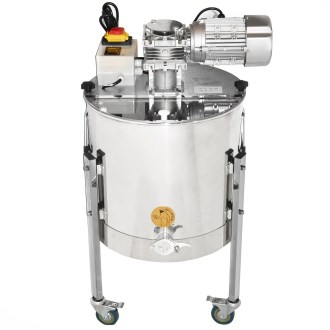
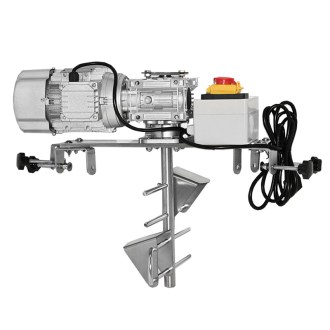
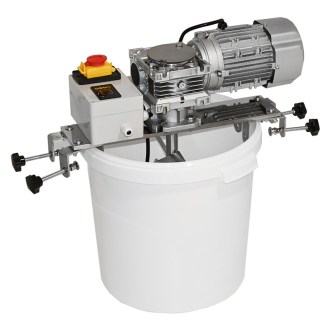
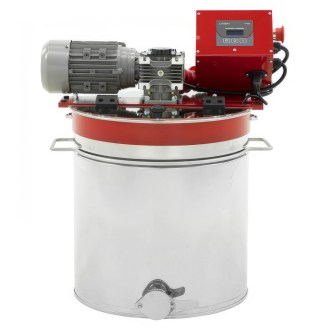
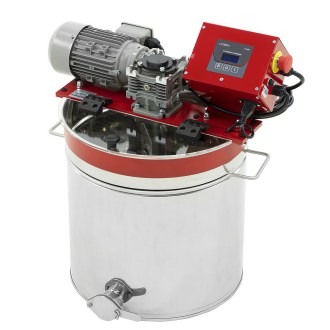
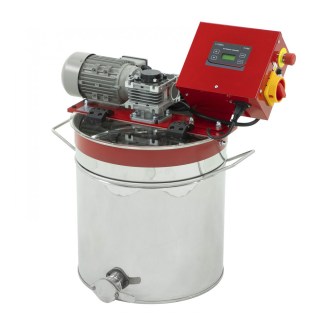
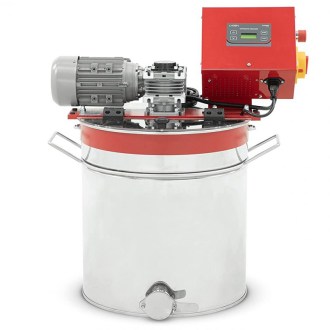
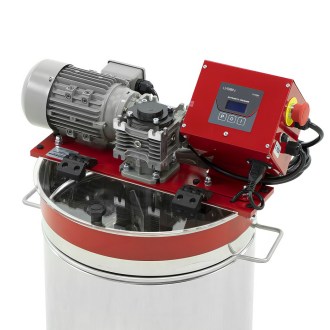
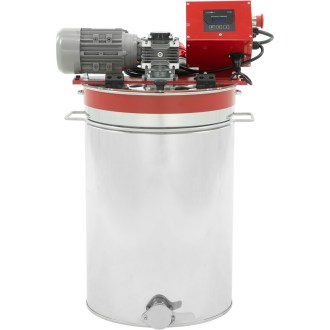
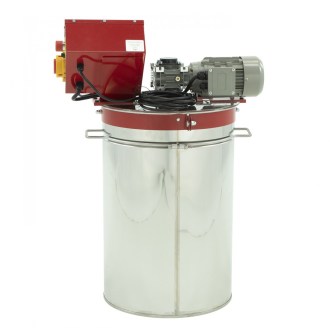
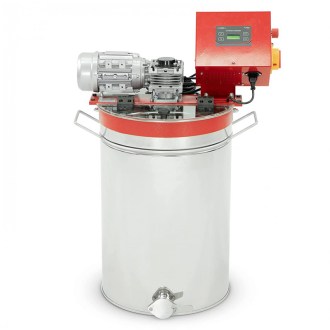
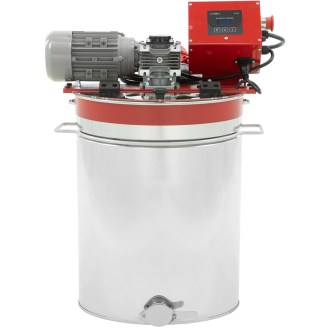
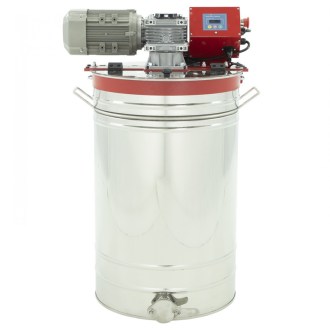
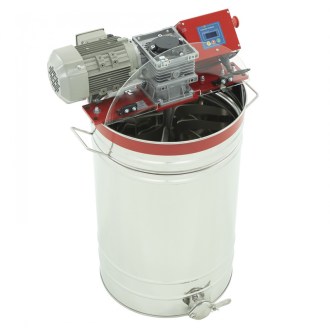
Using the proper equipment is essential for successful creaming. We offer various sizes and models of honey creaming machines with tanks ranging from 50 to 600 litres, suitable for both small-scale and professional beekeeping. Some models are equipped with a heating jacket, which simplifies the handling of fast-crystallizing honeys such as rapeseed honey.
These devices allow you to control the mixing process and ensure optimal temperature throughout creaming.
Flavoured Honey – A Revolution in Beekeeping
Creamed honey can be combined with various ingredients, including freeze-dried fruits or spices. Special varieties such as honey with cocoa, sea buckthorn, or coffee offer consumers an exceptional taste experience. These additions not only enhance the flavour but also help preserve the honey’s quality thanks to low water content.
Flavoured honeys are becoming increasingly popular, helping beekeepers expand their product range with attractive options that capture customers’ interest.
Creaming honey is an effective way to add value and diversify the beekeeper’s product portfolio. The investment in creaming equipment pays off quickly due to the growing popularity of creamed honey on the market. Whether classic or flavoured, creamed honey offers consumers an irresistible experience and gives honey a completely new dimension.
Step-by-Step to Perfect Creamed Honey
-
Extraction and Filtration: After honey is extracted from the combs, filter it through a fine sieve to remove impurities such as wax and pollen residues. This step is crucial for achieving a smooth final texture.
-
Settling: Pour the filtered honey into a container and let it stand until it becomes slightly cloudy—a sign that crystallization has begun. This stage can take several hours to a few days, depending on temperature.
-
First Stirring: Once the honey becomes cloudy, stir it every 12 hours for 20 minutes. Stir slowly and evenly to distribute the small crystals uniformly and prevent the formation of larger ones.
-
Observing the Pearl Effect: The goal is to achieve the so-called pearl effect—a fine and uniform structure with tiny crystals, indicating ideal honey consistency.
-
Temperature Adjustment: If the honey becomes too firm or crystallizes unevenly, place it in a liquefying box at 39 °C for about 20 hours. This temperature gently softens the crystals without damaging the honey’s quality.
-
Additional Stirring: After liquefying, stir for another 30 minutes to achieve perfect consistency and even crystal distribution, preventing further crystallization.
-
Filling: Once you reach the desired texture, transfer the honey into the filling container and let it rest for another 8 hours in the liquefying box to stabilize flow during filling.
-
Jarring: When the honey reaches ideal consistency, fill it into jars and seal them immediately to protect against moisture and contamination.
Different Types of Mixing Machines
Mixing machines are essential tools for beekeepers to achieve a uniform creamy texture and efficient filling process. Below are some of the most common types:
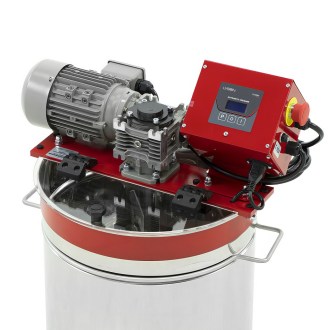
Creaming Mixer with Timer
-
Automatic Control: The built-in timer allows precise setting of mixing cycles, automating the process and eliminating the need for constant supervision.
-
Gentle Processing: The machine ensures soft and even mixing, resulting in a smooth, velvety honey texture.
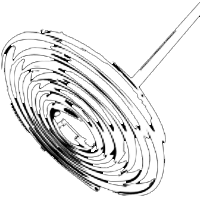
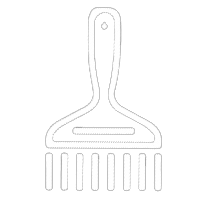
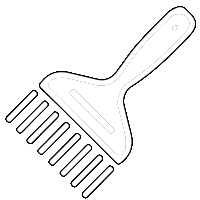
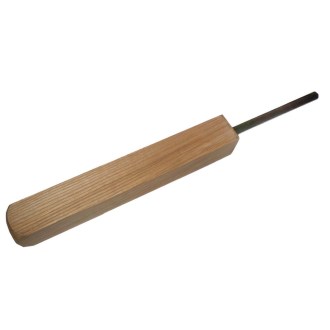
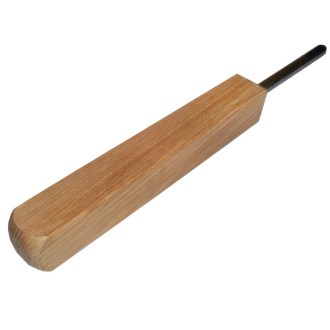
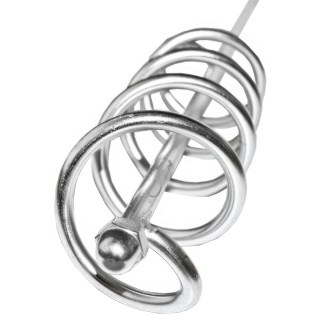
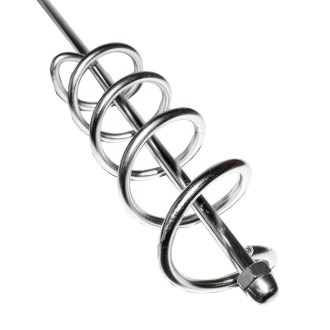
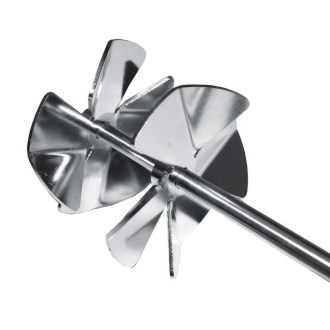
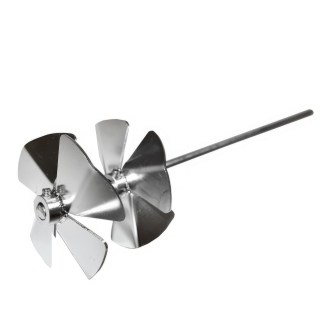
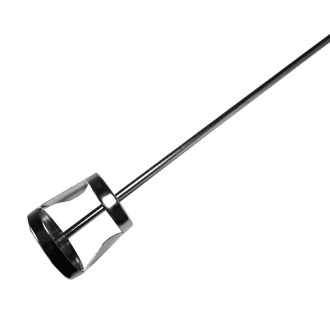
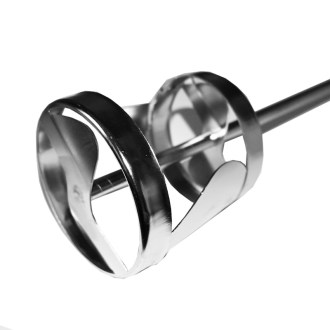
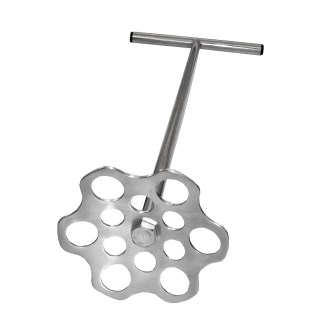
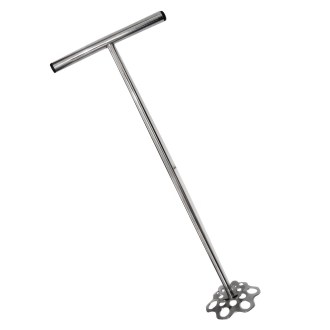
Mixing Attachments
-
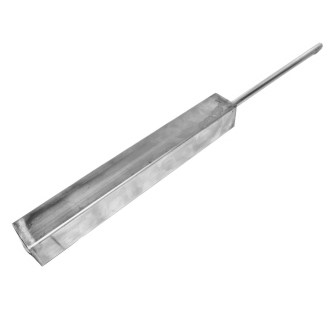
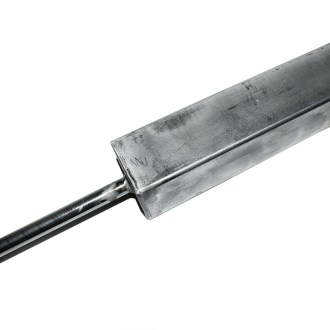
Various Sizes and Shapes: Designed to fit containers of different capacities, optimizing mixing efficiency.
-
Easy Maintenance: Mixing attachments are typically detachable and easy to clean.
Professional Heated Mixing Devices
-
Temperature Control: A double-wall design enables precise temperature regulation during mixing, preventing overheating.
-
Large Capacity and Efficiency: Ideal for larger-scale production, providing consistent and continuous mixing.
Advantages of Using Mixing Machines
-
Consistent Quality: Regular mixing prevents the formation of large crystals and ensures a creamy texture.
-
Time Efficiency: Automation allows beekeepers to focus on other tasks while maintaining high-quality honey production.
-
Professional Results: Mixing machines deliver uniform, high-quality results—an essential factor for professional beekeeping operations.
Using modern creaming equipment not only simplifies the production process but also ensures consistent results that satisfy even the most demanding customers. Investing in quality mixing technology is, therefore, a decision that truly pays off.