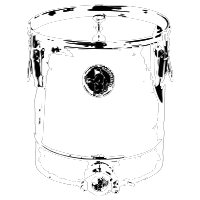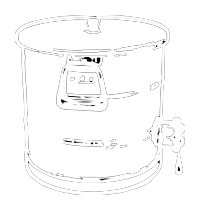
Plastic honey tanks with valve
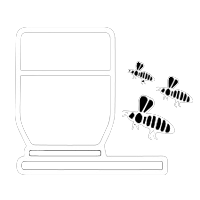
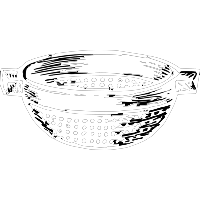
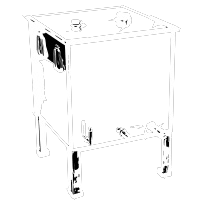
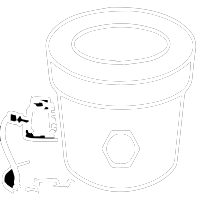
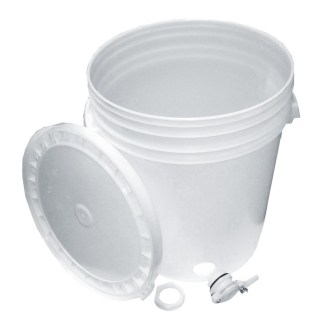
Plastic honey tanks are essential equipment not only for hobbyist beekeepers but also for those with larger apiaries. It is best to use specialized tanks that are certified for food contact to ensure the safety and purity of your honey. Plastic honey tanks can be fitted with either plastic or stainless steel honey gates for easy dispensing. The manual dispensing valve allows for simple and convenient handling. Thanks to their airtight, sturdy lids, these tanks offer an ideal and affordable solution for honey storage. Replacement taps and seals are also available. In our range, you’ll find honey tanks in various capacities to suit your needs. We also offer accessories such as stands for tanks and strainers for better honey filtration.


Plastic Honey Bottling Containers
Proper honey bottling is the symbolic finishing touch to the entire beekeeping season. After caring for the bee colonies, extracting honey in the honey extractor, and careful filtration, the moment comes when cleanliness of work, clarity, and comfort matter most. A plastic honey bottling container represents a proven and practical solution for beekeepers who want to keep the entire honey-filling process under control – from the first settling stage to the last filled jar.
A Practical Helper Between the Extractor and the Jar
In beekeeping practice, the bottling container serves as an important intermediate step between extraction and final packaging of honey. Freshly extracted honey is strained into the container through sieves, allowed to settle and clarify, and then conveniently filled directly into jars or other containers. Thanks to the bottling tap, filling is smooth, without unnecessary spilling or contamination of the workspace.
-
comfortable and clean filling of honey into jars
-
short-term storage of honey after extraction
-
clarification and sedimentation after straining
-
mixing and processing honey (e.g. during creaming)
-
handling and transport of honey within the honey house
Why Choose a Plastic Bottling Container
Plastic containers have earned a solid place in beekeeping primarily thanks to their light weight and easy handling. They are appreciated by hobby beekeepers with just a few hives, as well as by more experienced beekeepers working with larger volumes of honey. The transparent or semi-transparent material also allows immediate control of the honey level and its clarity.
-
low weight – easier carrying even when full
-
good visibility of contents – easy monitoring of foam, bubbles, and sediment
-
easy maintenance – quick washing without risk of corrosion
-
affordable price – an accessible solution even for beginner beekeepers
-
universal use – bottling, clarification, and mixing of honey
Construction Designed for Working with Honey
A bottling container is not just an ordinary plastic vessel. It is designed specifically for the needs of beekeeping operations, where hygiene, stability, and dosing accuracy play a crucial role.
Bottling Tap
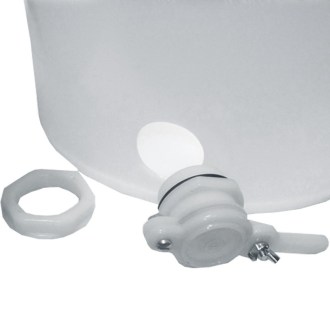
The tap located at the bottom of the container allows smooth and precise honey bottling. The flow can be easily regulated, so jars are filled without unnecessary dripping. A major advantage is the possibility to disassemble the tap and clean it thoroughly, which is essential for maintaining hygiene during repeated use.
Sealing Lid
A tightly fitting lid protects the honey during settling from dust, moisture, and foreign odors. During the clarification process, the honey can “rest” undisturbed, allowing foam and fine impurities to separate on the surface, where they can later be easily removed.
Food-Grade Material
The container is made from high-quality food-grade plastic (most commonly PP or PE), intended for direct contact with food. This material is safe for health, does not affect the taste or aroma of honey, and withstands repeated washing and normal operational loads in the honey house.
To preserve honey quality, we recommend using the container exclusively for honey and following basic hygiene rules – a clean environment, dry containers, and protection from contamination.
How to Choose the Right Size
The choice of capacity depends on the number of bee colonies, the amount of extracted honey, and handling possibilities. Smaller containers are easier to carry, while larger ones are better suited for stationary placement when clarifying larger batches.
-
smaller capacities – ideal for manual handling and creaming
-
medium capacities – a universal solution for standard bottling
-
larger capacities – suitable for settling larger quantities of honey
Tips for Clean and Efficient Bottling
-
Always strain honey after extraction and allow it to settle at least briefly.
-
Place the container on a stable, elevated surface so jars fit under the tap.
-
Wipe the tap regularly to prevent dust from sticking to the honey.
-
Fill jars smoothly and without rushing – this reduces bubble formation.
-
After finishing, wash the container and tap immediately with warm water.
Who the Container Is Suitable For
A plastic bottling container is an ideal choice for hobby and semi-professional beekeepers. It is perfectly suited for seasonal extraction, small to medium quantities of honey, and as an auxiliary container in the honey house. Thanks to simple operation and easy maintenance, it will be appreciated by anyone who wants to bottle honey cleanly, clearly, and without unnecessary effort.
A well-chosen bottling container will save you time, make your work easier, and help preserve the high quality of honey from the hive all the way to the final customer.