Bee wax
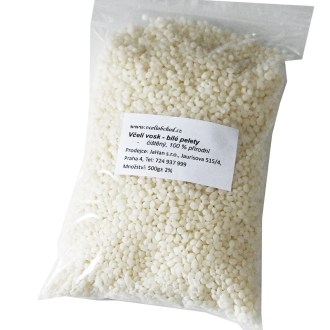
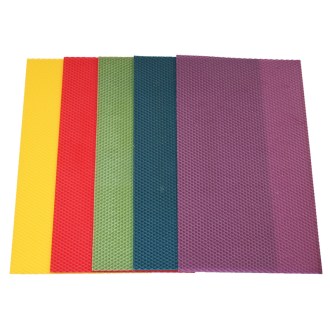
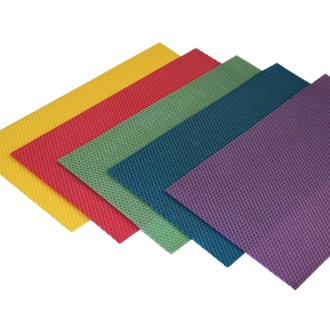
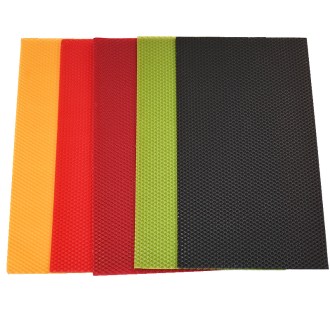
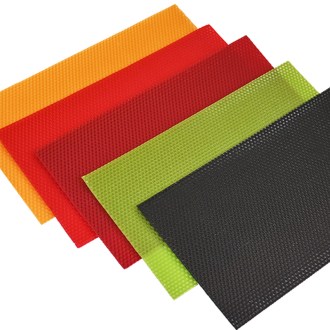
In our selection, you will find a wide range of bee wax, an essential material for every beekeeper and enthusiast of homemade crafts. Bee wax is a natural substance produced by worker bees between the 12th and 18th day of their life. We offer wax foundation sheets, which are perfect both for beekeeping use and candle making. These foundation sheets are available in various colors and offer easy handling along with a pleasant scent when burned. For convenient use and accurate dosing, we also provide wax pellets in traditional yellow as well as in unique red varieties. Bee wax is also an excellent base for making homemade balms, soaps, and other cosmetic products.


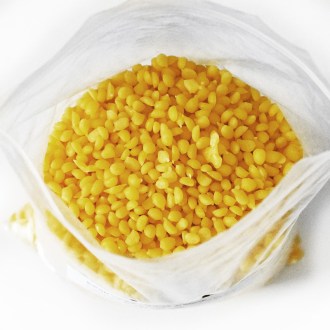
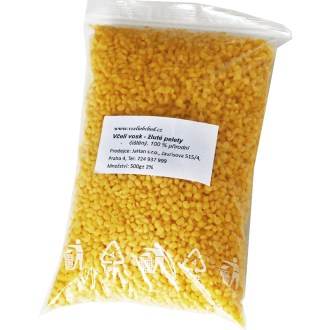
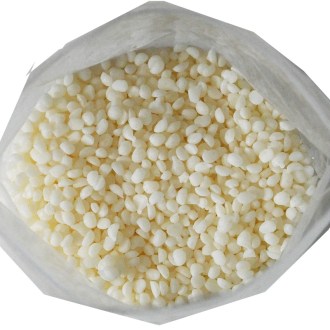


Bee Wax: Nature’s Treasure
Bee wax is a remarkable product from the world of bees, renowned for its wide usage in households, industries, and the arts. This unique material is produced by worker bees, usually between 12 and 18 days old, using special wax glands located on the underside of their abdomens. Freshly secreted white wax scales are collected and chewed by bees, giving them shape and making them the perfect building material for honeycombs.
Origin and Composition of Bee Wax
Bee wax is a complex mixture of esters of fatty acids, free acids, and hydrocarbons. Its characteristic color and properties stem not only from its unique chemical composition but also from the transformative process it undergoes over time, including interaction with pollen grains and brood. New comb begins as a pale yellow, but as more bees develop within the cells, the comb gradually darkens. Beekeepers regularly replace old, dark comb with fresh foundation sheets to help maintain the health and productivity of the hive.
Processing and Uses of Bee Wax
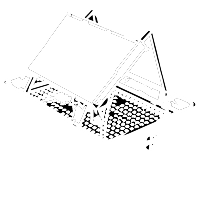
Bee wax is highly valued for its unique traits and versatility. It has a melting point of around 65°C, making it ideal for a wide range of applications. Solar wax melters are commonly used to extract wax from honeycombs, which is then further cleaned and refined. Beekeepers often exchange raw wax for foundation sheets, helping accelerate and simplify comb building in tanks.
Thanks to its malleability and natural qualities, bee wax is a classic choice for candle-making—whether rolled from foundation sheets or cast into molds. For those passionate about crafts, wax is perfectly suited for encaustic art or decorating Easter eggs. Bee wax is also a common base for a variety of cosmetics, including lip balms and creams, and even has uses in the food industry, such as coating candies or serving as a natural release agent for baking pans. Additionally, it delivers outstanding waterproofing protection for leather goods and woodwork.
Unique Qualities and Eco-Friendly Benefits
Free from preservatives and chemical additives, bee wax is an environmentally conscious choice that also brings health benefits. It is hypoallergenic and gentle on the environment. Its protective qualities make it a popular ingredient in cosmetics for sensitive skin. With proper storage, bee wax remains usable for years, making it a sustainable and economical option for both home and industrial uses.
Discover the magic of bee wax and see how it can enrich your home and garden. This natural product not only enhances your daily life but also connects you with the wisdom and tradition that have surrounded its use for centuries.
The Composition of Bee Wax: Nature’s Intricate Alchemy
Bee wax is a fascinating blend, mainly composed of esters, fatty acids, free acids, diesters, and hydrocarbons. This complex combination is produced by the bees metabolizing sugars and pollen within their digestive and wax-producing systems. Each ingredient contributes to the wax’s distinct traits, such as its texture, flexibility, and durability.
Key Components of Bee Wax:
-
Esters of fatty acids: Make up to 70% of the wax’s mass, determining its structure and appearance. They are responsible for the classic waxy texture and moldability.
-
Free fatty acids and diesters: Provide flexibility and high occlusivity, meaning they effectively lock in moisture.
-
Hydrocarbons: Account for about 13% of the wax’s content and are vital for its insulating properties. They offer water and heat repellency, making wax ideal for sealants and protective applications.
How to Recognize Quality Bee Wax
Identifying quality bee wax is crucial, especially if you plan to use it in cosmetics, food production, or other sensitive areas. Here are key criteria to help you recognize genuine bee wax:
-
Color and scent: High-quality bee wax should have a naturally light color, sometimes tinged with pale yellow. The exact shade can vary with the bees’ environment and the pollen they use, with a distinctive, pleasant honey- or floral-like aroma indicating purity.
-
Texture: Real bee wax is pliable and should not crumble. When you try to bend a thin strip, it should remain flexible without breaking.
-
Melting point: Good-quality bee wax melts between 61-65°C—an important feature for processing it in different applications.
-
Free of additives: Authentic bee wax contains no added paraffin, ceresin, or synthetic substances, ensuring it retains its natural qualities and is safe for health.
It is always best to purchase bee wax from trusted suppliers who guarantee its origin and purity. Thanks to its natural properties, quality bee wax becomes an indispensable part of your home—whether you use it for decorative, cosmetic, or practical purposes.
Applications of Bee Wax
Because of its unique natural properties, bee wax is a perfect fit for a broad spectrum of uses, from ancient crafts to modern industrial applications. Here, we'll explore the many ways bee wax can be used, showcasing its versatility and value.
1. Beekeeping
In beekeeping, bee wax is a crucial building block for honeycombs. Beekeepers use wax foundation sheets to promote faster, more efficient comb building. Wax harvested from the tank can then be processed and reused to support new colonies.
2. Candle Making
One of the oldest uses of bee wax is in candle making. Pure bee wax candles emit a soft, natural light and release a subtle honey scent that is inseparable from beekeeping tradition. Wax is easily molded into different shapes, from rolled sheets to intricate cast designs.
3. Cosmetics
In the cosmetics industry, bee wax is a favorite ingredient for lip balms, creams, and ointments due to its moisturizing and protective effects. The wax forms a thin layer on the skin, locking in moisture and promoting softness and elasticity.
4. Food Processing
Bee wax is approved as a food additive (E901) for a variety of purposes, such as polishing candy, chocolate, and fruit confections, or as a protective coating for cheese. It is a helpful lubricant for baking pans and molds thanks to its natural non-stick quality.
5. Wood Care and Furniture
Bee wax is an excellent treatment for wooden surfaces. It is used in furniture polish to add shine and protect against moisture and mechanical damage. Simply apply and buff the wax to enhance both the appearance and the longevity of any wooden furniture.
6. Leather Impregnation
Bee wax is also a popular eco-friendly and safe alternative for waterproofing leather goods like shoes and bags. It creates a protective layer that repels water and keeps leather supple and crack-free.
7. Encaustic Art and Creative Techniques
Encaustic painting is an ancient technique using hot wax to apply colors. The process allows artists to create unique textures and effects, with bee wax acting as a binding agent ensuring both stability and durability. Wax is also used for decorating traditional Easter eggs and other art projects.
8. Home Uses and Decoration
For craft lovers, bee wax offers endless opportunities, such as reusable wax wraps as a sustainable alternative to plastic, homemade cosmestic products, or aromatic pouches for wardrobes. Bee wax provides countless ways to bring eco-friendly solutions tailored to your needs.
Enjoy the charm of bee wax in your home and discover how it can introduce simplicity and natural beauty into every corner of your life.