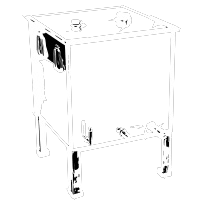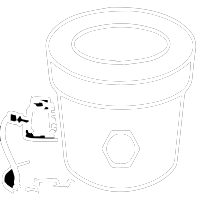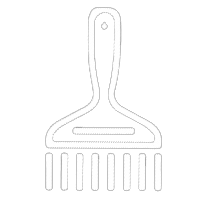
Queen isolator cages
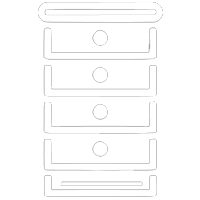
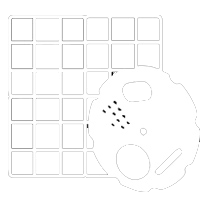
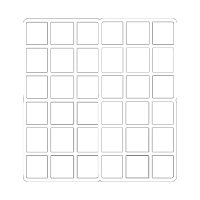
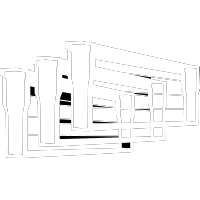
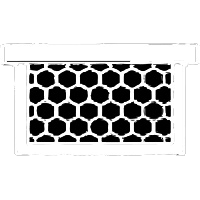
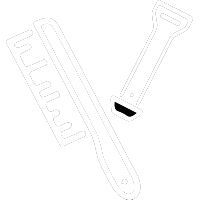
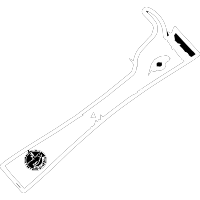
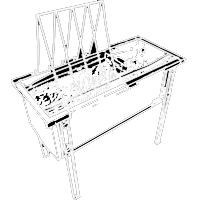
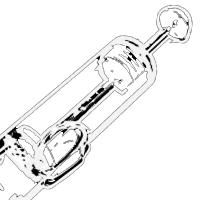
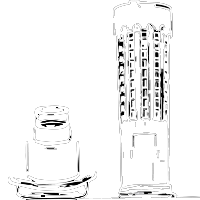
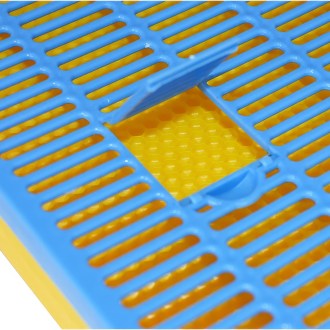
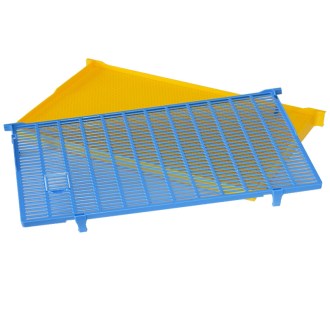
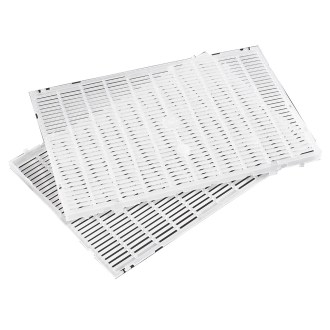
Queen isolators – a natural way to combat the Varroa mite. Gain an effective method of colony management without the use of chemicals. Queen isolation (caging) consists of confining the queen for 20–22 days during summer, which significantly reduces capped brood and makes it easier to lower the number of phoretic mites. We offer single-frame and multi-frame isolators in plastic or all-metal versions for various hive types. After caging, it is advisable to evaluate mite fall, possibly remove honey stores, and carry out treatment to rear a strong winter generation of bees. For best results, it is recommended to unify the procedure across the entire apiary.
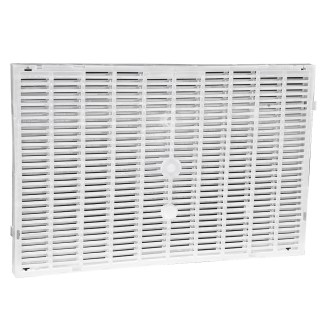
Queen Isolators for Varroa Control
Experience an effective and natural solution in the fight against the Varroa destructor mite. Queen isolators are essential tools for beekeepers, not only reducing the need for chemical substances, but also helping maintain high colony vitality and potentially increasing honey yields.
Queen Isolation: A Revolutionary Chemical-Free Approach
Queen isolation is an advanced and environmentally friendly technique that helps beekeepers minimize the use of treatments when controlling Varroa populations. This method leverages a natural interruption of brood cycles, reducing mite reproduction opportunities and supporting both the health of the bees and their honey production.
Our queen isolators are indispensable for safely separating the queen bee from the worker bees, preventing her from moving freely through the hive. We offer both single-frame and multi-frame isolators, customized for various hive types. Why is queen isolation key? It helps reduce Varroa mite reproduction by interrupting egg-laying for 20 to 22 days—an optimal period for effective mite control measures.
Queen Isolators for Summer Confinement: A Strategy for Healthy Colonies
Summer confinement of the queen is an innovative method that has proven its value even in large-scale operations. This approach involves placing the queen in an isolator, interrupting her egg-laying, and consequently reducing Varroa populations. This not only ensures a robust winter generation of bees, but also contributes to improved late-summer honey harvests.
Benefits of the Purist Approach and Queen Isolators:
- Fewer Chemical Treatments: Treatments can be performed with minimal chemical use, reducing both colony stress and environmental impact.
- Increased Honey Yield: The method can boost honey production by allowing bees to focus on foraging and nectar processing.
- Flexibility and Safety: Isolators can also serve as introduction cages for the integration of new queens, ensuring acceptance without stress or aggression.
- Supporting Responsible Beekeeping: Employing natural care techniques meets the growing demand for ecological sustainability in beekeeping.
What Is Queen Isolation and Why Try It?
Queen isolation has proven to be an effective way to combat the Varroa destructor mite, one of the most serious threats to bees in recent years. This technique involves confining the queen in an isolator, allowing the colony to go through a broodless period and significantly increasing the odds of mite elimination.
Isolation Strategy: Step by Step
- Timing Queen Isolation: Start isolation, for example, in late September. After 21 days, there should be no capped brood in the colony, improving treatment effectiveness against mites, which cannot survive without brood.
- Length of Isolation: Keep the queen confined until mid-March. This period helps ensure mites are fully suppressed.
- Managing Brood: Colonies will resume brood rearing once the beekeeper releases the queen in response to consistently favorable weather, helping minimize resource consumption.
- Lower Resource Use: Colonies with a confined queen do not need to keep brood warm in cold spring months, resulting in feed savings.
- Practicality: Isolation requires extra effort, but is crucial for colony health.
Other Uses for Queen Isolators
Queen isolators can be used outside winter as well—for example, during queen replacement, rearing, or queen cell production, where they can greatly simplify the process.