Wax moth
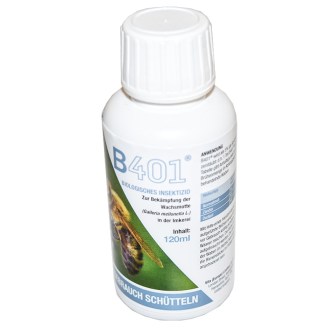
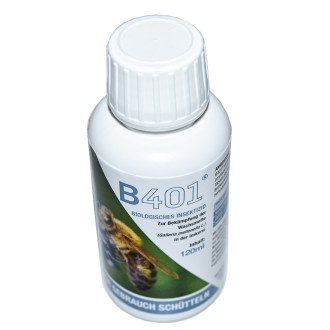
The greater wax moth (Galleria mellonella) is a common beekeeping pest. Its larvae can digest beeswax and most often attack stored combs. Prevention relies on strong colonies, quick melting of old comb, storing drawn combs in a well‑ventilated, drafty place, and sulfur fumigation of closed spaces 2–3× at 10–14 day intervals (outside winter). Sulfur dioxide does not kill eggs. Biological control is offered by B 401 Certan – a bee‑safe product with up to 100% effectiveness against larvae. The active ingredient Bacillus thuringiensis (serotype 7, strain Aizawai) remains on the combs and controls larval stages year‑round without affecting honey taste or quality.




The Wax Moth: An Enemy of Bees and a Relentless Destroyer of Beeswax Combs
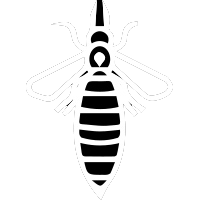
The wax moth is a moth species that can cause significant damage in beekeeping. This parasite attacks beeswax combs both in hives and storage tanks. The two most common species are the greater wax moth (Galleria mellonella) and the lesser wax moth (Achroia grisella). Wax moths, also known as “moth flies,” usually target weak or diseased colonies. Their presence in the hive often signals deeper issues, including the possible presence of other pests. The most severe damage occurs on combs stored for winter, especially if storage conditions are poor.
How Do Wax Moths Cause Damage?
-
Adult moths cannot inflict damage due to their atrophied mouthparts.
-
The most harm is caused by the larvae, which tunnel through the combs and bore holes into wooden frames.
-
Larvae destroy the walls of comb cells, where bees raise new generations, thereby threatening their development.
Wax moths prefer dark, brood-reared combs, where they reproduce rapidly. Females can lay eggs in cracks and crevices in the hive or storage tanks within 24 hours of mating. Once the larvae hatch, they begin consuming wax, tunneling through the centers of combs, and producing silk threads that protect them from bees. Strong colonies usually prevent wax moth establishment thanks to their bees’ natural hive maintenance, but wax moths become a problem in empty hives and natural cavities.
These larvae not only eat beeswax but also remnants, pollen, and honey, causing structural damage to the combs and reducing the colony's population.
Differences Between Greater and Lesser Wax Moths
The greater wax moth has a dark brown coloration and mainly attacks empty combs. The lesser wax moth, gray with a yellow head, infests even combs populated by bees and can survive at lower temperatures.
Wax Moth Life Cycle and Spread
Wax moths are active from May to October. Females deposit eggs in small cracks and crevices, where they are hidden from bees. After hatching, larvae quickly relocate into empty cells in the combs.
-
Females live an average of 12 days, while males live up to 21 days.
-
Targeted control: Measures are mainly effective against adults and larvae; eggs are resistant. Therefore, it’s crucial to strategically combine different approaches.
Ecological Role
In natural environments, wax moths play a crucial role by breaking down biological waste from abandoned bee combs, reducing the risk of disease transmission among other insects.
Wax moth larvae go through several molts before spinning a tough cocoon at the end of their development, ready to transform into an adult moth. Proper management of comb storage conditions and frequent inspections can minimize damage caused by this pest.
For beekeepers, awareness and strict control of wax moths are essential to ensure maximum protection for their colonies.
How to Care for Combs: Preventing Wax Moth Infestation
Proper care of combs is a key aspect of successful beekeeping. Wax moth (Galleria mellonella) is especially active in late summer and early autumn, targeting stored, unoccupied combs.
Prevention and Comb Protection
-
Storing light combs: Try to store lighter, brood-free combs. This not only reduces the chances of wax moth infestation but also limits the spread of other pathogens. Keep these combs in well-ventilated, cool spaces, as wax moths dislike drafts and low temperatures.
-
Using formic acid: To prevent wax moth, formic acid can be used effectively. A proven method is placing a dish of acid in a “chimney stack” of supers. The vapors restrict moth development and destroy not only larvae but also Nosema apis spores, effectively protecting stored combs.
-
Natural alternatives: Anise oil, disliked by wax moths, can serve as a preventative alternative.
The Importance of Prevention
The wax moth can quickly become a serious problem, not only in terms of hygiene, but also as a vector for foulbrood spores. Adequate preventive measures and correct comb storage are therefore essential for maintaining healthy and productive bee colonies.
For more tips and detailed procedures, consult expert guides or experienced beekeepers who can provide you with valuable advice and practical insights.
Successful Strategies Against Wax Moth: A Complete Guide for Beekeepers
Every beekeeper faces the challenge of dealing with the pest known as the wax moth (Galleria mellonella). However, this pest does not have to become your nightmare. With proven traditional methods and innovative solutions, you can effectively safeguard your hives and entire colonies.
Prevention:
Cold and Ventilation
-
Airflow as your ally: Ideally, store beeswax combs in areas with natural or artificially created drafts. Wax moths dislike moving air.
-
Cool places: Larvae are not active at temperatures around 3°C, and freezing temperatures will reliably eliminate them. It is recommended to freeze combs at -7°C for one day.
An Alternative to Sulfur Wicks
-
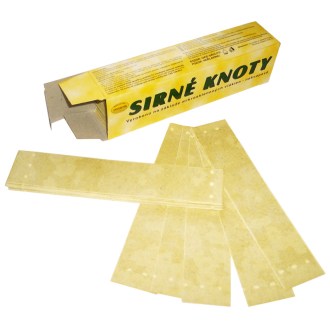
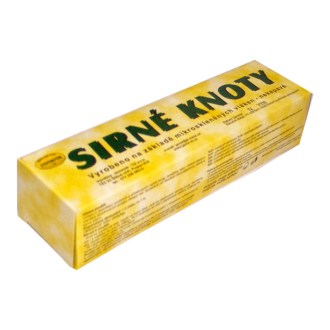
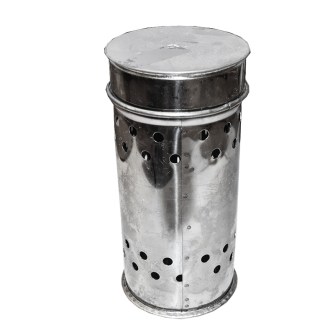
Sulfur wicks: The traditional fumigation method, however, has drawbacks, such as high toxicity to humans and chemical residues in wax and honey.
Modern Methods:
B 401 Certan
-
100% natural: This spray contains the Bacillus thuringiensis (Aizawai serotype 7) bacterium, which effectively destroys wax moth larvae without leaving residues in wax or honey, and without affecting honey flavor.
-
Simple application: One application of the solution protects frames for an entire year. The bacteria adhere to the comb and continuously eliminate all larval stages of the pest.
Why Choose Certan?
B 401 Certan delivers nearly 100% effectiveness against wax moth larvae while being completely safe for bees and brood. This biological method is essential in modern beekeeping, which increasingly focuses on sustainability and bee health in environments saturated with chemicals.