Top feeders
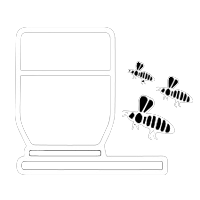
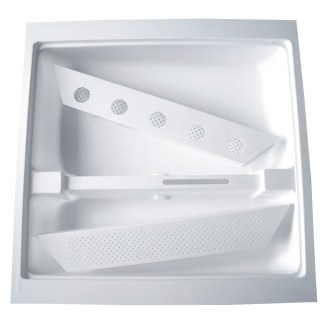
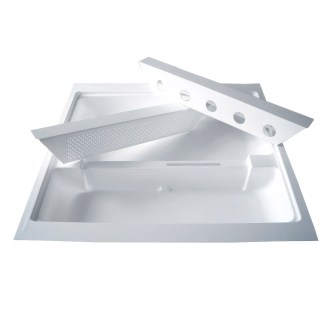
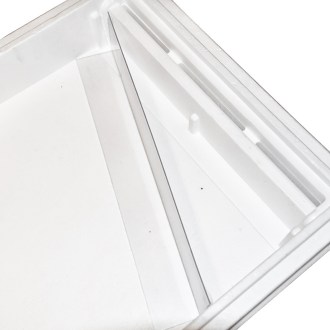
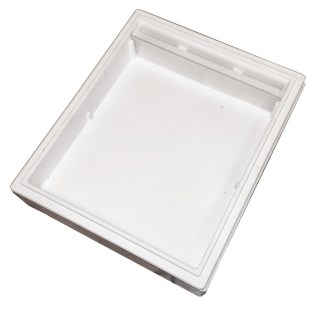
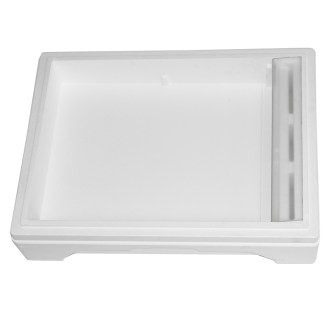
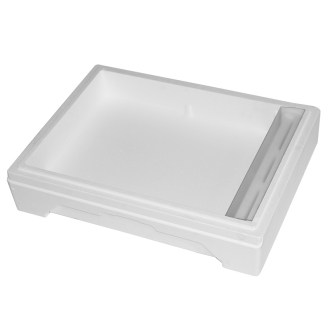
Ceiling feeders are a modern method for feeding bees and, as the name suggests, are placed directly on top of the hive. They minimize disturbance when refilling food and allow for easy addition of sugar syrup without the need to open the hive. These tanks are usually made of plastic and can be placed inside an empty hive box or a wooden frame. They are specifically designed to fit the type of hive used in your apiary. Bees do not drown in them, and they can hold a larger volume of solution compared to frame feeders. Ceiling feeders are easy to clean and can be disinfected without difficulty.
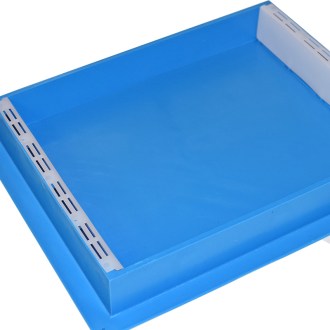
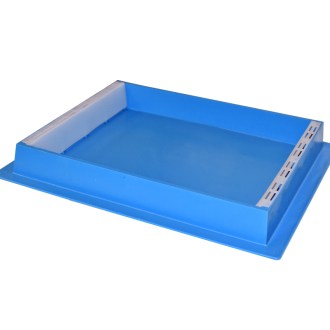
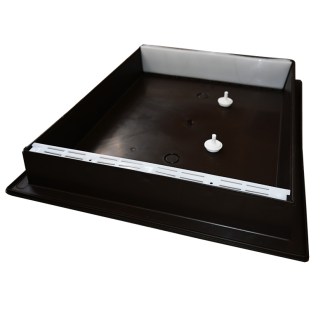
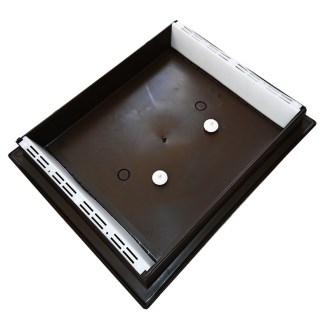
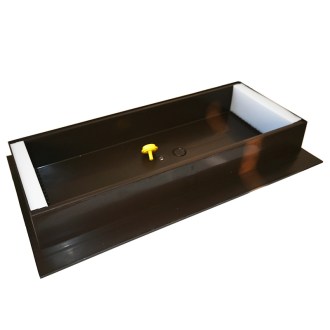
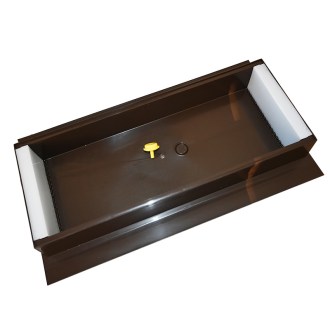
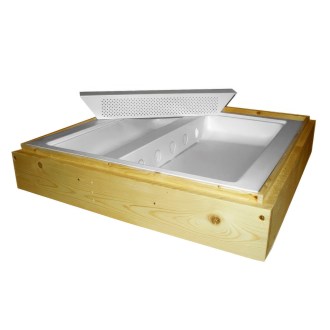
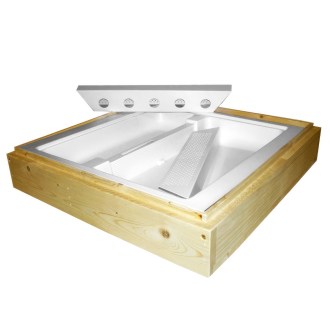



Ceiling Feeders for Beehives
Ceiling feeders are a proven way to ensure that colonies have enough food during periods when natural sources are insufficient. They allow convenient and safe replenishment of food supplies during autumn feeding, spring stimulation, and nectar dearths. Placed above the frames inside the hive, they give bees constant access to feed without disrupting the colony or opening the hive.
How Ceiling Feeders Work
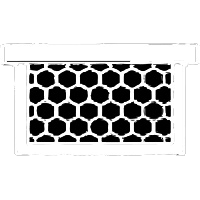
A ceiling feeder consists of a closed space with a chamber from which bees can safely take syrup or fondant. The design is often equipped with a labyrinth, float, or protective divider to prevent bees from drowning. The feeder is covered with a hive mat or foil, and bees enter it directly from within the hive, maintaining warmth, calm, and minimal stress for the colony.
Advantages of Ceiling Feeders
-
Safe feed access through a separated chamber or labyrinth system.
-
Refilling possible without opening the hive or disturbing the bees.
-
Large capacity suitable for feeding even strong colonies at once.
-
Stable feed temperature thanks to placement above the cluster.
-
Reduced risk of robbing, as feeding takes place inside the hive.
Types of Ceiling Feeders
We offer a wide range of feeders designed for various hive types, frame sizes, and management methods.
-
Wooden Ceiling Feeders – traditional, solid design with excellent insulation, ideal for wooden hive setups.
-
Plastic Feeders – lightweight, moisture-resistant, easy to clean, and perfect for modern operations.
-
Labyrinth Feeders – a safe design that minimizes the risk of bees drowning in syrup.
-
Feeders for Different Frame Sizes – models suitable for Langstroth, Dadant, 39×24, and other dimensions.
When to Use Ceiling Feeders
Ceiling feeders are typically used during autumn feeding before winter, for spring stimulation, or during nectar flows interruptions. Beekeepers can feed even in poor weather without opening the brood nest or chilling the colony.
What to Feed the Bees
The most common feeding solution is sugar syrup in a 3:2 ratio for autumn feeding or 1:1 for spring stimulation. For long-term supplementation, sugar patties or fondant can also be used. Ceiling feeders keep the feed warm and accessible throughout the day.
How to Choose the Right Feeder
When selecting a feeder, consider the following key factors:
-
feeder volume and feeding intensity,
-
hive type and exact box footprint,
-
material durability and insulation properties,
-
method of refilling and bee access to the feed.
An Essential Part of Modern Beekeeping
Ceiling feeders have become a standard feature among hobbyists and professional beekeepers alike. They help manage feed efficiently, save time, and provide a calm environment for the bees. With their simple operation, they are ideal even for beginner beekeepers.
Explore our wide selection of ceiling feeders and give your bees safe and convenient feeding throughout the season.