Pollen
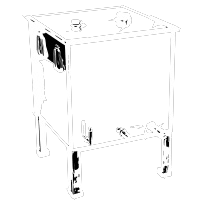
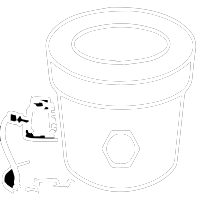
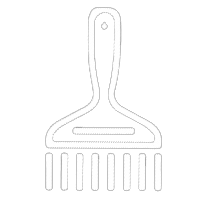
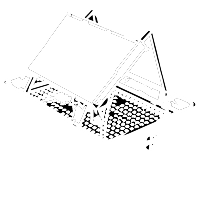
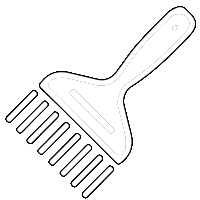
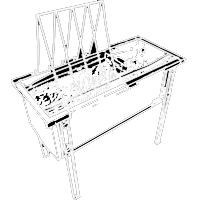
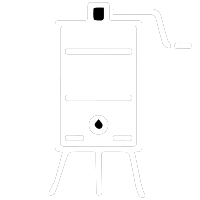
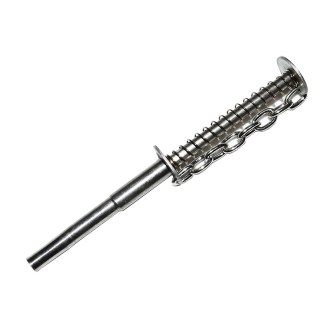
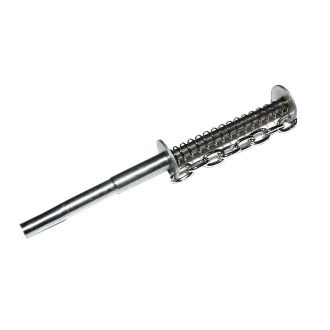
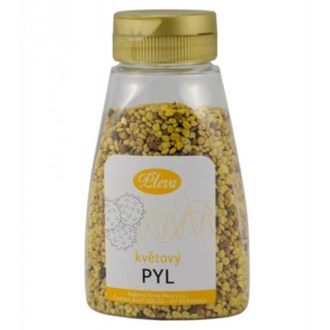
To collect bee pollen, you will need a pollen trap that is placed on the beehive. We offer several types of pollen traps, as well as pollen extractors designed for obtaining bee bread (perga). Pollen can also be harvested directly from combs using a grinder. After freezing and cutting out stored pollen combs, the combs are ground and the pollen is then cleaned of any wax residues. We recommend using pollen cleaners and dryers to ensure perfect drying. Pollen can be divided into two main categories: pollen loads and perga, also known as bee bread. Pollen loads are raw, unprocessed pollen granules that serve as a protein-rich, vitamin-packed food source. Perga is pollen that has been naturally fermented inside the hive, making it more digestible and bioavailable for the human body than unprocessed pollen.







Pollen Traps and Cleaners: Technology for Modern Beekeeping
Beekeeping is not only about honey production – it also offers a wide variety of other valuable products, one of the most important being bee pollen. This natural treasure is rich in vitamins, minerals, and amino acids, and is increasingly sought after for its health benefits. In our specialized category, we offer a complete range of equipment for the efficient collection and processing of pollen, including pollen traps, cleaners, and dryers that help you make the most of this valuable natural resource.
Efficient Pollen Collection with Modern Pollen Traps
Pollen traps are an essential part of every hive, allowing the beekeeper to collect pollen without disturbing the natural life cycle of the colony. Different types of pollen traps are designed to meet the specific needs of various hive styles:
-
Bottom pollen trap: This integrated pollen trap is the most commonly used in Czech and Central European apiaries. It is effective in collecting large amounts of pollen within a short period of time without affecting honey production.
-
Entrance pollen trap: Ideal for older hives or hives without a bottom board, this trap collects pollen directly at the hive entrance and is available in both plastic and wooden versions. It is recommended to install it during the peak flowering season in dry weather. When using an entrance trap, it is important to leave enough pollen for the bees, so collection should be limited to short periods to ensure the colony’s nutritional needs are met.
Processing and Preservation of Pollen Using Cleaners and Dryers
Our pollen cleaners and dryers ensure that every grain of pollen is carefully processed to achieve the highest possible quality.
-
Pollen cleaners: These devices efficiently separate pollen from impurities such as wax particles or other debris. Designed for ease of use, our cleaners are suitable for both small-scale beekeepers and large apiaries.
-
Pollen dryers: Proper drying is crucial to maintaining the nutritional value of pollen. Our dryers provide gentle drying at optimal temperatures to prevent nutrient loss. Some models can also be used for drying herbs and fruit.
Pollen Traps and the Collection Process
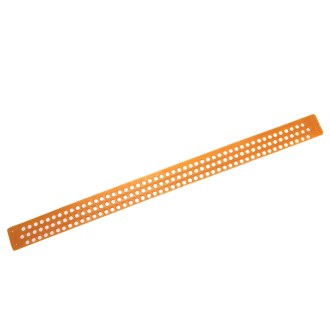
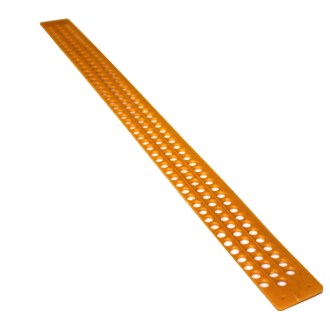
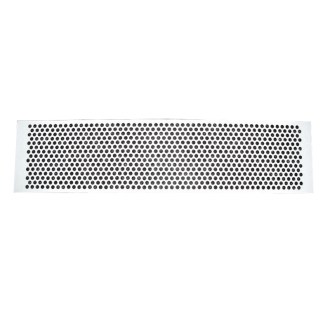
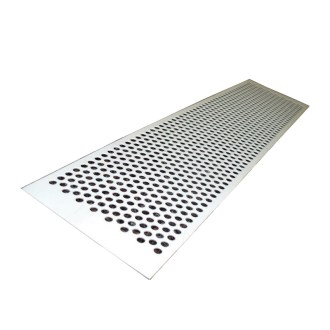
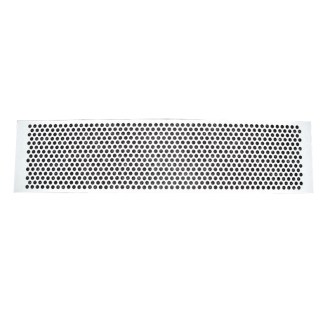
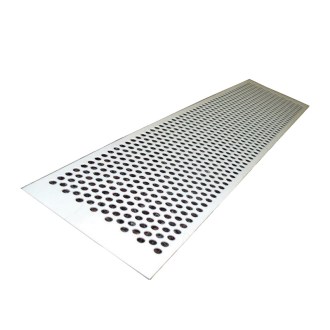
A pollen trap is a device used to collect pollen pellets. Bee pollen is well-known for its beneficial effects on health, making it a valuable addition to both hobby and professional beekeeping. It is typically placed at the hive entrance where bees enter, brushing off part of the pollen they carry on their hind legs through a grid or screen into a collection container below.
How and When to Use a Pollen Trap
For the best results, the timing and conditions for using pollen traps should be carefully considered, depending on the flowering plants in your area and the overall condition of your bee colonies.
-
Timing: Pollen collection is most productive during the main flowering season – particularly in spring and early summer. Dry, warm weather is ideal for collection.
-
Duration of use: A pollen trap should only be kept on the hive for a few days at a time to allow bees to replenish their pollen stores. Prolonged trapping can weaken the colony.
Optimizing Pollen Harvesting
Effective pollen harvesting requires careful planning. It should only be done with strong colonies capable of handling the additional workload without compromising their health. Colony strength and local forage conditions are key factors in determining when to begin. Generally, pollen collection starts around mid-April and finishes by mid-August, before the bees are prepared for winter feeding.
Pollen Storage and Processing
After collection, pollen must be dried immediately to prevent mold and preserve its quality. Suitable dryers operate at temperatures between 34–38 °C. Before storage, pollen should be cleaned of impurities and, for long-term preservation, frozen again. This careful process helps retain all beneficial nutrients and ensures long-lasting quality. Some processing methods include fermentation, which makes the pollen more digestible and beneficial for human consumption. Naturally fermented pollen in the hive is known as perga or bee bread, which is easier for humans to digest.
Bee pollen offers an excellent opportunity for beekeepers looking to diversify their production. With the right equipment and techniques, you can maximize your hive yields and take full advantage of the potential that pollen collection offers.
The Importance of Pollen
Pollen is an essential food source for bees, providing a wide range of vitamins, minerals, and proteins crucial for proper growth and colony development. It can also be processed for human consumption, valued for its regenerative properties and rich nutritional content.
Alternative Approach: Processing Pollen Comb
Another method is to process entire pollen combs removed from the hive. Some beekeepers recommend freezing the combs and then gently scraping the pollen off the wax foundation with a spatula if needed. Frozen wax can be easily separated afterward. Techniques such as extracting pollen directly from combs, however, are often considered inefficient, as they may damage the comb and result in pollen that is contaminated with wax and other impurities.
Pollen collection provides an opportunity to expand beekeeping skills and increase hive productivity. When performed correctly, it offers not only economic benefits but also the production of highly nutritious, health-promoting natural products.
Customer Support and Expert Advice
We understand how valuable expert guidance and reliable support are to every beekeeper. That’s why we offer comprehensive consulting services and guarantee the quality of our products. Our specialists will assist you in selecting the right equipment for your specific needs and ensure your apiary is fully prepared for a successful pollen harvest.