Extractors
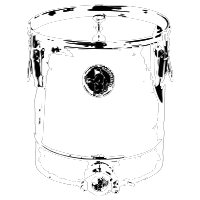
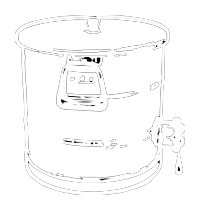
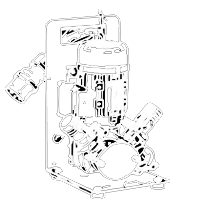
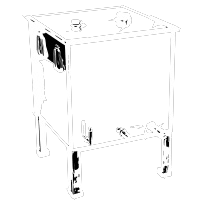
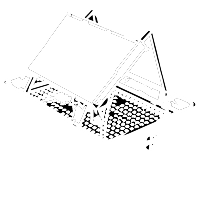
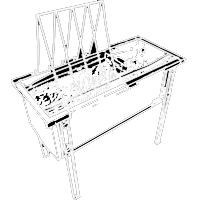
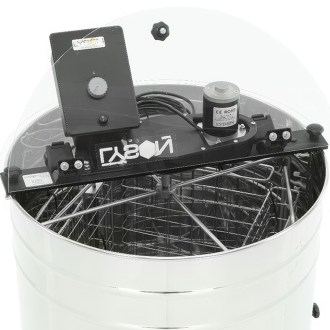
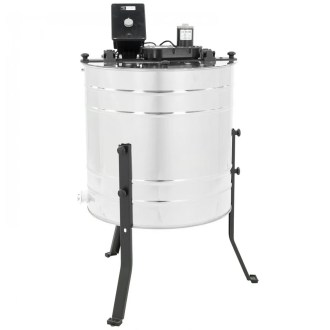
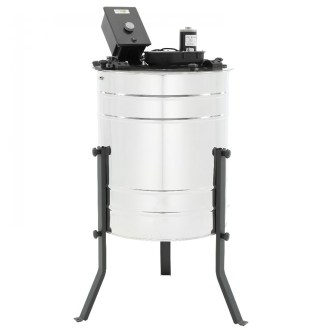
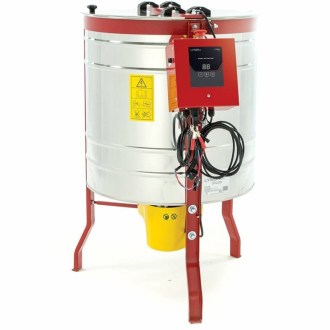
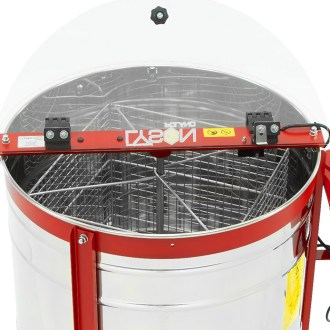
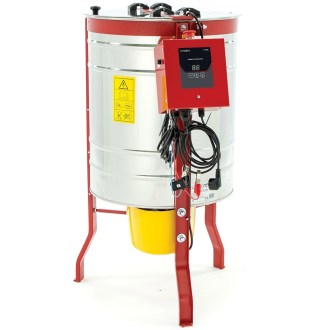
Honey extractors are available in tangential, reversible, and radial designs, offered in both manual and electric versions — all crafted from stainless steel by renowned manufacturers such as Mellarius, Swiss Biene, and Lysoń. We’ll be happy to help you choose the right model, so don’t hesitate to contact us. A tangential extractor is ideal for beekeepers with a smaller number of colonies. This type of extractor features a basket where the frames are placed lengthwise along the drum. The reversible extractor provides a more advanced option with cassettes for frames that can be rotated manually or automatically for efficient honey extraction. Automatic reversible extractors offer convenient operation through programmable controls. The radial extractor is designed to process a larger number of frames quickly and efficiently.






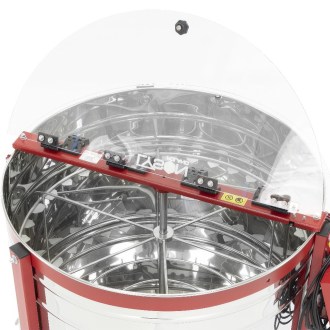
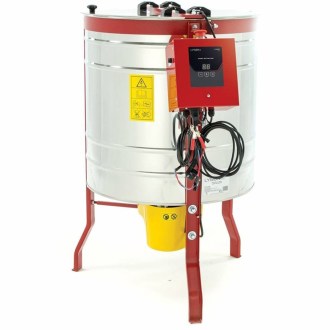
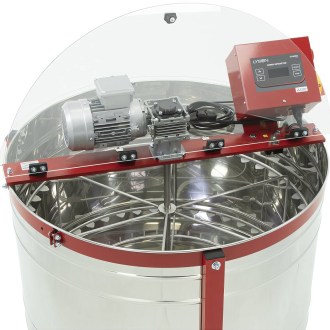
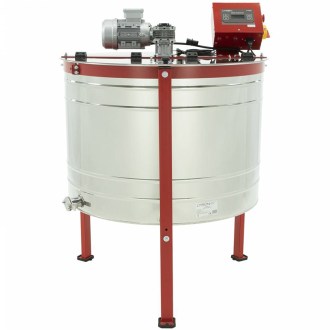
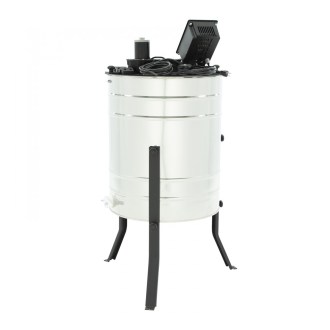
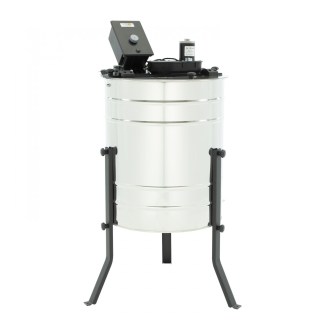
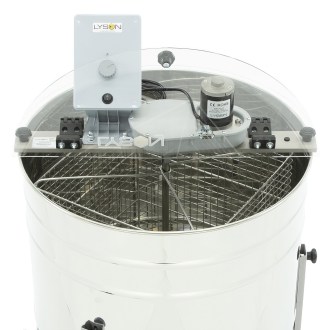
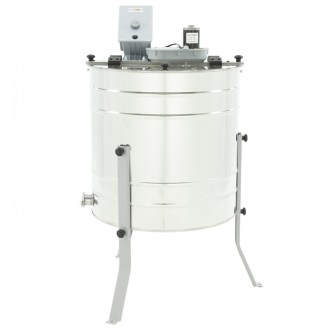



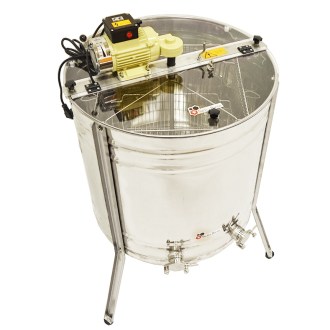
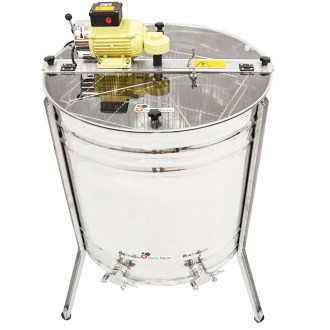


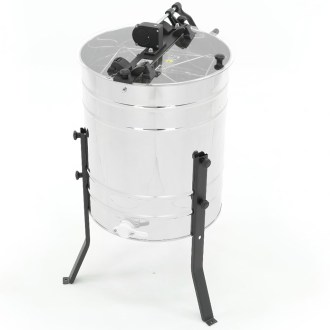
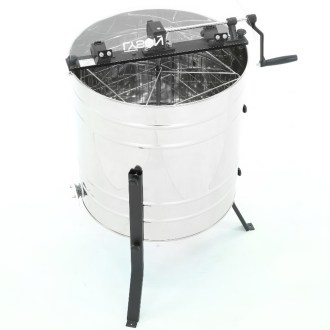
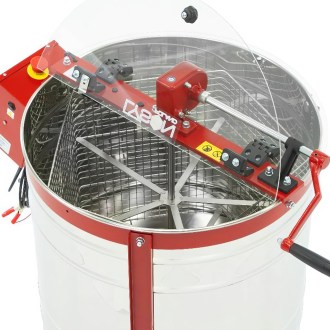

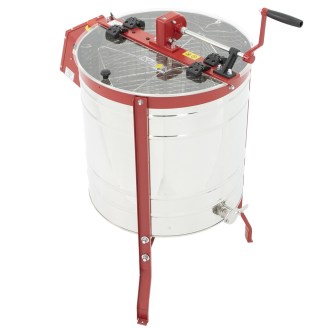
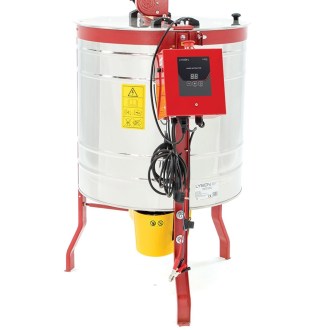
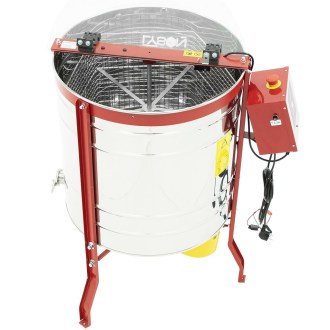

Stainless Steel Honey Extractors
Manual and electric extractors – tangential, radial, or reversible.
In this category, we offer high-quality stainless steel honey extractors from leading brands. You can choose between manual or electric versions, tangential, radial, or reversible designs.
What is a honey extractor? A honey extractor is a mechanical device used to extract honey from the honeycombs by centrifugal force. We offer several types of extractors, categorized according to the arrangement of frames inside the drum.
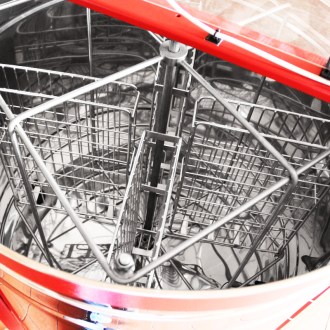
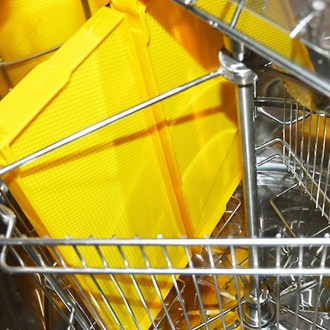
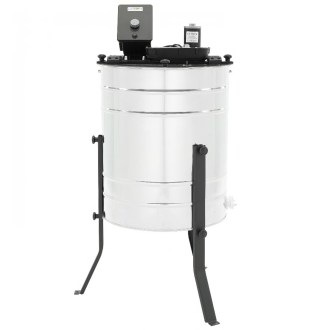
Tangential honey extractors – named for the way honeycomb frames are arranged flat along the drum wall. The extractor first spins one side, then the other. This method ensures fast and efficient honey extraction, and it performs well even with thicker or honeydew honeys.
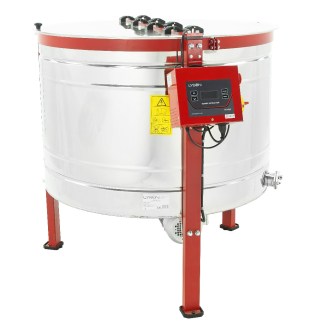
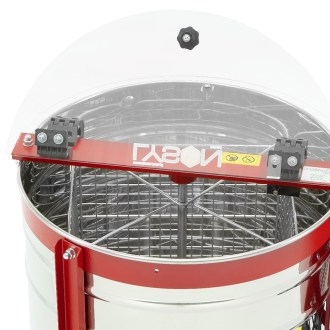
Reversible honey extractors – equipped with cassettes that automatically flip when the direction of rotation changes. Other extractors are non-reversible, meaning frames must be turned manually.
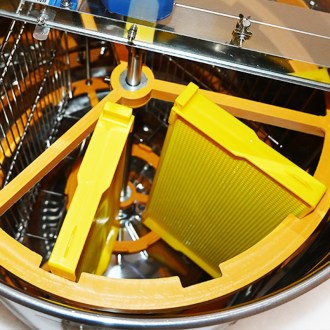
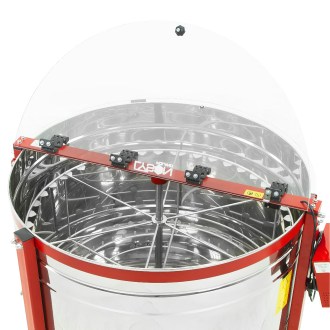
Radial honey extractors – feature honeycomb frames placed radially toward the drum wall. The frames remain stationary, which allows for simpler construction. However, the extraction process takes slightly longer and may be less efficient with cold frames or thicker honey.
How was honey extracted before the invention of the extractor? Before Franz von Hruschka patented the device in 1865, honey was pressed or left to drip out of the combs. The main disadvantage of these methods was the irreversible destruction of the honeycomb structure.
Honey extractors are essential tools in every apiary. In our beekeeping shop, you’ll find a wide selection — from basic tangential extractors to advanced radial and cassette models. We offer both reliable electric and manual options, and you can also benefit from subsidy programs for your purchase.
How is a honey extractor constructed?
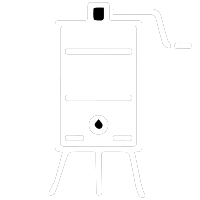
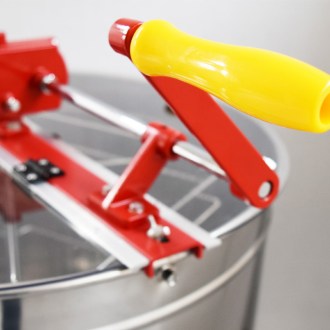
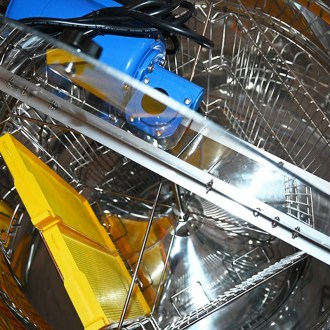
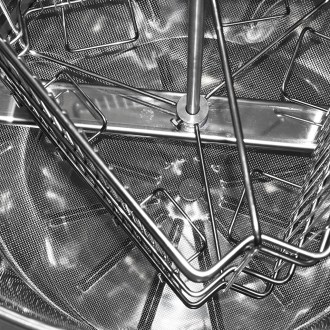
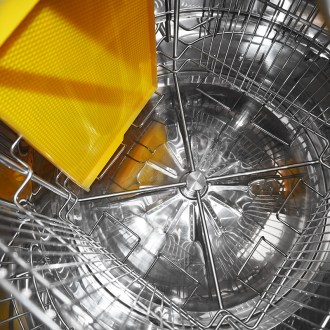
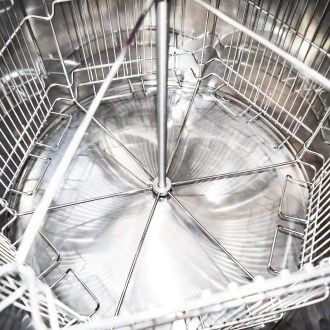
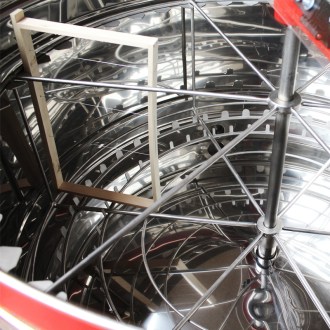
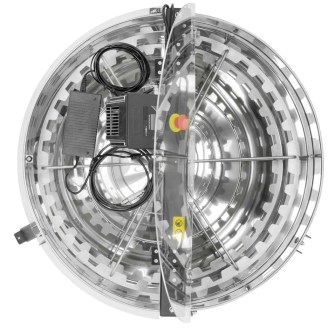
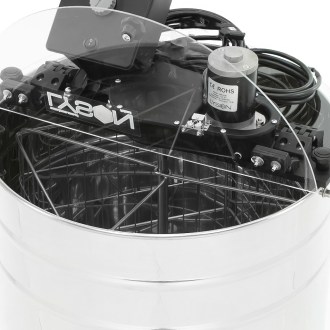
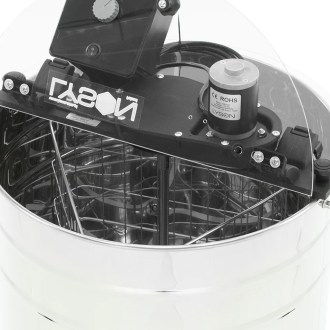
Extractors are simple devices with a drum made of durable stainless steel approved for food contact. The drums are mounted on three legs for maximum stability. They may be powered by an electric motor or operated manually using a crank that spins the basket inside the drum. Basket sizes vary according to frame type and capacity. As the frames spin, the centrifugal force draws honey out through a valve, after which the honey is filtered before being poured into jars or buckets.
Types of honey extractors
Basic tangential extractors require manual frame rotation to extract honey from both sides. Electric cassette extractors simplify this task, while radial extractors allow honey to be extracted from both sides simultaneously. Before purchasing, consider the most commonly used frame type in your apiary. For consistent setups, such as Langstroth frames, choose a matching extractor. If you use multiple hive types, a universal extractor is best. Extractors differ by drum diameter, number of frames processed at once, and drive type. Tangential extractors with combined manual and electric drives are popular for their versatility, suitable for both stationary and mobile apiaries. For large-scale operations, we recommend radial or cassette extractors that can handle hundreds of hives efficiently.
Frequently Asked Questions about Choosing a Honey Extractor
-
Which extractor is suitable for a small apiary? For smaller operations, simple tangential extractors are ideal. For beginning beekeepers, we recommend a universal manual extractor for 3–4 frames.
-
How can I extract honey without an extractor? A honey extractor is the only method that preserves the combs. Alternatives like pressing or letting honey drip are time-consuming and damage the wax structure.
-
How to properly chew honeycomb? Chewing honeycomb is believed to support the immune system and soothe allergies and colds while strengthening gums and teeth. Small pieces can be chewed several times a day, with effects noticeable within a week of regular use.
Our Honey Extractor Range
Extractor Types
-
Tangential extractors
-
Perfect for beekeepers with a small number of frames. Frames must be rotated manually. Ideal for beginners.
-
-
Radial extractors
-
Allow simultaneous extraction from multiple frames without rotation. Ideal for beekeepers with larger apiaries.
-
-
Automatic reversible extractors
-
Equipped with self-rotating cassettes that ensure optimal time efficiency during extraction. Designed for professional use.
-
Additional Features and Benefits
-
Reversible extractor: Frames automatically flip during the process, minimizing manual handling.
-
Stainless steel construction: All extractors feature robust stainless steel design for durability, hygiene, and easy maintenance.
-
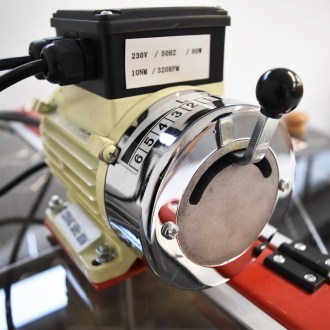
Drives and motors: Available in both manual and electric versions. Advanced models offer automatic speed and rotation direction control.
Choosing the Right Extractor by Number of Hives
-
1–10 Hives: Recommended tangential or radial extractors with a top drive and manual control. Starter kits are available for new beekeepers.
-
10–30 Hives: For medium-sized operations, choose a motorized radial extractor. For Langstroth frames or similar systems, a reversible version is ideal.
-
Over 30 Hives: The best option is a fully automated radial or reversible extractor for maximum efficiency.
Drive Technology
-
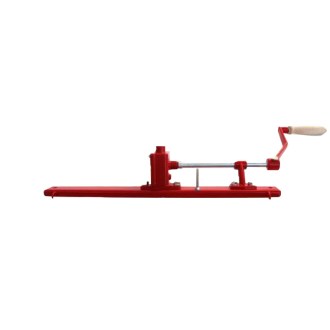
Manual extractors: Equipped with a hand crank and 1:3 gear ratio for easy operation.
-
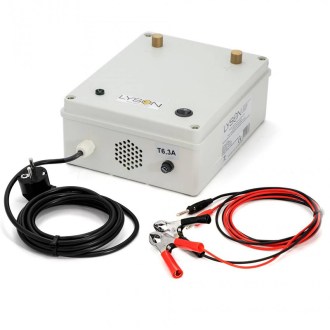
Motor drive – 110 W: Offers variable speed and direction control via a rotary regulator.
-
High-performance top drive – 180 W: Suitable for professional beekeepers, allows full automation of the extraction process.
Spare Parts and Service
Thanks to our permanent stock of spare parts, we guarantee fast and reliable delivery for years to come. For more information or specific inquiries, please contact us — we’re here to help you choose the most suitable honey extractor for your beekeeping needs.