Foundation embedder
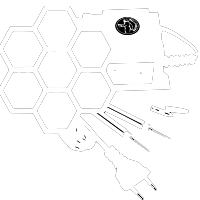
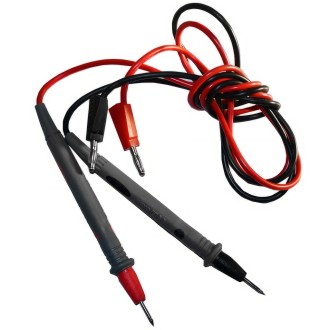
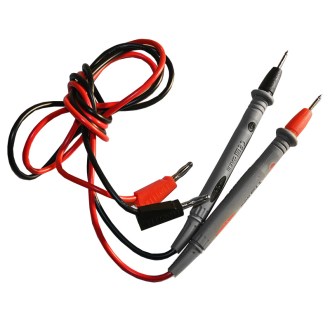
For embedding foundation sheets, we use a transformer designed for wire embedding, equipped with two leads that have convenient handles. We do not recommend short-circuiting these leads. The wire ends are applied to the respective wire ends on a frame with the foundation sheet in place. By means of resistive heating, the wires quickly warm up and melt gently into the wax of the foundation. After that, the transformer contacts need to be removed from the wire ends, and the foundation may be pressed lightly by hand to ensure it adheres evenly. The result of the embedding process is a precisely and firmly fixed foundation sheet. The embedding device we use operates on the principle of resistive wire heating, powered by a 12 V transformer. When using stainless steel wires, it is advisable to use a stronger transformer; otherwise, the process will take longer.




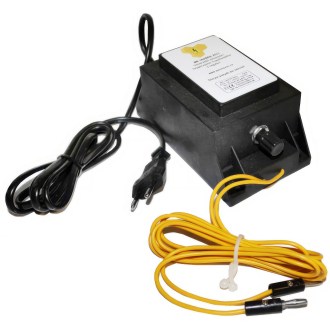
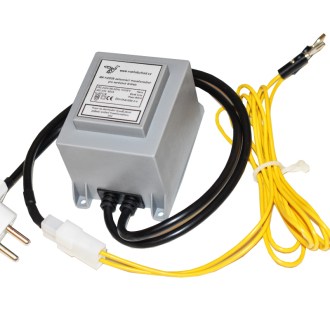
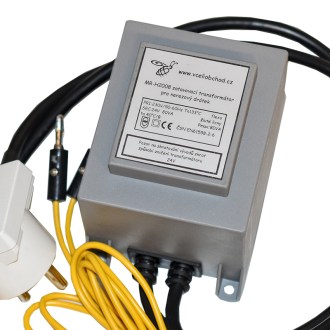
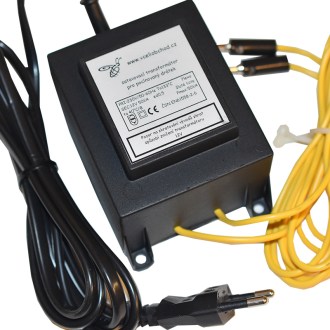
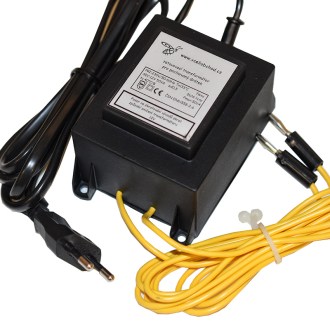


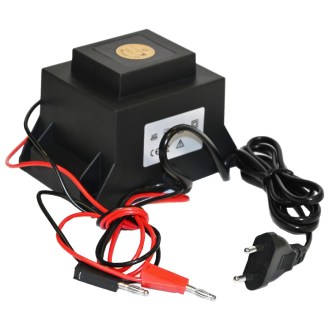
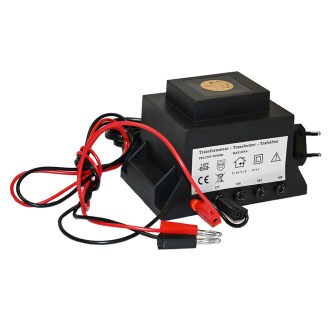
Practical Guide to Using a Foundation Embedding Transformer
A foundation embedding transformer is an excellent tool for every beekeeper. This innovative device makes installing wax foundations into frames significantly easier and more efficient.
What Is a Foundation Embedding Transformer?
A foundation embedding transformer is an electrical device that generates the necessary heat to embed a wax foundation sheet into the framework’s support wires. This tool simplifies the replacement of old combs with new ones, helping prevent diseases and support healthy brood development.
How to Work with a Foundation Embedding Transformer
- Frame Preparation: Assemble the frames and reinforce them with beekeeping wire.
- Placing the Foundation: Lay the foundation sheet onto the stretched wire in the frame.
- Connecting the Transformer: Attach the transformer to the wires using clips and set the appropriate voltage according to the wire type.
- Embedding Process: Allow a few seconds for the wax to melt slightly and bond firmly with the wire, creating a stable cell structure.
Advantages of Using a Foundation Embedding Transformer
- Speed: A fast and efficient process that considerably reduces working time.
- Precision and Reliability: Optimal heat and voltage distribution on the wires ensures consistent, high-quality results.
- Flexibility: Adjustable voltage settings allow you to work with various types of wire, including galvanized and stainless steel.
Available Models of Embedding Transformers
1. Basic Embedding Transformers
- 12V Foundation Embedding Transformer – Tinned Wire
This simple model is ideal for beginners. With a 12 V output and 4 A current, it’s an efficient tool for basic beekeeping tasks in small operations.
- Mellarius 12V Foundation Embedding Transformer
The Mellarius model, with a 60 VA power rating, is another excellent choice for working with tinned wires. It’s affordable and delivers reliable performance.
2. Variable-Voltage Transformers for Different Wire Types
- Mellarius 12/18/24/36V Foundation Embedding Transformer
This high-performance embedding transformer supports different wire types and sizes through selectable voltage outputs (12/18/24/36 V) and 80 VA power. It’s a great choice for versatile use.
- 12/24V Foundation Embedding Transformer – Stainless/Tinned Wire
This universal model is designed for both stainless steel and tinned wires, with output options of 12/24 V and a current of 16.5 A. It’s ideal for beekeepers seeking flexibility and high efficiency.
3. Specialized Transformers for Specific Wire Types
- 24V Foundation Embedding Transformer – Stainless Wire
Specially designed for use with stainless steel wires, this 80 VA model offers excellent performance and sells for approximately 1069 CZK. It’s the perfect choice for specialized needs.
- Lysoń Foundation Embedding Transformer
An advanced example of an embedding transformer, the Lysoń model ensures safe and easy operation with both tinned and stainless steel wire.
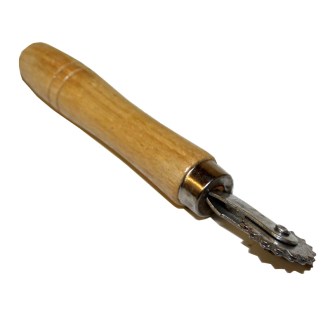
Manual Embedding Tools
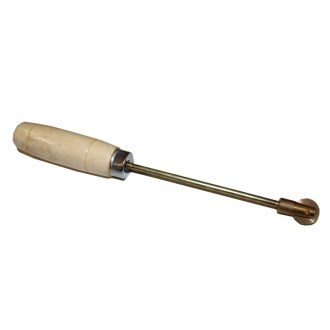
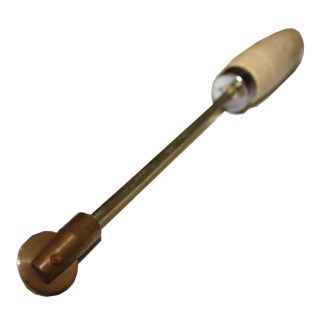
For those who prefer traditional methods, manual embedding tools are also available. These simple devices offer basic functionality at very low cost.
User Experiences with Embedding Transformers
Users appreciate the simplicity and reliability of these devices, which meet the needs of both small and large-scale apiaries. The variety of models and power levels allows each beekeeper to choose the most suitable equipment.
Preparing Bee Frames with Foundations: A Practical Guide for Efficient Beekeeping
Restoration and Preparation of Frames
With proper care, older frames can often be reused after being cleaned in a steam wax extractor or centrifuge. If the wire remains intact, simply scrape off any wax residues and dirt using a knife or hive tool. Once the wires are straightened with a crimper, a new foundation can be embedded without concern.
Choosing Wire Orientation: Vertical vs. Horizontal
Wiring is one of the key steps in frame preparation. There are two main methods – vertical and horizontal wiring:
- Horizontal wiring is ideal for shallow honey frames (such as Langstroth 44.8×15.9). This technique also works well for medium-depth frames like Hofmann types, as it minimizes warping and prevents unwanted bridge combs at the top.
- Vertical wiring is recommended for deeper brood frames. Its strength helps keep the comb structure intact, which is especially useful when removing frames from the hive.
Advantages of Horizontal Wiring for Radial Extractors
Globally, horizontal wiring is preferred for honey frames—particularly for use in radial extractors. In this setup, frames loaded with honey are placed with the top bar facing the drum wall, ensuring balanced spinning. The higher concentration of wires in the upper section reinforces the comb, prevents breakage, and promotes even extraction.
Tensioning and Maintaining Wires
Before embedding the foundation, it’s advisable to tension the wires using a wire tightener. Proper tensioning shortens and stiffens the wire, which helps protect freshly built combs from damage during honey extraction.
Preparing and Embedding Foundations
Foundation sheets can be pre-warmed in an electric oven to a temperature similar to that of the hive. The softened wax adheres better to the wire, and the sheet should be about 3–5 mm smaller on each side of the frame to compensate for thermal expansion.
The actual embedding process is done using a transformer (typically 12 V), which evenly heats the wires and allows them to slide gently into the wax. It’s important to avoid overheating the wax to prevent burning.
Storage of Embedded Frames
The best way to store embedded frames with foundations is inside hive boxes in cool locations. Such conditions help maintain wax stability, and the light frosting effect that develops (a white coating) often indicates high-quality wax — especially if it comes from clean cappings wax.