Swarming
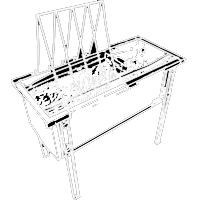
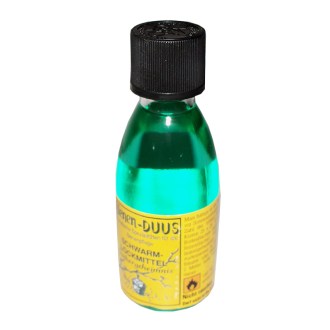
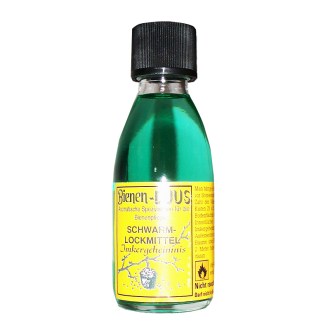
Key beekeeping equipment includes swarm boxes in several styles, such as a universal swarm box for 8 frames and versions made from MDF or hardboard. They’re ideal for catching swarms and safely transporting frames. To lure and settle swarms, use swarm lures in spray, paste, or queen-pheromone concentrate form. A queen-rearing calendar helps schedule queen breeding through to first laying. Waxed or unwaxed boxes work well for moving nucleus colonies.









Swarming essentials: the key to successfully managing bee swarming
During the swarming season, one of the most intense periods in beekeeping, tools such as swarm boxes and attractant sprays or pastes play an indispensable role. These aids enable beekeepers to efficiently capture swarms and guide their settlement. By using these products, beekeepers can better control swarming and optimize the natural reproduction process of their colonies.
Swarm boxes: an effective helper in beekeeping
-
Efficient capture: Swarm boxes are specifically designed for the safe capture of bee swarms. They enable beekeepers to quickly and safely retrieve escaped swarms.
-
Durable construction: These containers are made from lightweight yet sturdy materials, ensuring proper ventilation. The sealable lid prevents bees from escaping during transport.
-
Easy handling: The box is placed beneath the cluster, and the bees are gently shaken or brushed into it. Once captured, the box is securely closed, preparing the swarm for safe transport.
Swarm attractants and pastes: effective swarm lures
-
Attractive scent: These lures contain pheromones similar to the natural scent of a queen bee, which helps attract swarms or keep them at a designated location.
-
Effective use: Swarm attractants can be applied near swarm boxes, encouraging bees to accept the box as a new hive, which simplifies the entire capture process.
-
Benefits for beekeepers: Using swarm attractants increases the success rate of capturing swarms and reduces the risk of bees settling in hard-to-reach or inappropriate areas.
Optimizing the swarming process
-
Regular inspections: During the swarming season, beekeepers should inspect hives regularly to detect early signs of swarming and respond promptly.
-
Swarm prevention: By providing extra space in hives and managed colony expansion, beekeepers can limit behaviors that trigger swarming.
-
Safe transport: After capturing a swarm, it must be transported safely. A well-ventilated and securely closed swarm box ensures the bees arrive at their new location safely and stress-free.
With the help of swarm boxes and attractants, beekeepers can successfully manage the challenges of swarming season and care for their colonies more efficiently. These tools are essential for effective swarm control and sustainable apiary growth. Visit our beekeeping store and discover high-quality tools to support your beekeeping success.
Bee swarming: the secret behind a fascinating natural phenomenon
What is bee swarming?
Swarming is a natural process and one of the most fascinating events in the life of a bee colony. It is the way bees reproduce and expand their population. At a certain point, the hive becomes overcrowded, prompting the bees to build new queen cells to raise future queens that will eventually replace the current one.
Why do bees swarm?
Swarming typically occurs in May and June. The main reason is the lack of space in the hive. Poor ventilation, excess heat, an aging queen, or a shortage of drones can also trigger this event. When the queen stops being fed royal jelly, she regains her flying ability and leaves the hive with part of the colony to form a new one, while the remaining bees stay behind with a young queen.
How does swarming happen?
Once a queen cell containing a larva is sealed, the colony is ready to swarm. About half of the bees, led by the old queen, leave the hive in an impressive “cloud” that fascinates both children and adults. The bees then gather on a branch or other suitable location, forming a cluster where they may remain for several hours or even days until scout bees find a new nesting site.
How to prevent swarming?
For beekeepers, swarming is often undesirable as it can result in the loss of part of the colony. However, there are several preventive measures that can help minimize the risk:
-
Proper hive selection: A modular hive provides plenty of space and easy access for inspections.
-
Regular inspections: Add extra hive boxes promptly and remove entrance reducers to improve ventilation.
-
Removing queen cells: Prevents the emergence of a new queen and reduces swarming tendencies.
-
Adding frames with foundation: Provides more space for comb construction and brood expansion.
-
Replacing old queens: Recommended every two years to maintain colony vitality.
What to do if you find a swarm?
If you find a swarm of bees near your home, there’s no need to panic. Swarming bees are generally calm because their honey stomachs are full and they have no hive to defend. It is best to contact a local beekeeper who can safely capture the swarm and relocate it into a hive.
In rare cases where a swarm settles in an unsuitable location or poses a danger, you can contact local firefighters or a pest control service.
Bee swarming is a fascinating natural event that demonstrates the bees’ remarkable ability to survive and adapt. For beekeepers, however, it represents a complex challenge requiring care and attention. Whether you witness a swarm in your garden or admire it through photos, bees remain a timeless symbol of diligence and cooperation. Beekeeping is not only a rewarding hobby but also a vital practice that helps preserve our planet’s biodiversity.