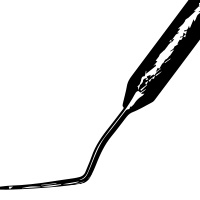










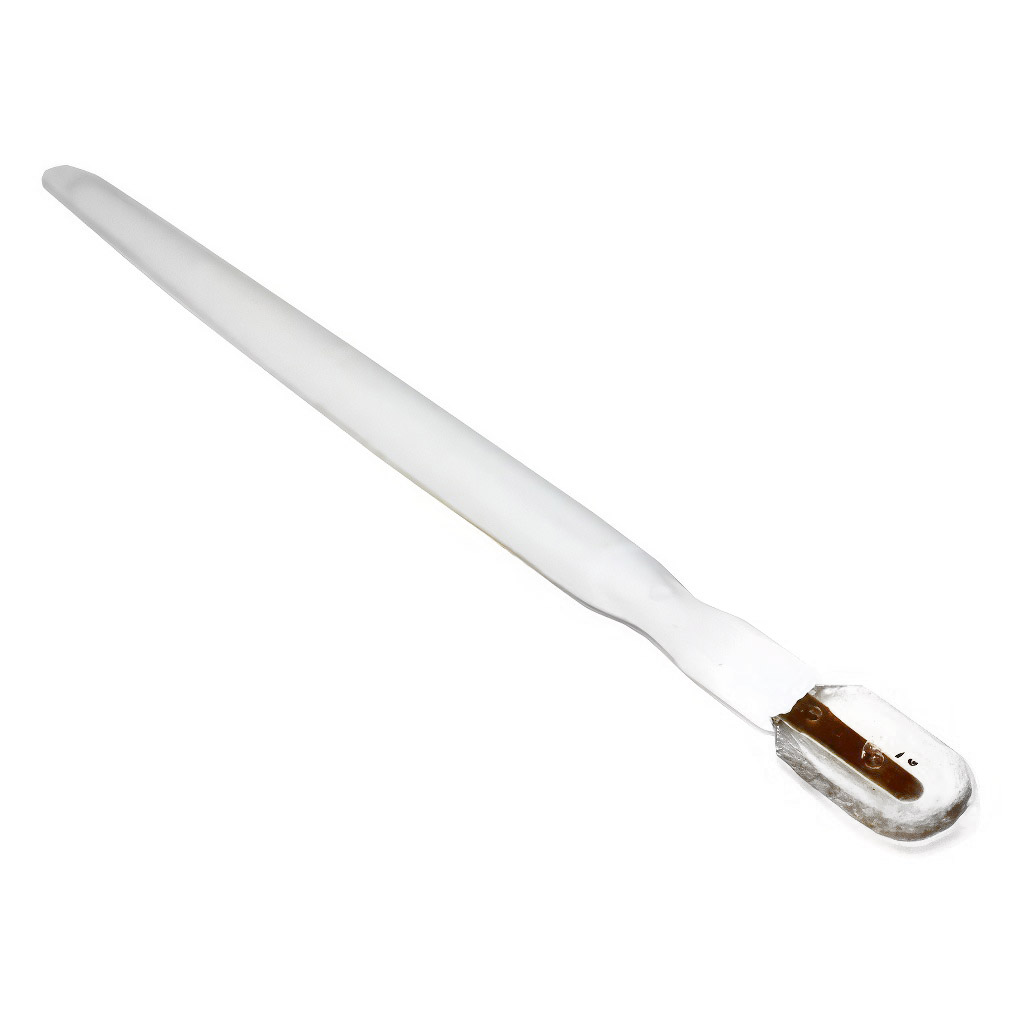
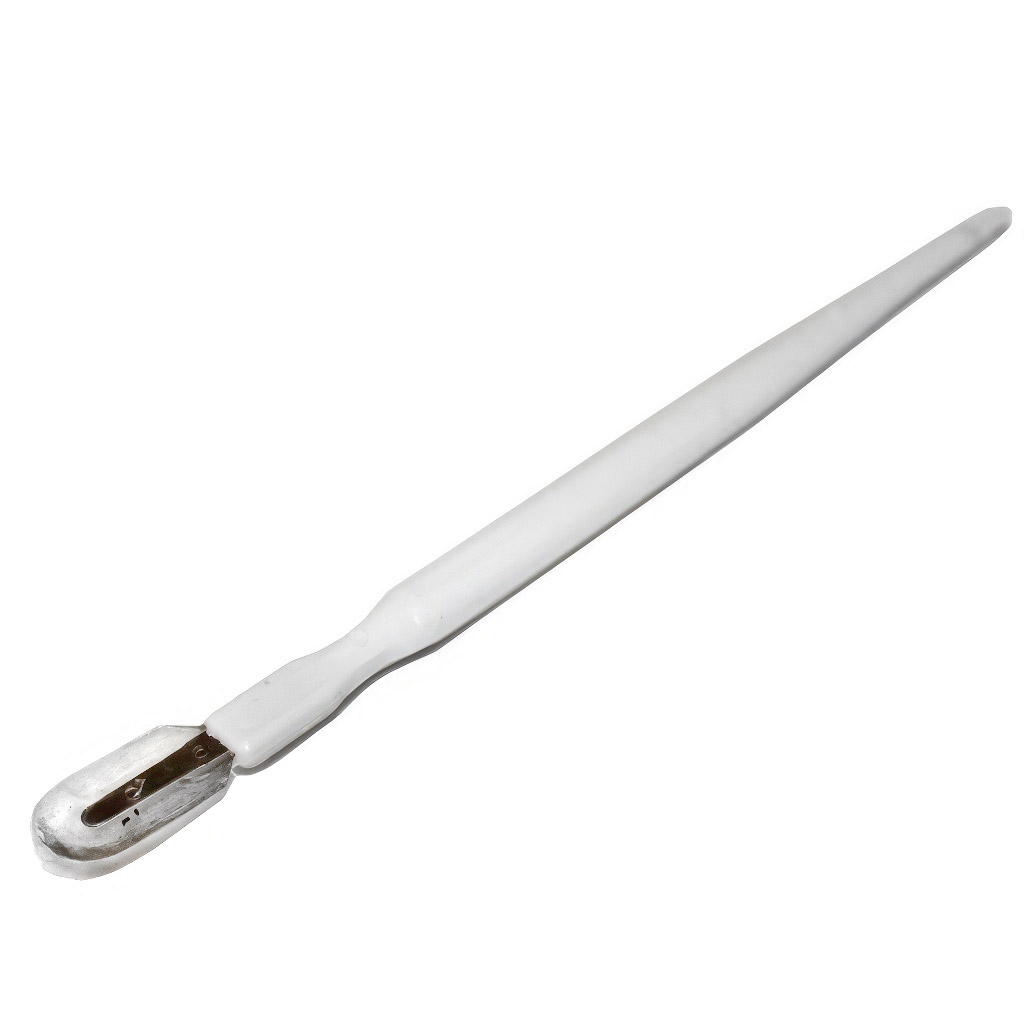
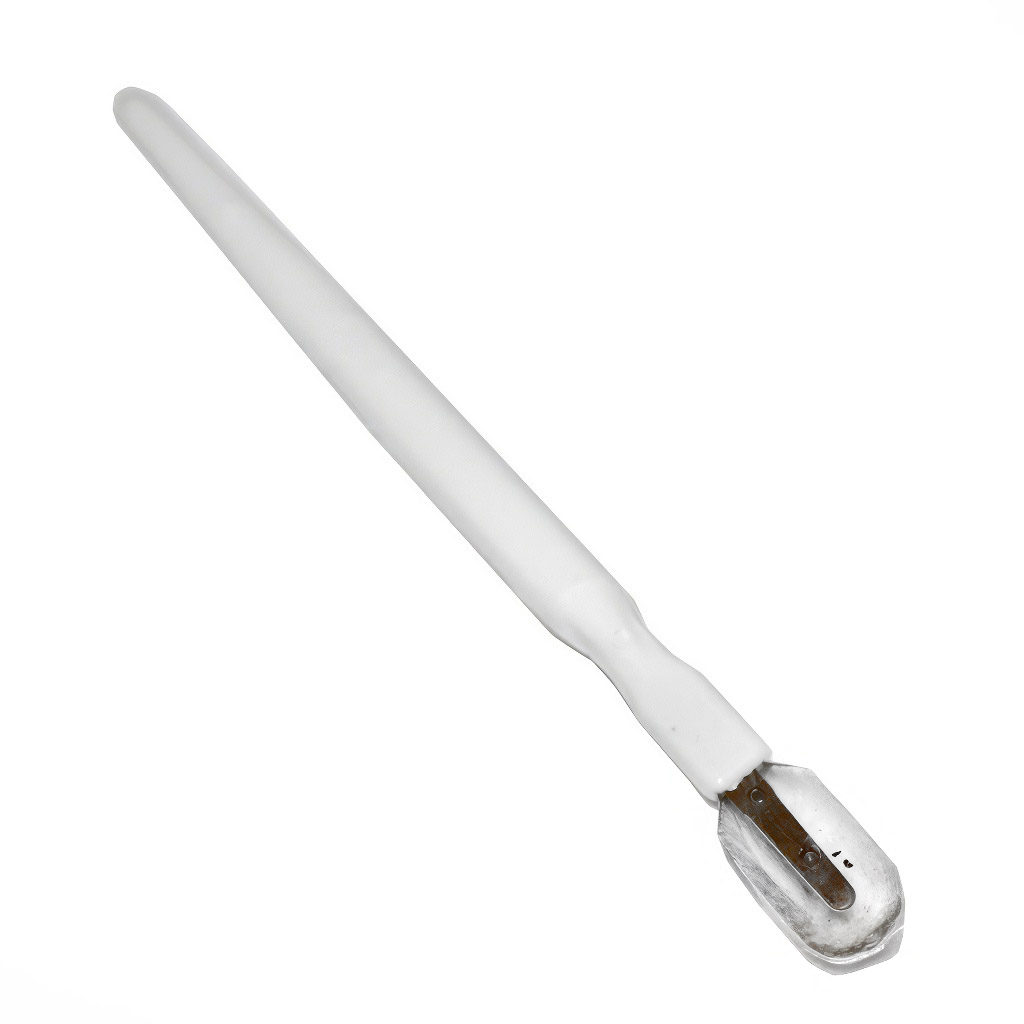
Plastic spoon for royal jelly.
 In stock
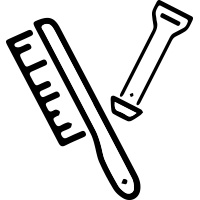
Plastic spoon for royal jelly. This enhanced model has versus the wooden model, an ergonomic handle for easy work. The plastic spatula is attached to the spoon body with a metal pen. This spoon can be used repeatedly, just wash it thoroughly after each use.

Silicone Spoon for Royal Jelly Harvesting
Get the maximum from queen rearing and harvest royal jelly cleanly, quickly and with minimal losses. This improved silicone spoon is a practical tool for beekeepers who work with queen cell cups and want certainty and comfort during harvesting. Thanks to the flexible scraper, you can easily reach into every cup, scrape the jelly to the last drop and at the same time shorten the time spent at the grafting frame. Compared to the classic wooden model, it offers higher comfort, better hygiene and easier maintenance.
Why you will love it in practice
The biggest advantage is the reduction of losses of valuable royal jelly. The soft and very flexible silicone scraper adapts to the rounded walls of natural and plastic queen cell cups and reliably wipes out the entire contents. The scraper is firmly attached with a metal pin, so it maintains its shape and proper pressure during work. The ergonomic handle (in plastic or water-resistant bamboo version) is comfortable to hold and allows precise movement control – you will appreciate this especially when harvesting from a larger number of queen cells, where speed and sensitivity are important.
Emphasis is also placed on hygiene. The spoon can be removed from the handle, thoroughly washed and disinfected; the scraper itself can be boiled in hot water. This reduces the risk of contamination and maintains the clean standard that is essential when working with queen cells.
Recommended procedure for royal jelly harvesting
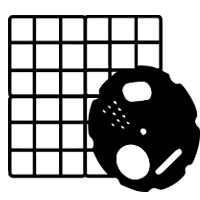
Use is simple. In a grafting frame with approximately 30–60 queen cell cups, graft one-day-old larvae onto a drop of water or diluted royal jelly. Insert the frame into a queenless colony (in the brood chamber), or into the honey super of a colony with a queen, where the brood is moved and separated by a solid partition to create a queenless effect. Nurse bees will begin to intensively supply the larvae with royal jelly.
Proper timing is crucial: harvest no later than the 9th day from egg laying, i.e. before the queen cell is capped. Carefully remove the larva with a stick or grafting tool and then wipe out the contents of the cup with the silicone scraper. The spoon is also suitable for harvesting from swarm cells – for example, to obtain jelly as a starter supply for further grafting.

Technical specifications
| Total length | 145 mm |
| Spoon length (scraper) | 18 mm |
| Spoon width | 10 mm |
| Spoon thickness | 1.7 mm |
| Scraper material | Flexible silicone |
| Handle material | Ergonomic plastic / Bamboo |
| Maintenance | Washable, disinfectable, can be boiled (scraper) |