


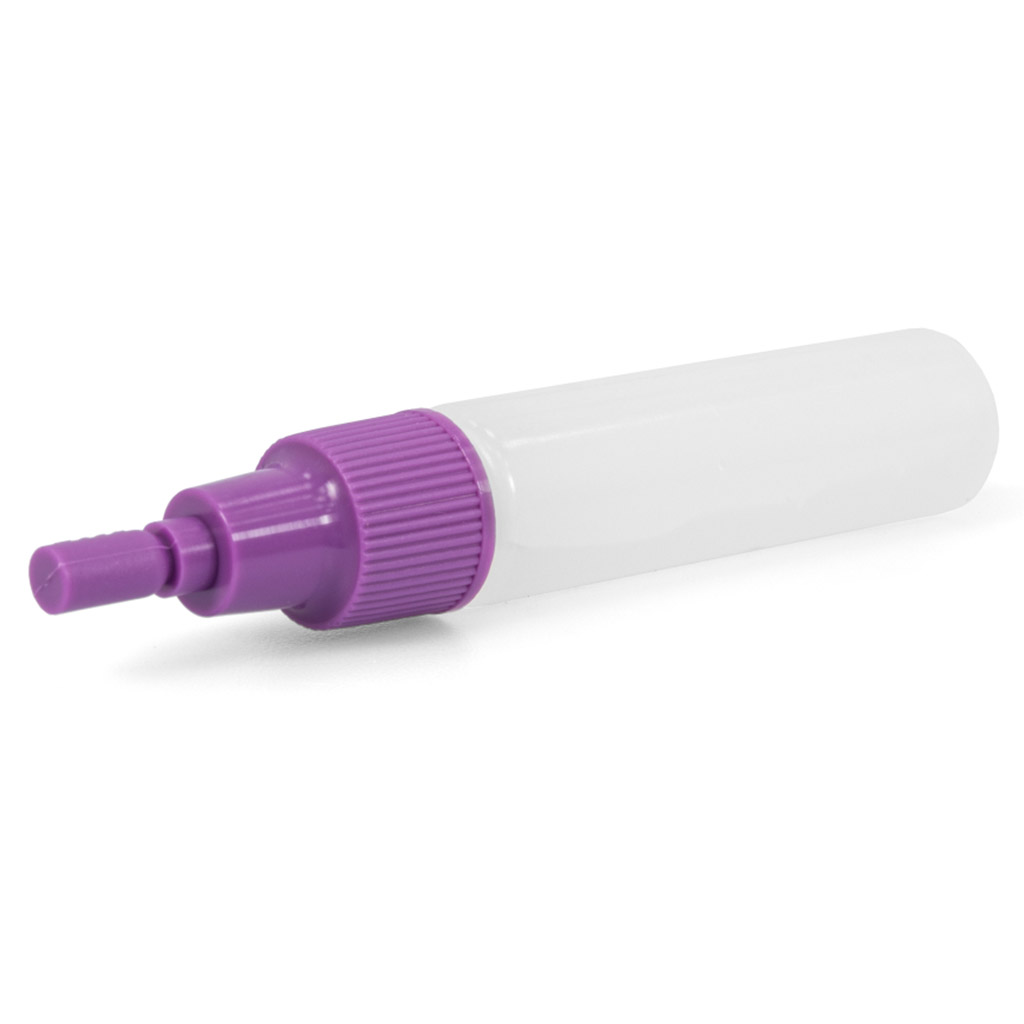


FASTest BEE 3T – rapid test for bee viruses (10 pcs)

FASTest BEE 3T – Rapid Test for Bee Viruses (10 pcs)
Get a quick overview of the health status of your bee colonies without waiting for laboratory results. FASTest BEE 3T is a practical diagnostic rapid test that allows you to verify the presence of three common and serious viral diseases of bees directly at the apiary within minutes. You get immediate results – and can adjust your colony management approach in time.
Why it shouldn't be missing from your beekeeping equipment
Viral infections in bee colonies are often closely related to Varroa mite infestation (Varroa destructor), which is one of the main virus vectors. FASTest BEE 3T is suitable for year-round monitoring – it allows quick assessment of the hive situation and better treatment planning. A positive finding of a specific virus can also indirectly indicate increased Varroa pressure and the need to adjust mite control. It provides the greatest benefit in late summer, when quick decisions often influence colony strength and successful overwintering.
What the test detects
From one sample, it qualitatively detects the presence of these three pathogens:
1. Deformed Wing Virus (DWV) – a common factor in colony weakening and collapse.
2. Acute Bee Paralysis Virus (ABPV) – a rapidly progressing infection with serious impacts.
3. Sacbrood Virus (SBV) – a disease affecting bee brood development.
Proven quality and innovation
FASTest BEE 3T won the gold medal in the "Scientific Innovations for Bees" category at the Apimondia 2025 World Congress in Copenhagen. This is an award-winning solution that is also recognized by the professional beekeeping community.
How the test works
The test is based on the principle of immunochromatography (lateral flow), similar to common antigen tests. The sample mixed with buffer moves through a membrane, where any viral antigens bind to antibodies and create visible test lines. The procedure is clean, simple, and requires no laboratory equipment – you can perform it directly at the hive.
Package contents and sample preparation
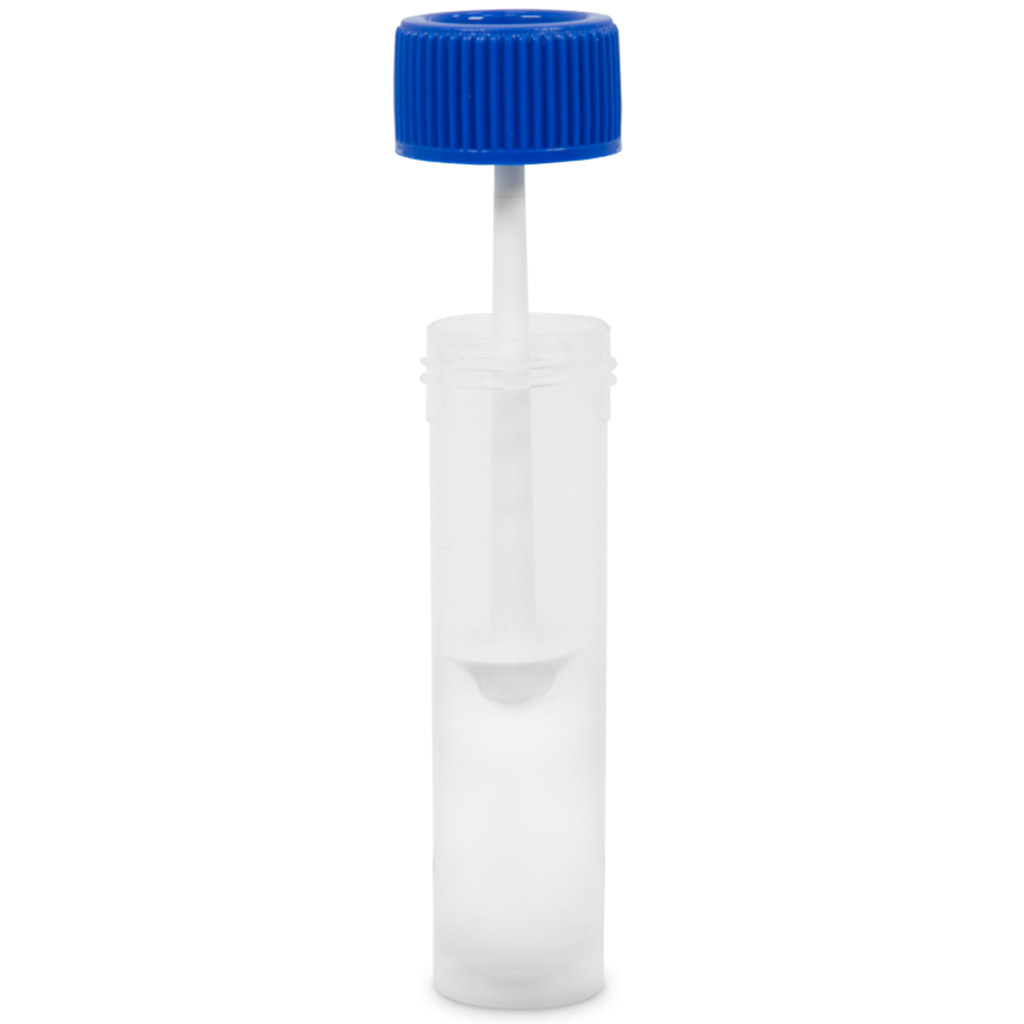
The package contains everything needed for two complete tests: tweezers, two sets of test strips (3 pieces each), test tubes with pestle, and corresponding solutions. For one test, collect 5 bees or 5 larvae/pupae (brood), crush the sample with the included pestle, and mix with the solution according to instructions. Before testing, allow components and sample to reach room temperature (15–25 °C).
Technical parameters
| Product name | FASTest® BEE 3T (2er Pack) |
| Detected viruses | DWV (Deformed Wing), ABPV (Acute Paralysis), SBV (Sacbrood) |
| Test type | Immunochromatographic rapid test (Lateral Flow) |
| Evaluation time | 10–15 minutes |
| Number of tests per package | 2 complete tests |
| Required sample | 5 bees or larvae/pupae brood |
| Application | Year-round monitoring, treatment decisions, indirect indication of Varroa pressure |
| Sample material | Bee / brood |
| Storage | Room temperature (15–25 °C) |
| Test execution | Rapid test |
| Award | Gold medal Apimondia 2025 |
Bee health and viral diseases
The honey bee (Apis mellifera) is among the three most important domestic animals in the world due to its pollination of a wide spectrum of crop and ornamental plants. Pollination services are crucial for sustainable agriculture and landscape stability. Therefore, regular monitoring of colony health status and vitality is of key importance. Besides parasites and fungal diseases (e.g., Varroa destructor and Nosema spp.), viruses also pose a significant risk, including DWV, ABPV, and SBV.
DWV (Deformed Wing Virus) can cause typical symptoms when stress factors occur (heavy V. destructor infestation, food shortage, improper colony management): deformed to shriveled wings preventing flight, smaller body size, and color changes in adult bees.
SBV (Sacbrood Virus) causes significant changes in brood: pupation does not occur, molting fluid accumulates in the larva with a "sac-like" appearance, color changes from pearly white to light yellow. After death, the larva dries into a dark brown, boat-shaped scale. Adult bees often undergo infection without obvious clinical signs, usually manifesting as shortened lifespan.
ABPV (Acute Bee Paralysis Virus) multiplies especially in pupae. After activation (e.g., during mite infestation, concurrent infections, environmental stress, or chemical exposure including insecticides), rapid progression is typical: trembling, progressive paralysis, inability to fly, darkening and loss of hair on thorax and abdomen, followed by rapid death of adult bees.
Numerous studies point to a close relationship between the level of Varroa destructor infestation and the occurrence of certain viral diseases (especially DWV, ABPV, SBV). The Varroa mite acts as both a reservoir and vector for viruses. This combination is considered one of the main causes of winter losses, with the strongest correlation observed between mite infestation and viral load for DWV.
For rapid assessment of the situation directly at the apiary, FASTest® BEE 3T is a simple diagnostic tool. With positive results, appropriate measures can be initiated immediately, such as adjusting Varroa control procedures.
Safety instructions
For hygiene reasons, we recommend using disposable gloves and other personal protective equipment (protective clothing, possibly a mask). After completing the test, wash and disinfect your hands.
Label samples, test tubes, and test strips so that results can be clearly assigned to specific colonies.
Use a new test tube for the sample and new test strips for each test.
The buffer solution contains low concentrations of toxic sodium azide as a preservative. Prevent contact with skin and eyes and avoid ingestion or inhalation.
Handle the sample as potentially infectious material. Safely dispose of used test components after completion, keeping them away from bees.