Hive insulation
Insulating inserts and pads for hives to enhance the thermal comfort and well-being of bee colonies during overwintering. We offer both entire rolls and pre-cut insulation pads, conveniently sized for immediate use in your hives without additional adjustments. Proper insulation inserted into the hive cover also serves to regulate humidity, efficiently removing excess moisture during colder periods, thus preventing mold issues. A well-insulated yet adequately ventilated hive cover significantly supports bee health and promotes successful wintering.


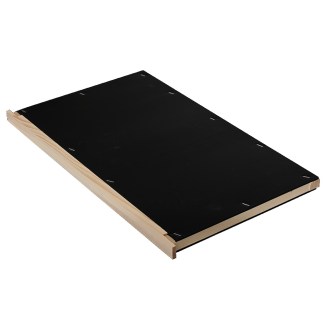
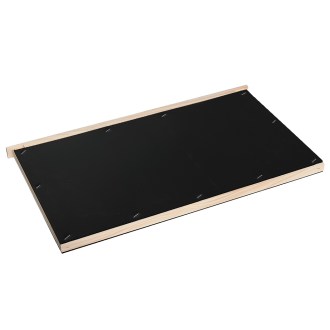
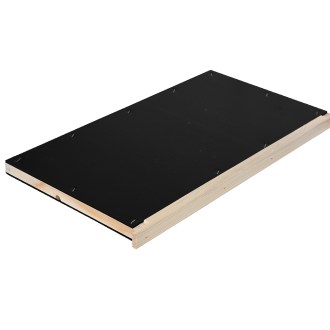
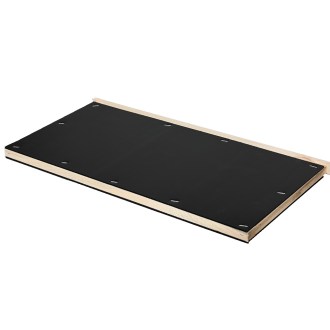
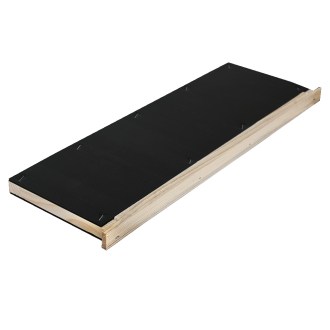
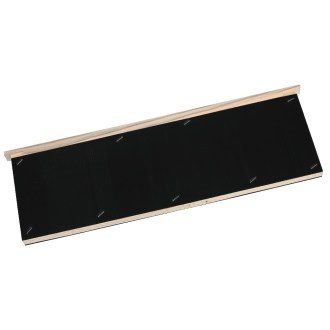

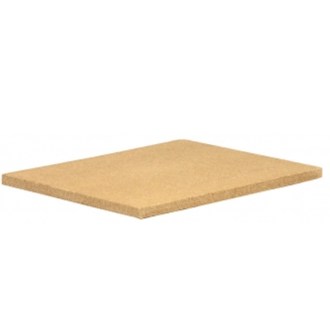

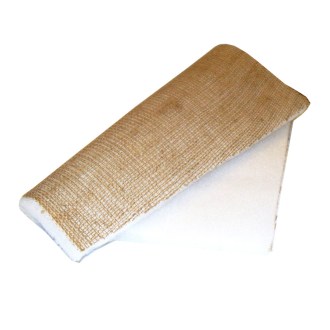
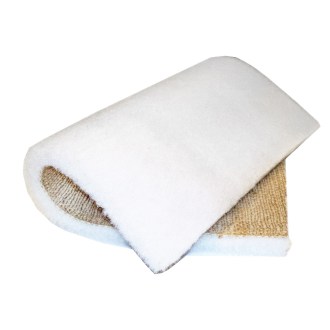
Hive Roof Insulation and Protection
Optimal bee colony protection begins with high-quality insulation and hive roof coverings. Specialized insulation boards and materials significantly enhance the natural conditions inside hives, effectively safeguarding bee colonies against harsh weather influences. The hive roof, as one of the most exposed components, needs special attention to maintain a stable and comfortable internal environment.
Characteristics and Materials Used for Hive Insulation
Hive roof insulation panels are manufactured using materials such as foam, rubber, fibreboard, specialized foil, or recycled cotton. These premium insulation materials ensure superior thermal performance, maintaining consistent temperatures and protecting colonies from sudden climatic fluctuations. Effective thermal insulation—both against heat and cold—is vital for year-round bee colony health.
Universal Use and Adaptability
These insulating mats are designed to fit various hive types, and they can easily adapt to the individual needs of beekeepers. Thus, regardless of constructional differences between hive types, their effective deployment is always straightforward.
Key Benefits of Hive Roof Insulation Mats
-
Winter Thermal Protection: During colder months, insulation mats prevent heat from escaping the hive, reducing bees' energy consumption to maintain optimal hive temperature and protecting colonies against hypothermia.
-
Protection Against Summer Overheating: During hot summer days, the insulation mats prevent hives from overheating, creating a cooler and more comfortable environment for the bee colonies.
-
Moisture Regulation: Their moisture-regulating capacity helps prevent condensation inside hives. This notably reduces the risk of mold growth, ensuring healthier conditions for bees.
Recommended Practices for Insulation Usage
To ensure optimal insulation performance, carefully position insulating materials on hive roofs for uniform thermal protection. Regularly inspecting insulation material is essential to promptly identify damages and maintain its efficiency.
High-quality insulation and hive roof protection represent strategic investments in improving colony living conditions. Hive insulation materials are a practical and cost-effective solution for supporting bee health and productivity. By implementing quality insulation, you offer the colonies comprehensive protection against weather fluctuations, supporting the vitality and productivity of your bees.
The Importance of Insulation Panels (Hive Warmers)
Insulating partitions and hive warmers are fundamental tools for adapting hives to seasonal changes, especially during hive expansion or contraction and hive roof insulation. These insulated partitions are essential components for all hives, regardless of material—wooden, polystyrene, or polyurethane foam. They play a particularly vital role in spring and autumn when the colony demands additional thermal protection. Additionally, these insulation elements promote the healthy growth of young colonies throughout the beekeeping season.
Varieties of Insulation Materials
Insulation can be classified according to its placement location—such as top cover insulation placed in the hive roof, or hive-body insulation placed along the walls of the colony's nest. Materials commonly used include wood, polystyrene, straw, or composite materials.
What Our Store Offers
Our online shop features a comprehensive selection of insulation solutions tailored to the requirements of every beekeeper. We offer modern options such as polystyrene or plastic insulating partitions. For wooden hives we provide various-sized wooden or fibreboard partitions. For environmentally-conscious beekeepers, straw partitions not only improve insulation but also help manage moisture naturally within hives. For top-cover insulation, our products combine thermal protection with efficient absorption of excess moisture.
Customer Experiences
Our insulation products are highly valued by our customers for their lightweight construction and effortless installation. Polystyrene solutions are particularly popular, while traditional wooden options appeal to beekeepers who favor classic and eco-friendly practices.
Frequently Asked Questions (FAQs)
Why are insulation panels important? Insulation panels greatly contribute to hive heat regulation, especially in spring and autumn. They effectively reduce internal hive space, offering thermal protection and promoting colony health.
How should I maintain insulation panels? Maintenance depends on material type. Polystyrene products require cleaning with water and mild detergents. Wooden partitions are often disinfected via cautious flame treatment. Straw partitions demand slightly more effort, and periodic replacement is recommended. Proper care for hive warmers and insulation will support honey production and create a healthy environment for your bees throughout the season.