Heaters
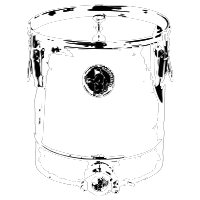
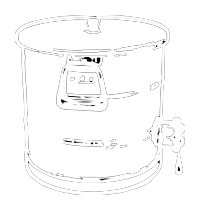
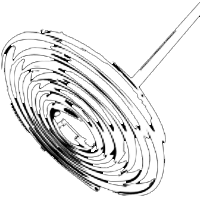
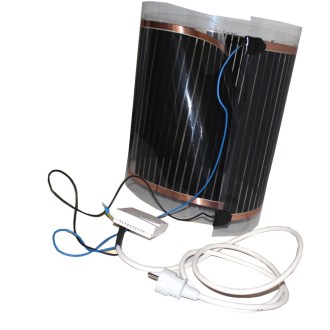
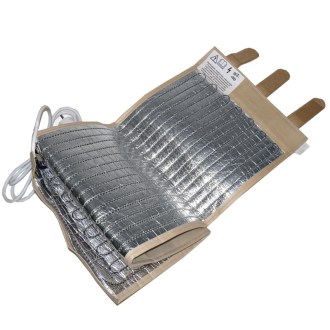
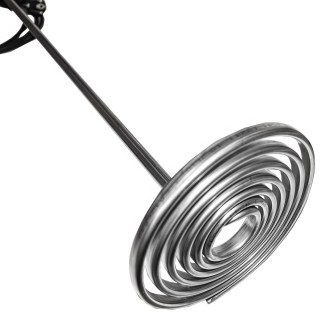
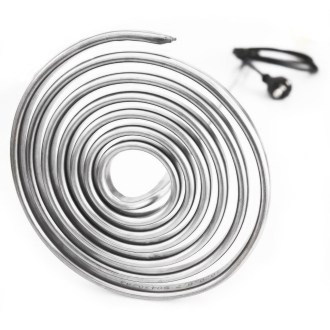
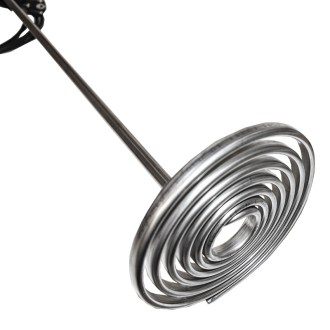
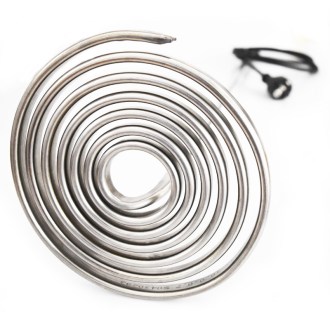
Maintaining the correct temperature is essential when liquefying honey to preserve all its valuable and health-promoting properties. If the temperature during the warming process exceeds 50°C, these beneficial substances begin to degrade. Liquefying chambers: Ideal for containers and barrels of honey. Decrystallization spirals and belts: Suitable for liquefying honey in jars, bottles, and food-grade cans. Stainless steel decrystallization tanks are available in various capacities for professional beekeeping use. Professional equipment also offers features such as smooth temperature control and protection against overheating of the honey.
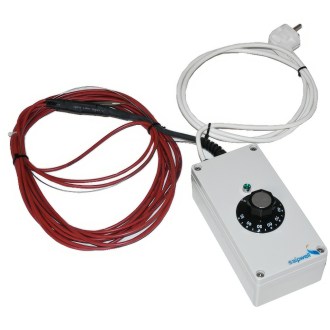
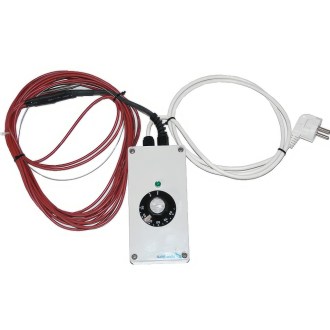


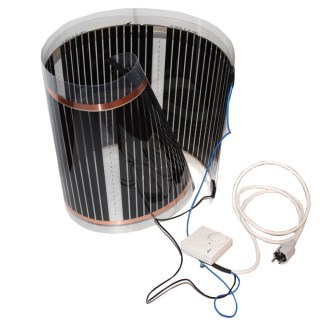



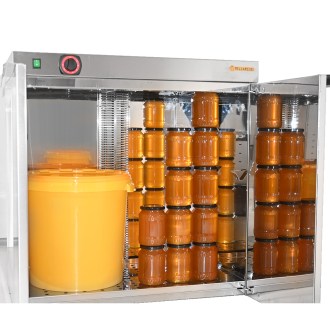
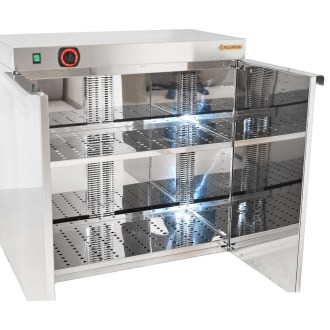
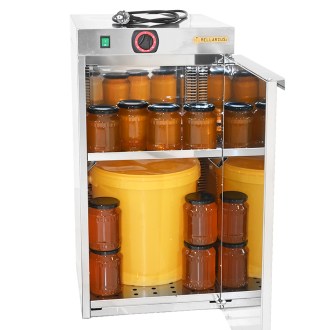
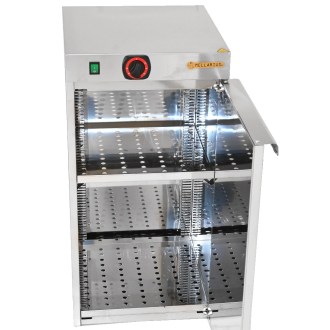

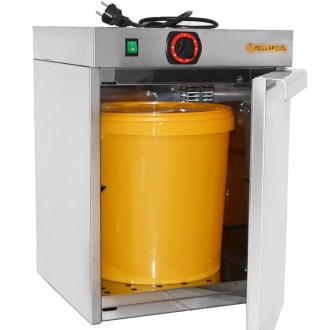
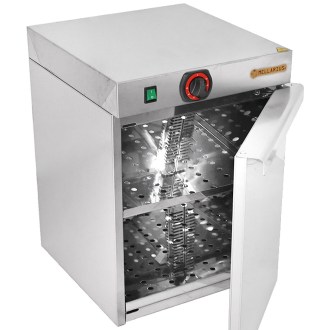


Honey decrystallization has become increasingly important as consumer demands continue to grow. For beginner beekeepers, this process can be a challenge, as many customers prefer honey in its liquid form. Although the chemical properties of honey remain the same regardless of its state, liquid honey is often more convenient—especially when adding it to tea or other foods.
Explore our wide range of honey decrystallization equipment—from simple decrystallizing spirals to advanced chamber systems. Our products are designed to meet the needs of both small-scale and professional beekeepers.
What Is Honey Decrystallization?
Decrystallization is the process of gently warming crystallized honey to a specific temperature, converting it back to a liquid form. Once liquefied, the honey recrystallizes much more slowly than before. Liquid honey is highly popular among those who appreciate natural sweetness straight from the hive, as it is easier to incorporate into foods and beverages.
Who Should Decrystallize Honey?
This process is ideal for beekeepers who want to make their products more appealing to customers. Decrystallization is particularly beneficial for honey varieties such as rapeseed honey, which crystallize quickly. By decrystallizing, you can transform a dense, white form of honey—often seen as less attractive to consumers—into a smooth, liquid product that looks and feels premium.
How to Decrystallize Honey
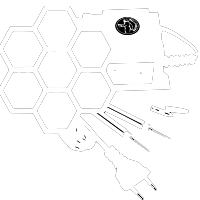
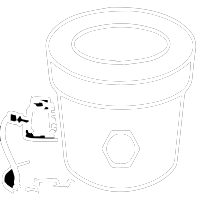
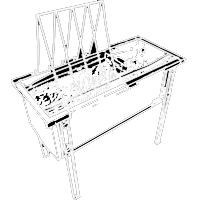
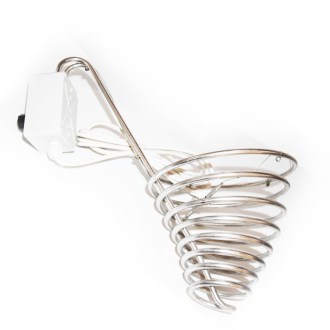
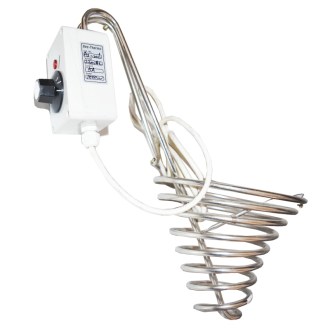
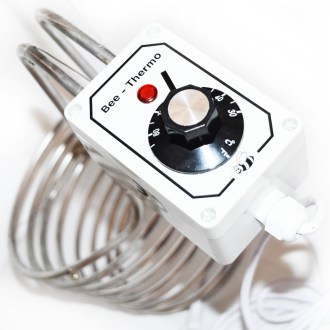
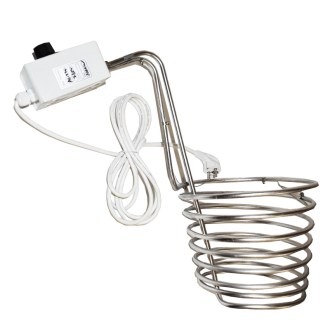
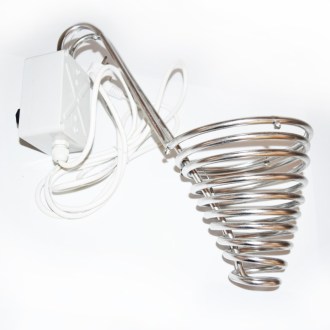
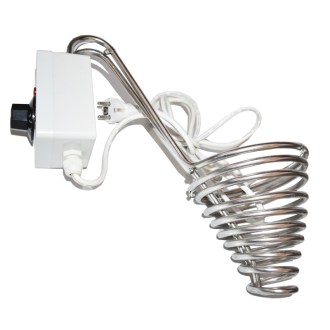
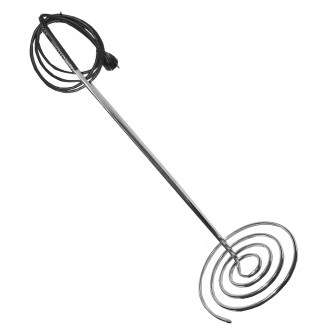
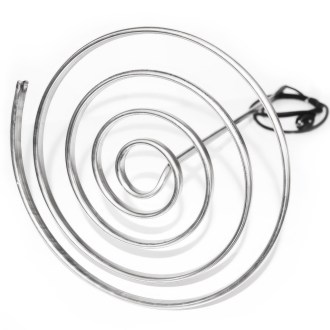
At home, honey can be gently warmed in a water bath, making sure to maintain the proper temperature to protect its natural qualities. For professional beekeepers, we offer various types of specialized equipment. Our decrystallizing spirals allow honey to be warmed directly inside containers and are available with or without thermostatic control. For processing larger quantities, decrystallizing chambers are ideal for jars, buckets, or barrels of honey.
Our Honey Decrystallizers
Our decrystallizing equipment stands out for its reliability and versatility. Decrystallization chambers can also serve as pollen dryers thanks to built-in shelves and drawers. Decrystallizing spirals offer an excellent solution for small beekeeping operations—allowing efficient and quick honey liquefaction through simple manual control.
What Happens to Overheated Honey? Overheating destroys honey’s beneficial properties and prevents it from ever crystallizing properly again—one of the telltale signs of overheated honey.
How to Liquefy Crystallized Honey: An Overview of the Best Methods
Honey crystallization is a completely natural process caused by the formation of glucose crystals. If you wish to return your honey to liquid form without compromising its quality, nutrients, or aroma, several effective techniques are available. Below is an overview to help you choose the best method for your needs:
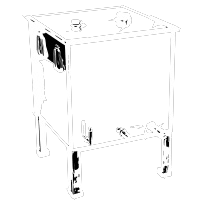
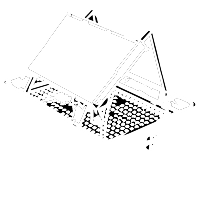
Decrystallization Box: A specially designed unit with adjustable temperature control for gentle honey warming—ideal for beekeepers handling large volumes of honey.
Advantages:
- Large capacity: Can hold multiple jars, buckets, or barrels at once.
- Gentle heating: Prevents overheating and caramelization.
- Versatility: Can also be used for warming wax or bee feed solutions.
Compact Decrystallization Boxes: Smaller, portable thermal cabinets ideal for hobby beekeepers or small-scale operations.
Advantages:
- Compact design: Easy to transport and suitable for smaller honey volumes.
- Simple control: Equipped with a digital display for precise temperature adjustment.
- Gentle liquefaction: Slowly warms honey while maintaining its quality.
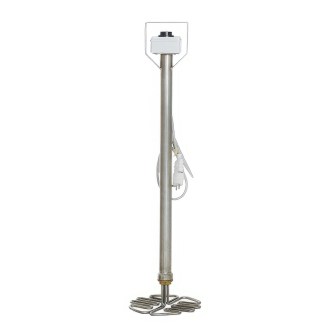
Immersion Heaters: Heating rods inserted directly into honey containers to warm honey from within—ideal for quickly liquefying small to medium volumes.
Advantages:
- Fast liquefaction: Direct heat transfer ensures quick results.
- Easy to use: Lightweight and portable design.
- Highly portable: Convenient to use in various settings.
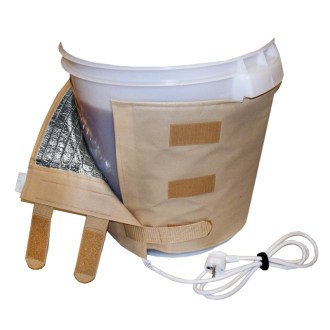
Heating Belts: Flexible heating wires or belts wrapped around honey containers or barrels—perfect for processing large quantities.
Advantages:
- Large capacity: Ideal for barrels and large containers.
- Easy application: Simple to attach and handle.
- Uniform heating: Ensures even heat distribution throughout the container.
Immersion Heaters with Thermostat: An advanced version of immersion heaters featuring an integrated thermostat for precise temperature control.
Advantages:
- Temperature control: Prevents overheating with accurate thermostat regulation.
- Efficiency: Enables quick and high-quality honey liquefaction.
- Versatile use: Suitable for small to medium-sized containers.
Tips for Liquefying Honey
- Slow heating: Gentle, even warming best preserves honey’s nutrients and aroma.
- Maximum temperature: Do not exceed 40–50°C to maintain enzymes and other valuable components.
- Proper storage: Keeping honey at a steady 18–20°C helps delay crystallization.