










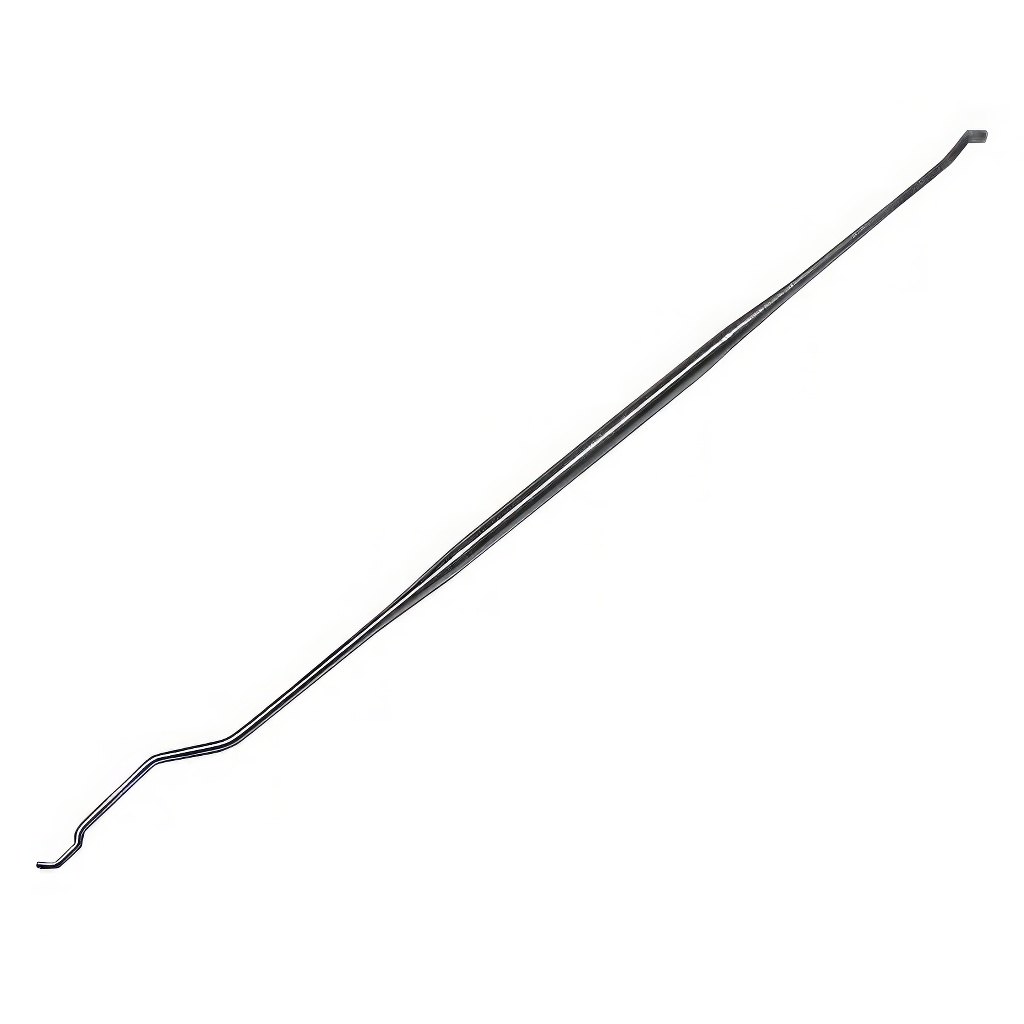
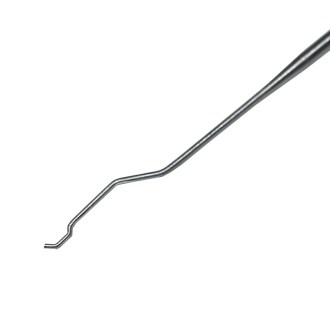
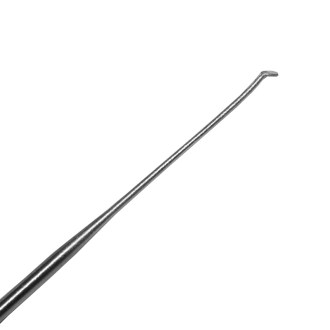
Doubles stainless steel grafting tool DE II
 In stock
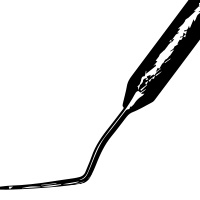
Beekeeping grafting tool is suitable for engraving future mothers, either in bowls or mothers. The high-quality stainless steel finish will surely make you look good. Decoction is a common way for a beekeeper to feed a future queen from a larvae of our choice.

Wide Double-Sided Grafting Tool – Stainless Steel, Smooth
Stainless steel grafting tool for beekeepers is among the essential equipment for raising your own queen bees. Grafting is a proven and highly reliable method for raising a new generation of queens from selected, genetically quality material. With a well-crafted tool, the work is significantly easier even for less experienced beekeepers – with proper technique, it's not uncommon to achieve over 90% acceptance rate of larvae by the colony.
Main Advantages and Features
Durable stainless steel: The entire tool is made from quality stainless steel, which is resistant to corrosion and very easy to keep clean. The ability to thoroughly sanitize and disinfect is crucial in queen rearing – it reduces the risk of introducing infection and helps maintain the breeding operation in good condition.
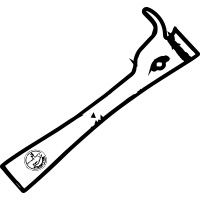
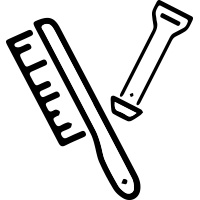
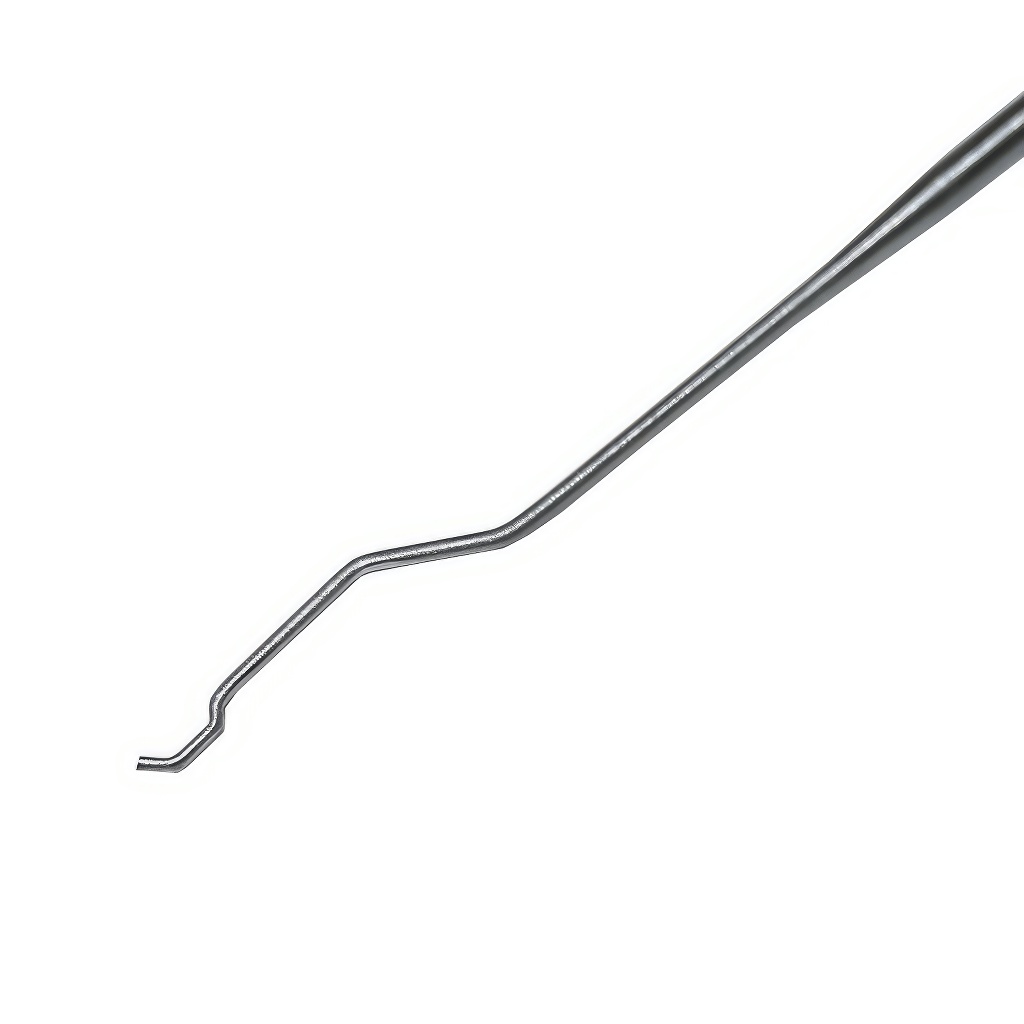
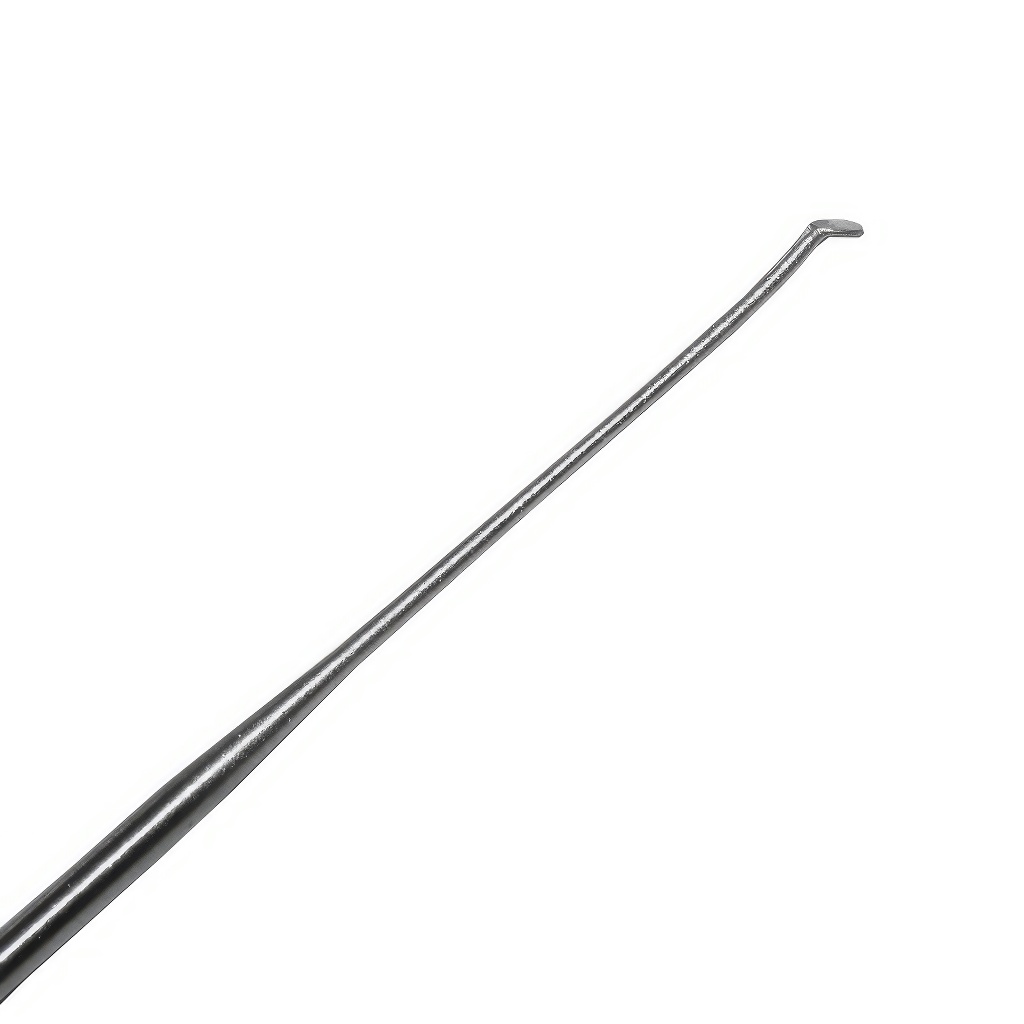
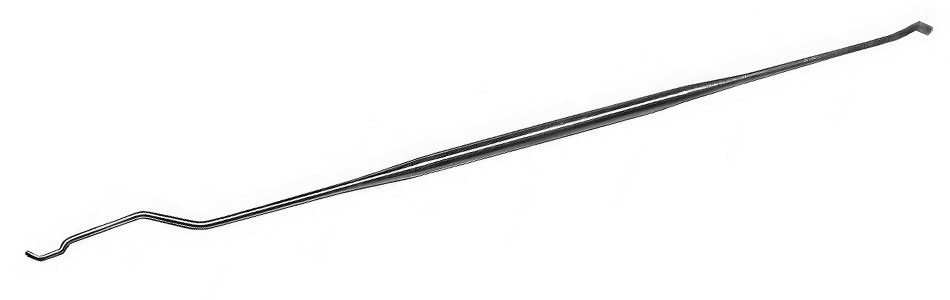
Practical double-sided design: At one end is a fine flexible tip (approx. 2 mm) that allows gentle picking up of larvae without damage. The tip shape supports safe handling even with the youngest larvae. If the original shape doesn't suit you, the end can be finely adjusted (e.g., with a diamond file) or slightly bent to an angle that will work better for you. The other end is widened into a flat surface – ideal for cleaning queen cell cups of dried royal jelly, wax, or propolis residue.
How to Graft: Brief Proven Procedure
Grafting requires a steady hand and systematic approach. First, prepare your queen cell cups and place ideally one drop of diluted royal jelly or distilled water in each. Don't add too much liquid – after hanging the grafting frame, it could leak out.
Then remove a brood comb with the youngest brood from the colony. In practice, it's often easier to work with darker, previously drawn comb – the white larva is more visible on it than on light virgin comb. The queen typically lays from the center outward, so look for the transition area between eggs and freshly hatched larvae. The right larva no longer lies flat like an egg, but is curled into a "crescent" at the bottom of the cell in a small glistening bed of royal jelly.
For higher precision, many beekeepers use magnifying grafting glasses with light. It also helps beginners if they slightly lower the cell walls before picking (e.g., with a warm knife). Pick up the larva gently from the dorsal side, transfer it over the prepared cup, and by gently dipping the tip into the drop of liquid, let the larva slide into the cup.
Technical Specifications
| Overall length | 190 mm |
| Tool body diameter | 3 mm |
| Grafting end diameter | 2 mm |
| Material | High-quality stainless steel |
| Design | Double-sided (grafting flexible tip / cleaning flat surface) |