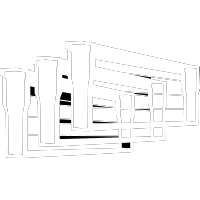
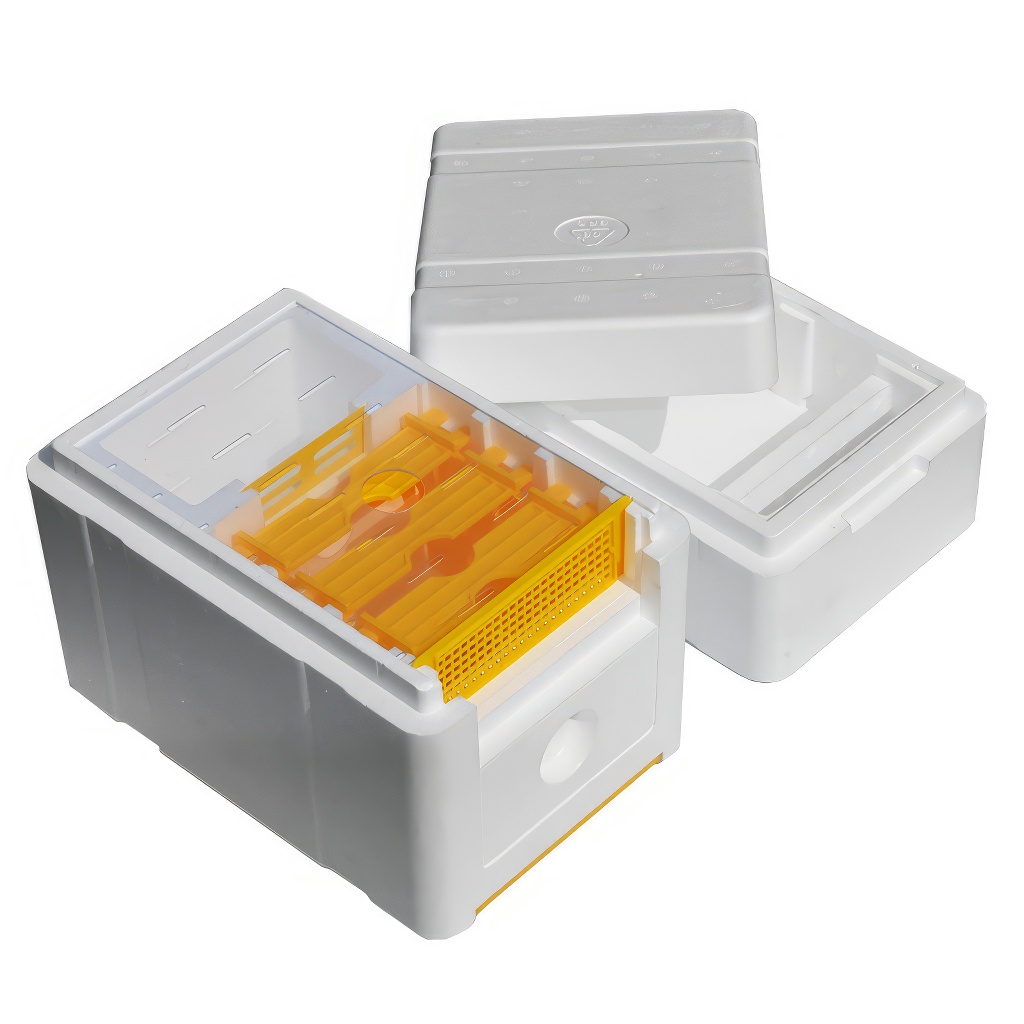
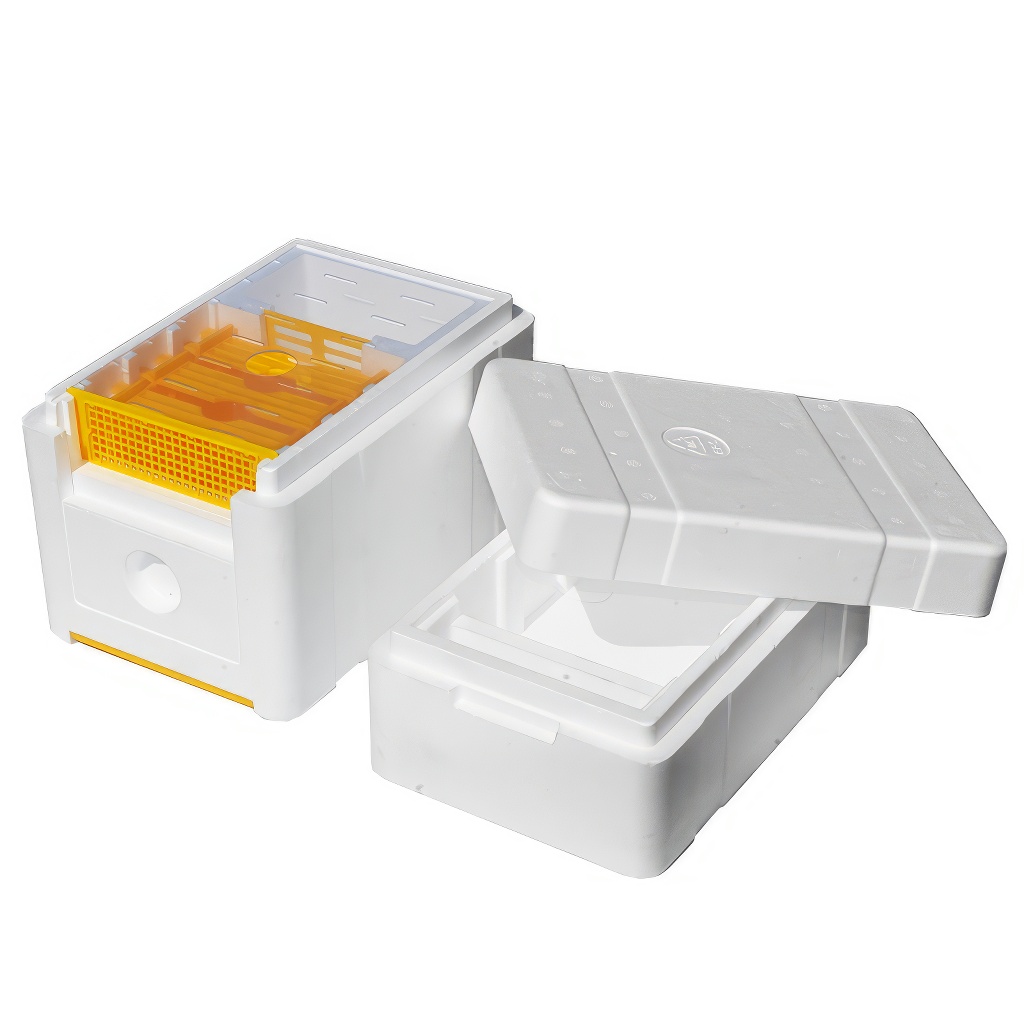
Swiss Biene nuc with feeder corrugated for one queen EPS
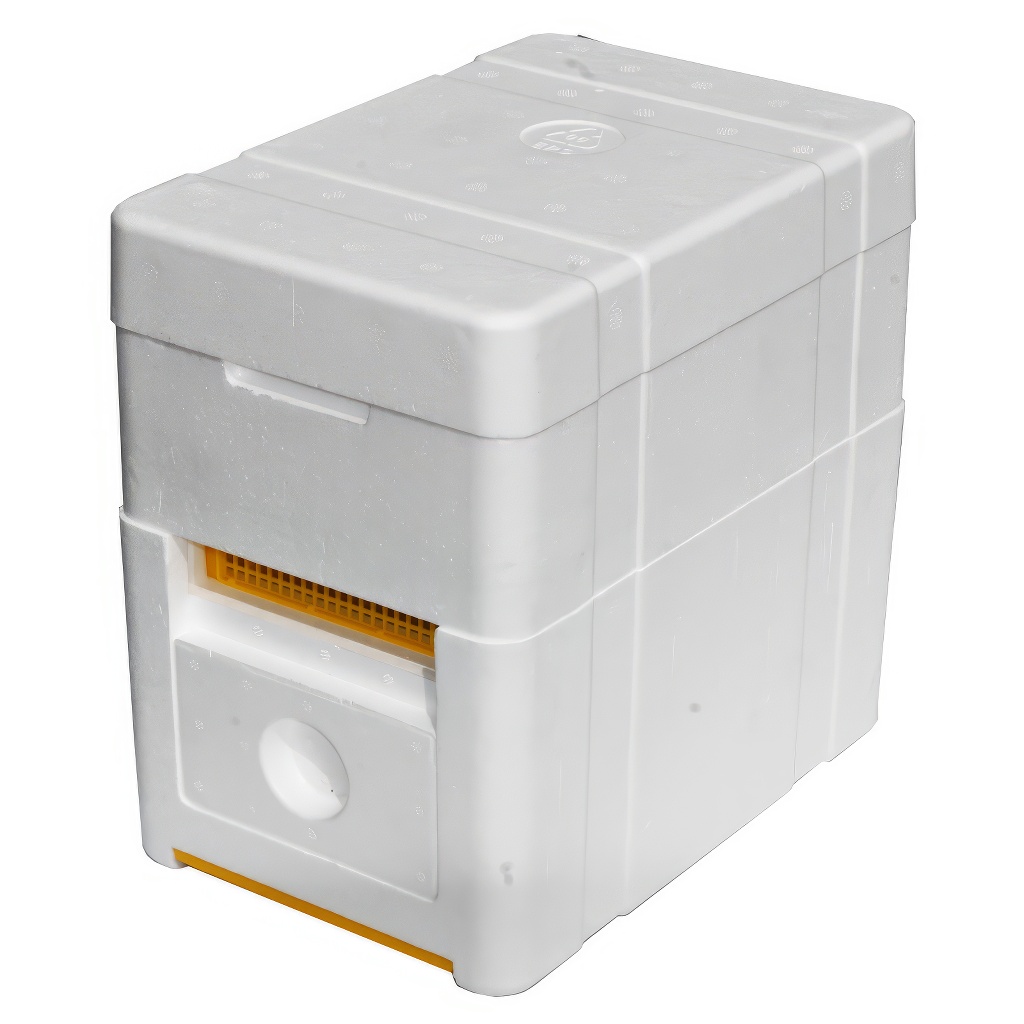
Nuc corrugated for a queen of hardened polystyrene and plastic. The walnut corrugated roof is polystyrene. Can be added queen or queen cell. Once the queen has begun, it must be removed immediately and add a new queen or queen cell.
Mating Nuc for 1 Queen with Feeder – Rigid Polystyrene and Plastic
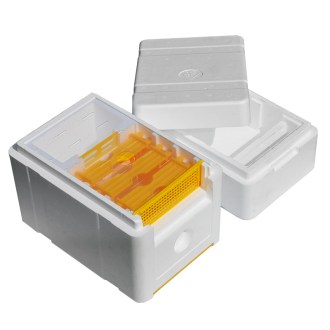
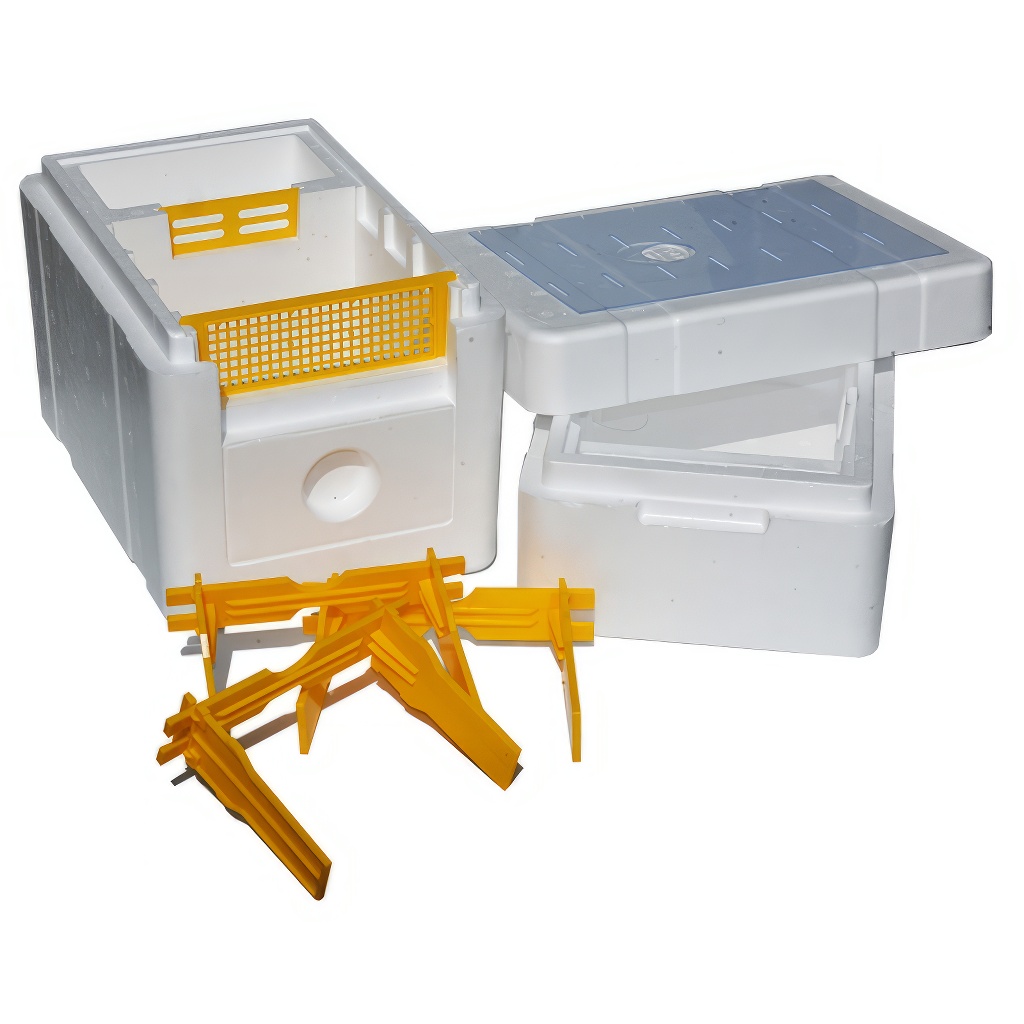
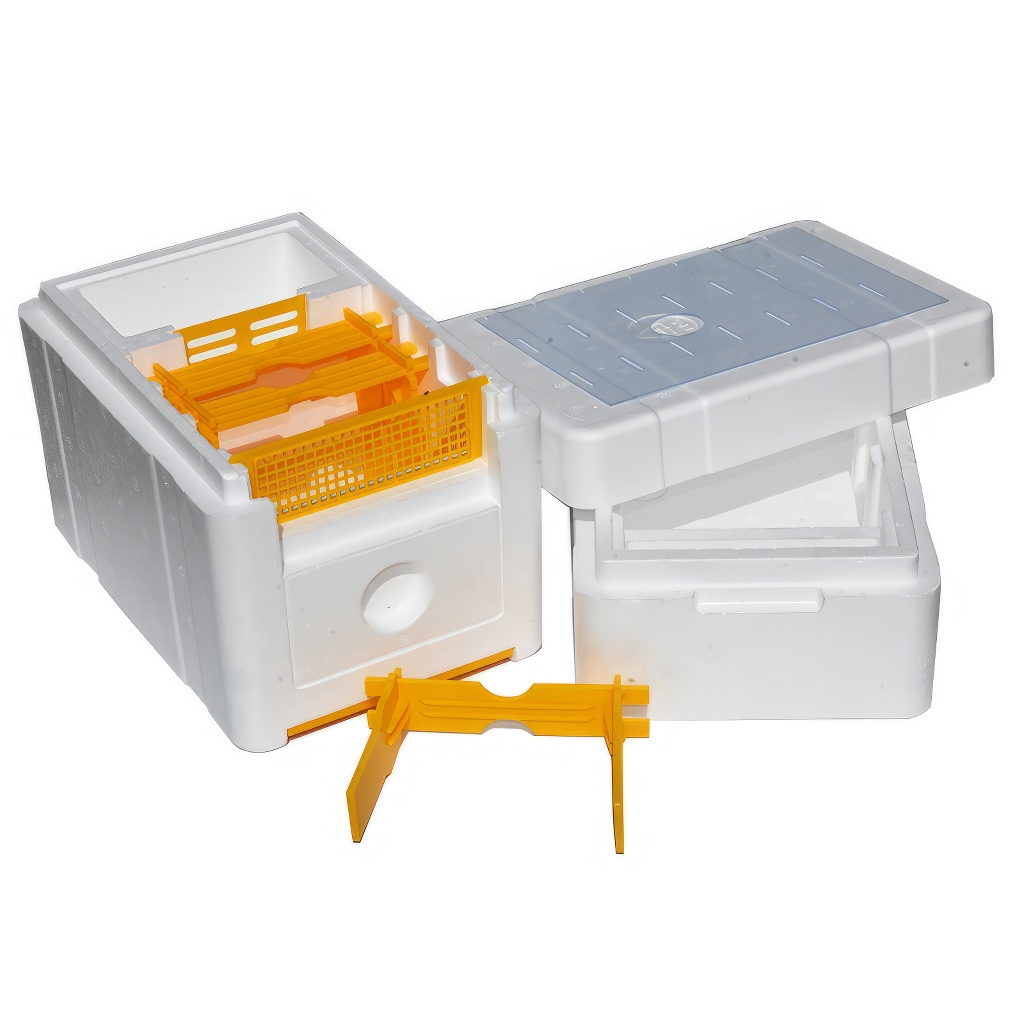
Need a reliable and space-saving mating nuc for queen rearing? This lightweight mini hive is designed for one queen and a small population of bees, providing a stable microclimate for safe mating and subsequent development. The package includes a polystyrene top feeder for convenient feeding without unnecessary disturbance to the bees, as well as three miniature plastic frames ready for foundation insertion.

Why It Is Ideal for Queen Rearing
The mating nuc is useful for queen replacement, resolving queenlessness, and preparing nucleus colonies for the next season. The rigid polystyrene body with a wall thickness of 20 mm provides excellent insulation, so even a small colony uses less energy to maintain the temperature needed for brood and queen development. The white finish also reduces overheating in direct sunlight. Thanks to its low weight and compact dimensions, the mating nuc is easy to handle even when transporting to different apiary sites. Adjustable ventilation allows continuous regulation of the internal environment according to the weather – from cool mornings to hot summer days.
Well-Designed Construction and Package Contents
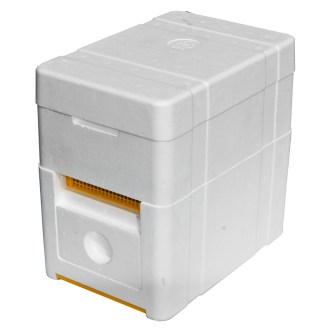
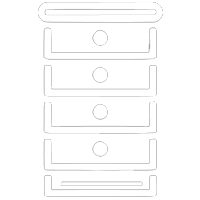
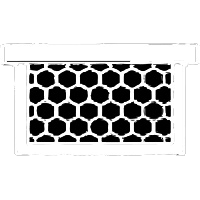
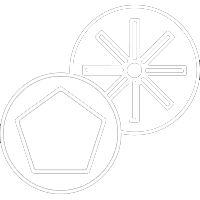
The mating nuc has a modular design: the polystyrene body is divided into a space for three frames and a separate feeding chamber. Quick inspection is made possible by a transparent film cover under the polystyrene roof. Ventilation is provided by mesh screens in the bottom board and in the front wall. The package includes two entrance discs (ventilation without passage / entrance with queen excluder) and a front sliding panel. The plastic parts are made of durable yellow PVC for long service life in operation.

Timing and Management of the Mating Nuc During the Season
Successful queen rearing depends on good timing. In practice, grafting often begins as early as the first half of spring (approximately around April 15–20), so that the first queens can be placed into mating nucs at the beginning of May. May and June tend to be the most productive months in terms of pollen and nectar flow, which supports rapid development of the small colony. Up until the summer solstice (June 21), the risk of robbing is also generally lower. However, with such a small colony, regular stimulative feeding is necessary – with sugar syrup (3:2) or sugar candy – because the bees cannot build up sufficient stores on their own in such a limited space.
Populating with Bees and Introducing the Queen
The day before the queens are due to emerge, prepare a shook swarm, ideally from young nurse bees shaken off brood combs, and keep them overnight in a dark, cool place. Assemble the mating nuc, set the bottom board and entrance to the ventilation position, and fill the feeder with syrup or candy (candy can also be accessed by the bees through an opening in the film). For convenient pouring in of bees, remove the middle frame. Lightly mist the bees with a sprayer before shaking them in to prevent them from taking flight. Then shake them between the frames, replace the middle frame, and introduce a freshly emerged queen directly among the bees (alternatively, insert a sealed ripe queen cell shortly before emergence). For an older shipped queen, it is better to use an introduction cage. Weigh down the roof and open the entrance the following day. After approximately 10 days, the queen should begin laying. Once laying has started, remove the queen promptly – in the limited space, the colony can easily develop a swarming impulse.

Technical Specifications
| Overall dimensions of the mating nuc | 23.5 × 16 × 15 cm |
| Mini frame dimensions | 10 × 8.5 cm (frame size 107 × 102 mm) |
| Number and type of frames | 3 pcs, plastic (included in the package) |
| Material | Rigid polystyrene (wall thickness 20 mm), PVC plastic |
| Colour | White polystyrene with yellow plastic components |
| Ventilation options | Adjustable mesh screens in the bottom board, front wall, and entrance |


In stock