Foundation
Wax foundation sheets from certified producers, regularly tested for the presence of paraffin. We offer only foundation sheets made in the Czech Republic, depending on stock availability from the manufacturers Kevva, Annkas, or Smolík. The foundations are produced exclusively from beeswax that we have purchased ourselves. We are happy to exchange foundation sheets for your wax at our stores; however, we reserve the right to refuse wax for buyback if we suspect it does not originate from Czech beekeepers or contains foreign additives.



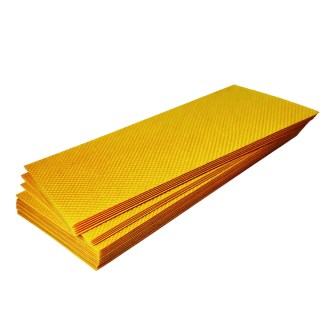
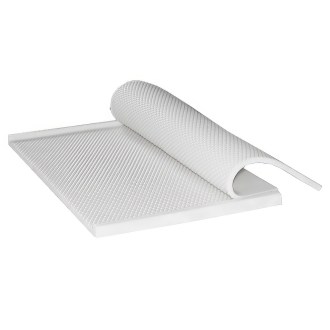
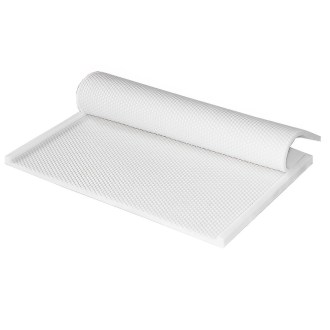


Wax Foundation Sheets are a consumable item that many beekeepers purchase every year. We offer only foundation sheets made in the Czech Republic, depending on stock availability from producers such as Kevva, Annkas, or Smolík. All foundations are produced exclusively from beeswax we have purchased ourselves and regularly tested. We will gladly exchange foundation sheets for your own wax at our stores; however, we reserve the right to refuse wax for buyback if we suspect it does not come from Czech beekeepers or if it contains foreign substances. We are among the few who also ship foundation sheets by post, but please note that despite careful packaging, some sheets may become damaged during transport. Their usability is not affected — bees are very skillful and will easily rebuild any cracks or broken sections. If the sheets are only slightly damaged, for example cracked, feel free to use them. Of course, we are happy to replace them on request. The whitening of foundations is not a defect and does not reduce their quality in any way. It is a natural process that occurs with all wax foundations, regardless of the manufacturer.
Bee Foundation Sheets: An Essential Element in Modern Beekeeping
Foundation sheets are a key component inside the hive, playing an important role in the life of the colony. They provide structural and practical functions that significantly enhance the efficiency and productivity of the bees. They are a brilliant example of natural architecture, precisely designed to serve the needs of the bees in every detail.
What Are Foundation Sheets?
Foundation sheets are preformed plates made of beeswax, created by melting and pressing wax into thin sheets. There are also plastic variants available that provide greater durability. They act as a structural base upon which bees can more quickly and efficiently build comb.
Benefits of Using Foundation Sheets
- Support for Comb Building: Foundations allow bees to spend less energy constructing combs, giving them more time for nectar collection and brood care.
- Strength and Stability: They provide additional support to the combs, reducing the risk of collapse or damage, especially during honey extraction.
- Material and Purity: Our foundations are made from pure beeswax, ensuring they are safe and free from harmful substances.
- Available Sizes: Foundations are produced in dimensions suitable for various frame types, such as Langstroth, matching standard hive formats.
Health Safety and Quality Control
All products meet strict health safety standards. The production of foundations is fully approved by veterinary authorities according to KVS regulations and includes regular inspections and laboratory tests — always confirmed negative for foulbrood spores. The process adheres to the HACCP critical control system, with sterilization conducted at 117°C for 60 minutes.
Practical Use in the Hive
Foundations are inserted or wired into hive frames. Once installed, bees immediately begin constructing natural comb structures, allowing efficient storage of honey and pollen in the “honey super” and creating space for larvae in the “brood nest.” Straight and uniform combs make honey harvesting faster and more efficient.
High-Quality Foundations for Beekeepers
Beeswax foundations play a crucial role in beekeeping. They are not only structural components of the hive but also directly affect colony health and productivity. Although the subject may seem well explored, practical experience continues to show that knowledge about foundation quality and its effect on bees is still evolving.
Methods of Foundation Production
There are three main techniques used to produce wax foundations:
-
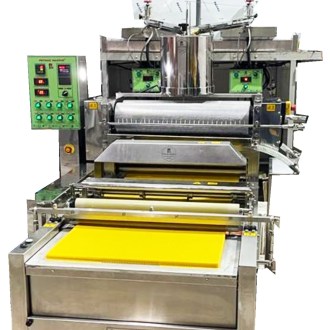
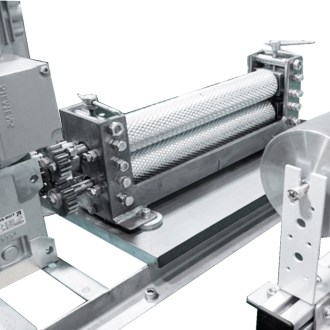
Cold-Pressed Foundations: This method involves pressing wax between patterned rollers. The resulting sheets are thin yet mechanically strong. Cold pressing preserves physical strength, much like cold-rolled steel retains higher density and toughness.
-
Cast Foundations Using Silicone Molds: These are thicker and allow bees to adapt them quickly, but they are less mechanically durable and may deform under heavy use.
-
Continuously Cast Foundations: Produced between rotating rollers, these often have inconsistent cell depth and lower mechanical strength. They tend to be brittle and prone to breaking during handling.
Problems with Low-Quality Foundations
Inferior foundations can cause various issues:
Storage and Handling: Fragile sheets are easily damaged during storage or transport.
Bee Acceptance: Bees may reject poor-quality foundations, resulting in holes, uneven brood patterns, and wasted resources.
Colony Health: Improper foundations may negatively affect colony well-being and decrease honey yield.
Our Foundations: Production Process and What to Expect
Beekeeping is an art based on attention to detail and the quality of materials used. Among the most important components are foundation sheets — the structural base of the comb, which bees use as their home, food storage area, and communication platform through vibrational dances.
Experienced beekeepers often prefer to make foundations from their own wax, maintaining a closed wax cycle and minimizing the risk of contamination by chemical residues. Beginners, on the other hand, may rely on professionally sterilized foundations made from purchased wax. Sterilization at over 117°C ensures the elimination of bee brood disease spores and other pathogens.
Choosing Cell Size: Standard or Small?
Different cell sizes on foundations offer various benefits. The standard cell size is 5.4 mm, but smaller 5.1 mm cells are becoming increasingly popular. These smaller cells can play a role in strategies against Varroa mites by supporting the so-called Varroa Sensitive Hygiene (VSH) behavior.
Production Methods: Hot vs. Cold Processing
There are two main methods of production: hot-poured and cold-rolled. Hot-poured foundations are made by continuously casting wax onto engraved rotating rollers. These foundations are thicker but tend to be more brittle and less resistant to cold temperatures.
Cold-rolled foundations, on the other hand, are more flexible and durable, making them better suited for handling and transport. This method involves pressing smooth wax sheets through patterned rollers. Although more labor-intensive, it produces high-quality foundations that retain structure even under stress or in lower temperatures.
What to Watch Out For
When choosing your type of foundation and production method, consider key factors. Hot-cast foundations may not be suitable for long-term storage due to brittleness, while cold-rolled foundations require careful wiring of frames to maintain shape under heavy loads.