










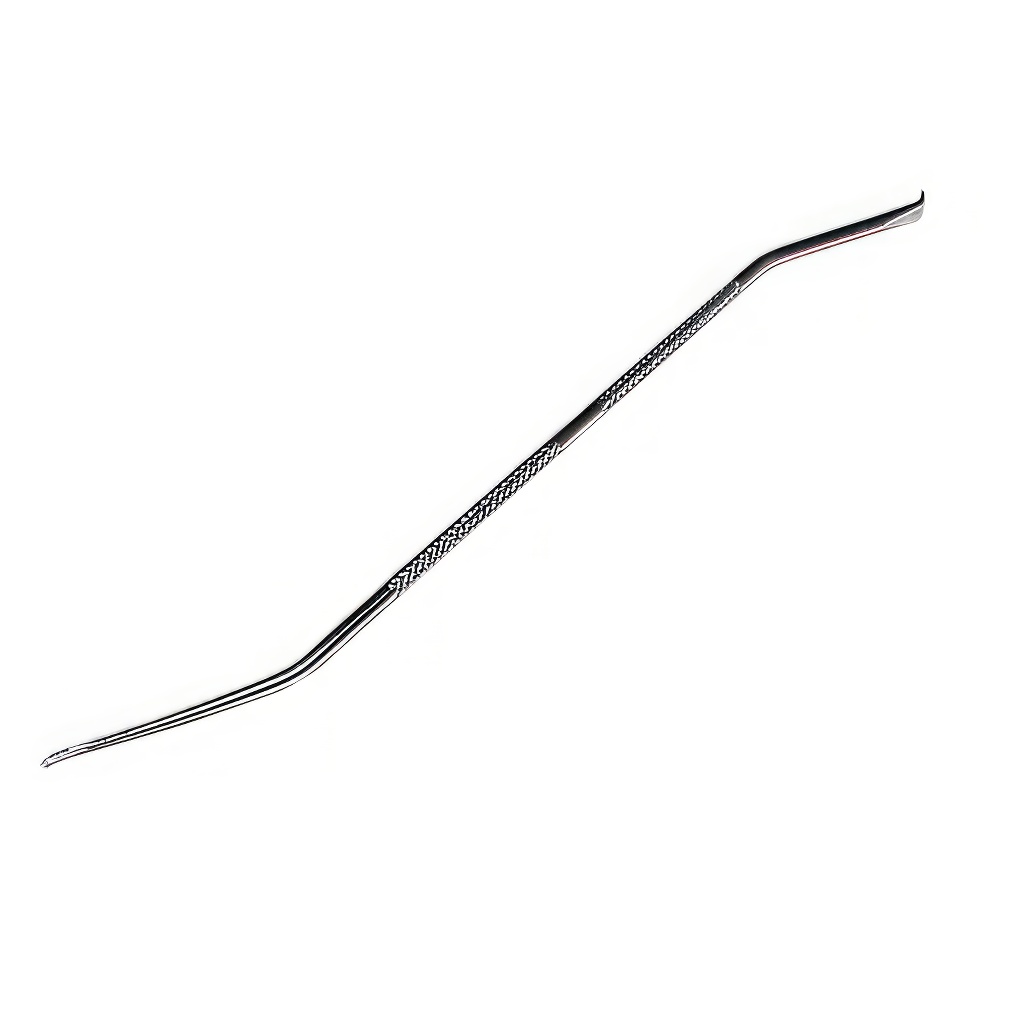
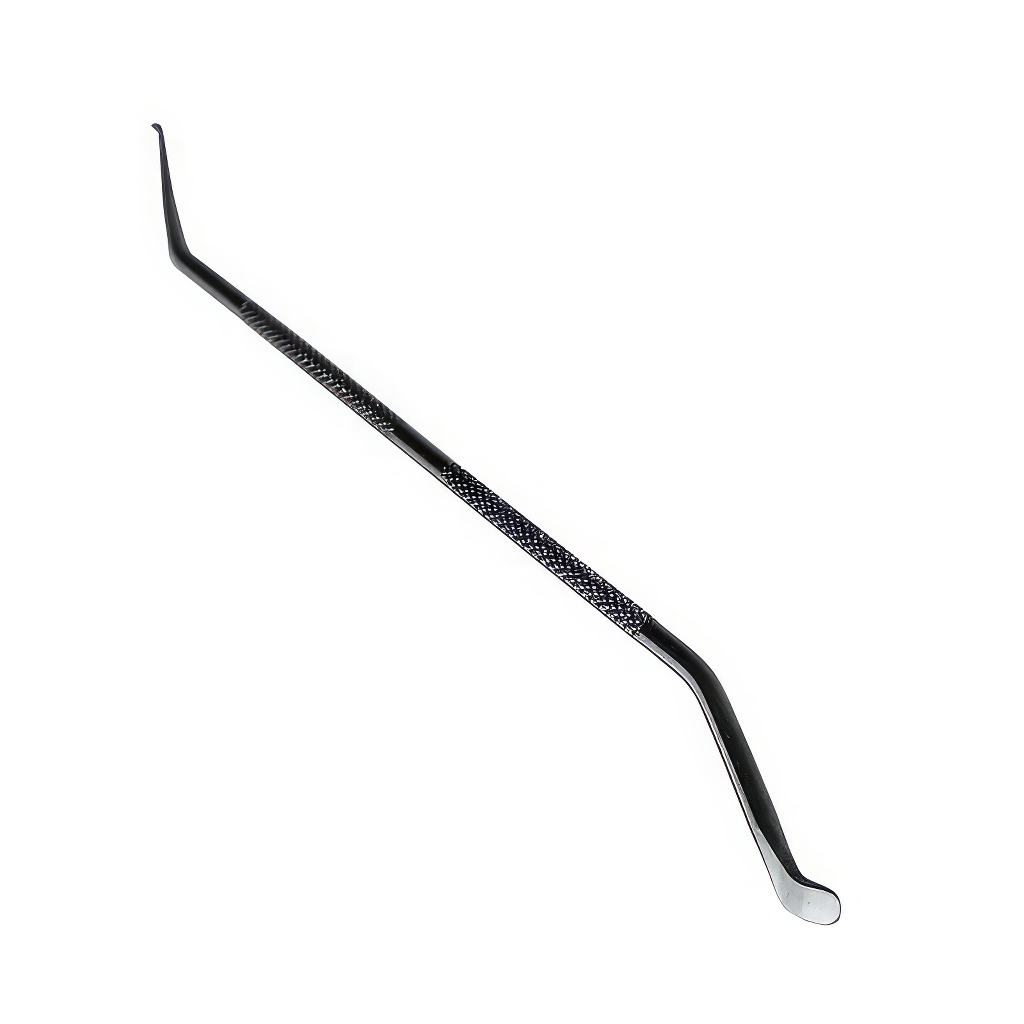
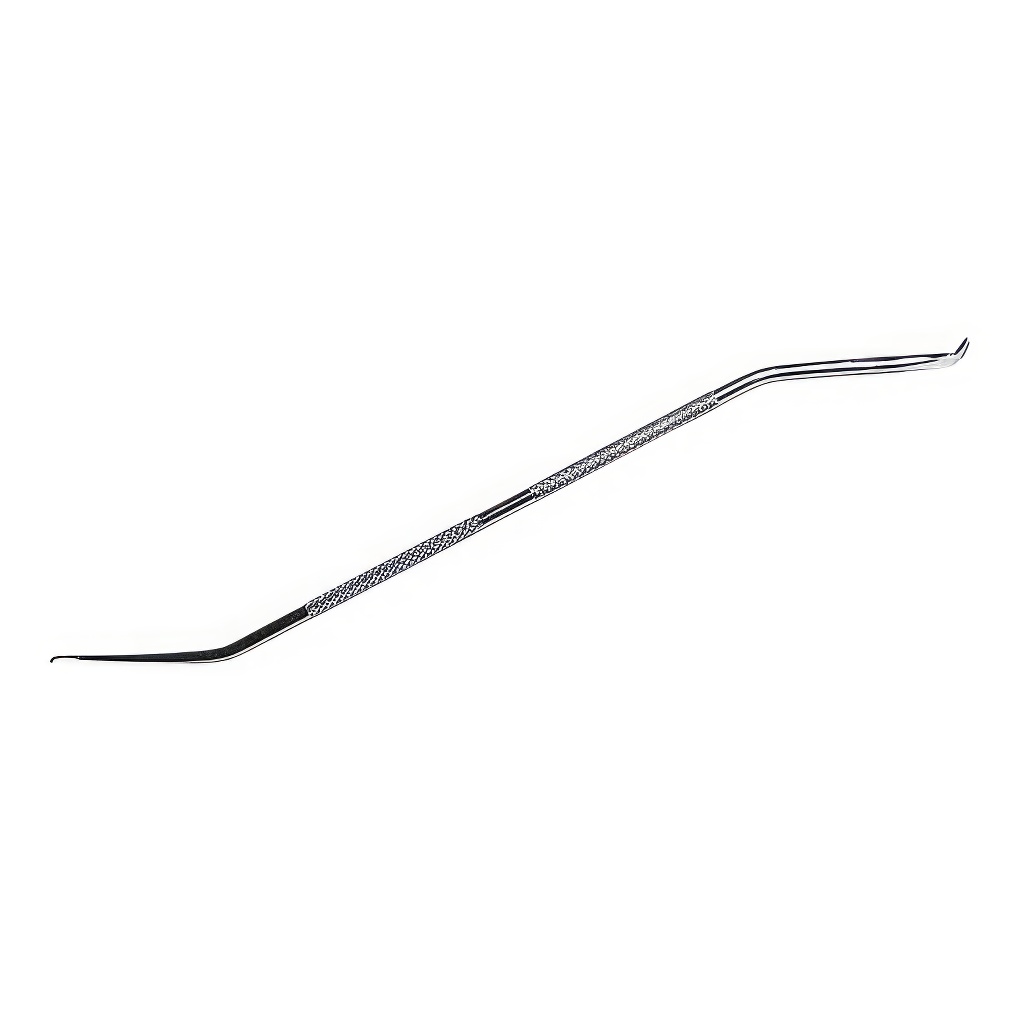

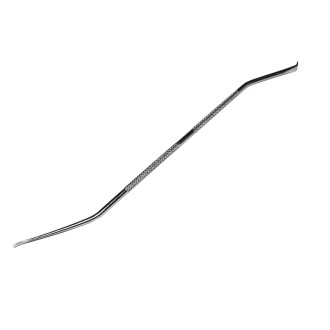
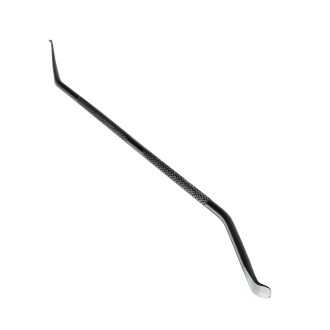
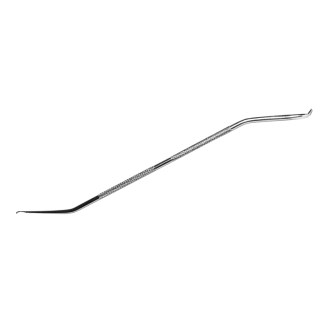
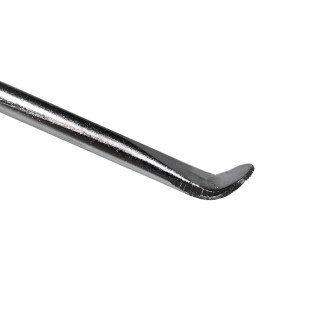
Doubles wide stainless steel grafting tool DE
 In stock
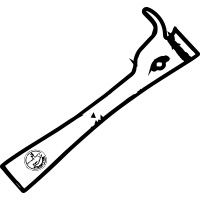
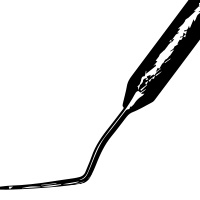
Beekeeping grafting tool is suitable for engraving future mothers, either in bowls or mothers. The high-quality stainless steel finish will surely make you look good. Decoction is a common way for a beekeeper to feed a future queen from a larvae of our choice.

Double-Sided Stainless Steel Grafting Tool – Reliable Equipment for Queen Rearing
Stainless steel grafting tool is among the essential equipment for every beekeeper who wants to rear their own queen bees. Grafting is a proven and highly reliable method for obtaining quality queens from carefully selected larvae. Thanks to the properly shaped tip, the work is significantly easier even for beginning beekeepers – the tool helps to safely pick up, transfer and place the larva into the queen cell cup without unnecessary stress and risk of damage. With gentle handling and following proper procedure, it is common to achieve high acceptance rates of larvae by the colony (often over 90%).
Main Features and Benefits
Stainless steel for long service life: The tool is made from quality stainless steel, which is resistant to corrosion. It is easy to clean and disinfect, which is crucial for hygiene when working with queen cell cups and in queen rearing.
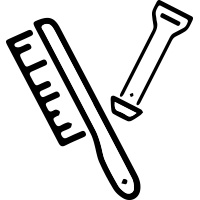
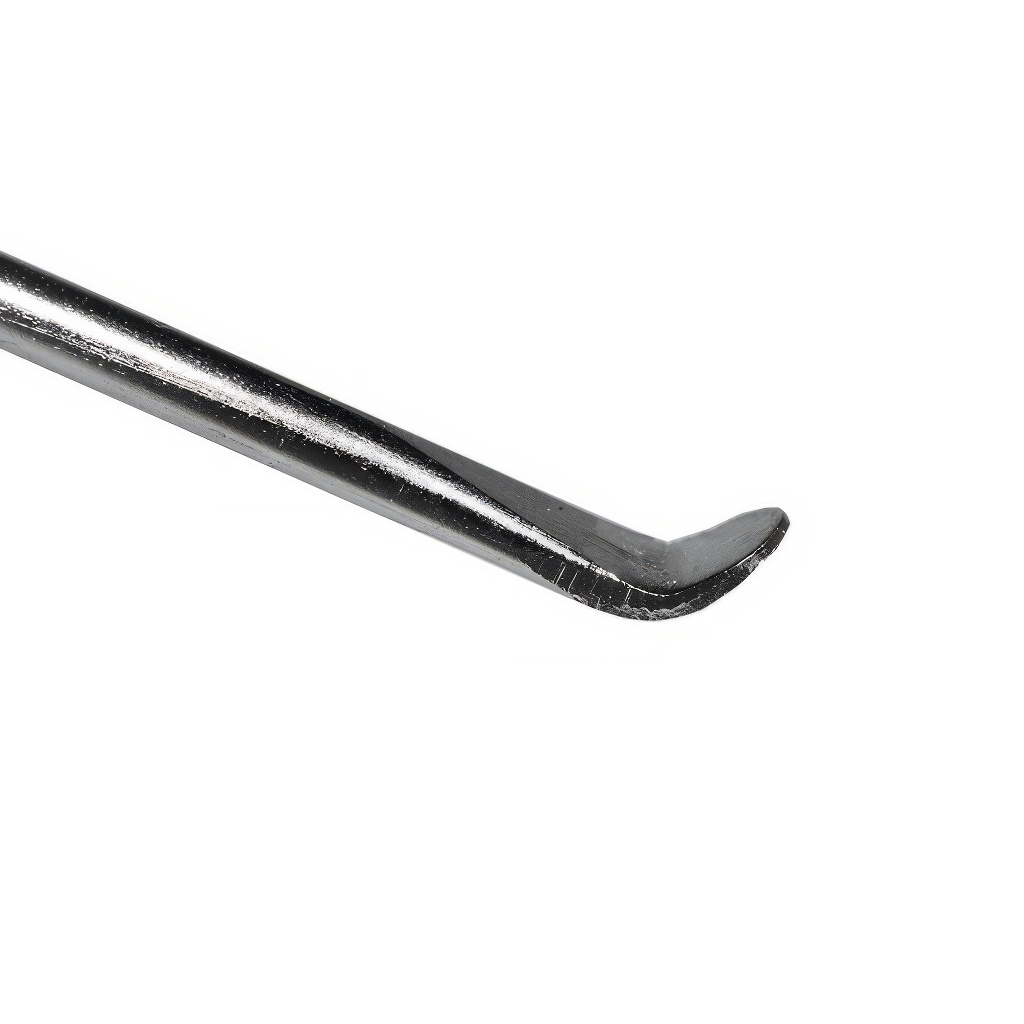
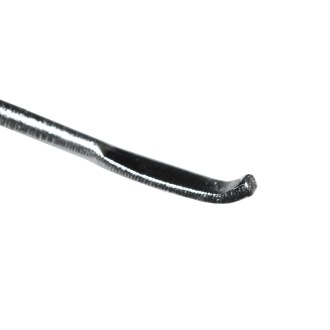
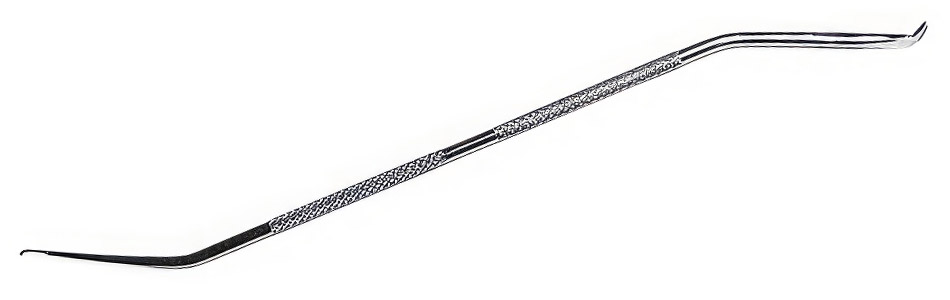
Practical double-sided design: One end features a gently flexible stainless steel tip (approx. 2 mm), which allows sensitive picking up of even the youngest larvae. The tip can be easily adjusted as needed – for example, gently bent or shaped with a diamond file to match your working style. The other end is equipped with an expanded surface, which is suitable for comfortable cleaning of queen cell cups from remnants of royal jelly, wax or propolis.
Secure grip for precise work: The middle section of the handle is grooved, so it doesn't slip in your fingers. Stable grip significantly helps with fine motor skills and prolonged concentrated work during grafting.
Recommended Procedure and Tips for Successful Grafting
Before you start grafting, prepare the queen cell cups. Drop a small amount of diluted royal jelly or clean water into each cup – ideally just a tiny drop. Too much liquid is harder to keep in the cup, especially after hanging.
Remove a brood frame with fresh brood from the selected colony. In practice, a darker, already multiple-times drawn comb often works well – the larva is more visible on the dark bottom of cells than on virgin comb. The queen usually lays eggs from the center to the edges, so in the middle you'll find older larvae and the youngest ones, suitable for grafting, are usually at the boundary between eggs and older brood. This selection will significantly increase the chance of successful rearing.
You can recognize a suitable larva by the fact that it already lies on the bottom of the cell (an egg stands upright instead) and is curled into the shape of a small "crescent," not a pronounced semicircle. Against the light, a small shine of royal jelly is usually visible on the bottom of the cell – the larva doesn't lie "dry." Pick up the larva gently from the dorsal side and transfer it to the prepared cup. Place it in the liquid by gently submerging the tip of the tool so that the larva smoothly slides onto the surface.
Tips that make the work easier: Magnifying grafting glasses and supplementary lighting (e.g., headlamp) help with better detail control. If you're starting with grafting, it may be useful to carefully reduce the cells on the comb with a warm knife to approximately half their height – larvae will be more accessible and the work will be more secure.
Technical Specifications
| Material | Stainless steel (corrosion resistant) |
| Overall length | 190 mm |
| Handle diameter | 3 mm |
| Grafting tip diameter | 2 mm |
| Tool design | Double-sided (grafting tip + cleaning surface) |
| Handle | Anti-slip, grooved for secure grip |