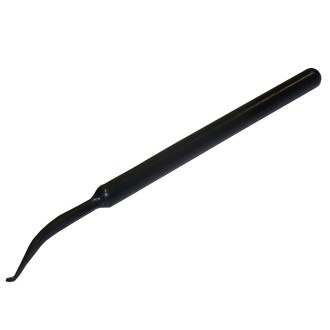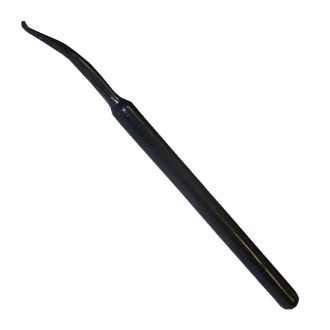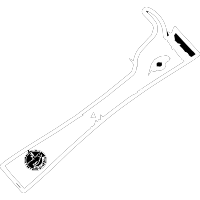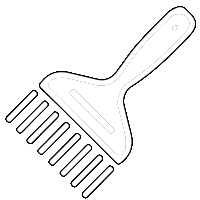
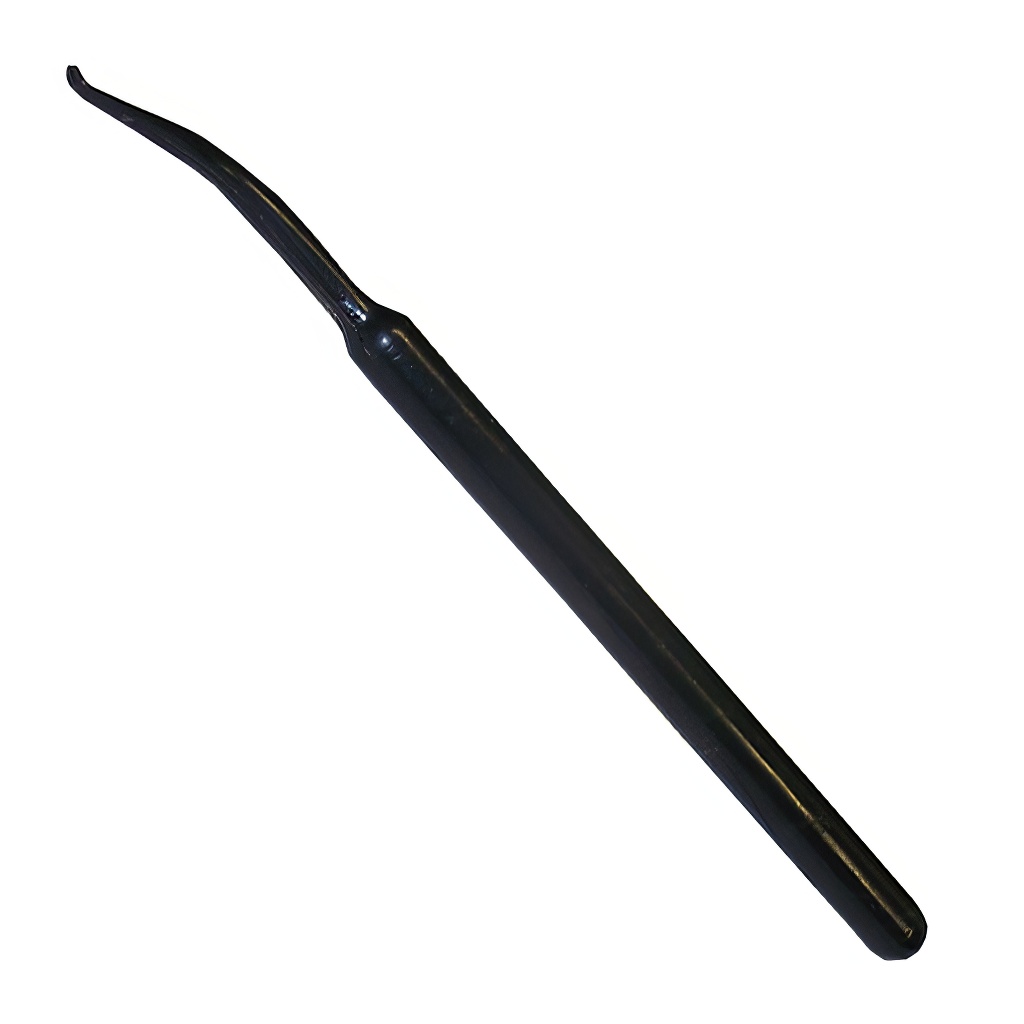
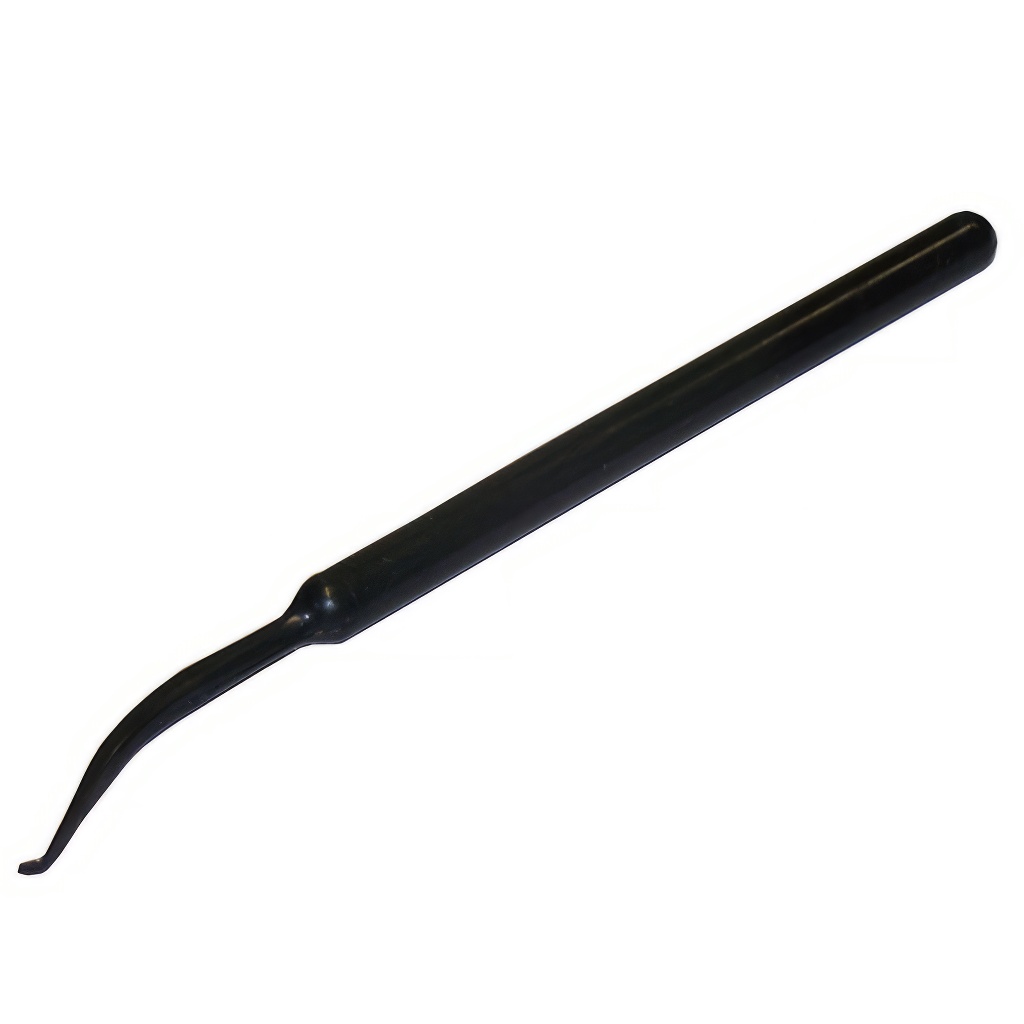
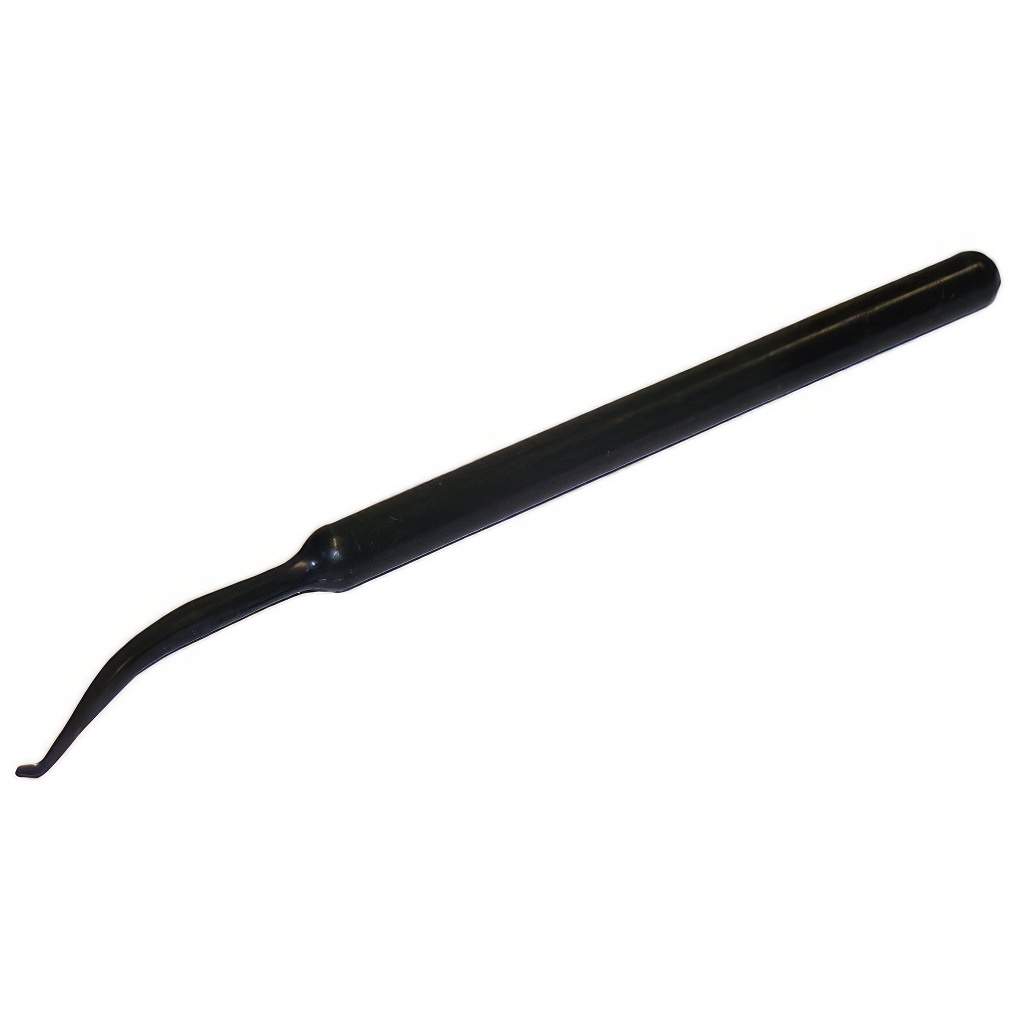
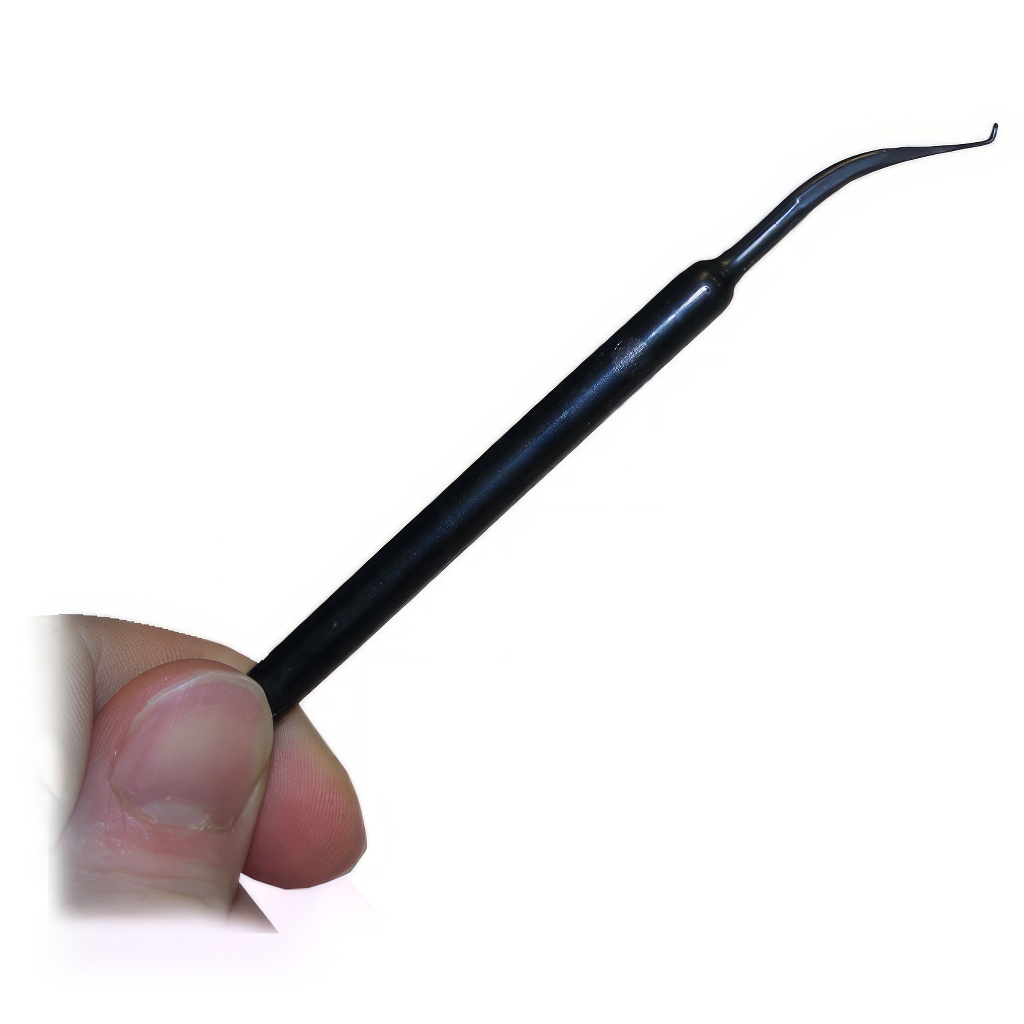
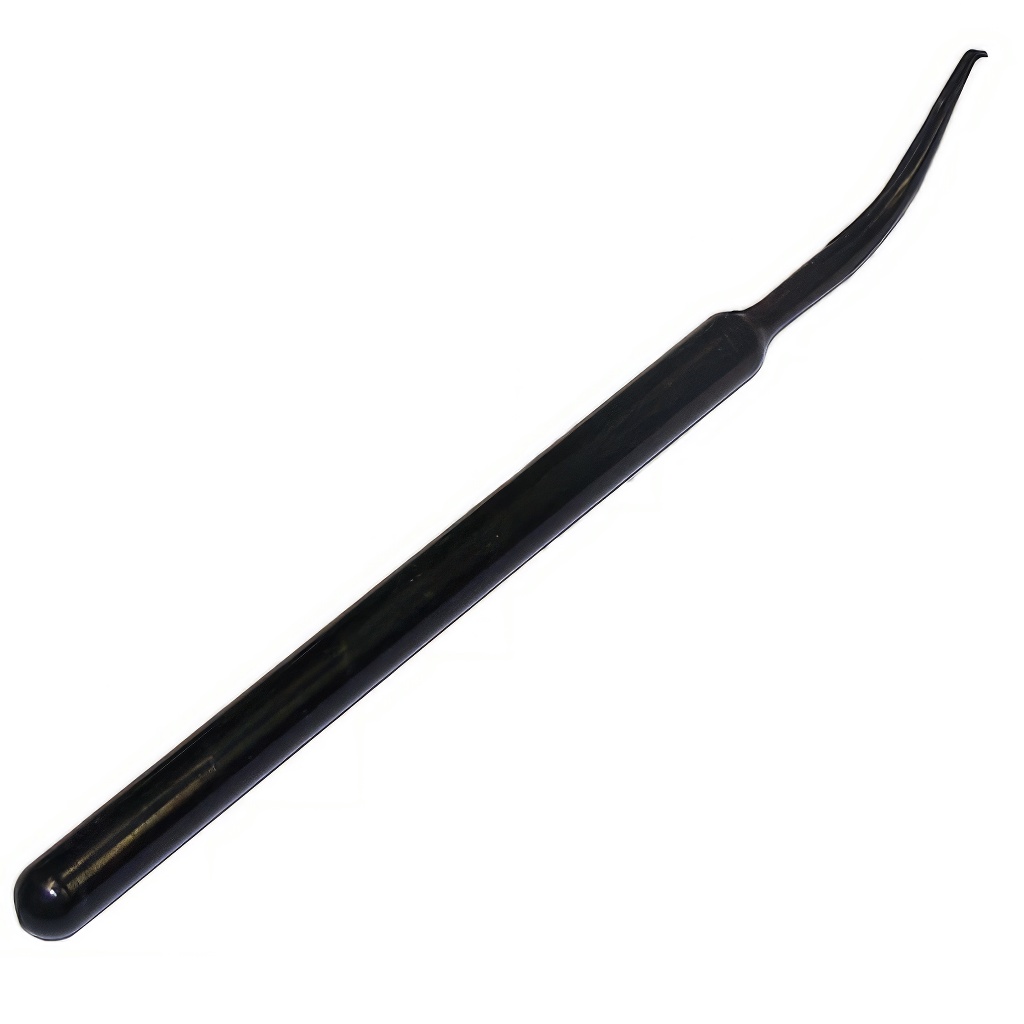
Black plastic grafting tool for queen larvae
Grafting Tool Plastic – Black
Do you want to start your own queen rearing and are looking for a simple, affordable and proven tool? The plastic grafting tool is a practical and indispensable basic tool for every beekeeper who wants to move from regular honey production to targeted breeding, greater self-sufficiency and improving the genetics and vitality of their bee colonies.
The design made of lightweight but durable black plastic has a fundamental practical reason: the dark surface creates a strong contrast with the white larva and royal jelly. The work is therefore much more precise, your eyes are less strained and the pickup is more secure even in poor lighting conditions in the hive. The comfortable handle with a diameter of 8 mm also ensures a firm grip and secure handling.
Why choose this grafting tool and what are its advantages
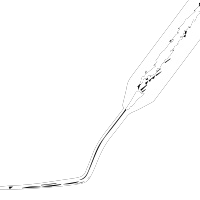
Grafting is among the most commonly used and most effective methods of queen rearing. The delicately shaped and thin tip of the tool is maximally gentle on larvae, which allows their safe pickup without damage. A huge advantage of this material is the possibility of individual adjustment – the tip can be finely ground with a file or knife according to your preferences and its end bent to your own angle. With a little practice and following the correct procedure, you can commonly achieve acceptance rates of over 90%.
Recommended grafting procedure and practical tips
To achieve the best results, we recommend following these steps, which will make your work much easier:
1. Preparing the cups: Drop a small amount of water or diluted royal jelly into plastic queen cell cups. Use the amount sparingly – too much liquid could drown the larva.
2. Selecting suitable comb: Remove a brood comb with freshly laid eggs from the colony. A great tip is to use a comb that has been used for brood before. On the darker bottom of the cells, white larvae are much more visible than on light virgin comb.
3. Finding the right larva: Look at the transition between eggs and the youngest (approximately two-hour-old) larvae, because the queen lays eggs from the center to the edges of the comb. The youngest and most suitable larva lies at the bottom, has the shape of a small crescent (not a semicircle) and is highlighted by a slight sheen of royal jelly.
4. The pickup itself: Pick up the larva carefully from the back, ideally with a tiny drop of the original jelly. For beginners, an excellent trick is to cut the cells to half height with a heated knife. Magnifying grafting glasses with an integrated light will also help greatly – you will then have the larva literally in full view.
5. Placing in the cup: Gently immerse the tip of the tool with the larva into the prepared drop in the cup and gently release the larva. Work slowly and with care.
Technical specifications
| Material | Durable plastic |
| Color | Black (for high contrast with larva) |
| Purpose | Queen rearing, gentle larva transfer (grafting) |
| Tip type | Firm, thin (can be individually adjusted with file or knife) |
| Total length | 120 mm |
| Handle diameter | 8 mm (for ergonomic grip) |