








BEEKEEPING EQUIPMENT, PRODUCTS AND BEEHIVES
A complete product range of beekeeping equipment in one place. Welcome to one of the largest beekeeping e-shop offering everything for successful beekeeping. We are the first e-shop with a range of services throughout the European Union. We aim to promote beekeeping and bee products not just with beekeepers but also among the public. Our company has been active in the beekeeping supplies market for more than a decade, we are a stable supplier offering a wide range of beekeeping equipment of a traditional kind as well as news from the world of beekeeping.
Our online beekeeping equipment doesn’t only offer equipment but also a number of bee products for the general public, who are then able learn about and try bee products. For the beekeeping enlightenment, we've also prepared an informational section on the website and for those of you who are beekeeping beginners, we have long and full detailed descriptions of all beekeeping equipment.
BEEKEEPING EQUIPMENT FOR All European beekeepers
The activity of beekeepers is a very rewarding hobby, which brings a lot of pleasure. Beekeeping is not just about trying to produce honey in hives but also and above all, it’s about improving the environment we live in. As beekeepers we contribute to the restoration of the environment, pollination of plants and agricultural crops.
BEEKEEPING EQUIPMENT - WHOLESALE AS WELL AS RETAIL
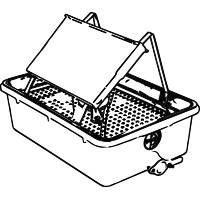
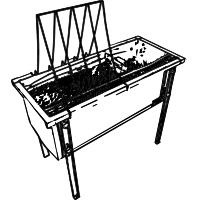
We strive to have all the necessary beekeeping equipment in constant supply for you. We are still expanding our range of beekeeping equipment, which now includes everything needed for beekeeping, we offer beehives, honey extractors, protective supplies, accessories for hives, frames, beekeeping literature, everything for breeding mothers and many other products. We strive to have all beekeeping equipment and bee products in stock and dispatch it in the most up-to-date terms.
We offer wholesale for our partners, currently delivering to more than 150 stores throughout the European Union (most of them in the Czech Republic, Slovakia, Poland, Germany and England).
HONEY EXTRACTOR AND OTHER BEEKEEPING EQUIPMENT
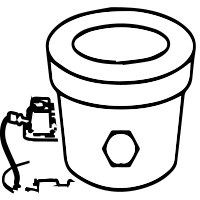
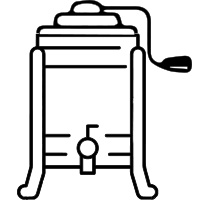
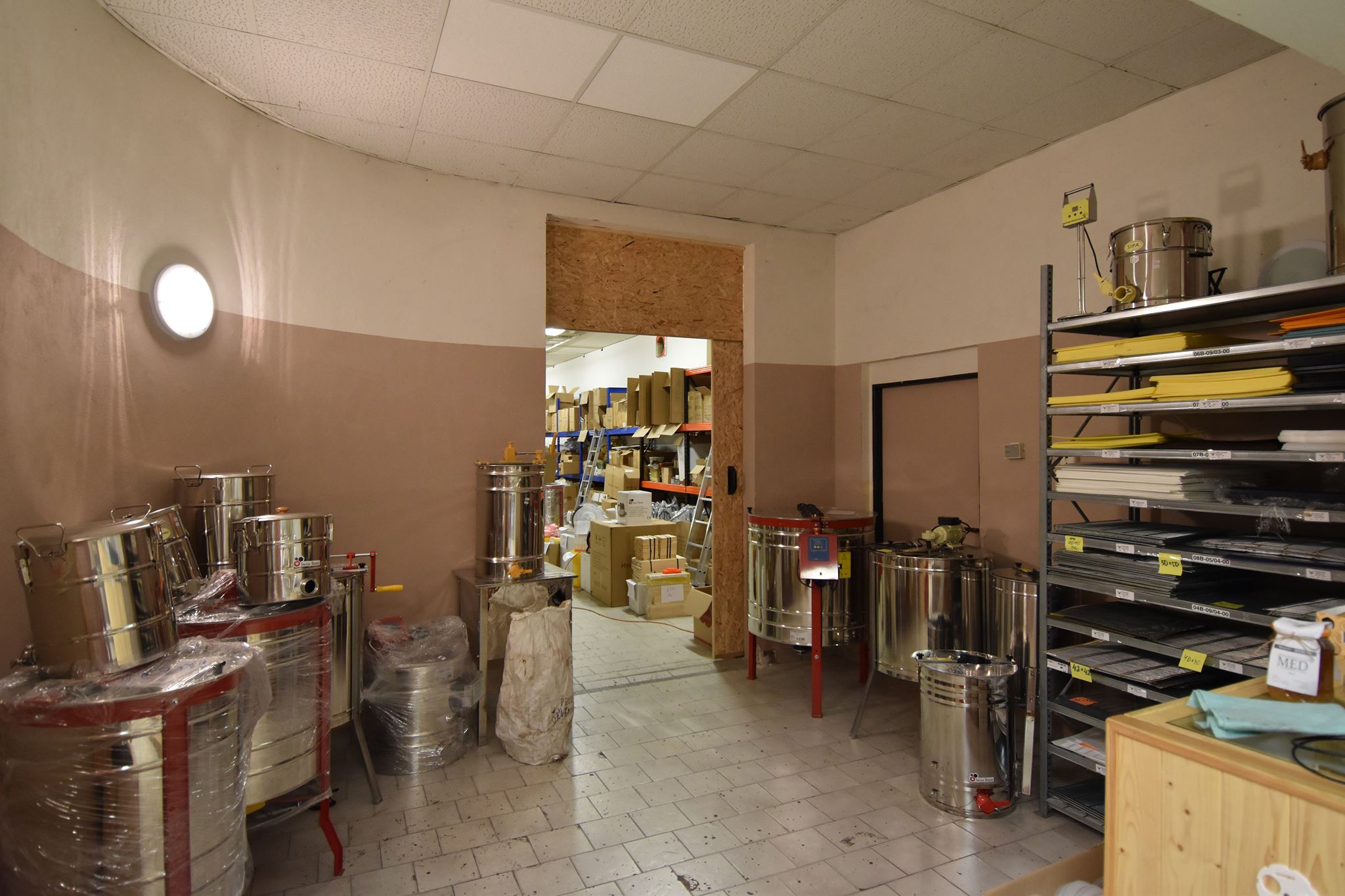
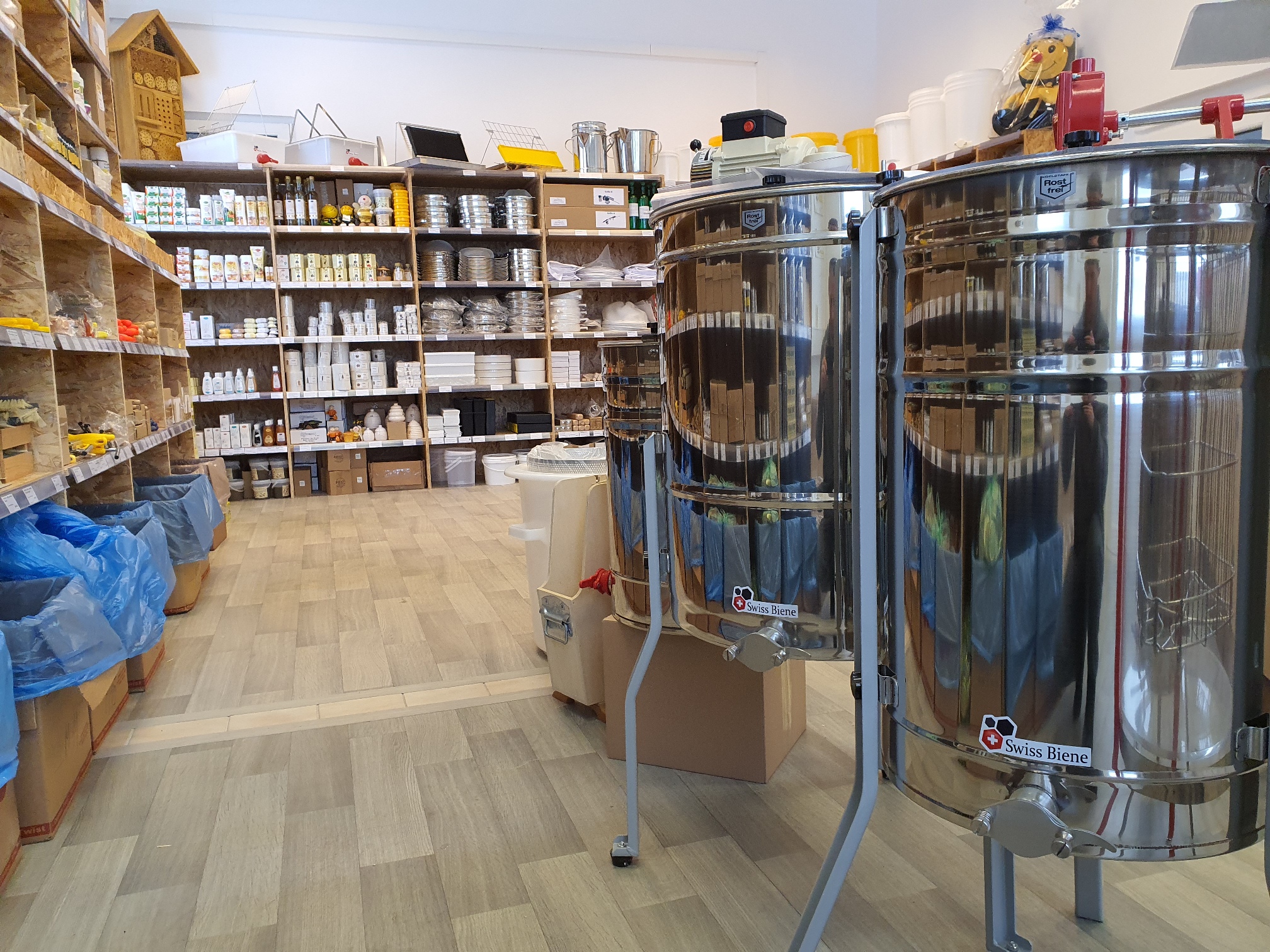
You can’t get honey without a honey extractor, at least not pure honey of good quality. Therefore, a honey extractor becomes an important tool for every beekeeper, but it’s also one of the most expensive devices. However, if you choose the correct and well-fitting honey extractor, the cost may decrease as you will know which one to choose so it isn’t unnecessarily too powerful and therefore expensive. We understand that beekeeping equipment and beekeeping accessories cost a certain amount of capital, so it’s advisable to point out that it’s possible to obtain financial subsidies not only for a honey extractor but also for innovation and improvement of beekeeping.
A WIDE RANGE OF BEEKEEPING EQUIPMENT
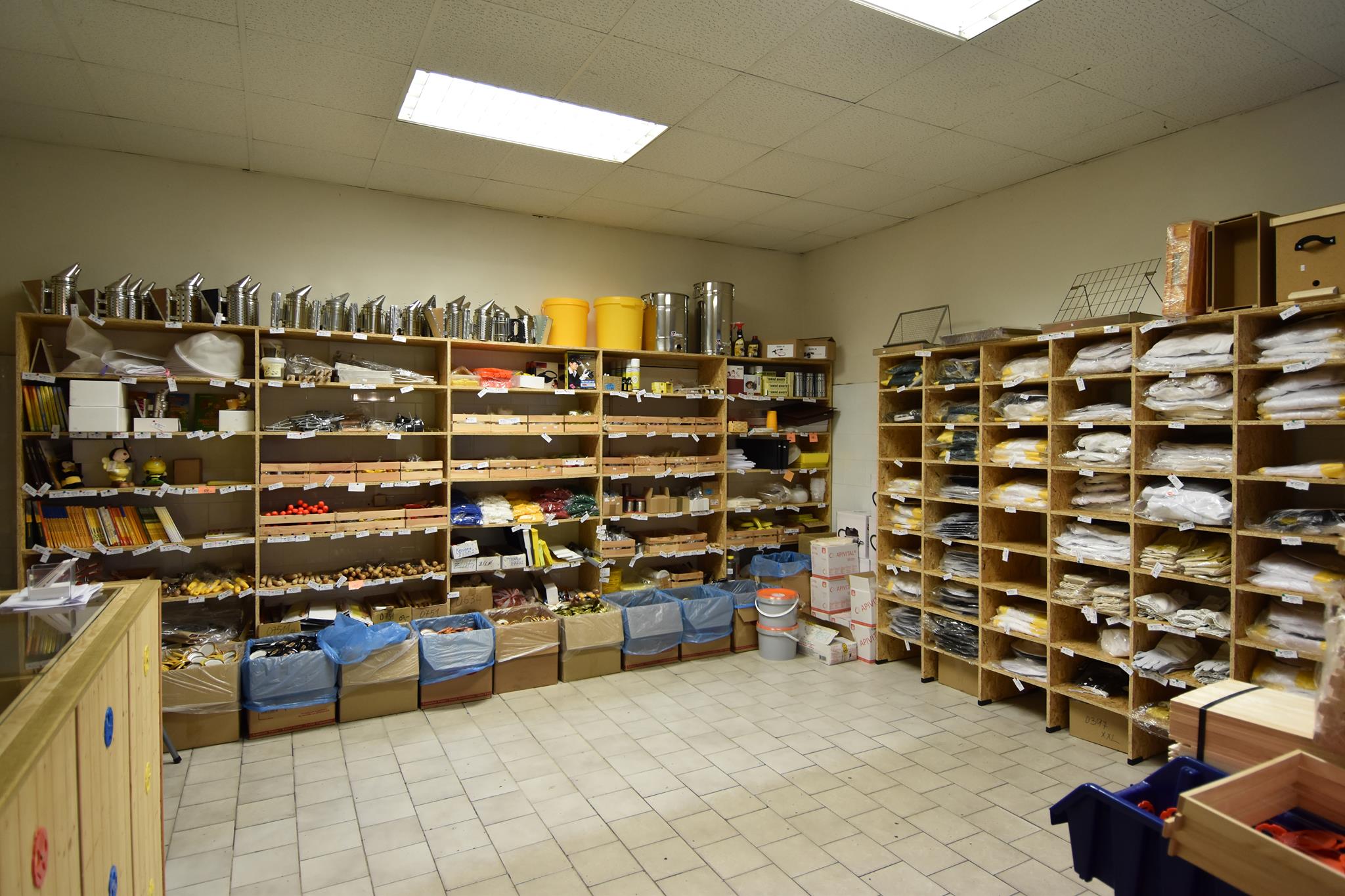
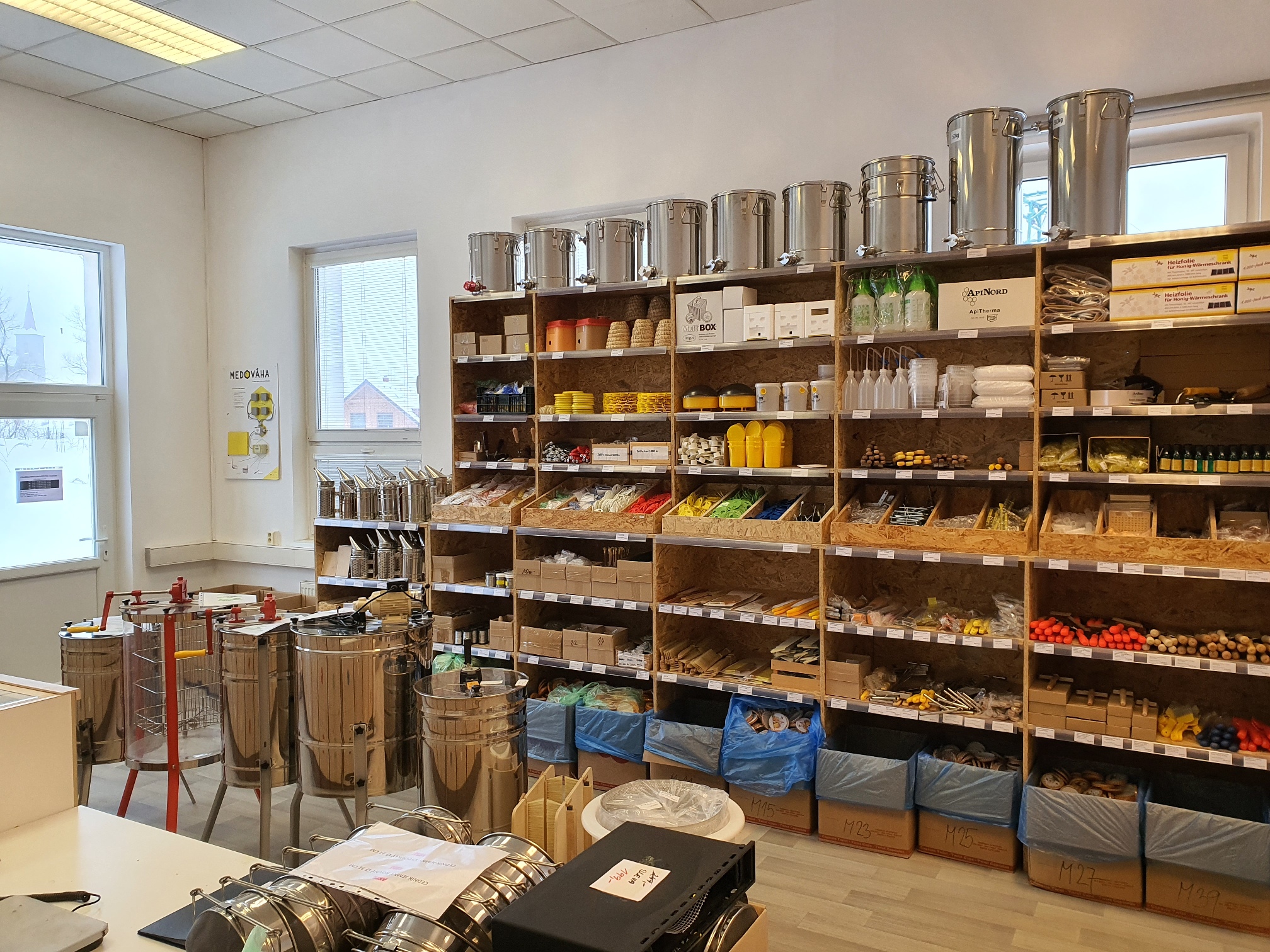
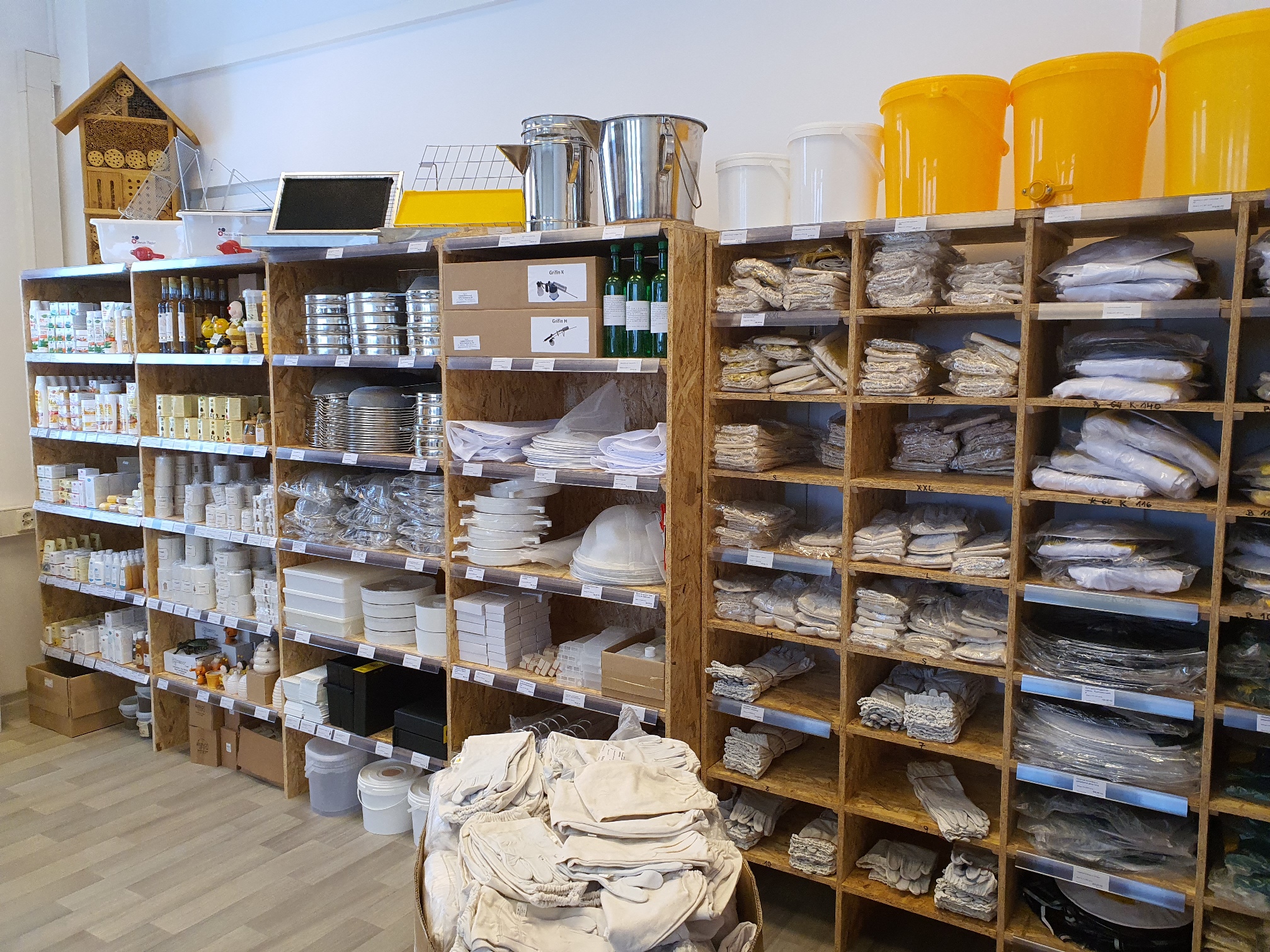
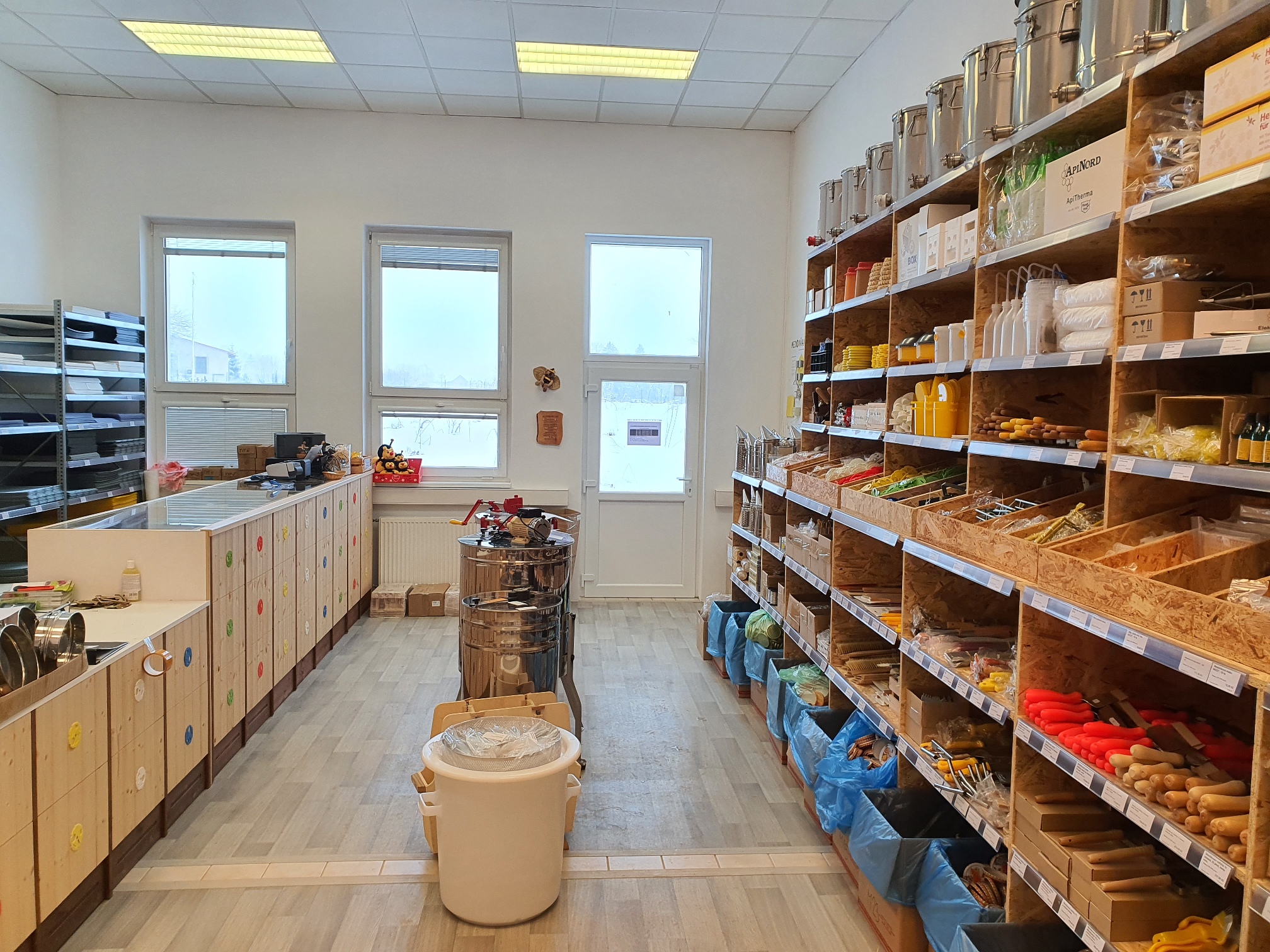
Our bee e-shop as well as our stone beekeeping shop offer you the widest range of beekeeping equipment in the Czech Republic. Our company is a pioneer for new technologies, we offer both traditional beekeeping equipment as well as news from the beekeeping world, which thanks to ourselves can be also tried by Czech beekeepers. We are currently focusing on expanding the range of professional equipment for larger beekeepers, beekeeping farms and operation premises. We offer and distribute products from most Czech companies in the profession and the world's leading beekeeping equipment manufacturers.
SOMETHING MORE
Our company also feels the need to support beekeeping not only in the Czech Republic but around the world. In addition to our business activities, we also offer a consultancy for our customers, where we can advise our customers how to choose goods and help with subsidies. We support and sponsor a wide range of beekeeping activities, from beekeeping exhibitions to beekeeping youth courses. We support a number of international projects that enhance awareness of beekeeping and bee products. At the same time, we contribute to it through the operation of information portals, we participate in various thematic exhibitions and beekeeping days. If you perform similar activities, please, don’t hesitate to contact us, we will gladly help you.
The hive provides the space in which a colony of bees live. In nature this would be a hole in a tree or any cavity where the bees are able to have a single entrance that they can easily defend. A lot of research has been done to determine the nature of the cavity that a colony will look for when trying to find a new home. Although the size of the cavity chosen varies, usually between 40 and 80 litres, some much smaller and others much larger have been found.
The history of the hive
Before the 18th century, beekeepers used hollowed out logs, skeps (tea-cosy shaped hives made from straw) or clay pots to house colonies of bees. These designs were fine for the bees to develop a nest but when the beekeeper wanted to remove honey the whole structure of honeycomb built by the bees had to be destroyed and often resulted in the colony being killed.

During the 18th and 19th centuries much research was carried out on the design of beehives that enabled honey bees to be kept in specially constructed boxes in such a way that the internal workings could be observed and the bees could be inspected without the need to kill them. A crucial finding was the discovery that in a honey bee colony the bees would leave corridors between parts of the nest to allow them to visit all parts of the hive.
In 1851 an American preacher called Lorenzo Langstroth patented a hive design that comprised a rectangular box with wooden frames inside that allowed the bees to build honeycomb on the frames and also ensured that the bees would not build honeycomb that connected the frames. This meant that the frames could be removed without the honeycomb being destroyed and then returned to use. This patented design, known as the Langstroth hive, still exists and is the most common hive design across the world. Since then many other hive designs have been developed to further improve on the basics of the Langstroth hive and, throughout Europe there are many different designs in use today.
From the beekeeper's point of view the hive design is considered to be of great importance and beekeepers may argue for hours over the pros and cons of a particular design. However, the honey bee has simple needs and will happily establish a colony in any of these designs so long as:
-
The internal volume is large enough
-
The entrance is small and can be defended easily
-
There are no other access points other than the entrance
-
It is weatherproof providing some protection from the cold and damp.
When you are starting out as a beekeeper and acquiring your first hive, ensure that the needs of your bees will be satisfied, listen to the discussions of fellow beekeepers and then make up your own mind.
Key components of the hive
The majority of hives are designed in a similar way and comprise the following components:

Stand
The stand is under the hive and holds it off the ground. The stand must be strong and well built. It can consist of just two building blocks, two timber beams or a purpose built framework. It is very important that the stand supports the rest of the hive so that it is level. A hive that is fully laden with bees and honey can weigh up to 100kg so it is important that the hive stand is placed on hard ground that will not subside. This can be achieved by placing a concrete paving slab under the hive stand to distribute the weight.
Floor
The floor is the base of the hive. In the past this was a solid wooden base with wooden bars on three sides leaving one side to act as an entrance to the hive. There are many designs available and most now contain a wire or plastic mesh underneath that ensures debris drops out of the hive but is fine enough to prevent bees passing through. This mesh also allows Varroa mites (predatory mites that can devastate honey bee colonies) to fall out of the hive when they fall off a bee.
Most floors provide a small entrance to the hive for the bees
to leave and return. The entrance can be as small as 6mm deep and 70mm wide but
most designs allow the entrance to be widened during the summer months when
there is a higher rate of activity in the hive. Small entrances are good as they
help the bees defend the nest from attack from other bees, wasps and other
creatures such as mice.
It is very important that the hive has adequate ventilation because, while the
bees keep the colony warm and when they process nectar into honey, water vapour
is generated which can cause condensation and the build up of mould in the hive.
The open mesh floors provide sufficient ventilation without the need for a large
entrance.
Brood chamber
This is the heart of the colony and is the area where the queen lives and new brood develops. Most beekeepers place a 'queen excluder' above the brood chamber. This is a device that prevents the queen (and drones) from passing through into other parts of the hive and raising brood there. The brood chamber is the most important part of the hive as this is where the colony raises new bees and where foraging bees bring nectar and pollen back to feed larvae and for storage.
Queen excluder
This is a flat sheet, either made from plastic, zinc or framed and made of steel. It has holes in it that allow workers to pass through but prevent the queen gaining access to other parts of the hive. The objective is to keep the queen in the brood chamber and encourage the workers to store surplus honey on the other side of the queen excluder. In this way the honey crop removed by the beekeeper remains clean and free from debris, such as pupal cases left over from breeding new bees. The best design is made of rigid steel rods mounted on a wooden frame.
Supers
Supers are boxes that tend to be less deep than the brood chamber and correspondingly hold smaller frames. They are smaller because the bees fill them with honey and, when full, they can be extremely heavy. A National super will hold up to 15kg of honey whereas a National brood box would hold up to 25kg of honey and is difficult to lift. Supers need to be removed when the colony is being inspected and if they are very heavy can be dangerous to lift and may cause back (and other) problems for the beekeeper.
Crown board
The crown board is a framed sheet of plywood or similar material that goes over the top of the colony. It defines the limit of the colony. There are many designs of crown board: some have holes in the top to aid ventilation while others are modified to serve other purposes, such as acting as dividers when the beekeeper is controlling the process of swarming.
Roof
The roof fits over the crown board and provides weather protection to the hive. It is quite heavy and ideally built with deep sides so that it is unlikely to be blown off. The top is usually made of a metal sheet that stops water penetrating. There can be insulation inside the roof to reduce heat loss; this is particularly helpful in the winter when heat retention is important.
Frames
The design of modern hives relies on bees making the wax comb on frames that can be removed without killing the bees or damaging the frame. The most common hives use a frame with a top bar, two side bars and a bottom bar that provide a convenient rectangular area for the bees to produce comb. However, some types of hive, such as the Top Bar hive and the Warre hive provide only a top bar from which the bees will hang the wax comb. In all cases the spacing between the frames is designed to encourage the bees to make a single sheet of comb on each frame and, hopefully, not to join adjacent sheets. It is a good idea to purchase the wooden frames from specialist beekeeping suppliers, as the dimensions need to be accurate and the shape of some of the pieces is complex. The frames are sup-type needs to be treated with a wax wash or covered in sugar syrup to encourage the bees to accept the foundation and build wax comb on the frame.

Foundation
The foundation consists of a thin sheet of beeswax that is
embossed with hexagons on both sides to provide the bees with a substrate on
which to build wax comb. The foundation is fixed into the frames and when placed
in the hive encourages the bees to build comb on the frames rather than in other
places. Using this method results in a series of wooden frames that can easily
be removed to inspect the colony and then replaced in their original positions.
Wax foundation is made from beeswax reclaimed by beekeepers and supplied to
companies that clean and purify it before forming it into foundation. It can be
supplied 'unwired' or 'wired'. Because wax foundation is thin and not very
strong it may sag in the frame; thin wire is embedded into the foundation to
provide extra strength. Once the bees have drawn out the foundation and created
hexagonal cells on each side the sheet becomes far more rigid and is able to
maintain its shape.
Wired foundation can also be useful in the frames that are used to collect honey.
The most common way to remove honey from the wax comb is to place it in an
extractor (a device that spins the frame in a similar way to a spin dryer); the
force exerted on the wax in an extractor can be such that without the wire the
wax comb may break and detach from the frame.
It is not always necessary to use foundation as a substrate
for the bees to make wax comb. Some beekeepers will allow the bees to make their
own substrate by providing a bead of wax along the underside of the top bar. The
bees will use this bead as an anchor and draw wax comb down along this line.
This method is popular with beekeepers that use top bar hives and also
beekeepers that make honey crops from oilseed rape. This kind of honey
crystallises quickly in the comb and can be difficult to remove. Once
crystallised the honey is removed with the wax and then separated at a later
stage.
Hive materials
Most beehives are made of wood, primarily because it is easily machined to the dimensions required, and provides protection from the environment. As a natural material, wood is quite acceptable to colonies and when cedar is used, the material is naturally rot-proof and will last for many years. Beehives can be painted but only on the outside; the inside is better coated with propolis and wax by the bees. If microporous paint is used, the paint will remain on the hive without bubbling and can be refreshed quite simply following a quick clean. The application of insecticides to the hive to protect the wood from boring insects (woodworm) should be done with caution, as many wood preservatives are toxic to bees. Before using any preservative you should always ensure that it is not harmful to bees.
Besides wood, beehives can be made of many other materials as long as they are weatherproof and not harmful to the bees. Plastic and expanded polystyrene hives are available and these have the added advantages that they are light and provide better insulation from cold weather. There are some drawbacks in that they can be more difficult to sterilise if there is an outbreak of disease in the hive while the light construction can mean that the material may be damaged when disassembling the hive as bees often stick components of the hive together.
When purchasing hives, a beekeeper must weigh up the pros and cons for his or her particular situation. Cedar wood components are expensive but will last for many years whereas expanded polystyrene hives are less expensive but may not last as long. When starting beekeeping it is always best to join a local group and ask for local advice. Generally it is better to use hives of the same design as your colleagues so that you have their expertise to draw on in the event of a problem.
Excerpt from the book: The bbka guide to beekeeping
Honey bee colonies are often referred to as superorganisms. This is because each individual honey bee is unable to live alone or do much to support itself, but as a group they are oble to organise themselves to behave as a single, highly effective organism.
- Adult bees leave the hive to find and bring back food.
- They collect for all the needs of the hive and not just their own requirements.
- Inside the hive the young bees move around and collect debris or dead bees to keep the hive clean and free of inherent disease.
- Guard bees will stop invaders entering the hive and robbing its content.
- Young bees and the queen produce and feed the young larvae to create new bees.
- The comb in the brood nest accumulates waste matter and locks away diseases.
- The communication in the hive through pheromones and food sharing allows the bees to work together for the benefit of the hive. Adult honey bees will die if they use their stings yet they do sting intruders for the benefit of the hive.
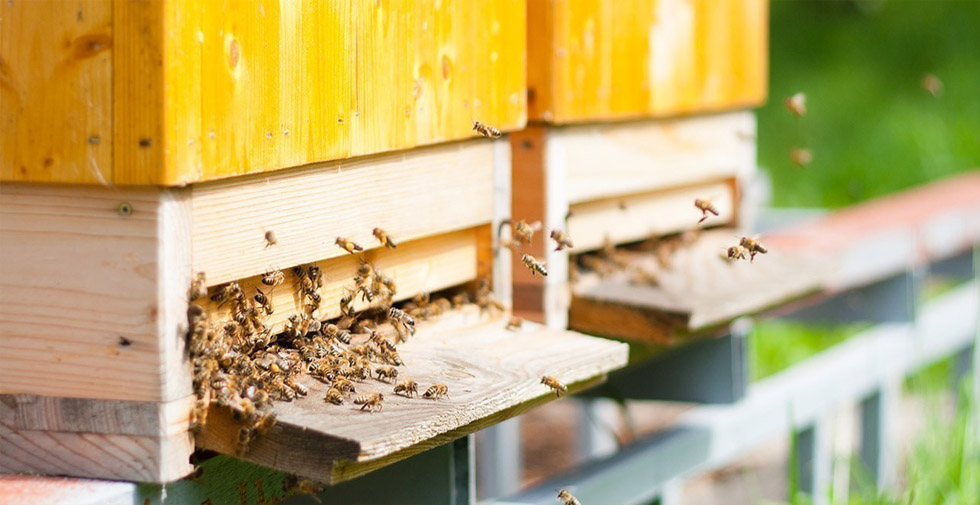
Honey bees, ants, termites and other animals that live in com- munities demonstrate these characteristics. What is interesting is that invariably these communities are dominated by females that have given up the role of procreation to a 'queen' and will work together for the benefit of the community. Individual honey bees are unable live on their own and need to be part of a colony in order to survive. If a honey bee becomes isolated from its parent colony it will try to join another colony by begging entrance to the hive. If it does not find another colony it will die within a few days.
For a colony to survive it must have four components:
- A queen
- Worker bees
- Drones (during the summer months)
- A nest with brood (eggs, larvae and pupae)
If one of these components is missing the colony can become stressed, out of balance and therefore prone to disease and less productive. The workers will try to re-establish the balance as soon as possible by:
- Making a new queen
- Encouraging the queen to lay more eggs
- Encouraging the queen to lay drone eggs
- Creating a new nest or repairing the existing nest
The brood nest is the heart of a colony. Here, new bees are nurtured as eggs and larvae that eventually pupate into adult bees. Unlike many other insects, the larvae in a bees' nest remain in cells and are fed by adult bees. The temperature is raised so that the development time can be shortened. The centre of a bees' nest is kept at a constant 33° to 34°C and with a humidity of about 40 per cent. These are ideal conditions for larval growth.
The queen bee
There is normally only one queen in the colony. She is female and under ideal conditions can live up to five years. She has the same-sized head and thorax as a worker but her abdomen is al-most twice as long and her legs too are longer. The queen's main job is to lay eggs that will develop into new bees. Worker bees feed the queen with brood food. This is a mixture of secretions from the worker mandibular and hypopharyngeal glands sup-plemented with some honey. Brood food produced in glands in the head of worker bees is high in energy and nutritional value. The more the queen is fed, the more eggs she will lay.
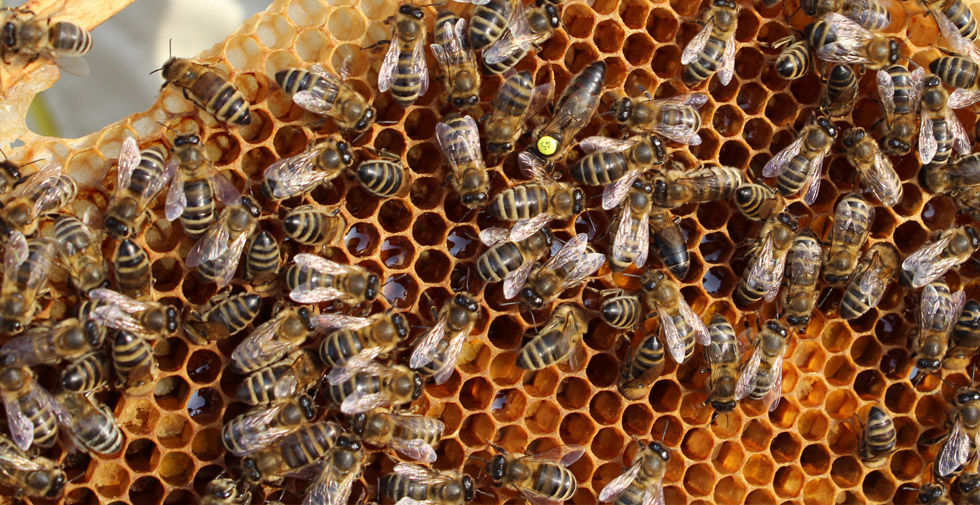
In spring and summer when the colony is expanding rapidly the queen may lay up to 2000 eggs in a day. The weight of that vast number of eggs is greater than her bodyweight. She does not really have enough time to feed herself or to digest pollen and nectar (the nnormal food for adult bees). The food fed to the queen by workers has been digested and the proteins have been converted into essential amino acids that the queen can use directly to produce eggs. As the season moves on, the number of eggs laid by the queen diminishes, and in the depth of winter the queen may cease egg laying altogether. As the need for new bees is reduced, the workers cut down the food they give to the queen to reduce her egg-laying capacity.
The queen produces pheromones that control the activities of the workers. One effect of these is to prevent the workers (who are also female) from laying eggs. Another is to let the colony know that there is a queen in the hive. If the queen is removed for any reason the colony will recognise this within 30 minutes and start preparations to produce a new queen.
The pheromones produced by the queen are spread throughout the colony by the workers touching her and then touching other workers. Often, when you are looking out for a queen in a colony she can be seen surrounded by a 'courť of workers who are feeding her, touching her and gently guiding her round the nest to encourage her to lay eggs.
There can be more than one queen in the hive. There is a process called supersedure when a mother and her young daughter will both happily lay eggs as they move around the colony. On other occasions there may be two or more queens raised by the colony but if this occurs the queens will find each other and engage in a fight where one will die. The remaining queen is unhurt and will proceed to lay eggs for the colony.
Drones
Drones are male bees. Their primary job is to mate with queens. They are accepted into any colony and seem to move fairly freely about in an area and visit any number of colonies. Drones develop from unfertilised eggs laid by the queen. The workers build the honeycomb cells in the colony. When they do this they are able to determine the size of the cell. Workers' breeding cells are slightly smaller than those used for breeding drones. When a queen lays an egg she will feel the size of the cell with her front legs and antenna. Once she has sensed the size she will reverse into the cell and lay an egg at the base of the cell. If the cell is a large (drone) cell she will leave an unfertilised egg. If it is a smaller (worker) cell she will deposit a few sperm onto the egg just before she lays it. The sperm penetrate the egg lining and fertilise the egg. In this way the workers are able to regulate the ratio of workers to drones in the colony by guiding the queen to lay eggs in cells for workers or drones. Drones are larger than workers and take longer to develop. During the first two days after the egg hatches the workers, will feed the larva with a mixture of secretions from their mandibular and hypopharyngeal glands similar to the feed given to workers. After the two days the workers will start to feed the larva with pollen, honey and a much-reduced feed from their glands. The larva takes seven days to grow to full size and then pupates in its cell for a further 14 days after the workers have capped the cell with a porous mixture of wax and pollen.
When the drone emerges he is fed for a few days with brood food by the worker bees. After that he will then learn to feed himself with pollen and nectar in the nest, but will still beg food from the workers in the hive. He does not fly out to forage for food. After about 10 days he will be sexually mature and able to leave the colony to go out on mating flights in search of virgin queens.
Drones live for about 40 days although this figure will vary with the weather and their level of activity. By the time September comes, all the drones will have been forcibly ejected from the colony by the workers. This is because after this time it is unlikely that the drones will be needed to mate with queens and as food will be scarce in the coming months the colony decides the drones must be sacrificed. Once a drone has been ejected from a hive it will only live for about two days before dying of starvation. The remainder of the colony endures through winter and early spring with no drones.
In late spring in the following year the workers will begin to guide the queen towards the larger drone cells and she will start to lay unfertilised eggs to raise the new season's drones. At the height of summer there may be about 200 drones in a colony although there can be as many as 1000. It appears that when a colony is preparing to swarm there will be more drones produced; in addition, other drones will be attracted to the colony in readiness to mate with any new queen. A colony with a number of drones in it often seems calmer. It has been suggested that, because drones are larger than workers, their presence in the colony helps to regulate the temperature in the nest.
Workers
Workers are sterile female bees. They are produced from a fertilised egg laid by the queen. When the egg hatches, workers will feed the larva a nutritious food from their glands. This food is not as high in sugar or as nutritious as the feed given to queens. After two days the workers will start to give honey and pollen to the larvae. Feeding is done regularly but the larva is not given too much food (as is the case with the queen larva). The result is that the larva takes six days to grow and is not as large as the queen or drone larva. However it is still about 1500 times larger than the original egg when fully grown.
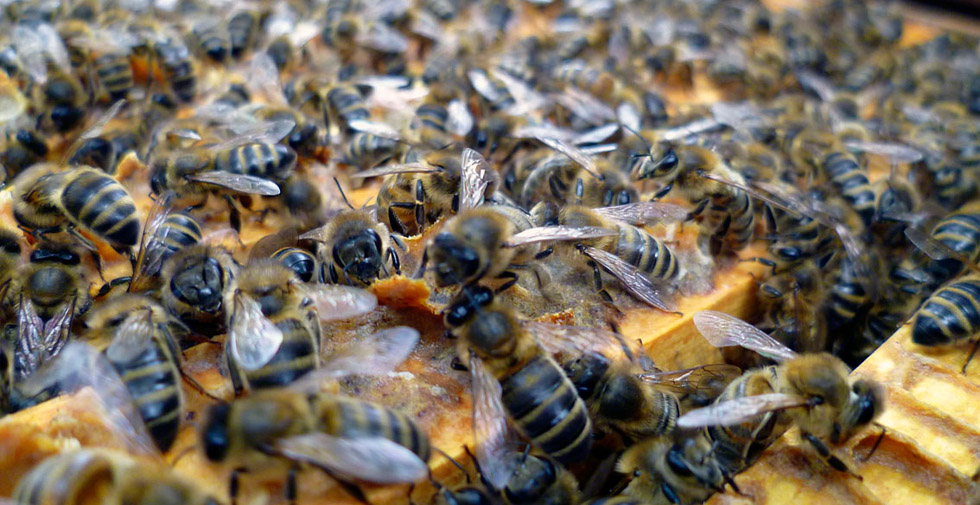
Once the larva has reached its full size, the cell is sealed with a capping of wax and pollen. The larva pupates and remains in the cell for a further 12 days after which the worker cuts her way through the capping to emerge as an adult. In any colony, workers are the most numerous members (up to 60,000 individuals in the summer and down to about 15,000 in winter). The workers do all the work to maintain the colony and live for only about six weeks in summer; in effect they die from hard work. In winter, workers can live up to six months, keeping the queen and themselves warm and being ready to care for new brood once the spring returns and there are plants providing nectar and pollen again.
When a new worker bee emerges she is unable to do many of the tasks in the colony. Her first job is to feed to restore her energy levels. She then starts work cleaning the hive by removing any debris that may have accumulated. As she grows older she is able to do other tasks and in a rough chronological order she will do the following duties:
-
Clean the hive
-
Clean and polish cells
-
Feed larvae
-
Feed the queen
-
Make wax, build honeycomb and seal cells
-
Process and store nectar and honey
-
Guard the colony entrance
and then:
-
Forage for nectar and pollen
-
Forage for water and propolis
During the active season, the first group of tasks is performed in the first three weeks of a worker bee's life and the last two tasks are done during the last three weeks of its life. This has the advantage that bees which have reached the end of their lives normally die whilst on a foraging trip and not inside the hive. Unlike modern humans the worker bee is expected to work to the end of its life and there is no concept of 'retirement'.
The change of the tasks as the worker ages is closely related to the development of the glands of the bee over time. The emergent worker has spent all her energies in pupating and must feed heavily on pollen and nectar so that her body can continue to develop. The first glands that start to work are the hypopha-ryngeal glands in the head of the worker; these produce brood food for the larvae and also food for the queen.
Later, glands on the underside of the abdomen start to
produce wax so that she is able to build cells and repair the nest. Later still
the hypopharyngeal gland evolves further to produce the enzymes needed for the
processing of nectar into honey. Finally the venom and sting glands become
functional and the worker is then able to take on guard duties. The whole
process takes about three weeks in summer and during this time the worker will
remain in the hive for most of the time. Once the worker is fully functional she
is ready to leave the hive, cease being a 'house' bee and become a foraging bee.
Genetic diversity is maintained in the hive as the queen mates with many drones
and some workers appear to be more adept at some tasks than others. Also not all
of the workers carry out all the tasks and, in an emergency, workers can revert
and take on the duties of their younger sisters if required. Although their
roles may seem very clearly defined, in fact worker bees are able to take on
many different tasks during their short lives.
It is popularly believed that workers spend all their lives working for the good
of the colony. Some detailed research has shown that a worker may in fact spend
up to eight hours a day resting (or at least not doing any particular activity).
Whilst the main time for activity is during the day when bees are foraging for
provisions to take back to the hive, bees will continue to work in the hive
overnight.
The brood still requires feeding; the nest must be kept warm and nectar still
needs processing into honey.
Excerpt from the book: The bbka guide to beekeeping
General Information
In which countries is it possible to shop online?
You can currently shop in Austria, Belgium, Croatia, Czech Republic, Denmark,
Estonia, Finland, France, Germany, Hungary, Ireland, Italy, Latvia, Lithuania,
Luxembourg, Netherlands, Poland, Portugal, Slovakia, Slovenia, Spain, Sweden,
Switzerland, and United Kingdom.
Can I cancel my newsletter subscription?
Yes. You can cancel receiveing our email.
How do I recover my forgotten password?
If you have forgotten your password, you can recover it in the login screen. You will receive an email with your new password.
Where can I get a Gift Card?
You can buy it directly in our eshop.
Order
How can I be sure that I have placed my order correctly?
You should receive a confirmation email once you’ve placed your order which will include your order number and the billing and shipping addresses you have selected.
Can I track my order?
Yes, the updated status of your order can be tracked in real time. If we will send you order, you will receive email with tracking number (usually DHL).
Can I remove items from my order?
No, items cannot be deleted from your order after the purchase has been confirmed. Any unwanted items can be returned free of charge within 14 days from purchase.
Can I cancel my order?
Your order can be cancelled, it it isnt send (you dont receive tracking number).
What should I do if I receive an incorrect item?
If you have received a faulty item or an item that you did not order, please contact our staffs.
Payments
Which payment methods can I use to make my purchase?
We currently accept following payment methods: Creditcard (Mastercard, Visa, American Express), PayPal, Debit Card and transfer to our bank accounts.
How can I get my order invoice?
You will one copy included in package. Once you parcel has been shipped, you will receive a shipping confirmation email including a link to download your order invoice.
Delivery
Where can I receive my order?
Your order can be sent to an address selected by you (home, work, etc.).
How long will it take for my order to arrive?
Delivery times depend on the type of delivery selected. Standard delivery is usually within 2-5 working days depends on your country.
How much do I pay for shipping?
Please check our shipping costs here.
Returns
How can I make a return?
Please check our
return policy.
How long do I have to request a return?
All returns must be made within 14 days from the order confirmation email. But you can contact our customers service, we want you to be happy. We can accept refunds for longer time.
How do I know whether you has received the item I returned?
Once your parcel arrives at the warehouse and your return has been approved, you will receive a refund confirmation email.
When will I receive the refund for my return?
You will receive the refund in the same payment method used for the purchase within approximately 10-14 days after your parcel has arrived to at our warehouse, depending on your bank.
Return & Refund Policy
Thanks for shopping at beekeeping eshop www.beeequipment.eu. If you are not entirely satisfied with your purchase, we're here to help.
Returns
-
You have 14 calendar days to return an item from the date you received it.
-
To be eligible for a return, your item must be unused and in the same condition that you received it.
-
Your item must be in the original packaging.
-
Your item needs to have the receipt or proof of purchase.
Beekeeping tools JaHan Ltd.
Včelařské potřeby
Újezd pod Troskami 65
512 63, Újezd pod Troskami
Czech republic
Phone: + 420 724 937 999
Refunds
Once we receive your item, we will inspect it and notify you that we have
received your returned item. We will immediately notify you on the status of
your refund after inspecting the item. If your return is approved, we will
initiate a refund to your credit card (or original method of payment). You will
receive the credit within a certain amount of days, depending on your card
issuer's policies. We can refund your money on your bank account, credit card or
PayPal account.
Shipping
You will be responsible for paying for your own shipping costs for returning your item. Shipping costs are nonrefundable. If you receive a refund, the cost of return shipping will be deducted from your refund.
If you have any questions on how to return your item to us, contact us.
Very important - You must items sent back to our expedition warehouse - Do not sent items on our office building in Prague!
Beekeeping tools JaHan Ltd.
Včelařské potřeby
Újezd pod Troskami 65
512 63, Újezd pod Troskami
Czech republic
Phone: + 420 724 937 999
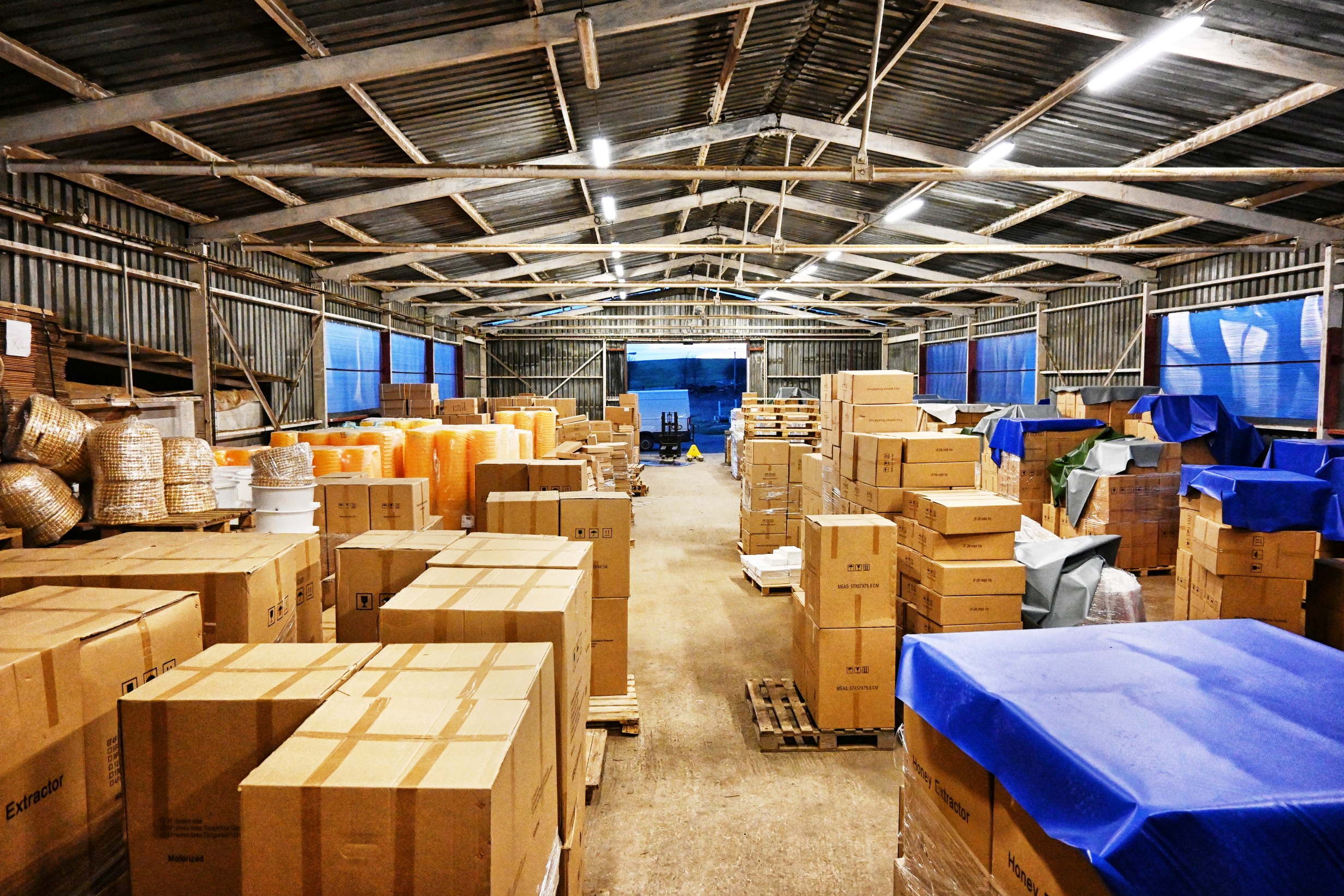
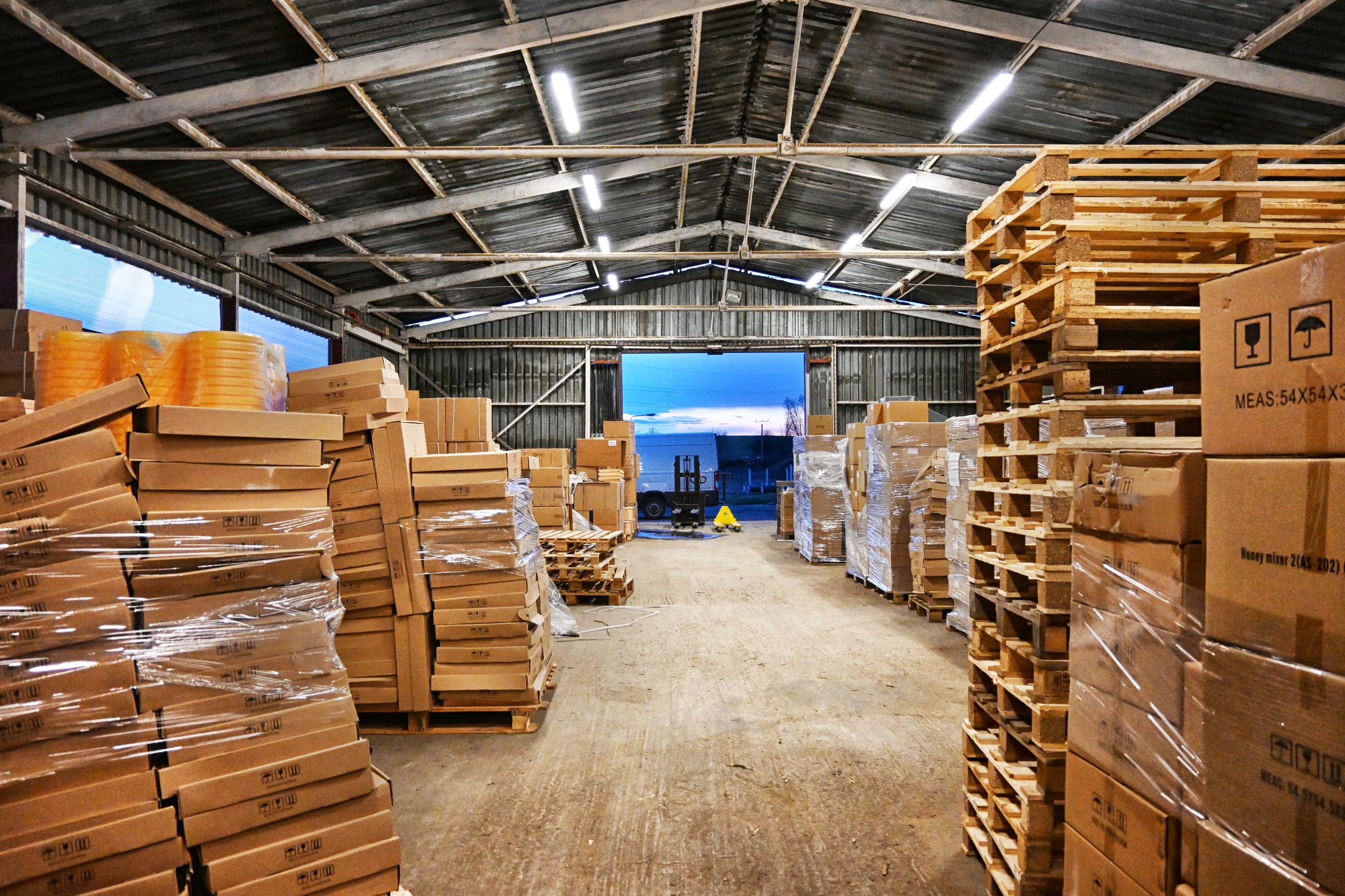
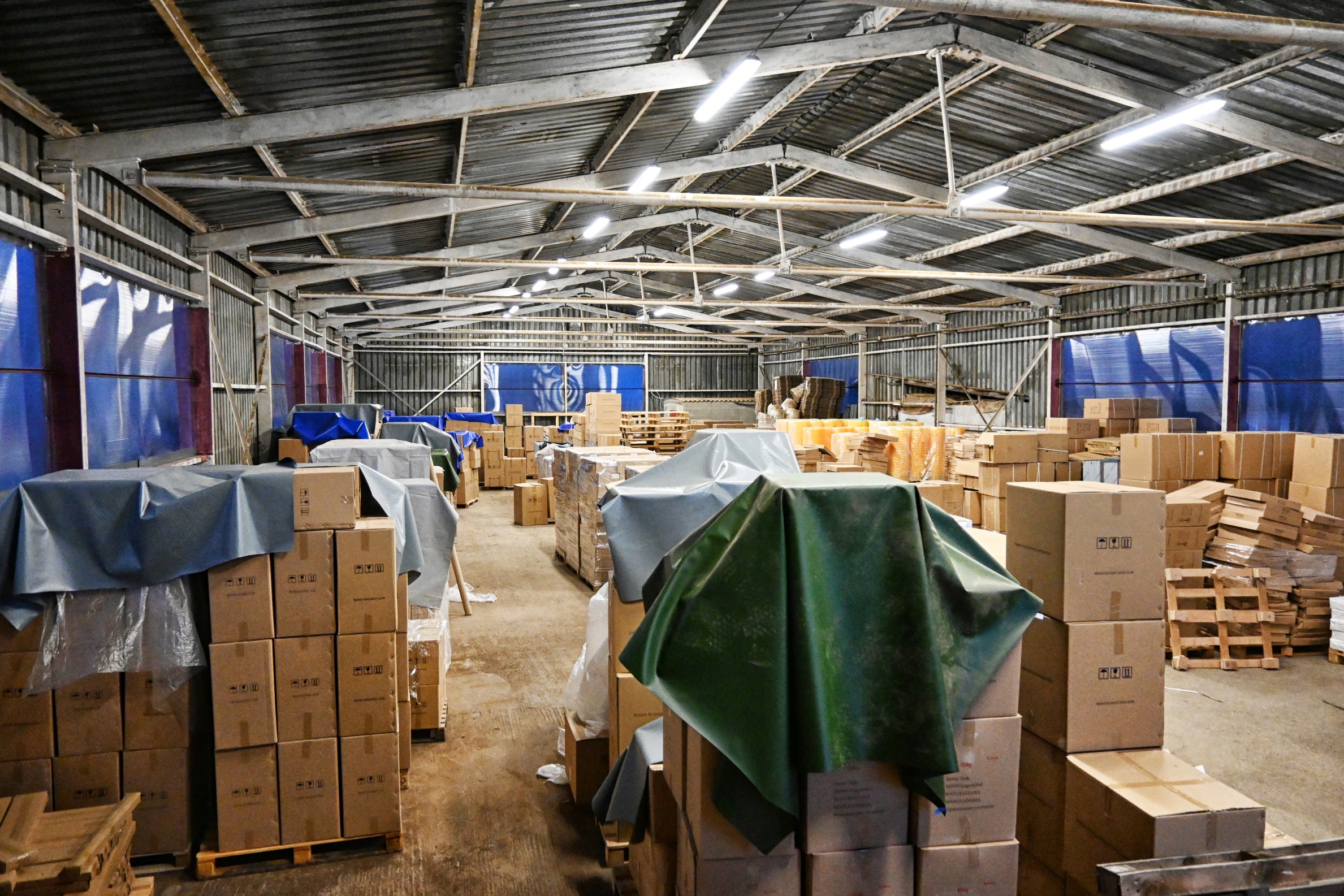
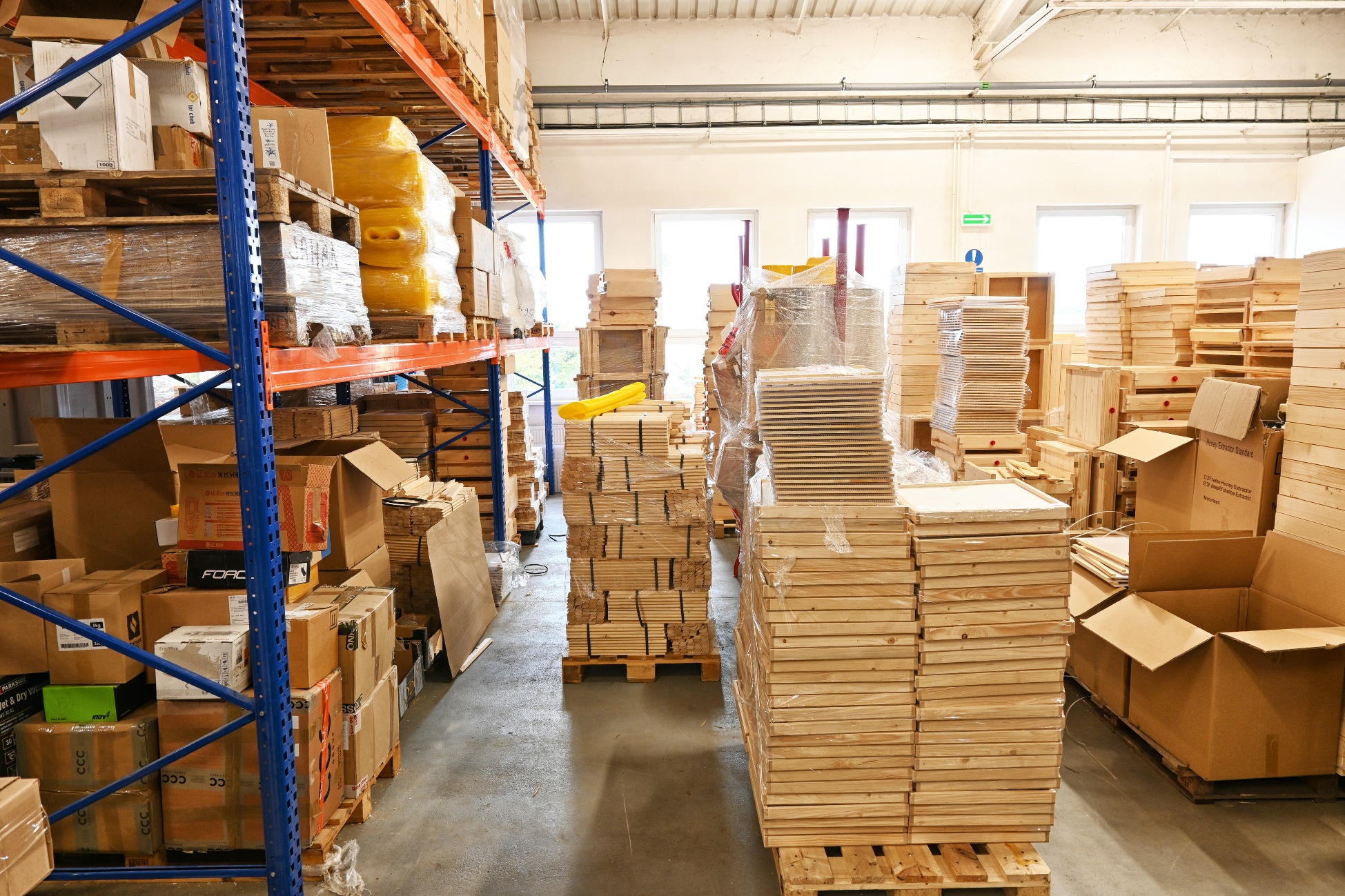
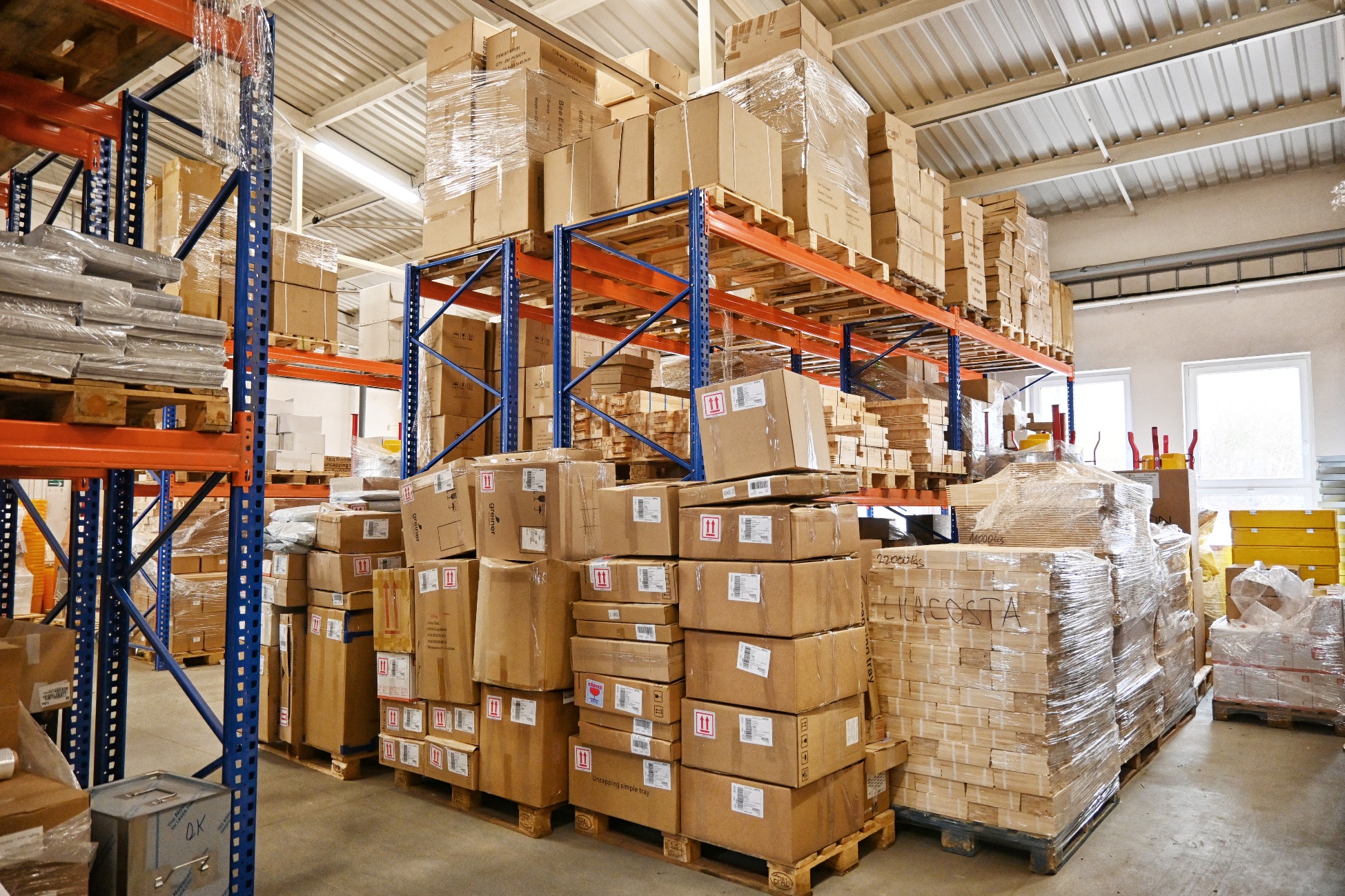
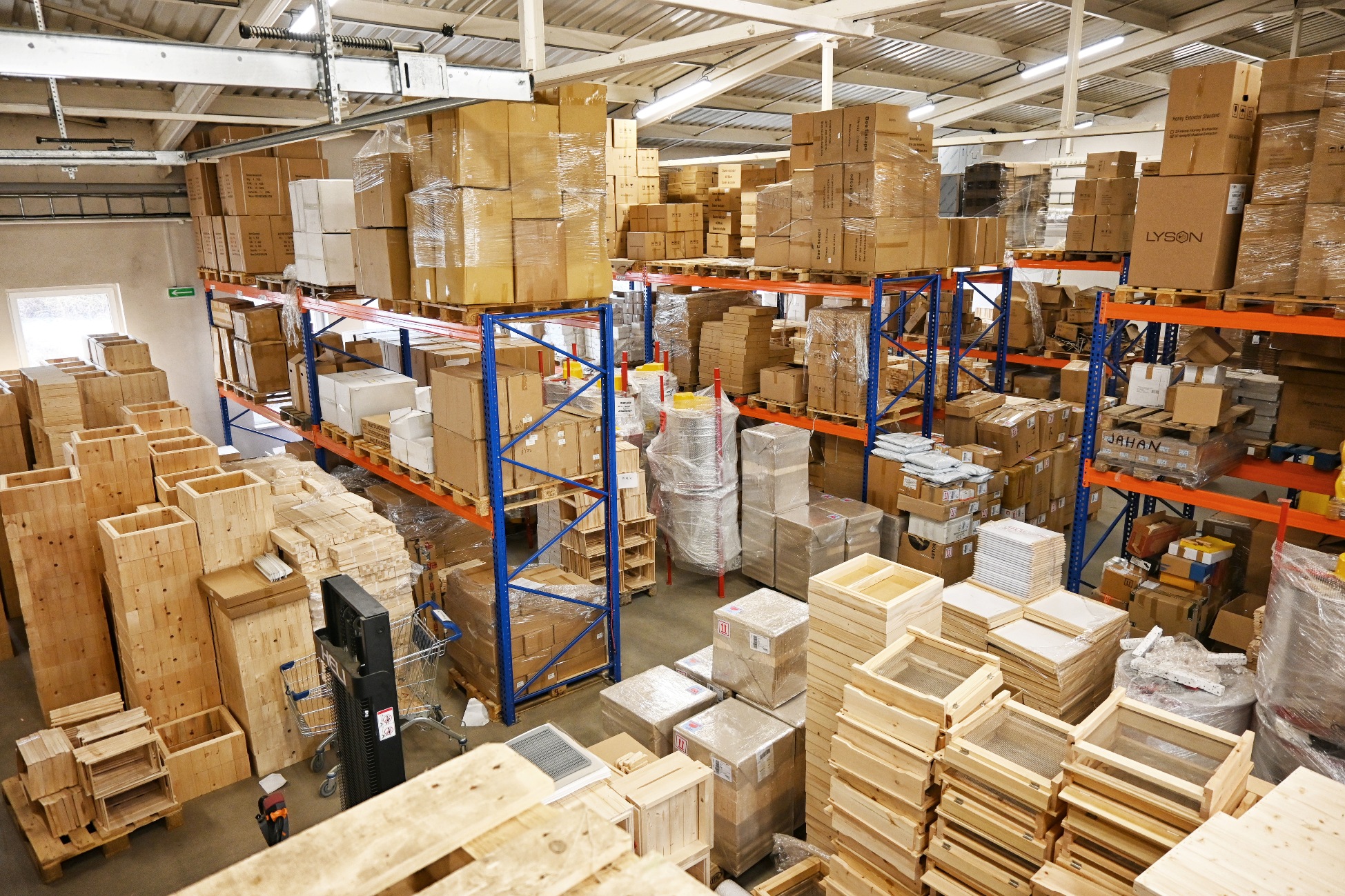
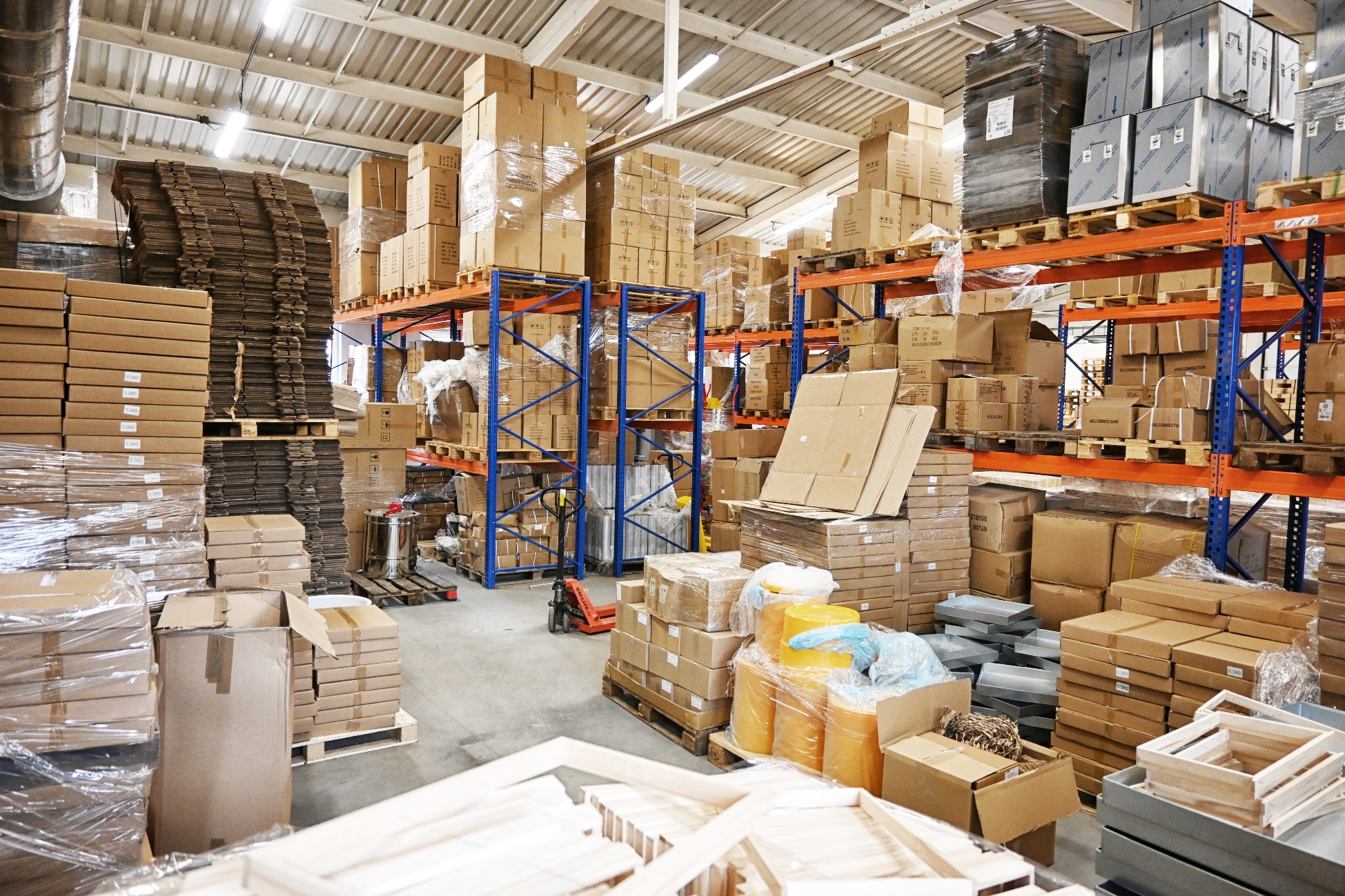
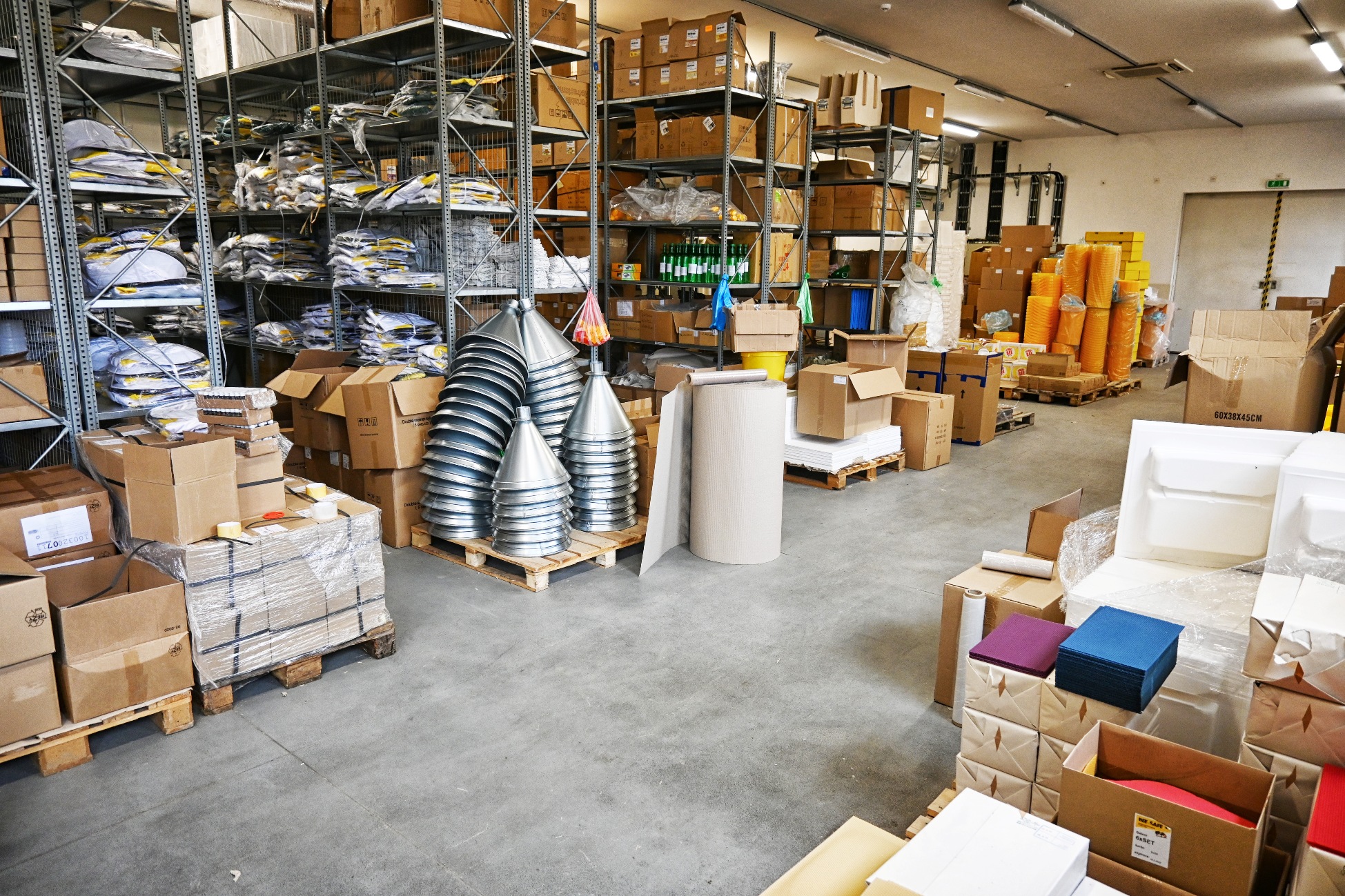
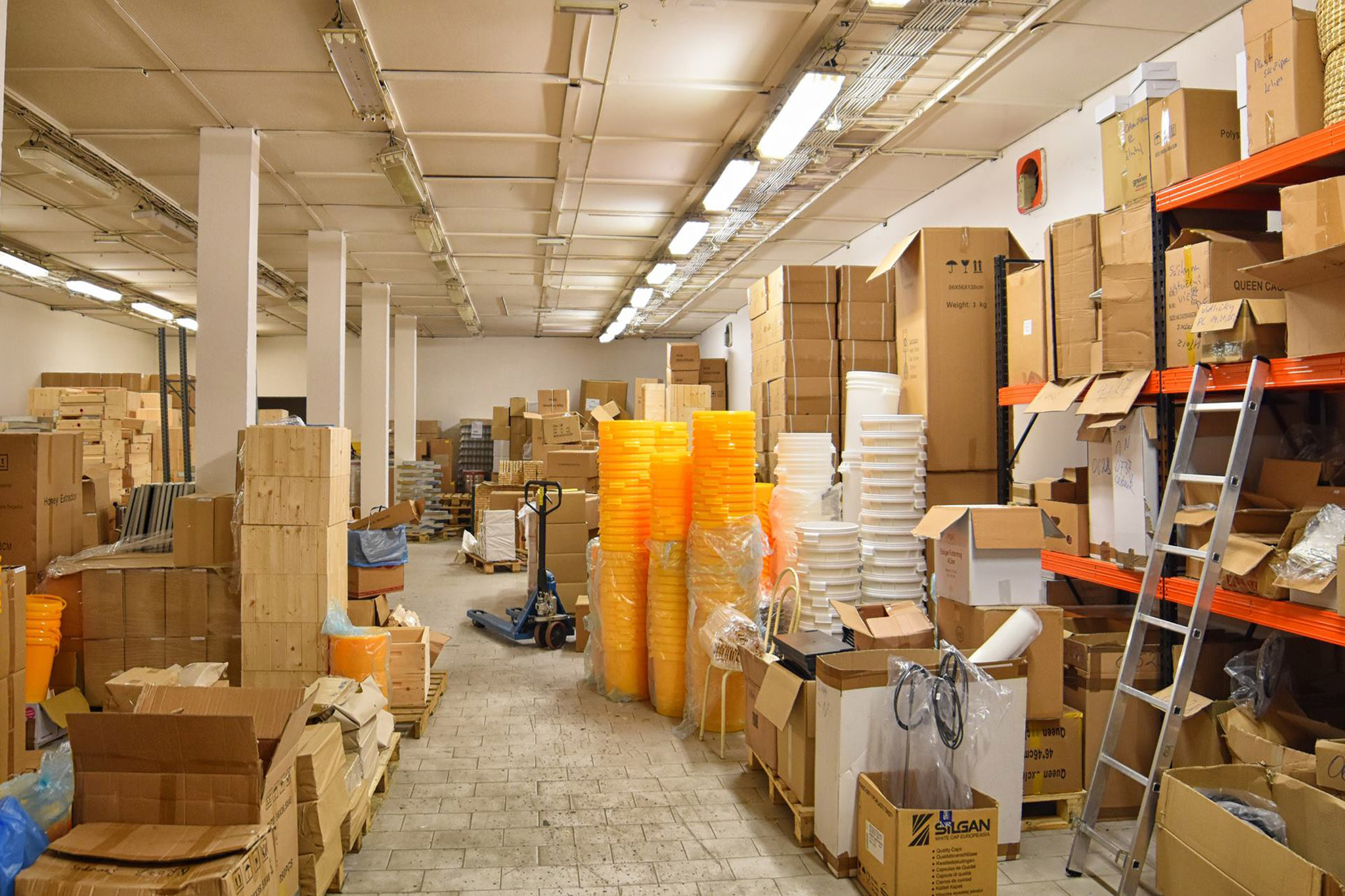
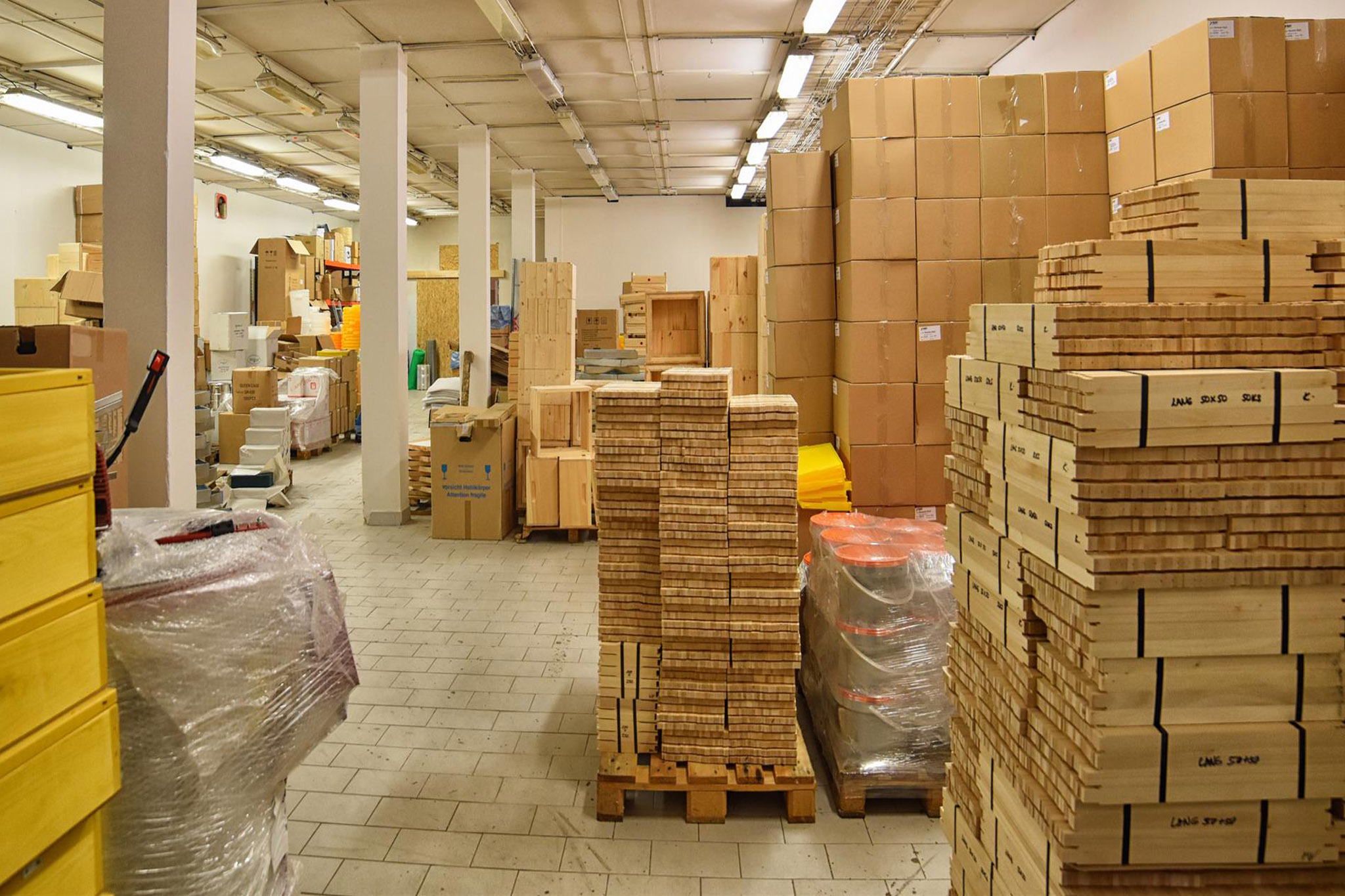
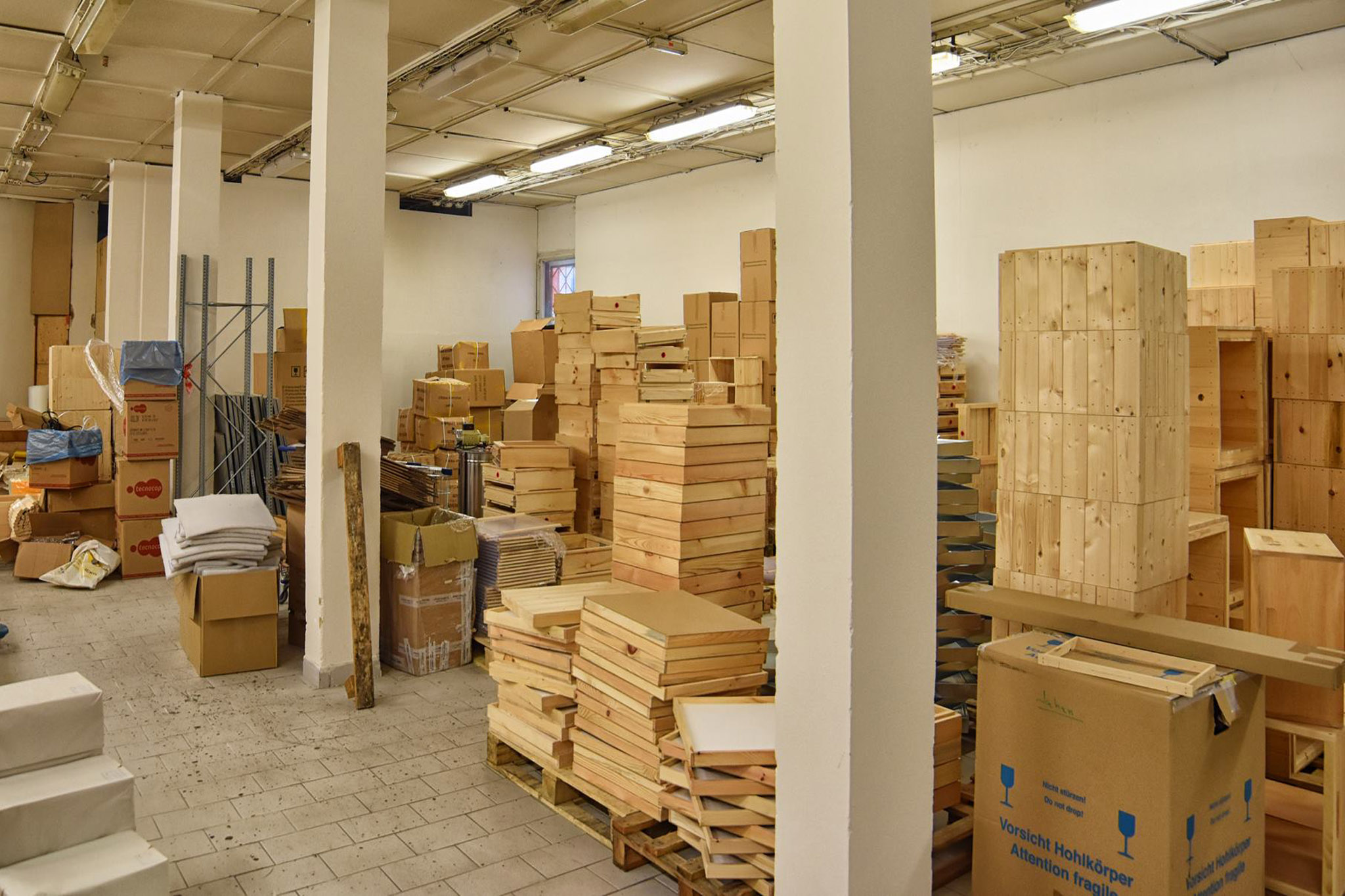
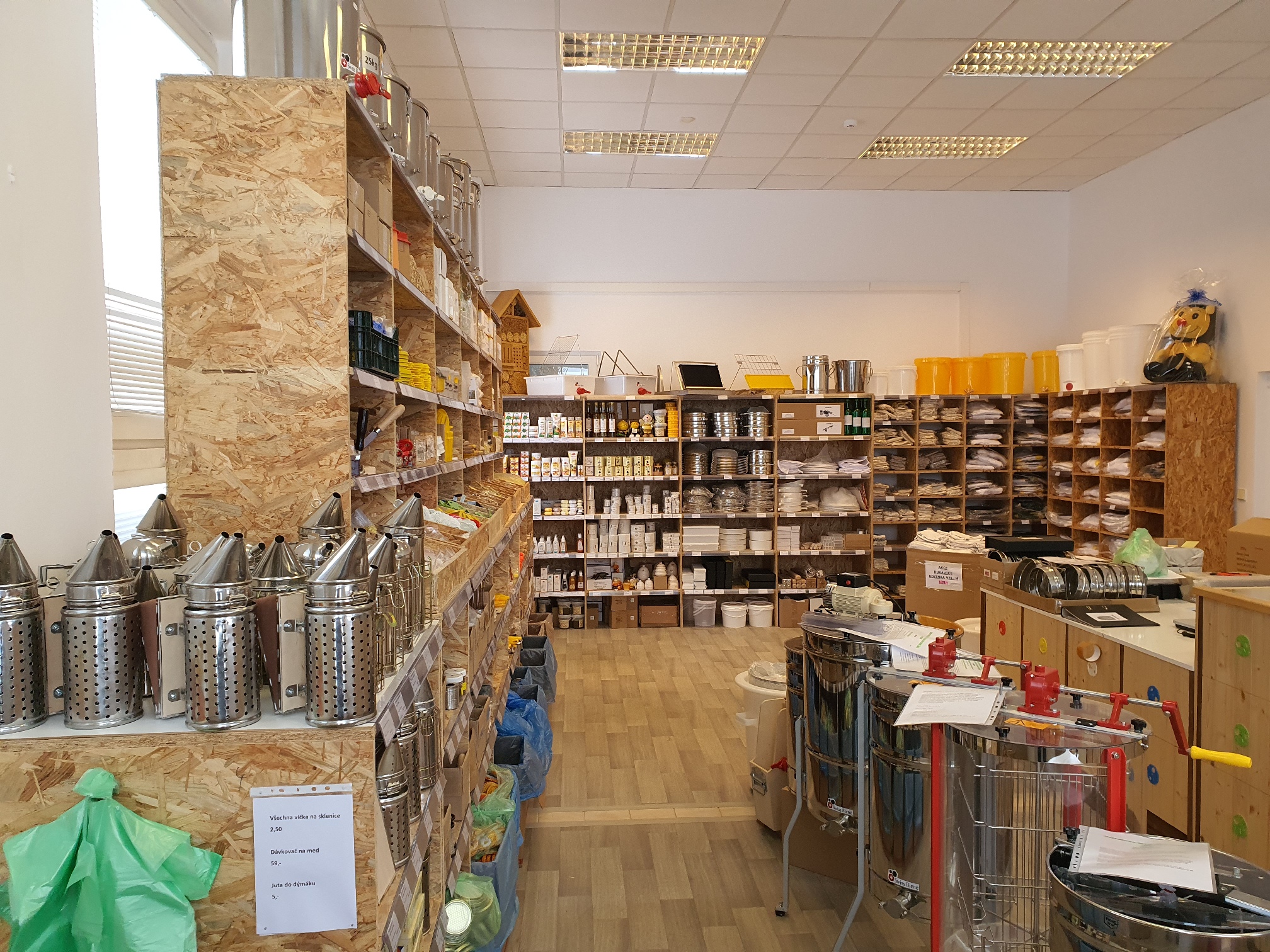
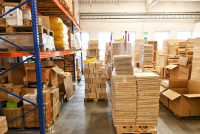
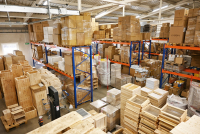
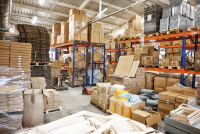
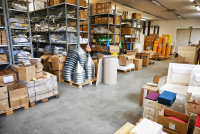
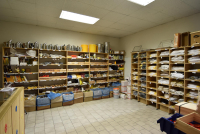
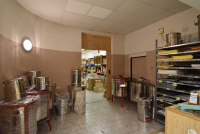
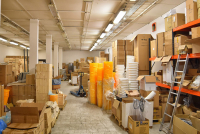
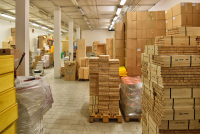
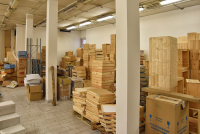
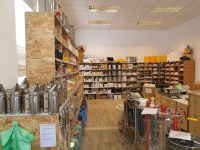
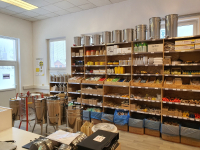
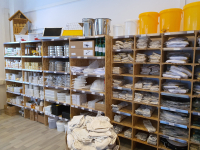
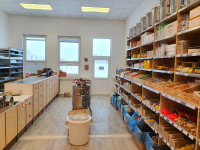
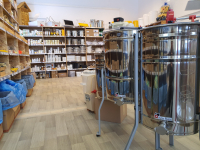
JaHan s.r.o. has become a leader in beekeeping equipment in the Czech Republic in a few years. From the original intent of a small workshop that sold beehives and essential equipment, but thanks to your positive feedback, it has become the fastest growing company in the production and sales of beekeeping equipment and products. From the original sales set-up of almost "from the yard" it became a full-time activity. Setting-up a professional business and opening a first shop was just a matter of time. Now we have two shops in Rovensko pod Troskami and also in Prague. We also have two large shipping warehouses. We ship our products wholesale to more than 50 Czech shops, 30 Slovak shops and more than 50 shops across the European Union and beyond.
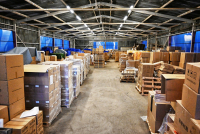
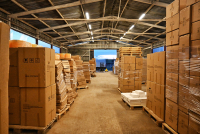
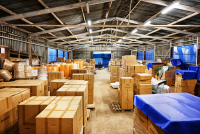
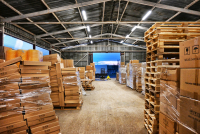
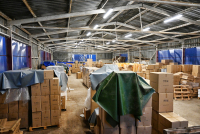
You, our friends - beekeepers, have the opportunity to buy quality goods at a reasonable price regardless of whether you’re a hobby beekeeper or a professional. We are primarily responsible for providing 100% service and services which should be a matter of course, but many traders forget about these important matter and only take care of their profits. We want a beekeeper to be sure of the goods purchased from ourselves or our partners, so they know that they can come back, replace and complain at any time. In order to be able to call at any time and ask the qualified personnel on how to use the product properly.

More than just an e-shop
Our primary impetus for expanding our services was to open our e-shop, which we wanted to do a little differently than most of our competitors. We didn’t just want to be another trader in a whole bunch of others, who just "fill the e-shop" with goods, add one photo and a price. We always wanted mainly to inform the beekeepers. That's why with all our products, you won’t just find detailed descriptions of the goods but also detailed photos. Where it's possible, we also try to provide videos so you can explore the device in all its beauty and especially at work. At the same time, we try to test all of our products so that we can advise you on your selection and offer our own experience. After your great feedback, for which we are very grateful, we have established ourselves in our work and we’re trying to develop even further.
European-wide sales
Our goods are known to beekeepers in the Czech Republic, Slovakia, Poland, Germany and Austria. In 2017, we expanded our services and sales to all European Union countries. So our customers have the option to buy beekeeping equipment from home in 28 countries. Customers can shop in our e-shop in 6 world languages. Our shipping centre sends consignments daily to all countries, with the shipping period within 4 days from the shipment. You pay for the goods in your national currency, you will receive an invoice in your language.
With love for bees
The families of both founders of our company has been beekeeping for years and we are also actively trying to beekeeper. Our beekeeping farm includes approximately 150 tribal beehives, whereby, each season we create dozens of strong separations that travel to you, our beekeeping friends. Due to the lack of time, we had to limit the original plan, which counted up to 300 hives. Our apiaries are scattered in the picturesque landscape of Český Ráj (Bohemian Paradise) - in the Czech Republic, where we produce honey of the highest quality. Our bees are mainly our hobby and love, so we don’t produce honey on a commercial level, perhaps just for the people we know and neighbours, who always enjoy our fresh honey.
Delivery and transport method
We strive to continually improve our services and because transport is an integral part of every consignment, we try to negotiate the most favourable transportation terms and conditions for you. After many years of experience and feedback from our customers, we decided to exclusively use DHL's international carrier services. Therefore, all of our consignments are usually transported by this company. Only in exceptional cases and upon prior agreement with the customer, we choose another shipping company. These are mainly regarding larger shipments that are packed on pallets.
Postage and determining its amount
The postage amount depends on the weight of the goods that you have ordered. Please don’t forget that when paying cash on delivery, we are forced to charge you a 2 Euro fee, which goes to the carrier, so we recommend paying on our account number in advance if you want to save. Larger and bulkier consignments are transported on pallets for safety reasons. The pallet will be brought to your home by a DHL courier with a hydraulic platform and with the use of a pallet truck they will place the goods according to your wishes. Please note that the table below is only informative, total postage can be always seen in the cart before confirming the order. Our company never charges for packaging! The prices are set as follows:
Europe - zone 1 - A
Austria - Belgium - Croatia - Denmark - Estonia - Germany - Hungary - Lithuania - Netherlands - Poland - Romania - Slovakia - Slovenia
| Gewicht | Versandkosten |
| 0 - 5 kg (Paket) | 6,77 Euro |
| 5 - 15 kg (Paket) | 8,22 Euro |
| 15 - 30 kg (Paket) | 11,60 Euro |
| 30 - 60 kg (Pakete) | 25,41 Euro |
| 30 - 60 kg (Palette/atyp) | 66,55 Euro |
| 60 - 90 kg (Pakete) | 37,51 Euro |
| 60 - 95 kg (Palette/atyp) | 72,6 Euro |
| 96 - 150 kg (Palette/atyp) | 145,2 Euro |
| 151 - 220 kg (Palette/atyp) | 217 Euro |
| 221 - 350 kg (Palette/atyp) | 266,2 Euro |
| 90 - 150 kg (Pakete/Palette) | 60,5 Euro |
| 150 -350 kg (Pakete/Palette) | 121 Euro |
| 350 -800 kg (Pakete/Palette) | 242 Euro |
| Über 800 kg (Pakete/Palette) | 302,5 Euro |
Europe - zone 2 - B
Bulgaria - France - Italy - Sweden
| Weight | Cost |
| 0 kg - 5 kg | 11,25 Euro |
| 5 kg - 15 kg | 14,72 Euro |
| 15 kg - 30 kg | 15,97 Euro |
| 30 kg and more | 59,9 Euro |
| High volume packages (sended on pallet) | 159,9 Euro |
Europe - zone 3 - C
Finland - Ireland - Portugal - Spain
| Weight | Cost |
| 0 kg - 5 kg | 12,46 Euro |
| 5 kg - 15 kg | 15,73 Euro |
| 15 kg - 30 kg | 21,78 Euro |
| 30 kg and more | 69,9 Euro |
| High volume packages (sended on pallet) | 199,9 Euro |
Daily expeditions
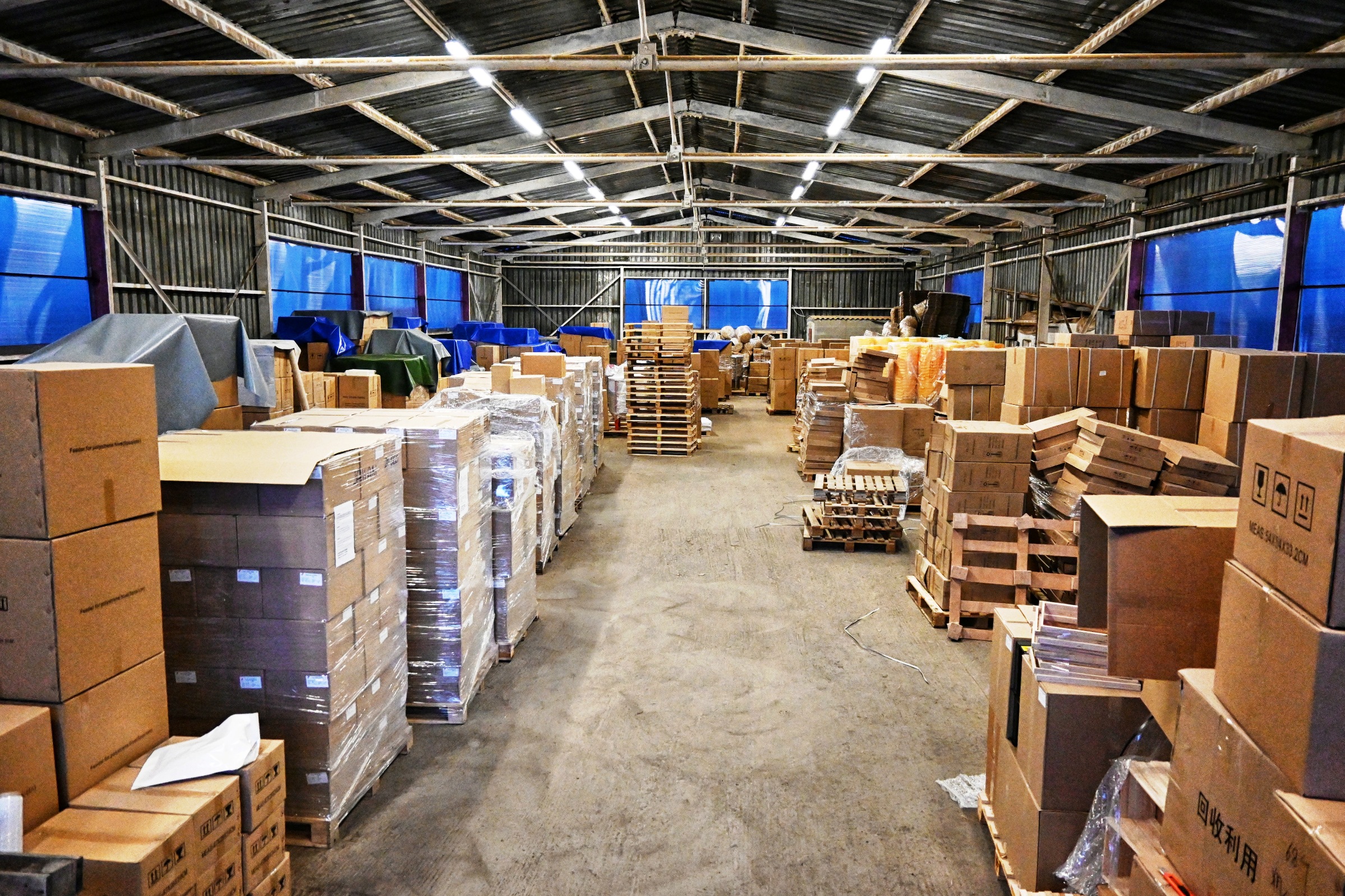
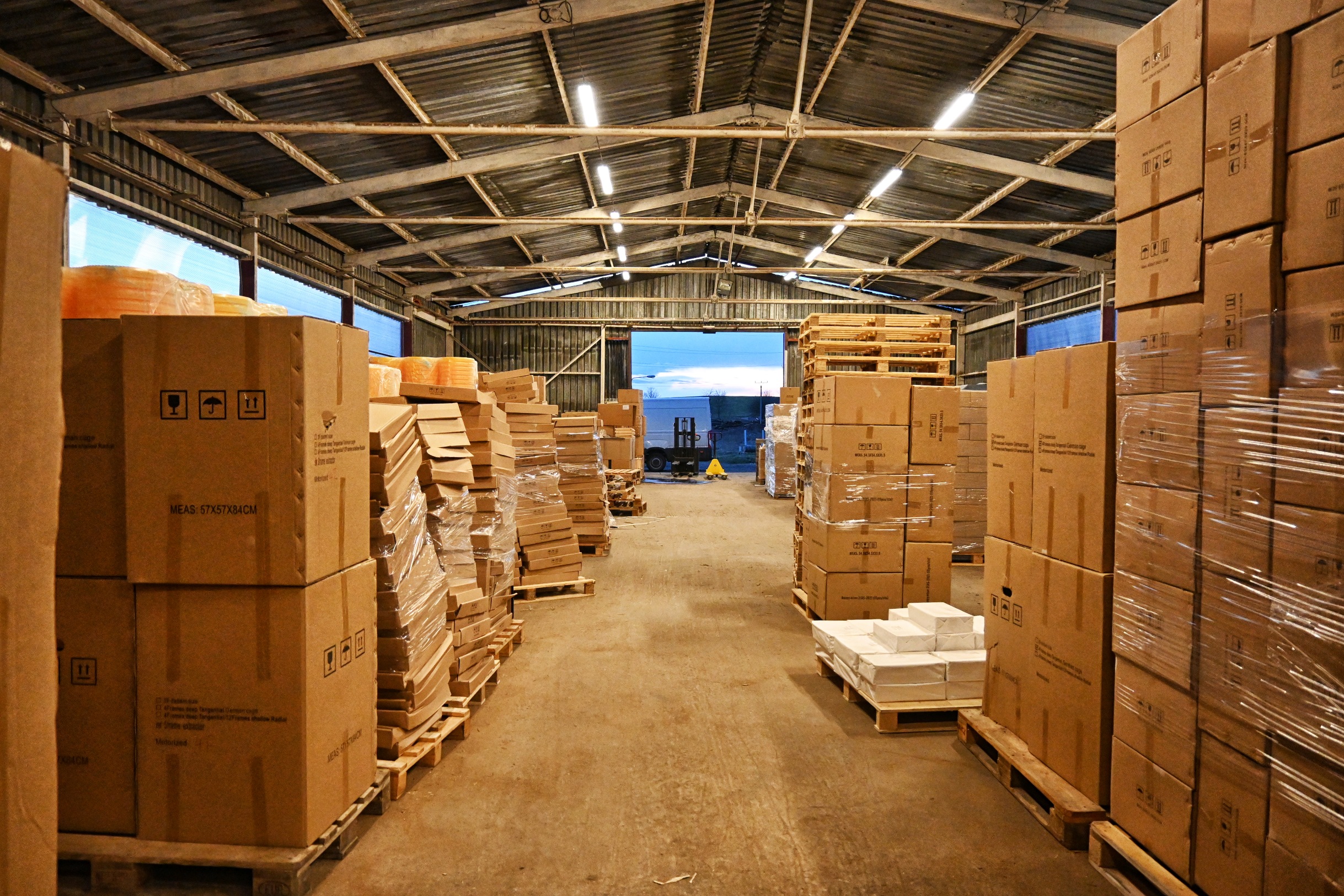
Goods are packed and shipped daily from one of our three expedition centers.
Best-selling products


 In stock