Smokers
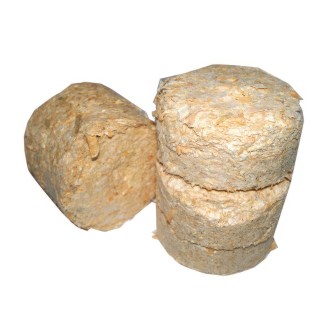
The smoker, also called a bee smoker, is an essential part of every beekeeper’s equipment. It is used to calm the bees so they do not become defensive. When bees sense smoke, their instinct drives them to the combs to protect their stores, which means they are less likely to attack. As the fuel burns, the bees take in honey reserves and temporarily leave the hive, returning later. In our selection, you will find a wide range of smokers and other useful tools. Fuel is used to produce smoke in the smoker, which helps to calm the bees. You can purchase wicks, sawdust, or pellet fuel with various scents for the smoker.

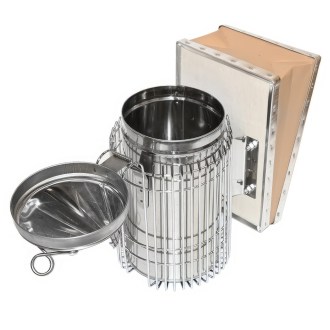
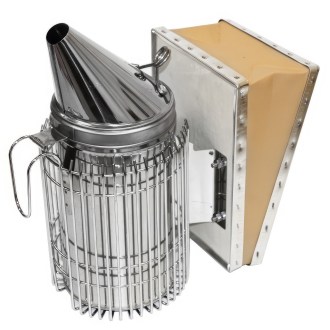
Smoker: a tool for calming bees
Bee smokers are designed to make work around the hive more comfortable for the beekeeper. Their purpose is to generate smoke that calms the bees. This smoke allows beekeepers to work safely and efficiently while the bees remain relaxed, making hive care and inspections easier.
Smokers: attention to detail
We focus on ensuring that each smoker is not only functional, but also durable and easy to use. Small design details make bee care simpler and more efficient. Our products are made from high‑quality materials that withstand harsh weather conditions.
Explore our diverse range of smokers and join the many beekeepers who already value their benefits.
Construction and function
A smoker is designed to produce smoke that calms bees and reduces the risk of stings during hive inspections. With controlled smoke release, beekeepers make use of natural bee instincts that prepare the colony for a perceived threat, resulting in less defensive behaviour.
The smoker works by burning smouldering fuel inside the chamber. The smoke is then expelled through the spout with the help of the bellows. This smoke has a calming effect on bees—after smoking, they retreat to the frames with honey, which makes stinging less likely. Full honey stomachs limit their ability to bend and sting.
Smoke triggers a reflex response to fire. Bees prepare to leave the hive by filling themselves with honey as a reserve. This instinct allows the beekeeper to work more safely while the defensive reaction of the colony is significantly reduced.
Using smoke is less effective when working with a swarm, as swarms have neither a nest nor honey stores. They are usually less defensive because they have no hive to protect.
What is a smoker made of?
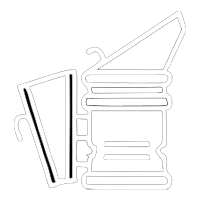
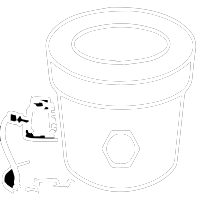
A typical beekeeping smoker consists of a metal cylinder that narrows into a spout for smoke release. The base contains an additional opening for airflow. A bellows directs air into this opening, keeping the fuel burning.
For safety, many smokers include a wire guard to protect hands from burns and a hook for hanging. Various materials can be used as fuel—from wooden briquettes to dried herbs and hop flowers, whose smoke contains calming lupulin.
Chamber: Usually a cylindrical container made of heat‑resistant material such as stainless steel or galvanized steel, used for generating smoke.
Lid: Allows lighting and controlling the burning material inside the smoker while preventing sparks from escaping.
Leather bellows or air inlet: Directs airflow into the chamber, increasing the amount of smoke needed to calm the bees.
Holder: Many smokers are equipped with a holder or hook for safe hanging when not in use.
Advantages of using a smoker:
Calming the bees: Besides reducing agitation, smoke lowers bee aggression, which decreases the risk of stings during inspections or honey harvesting.
Easy handling: Smoker design ensures easy handling and precise smoke control, enabling safe and efficient work.
Durable materials: Heat‑resistant materials such as stainless steel contribute to long‑lasting, reliable performance during daily use.
Use and maintenance
Use: A smoker is used by lighting fuel inside the chamber and pumping air with the bellows to generate smoke.
Safety: Always use the smoker with extra care to ensure the safety of both the beekeeper and the bees.
Maintenance: Regular cleaning and damage checks ensure proper function and safety, while consistent care extends the smoker’s lifespan.
Protection against bees
In addition to smokers, we also offer a wide range of protective equipment that enhances beekeeper safety:
Protective clothing: Including gloves, beekeeping jackets, and veils to help prevent stings.
Repellents: Special sprays and lotions that deter bees without harming them, increasing beekeeper safety.
History of bee smokers
The use of smoke to calm bees dates back to ancient times, although the exact origin of the technique is unclear. In many regions where honey was collected from wild colonies, it was discovered that smoke helped calm the bees—for example, Indigenous Americans used puffball mushrooms for this purpose.
The modern bee smoker was invented in 1873 by Moses Quinby. True to his Quaker beliefs, he did not patent any of his inventions, including the smoker. His design was later improved by Tracy F. Bingham, who patented it in 1903.
The use of smokers illustrates how beekeeping traditions continue to thrive through the intelligent use of tools and a deep understanding of bee biology. Tools like the smoker show how respect for nature can lead to effective and gentle beekeeping practices.