Feeding
A wide selection of feeders and related accessories. We offer traditional plastic feeders, wooden feeders designed for direct placement in hives, as well as a broad range of perforated pads and jar lids that can easily be turned into feeding tools. The wooden feeders are made to fit the hive types we supply; if you use hives from a different manufacturer, it’s advisable to check compatibility before purchase.


Optimal Feed for Your Bee Colonies
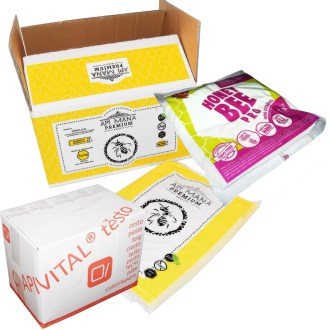
In the world of beekeeping, proper care of your colonies is essential — and that includes selecting and using high‑quality feed and feeders. In our specialized beekeeping e‑shop, you will find a wide range of premium feeds and tools designed to perfectly meet the nutritional needs of your bees. These products provide optimal nutrition throughout the year and contribute to strong and healthy colony development.
High‑Quality Nutrition for Healthy Colonies
Proper nutrition is crucial for the health and productivity of your colonies. Our feeds are carefully formulated to meet the nutritional requirements of bees while increasing their resistance to diseases and environmental stress.
- Apimana – Nutritious Feeding Paste: This bee paste is specifically designed for honey bees and makes feeding easier, especially during periods of natural food scarcity. It contains a high proportion of sucrose for easy digestion and is ideal for winter feeding when flowers are limited.
- Apimana Feeding Syrup – Liquid Energy Source: Provides your bees with a rich, easily digestible source of energy without the need for mixing or dilution. Its high sugar content supplies the necessary energy to maintain bee activity.
Efficient Feeding Equipment
In addition to premium feed, we also offer various feeding devices that make it easier to supply food to your bees:
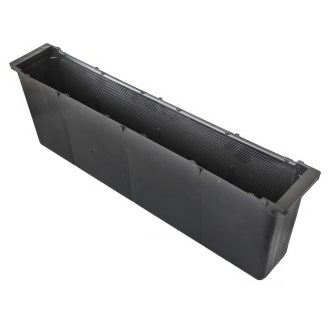
- Frame Feeders: Practical containers placed directly inside the hive to simplify the feeding process.
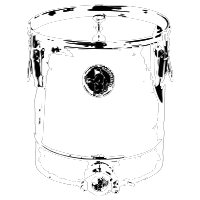
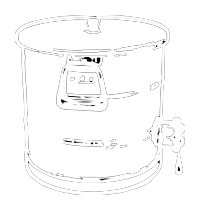
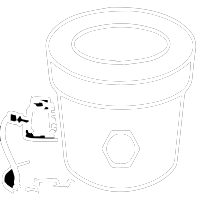
- Feeding Buckets: Ideal for outdoor use, robust, and large enough to support bigger colonies.
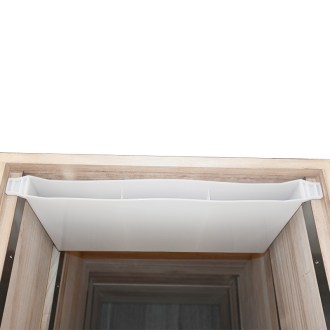
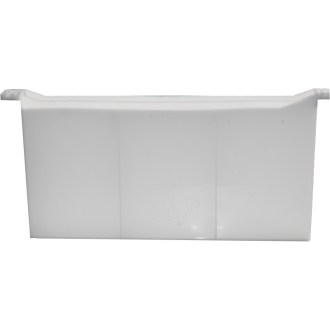
- Super Feeders: Designed to evenly distribute liquid feed within the hive.
Pollen Feed Supplements
Our supplementary pastes and pollen feeds supply bees with additional nutrients that promote their vitality:
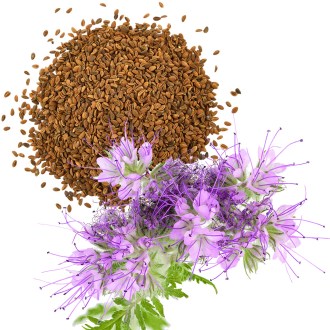
- Rich in proteins, these feeding pastes stimulate brood production in spring and autumn and contain flower pollen essential for bee growth and development.
The Importance of Quality Feed
The right choice of bee feed plays a key role in maintaining the health and productivity of your colonies. Our feed range is designed to supply essential nutrients and enhance bees’ resilience against diseases and environmental influences.
The Key to Successful Wintering
Bees play a vital role in ecosystems by ensuring 80–90% of the pollination of entomophilous plants. Proper feeding is essential for successful overwintering.
The Importance of Bee Feeding
Throughout the year, bees collect nectar and produce honey, which serves as their main energy reserve. During the active season, beekeepers harvest honey and replace it with suitable feed to ensure colonies have enough energy to survive the winter months.
Winter Feeding
With the arrival of autumn, bees no longer leave the hive and cannot excrete waste, which could compromise hive hygiene. Therefore, from mid‑August to the end of September, it is essential to provide bees with adequate stores in the form of a sugar syrup, which they store inside the hive. Consumption can reach up to 20 kg of sugar per colony, depending on its strength.
Feed Quality
The right bee feed is crucial for their health and productivity. It should contain the appropriate sugars — fructose, glucose, and sucrose — which bees can easily digest and process.
What Quality Feed Should Contain:
- Fructose, Glucose, Sucrose: Easily digestible sugars.
- Water: The essential component for creating sugar syrup.
What to Avoid:
- Maltose and higher oligosaccharides: Difficult for bees to process.
- HMF (Hydroxymethylfurfural): Can become toxic to bees in larger amounts.
Adverse Effects of Improper Feed
Using unsuitable feed can harm bees. If the feed contains indigestible substances, bees store them in their rectal sacs, increasing the risk of nosema — the second most common bee disease after varroosis. Proper nutrition and hive hygiene are key to preventing this issue.
High‑quality nutrition and proper feeding are essential for strong and healthy colonies that successfully overwinter and contribute to higher honey yields in the upcoming season. Beekeepers are encouraged to focus on feed quality and the specific nutritional needs of their colonies when preparing for winter.
Feeders play a crucial role in providing sustenance for bee colonies, especially during periods of scarce natural food sources.