














Dear customers, on July 6 our stores and shipping department will be closed. Thank you for your understanding, and we apologize for any inconvenience.


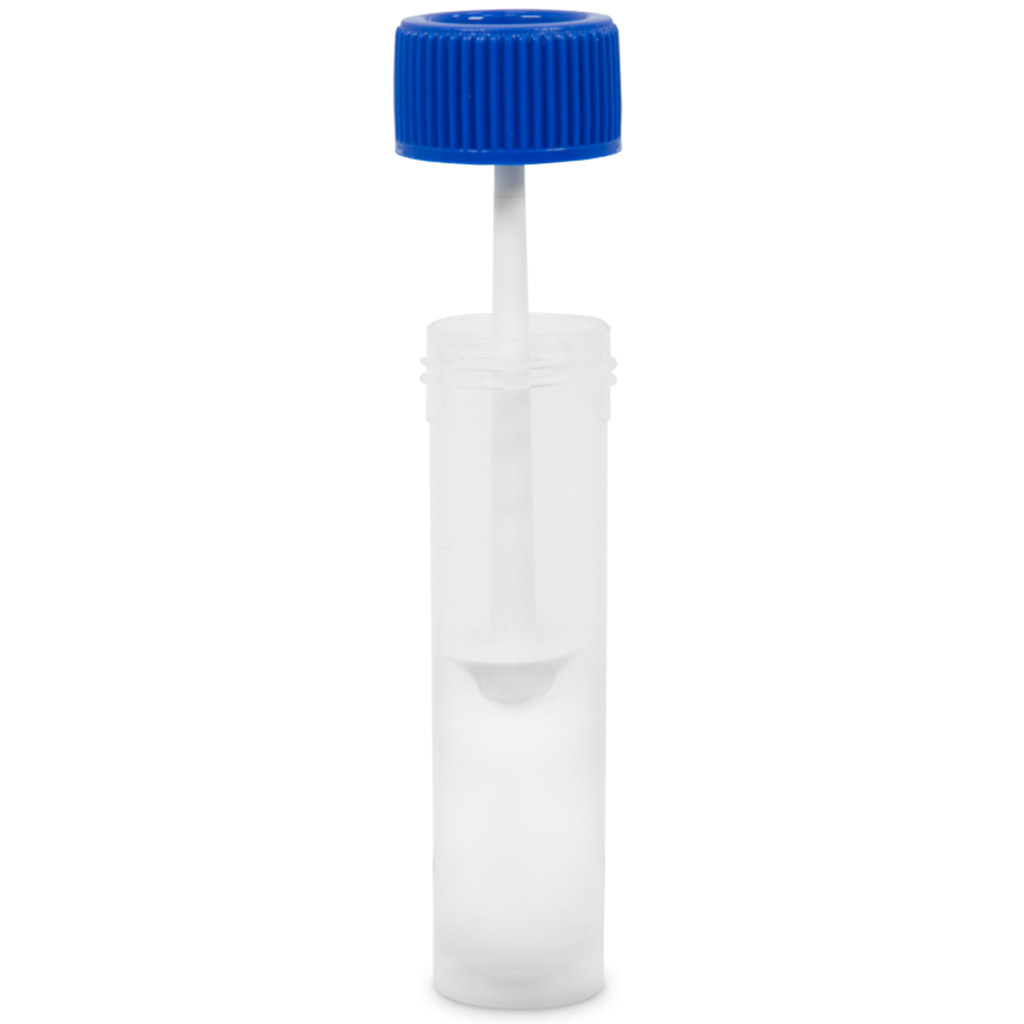

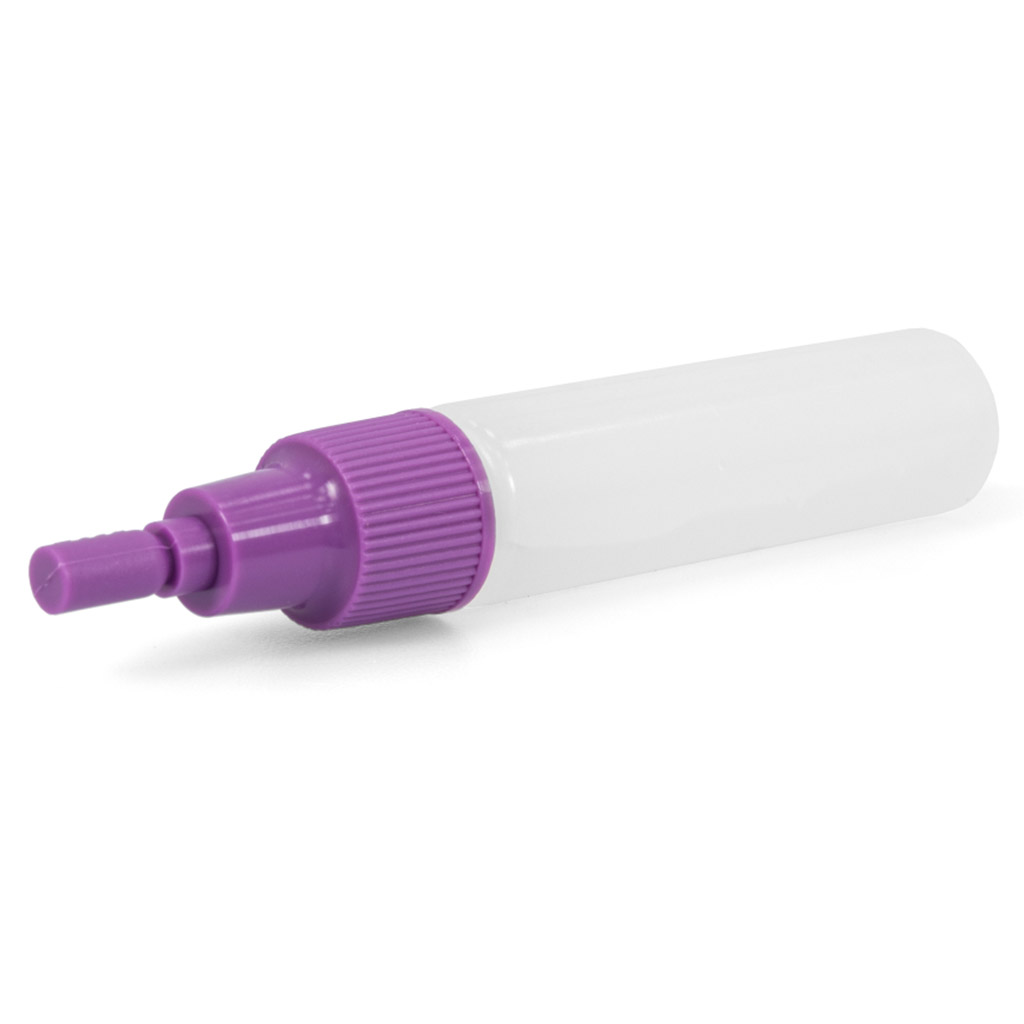




FASTest BEE 3T – rapid test for bee viruses (2 pcs)
 Sold out
Keep track of the health status of bee colonies without waiting for laboratory analysis. FASTest BEE 3T is a practical rapid test that helps you detect three common and serious viral infections of bees directly at the apiary site within a few minutes. You get results immediately, so you can act promptly and with confidence.

FASTest BEE 3T – Rapid Test for Honey Bee Viruses (2 pcs)
Stay informed about the health status of your colonies without waiting for laboratory analysis. FASTest BEE 3T is a practical rapid test that helps you detect three common and serious viral infections in honey bees directly at the apiary within just a few minutes. You get results immediately, so you can act promptly and with confidence.
Why It Belongs in Every Beekeeper's Toolkit
Viral infections in a honey bee colony are often associated with infestation by the Varroa mite (Varroa destructor), which is one of the main vectors of bee viruses. FASTest BEE 3T is suitable for year-round monitoring – it helps quickly assess the situation and plan the next steps. A positive finding of a specific virus can also indirectly indicate increased Varroa pressure, and thus the need to adjust treatment. You will appreciate its greatest benefit during the late summer period, when a quick decision is often crucial for colony strength and successful overwintering.
What the Test Detects
From a single sample, it qualitatively detects the presence of these three pathogens:
1. Deformed Wing Virus (DWV) – a common factor in colony weakening and collapse.
2. Acute Bee Paralysis Virus (ABPV) – a rapidly progressing infection with severe consequences.
3. Sacbrood Virus (SBV) – a disease affecting honey bee brood development.
Proven Quality and Innovation
FASTest BEE 3T was awarded the gold medal in the "Scientific Innovations for Bees" category at the Apimondia World Beekeeping Congress 2025 in Copenhagen. It is therefore a solution recognized and valued by the professional beekeeping community.
Testing Principle
The test uses immunochromatography (lateral flow), similar to well-known antigen tests. The sample mixed with buffer migrates along a membrane, where any viral antigens bind to antibodies and form visible test lines. The procedure is clean, simple, and requires no laboratory equipment – you can perform it right at the hive.
Package Contents and Sample Preparation
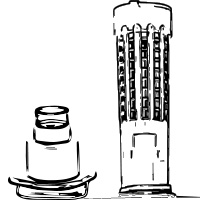
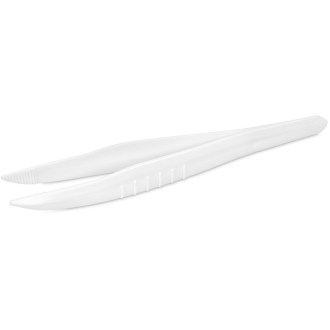
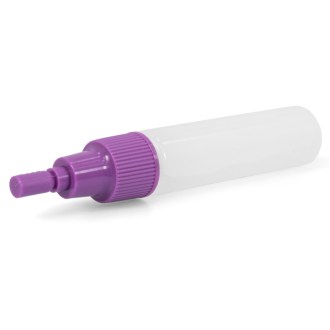
The package contains everything needed for two complete tests: tweezers, two sets of test strips (3 per set), sample tubes with pestles, and the corresponding solutions. For one test, collect 5 bees or 5 larvae/pupae (brood), crush the sample with the included pestle, and mix with the solution according to the instructions. Before testing, allow all components and the sample to reach room temperature (15–25 °C).
Technical Specifications
| Product Name | FASTest® BEE 3T (2-Pack) |
| Detected Viruses | DWV (Deformed Wing Virus), ABPV (Acute Bee Paralysis Virus), SBV (Sacbrood Virus) |
| Test Type | Immunochromatographic Rapid Test (Lateral Flow) |
| Reading Time | 10–15 minutes |
| Number of Tests per Package | 2 complete tests |
| Required Sample | 5 bees or larvae/pupae (brood) |
| Application | Year-round monitoring, treatment decision-making, Varroa infestation detection |
| Sample Material | Honey bee |
| Storage | Room temperature (15–25 °C) |
| Test Format | Rapid test |
| Award | Gold Medal Apimondia 2025 |
Bee Health and Viral Diseases
Honey bees (Apis mellifera) are among the three most important livestock animals in the world due to their pollination of a vast number of agricultural and ornamental plants. This key ecosystem service is essential for sustainable, productive agriculture as well as for the preservation of non-agricultural ecosystems. Therefore, monitoring the health status and vitality of honey bee colonies plays a decisive role. In addition to numerous parasites and fungi (e.g., Varroa destructor and Nosema spp.), viruses (e.g., Deformed Wing Virus – DWV, Acute Bee Paralysis Virus – ABPV, Sacbrood Virus – SBV) also pose a major threat to bee health and welfare.
DWV (Deformed Wing Virus) can, as a result of stress (heavy V. destructor mite infestation, food shortage, improper colony management), cause characteristic disease symptoms: crumpled wings incapable of flight, reduced body size, and colour changes in adult bees.
SBV (Sacbrood Virus) causes significant morphological changes in brood (failure to pupate, sac-like accumulation of moulting fluid, colour change from pearly white to pale yellow, drying after death into dark brown, gondola-shaped scales). Adult bees undergo infection without noticeable disease symptoms, manifesting only as a shortened lifespan.
ABPV (Acute Bee Paralysis Virus) replicates primarily in pupae. Once activated (by mite infestation, bacterial infections, environmental contamination, chemicals, insecticides, etc.), the infection is characterised by rapidly progressing paralysis, trembling, inability to fly, gradual darkening and loss of hair on the thorax and abdomen, as well as rapid death of adult bees.
Numerous studies suggest that there is a correlation between the level of Varroa destructor (Varroa mite) infestation and certain viral diseases (particularly DWV, ABPV, SBV). The Varroa mite serves as both a reservoir and a vector for these viruses. This fatal combination is considered the main cause of winter colony losses! DWV in particular shows the strongest correlation between mite infestation levels and viral load.
For estimating and reducing these winter losses, the on-site direct detection of viruses using FASTest® BEE 3T provides beekeepers with a quick and simple diagnostic tool. In the event of a positive result, prophylactic measures (e.g., Varroa treatment) can be initiated immediately.
Safety Instructions
-
For hygiene reasons, it is recommended to wear disposable gloves and other personal protective equipment (protective clothing, face mask if applicable). Wash and disinfect your hands after completing the test.
-
Label the sample material, sample tubes, and corresponding test strips to ensure accurate assignment.
-
Use a new sample tube and new test strips for each test.
-
The buffer solution contains low concentrations of toxic sodium azide as a preservative. Absolutely avoid contact with skin/eyes and/or ingestion by mouth/inhalation through the nose.
-
The sample material must be considered potentially infectious and, together with used test kit components, must be disposed of after testing in a bee-safe manner (out of their reach).