












BEEKEEPING EQUIPMENT, PRODUCTS AND BEEHIVES
A complete product range of beekeeping equipment in one place. Welcome to one of the largest beekeeping e-shop offering everything for successful beekeeping. We are the first e-shop with a range of services throughout the European Union. We aim to promote beekeeping and bee products not just with beekeepers but also among the public. Our company has been active in the beekeeping supplies market for more than a decade, we are a stable supplier offering a wide range of beekeeping equipment of a traditional kind as well as news from the world of beekeeping.
Our online beekeeping equipment doesn’t only offer equipment but also a number of bee products for the general public, who are then able learn about and try bee products. For the beekeeping enlightenment, we've also prepared an informational section on the website and for those of you who are beekeeping beginners, we have long and full detailed descriptions of all beekeeping equipment.
BEEKEEPING EQUIPMENT FOR All European beekeepers
The activity of beekeepers is a very rewarding hobby, which brings a lot of pleasure. Beekeeping is not just about trying to produce honey in hives but also and above all, it’s about improving the environment we live in. As beekeepers we contribute to the restoration of the environment, pollination of plants and agricultural crops.
BEEKEEPING EQUIPMENT - WHOLESALE AS WELL AS RETAIL
We strive to have all the necessary beekeeping equipment in constant supply for you. We are still expanding our range of beekeeping equipment, which now includes everything needed for beekeeping, we offer beehives, honey extractors, protective supplies, accessories for hives, frames, beekeeping literature, everything for breeding mothers and many other products. We strive to have all beekeeping equipment and bee products in stock and dispatch it in the most up-to-date terms.
We offer wholesale for our partners, currently delivering to more than 150 stores throughout the European Union (most of them in the Czech Republic, Slovakia, Poland, Germany and England).
HONEY EXTRACTOR AND OTHER BEEKEEPING EQUIPMENT
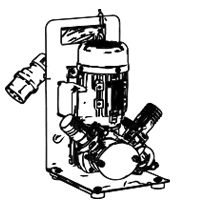
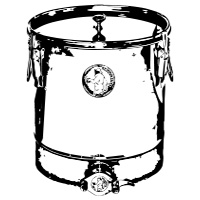
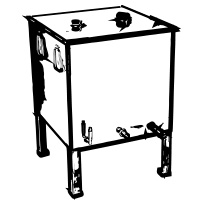
You can’t get honey without a honey extractor, at least not pure honey of good quality. Therefore, a honey extractor becomes an important tool for every beekeeper, but it’s also one of the most expensive devices. However, if you choose the correct and well-fitting honey extractor, the cost may decrease as you will know which one to choose so it isn’t unnecessarily too powerful and therefore expensive. We understand that beekeeping equipment and beekeeping accessories cost a certain amount of capital, so it’s advisable to point out that it’s possible to obtain financial subsidies not only for a honey extractor but also for innovation and improvement of beekeeping.
A WIDE RANGE OF BEEKEEPING EQUIPMENT
Our bee e-shop as well as our stone beekeeping shop offer you the widest range of beekeeping equipment in the Czech Republic. Our company is a pioneer for new technologies, we offer both traditional beekeeping equipment as well as news from the beekeeping world, which thanks to ourselves can be also tried by Czech beekeepers. We are currently focusing on expanding the range of professional equipment for larger beekeepers, beekeeping farms and operation premises. We offer and distribute products from most Czech companies in the profession and the world's leading beekeeping equipment manufacturers.
SOMETHING MORE
Our company also feels the need to support beekeeping not only in the Czech Republic but around the world. In addition to our business activities, we also offer a consultancy for our customers, where we can advise our customers how to choose goods and help with subsidies. We support and sponsor a wide range of beekeeping activities, from beekeeping exhibitions to beekeeping youth courses. We support a number of international projects that enhance awareness of beekeeping and bee products. At the same time, we contribute to it through the operation of information portals, we participate in various thematic exhibitions and beekeeping days. If you perform similar activities, please, don’t hesitate to contact us, we will gladly help you.
The interior of a hive is pitch black except for a small area of light around the ‘front door’. Everything that goes on in the hive is done by touch, feel or smell. Bees clearly don’t see each other inside the hive, so any house cleaning, feeding and other tasks have to be achieved in the dark and by touch. How then do they communicate what they see outside, when foraging, to the bees inside the hive in the dark? To advertise the source of nectar or pollen she has found, the returning worker bee performs the now famous ‘waggle dance’ which conveys information on the location of a food source in relation to the hive, the position of the sun and fight distance.
From the moment a worker emerges from her cell, her work in the colony begins. For the first three weeks of her life she stays mainly within the hive, cleaning cells, nursing the brood and feeding them. Her wax glands will start to secrete wax which she moulds into new cells or repairs damaged parts of the comb. Towards the end of her stay she will take on foraging and guard duties. Left: A well laid-up frame of mostly capped over worker brood. Notice a few domed drone cells around the outer edges of the comb.
At some stage in the queens’ life, her pheromone levels reduce and the workers start to prepare for her replacement. Once this happens, the beekeeper will see some queen cells being prepared and will know that the colony is getting ready to replace the queen. This process can happen anytime from early spring, but is more often seen in the late summer when the old queen is failing to lay sufficient eggs for the colony’s survival.
Worker bees will controt the temperature and humidity of the hive throughout the year. In vinter they will huddle together, and as happens with penguins the outer layer of bees in the cluster will move towards the centre as they cool down. In summer when hive is too warm the bees will fan their wings to include a greater flow of air to cool down the colony - rather like our air conditioning system. The real killer for a colony of honey bees is dampness and not as you might expect serve cold.
It is a tough life and a short one for a worker bee. Worker raise young, build the comb, take care of the queen, carry out guard duty at the hive enterace and remove any dead bees. Provide heat when required and cool air whet it is too hot - they also go out and forage for nectar and pollen. What makes workers bee all the more interesting is that their tasks within the hive change as they age.
The average size of a colony varies greatly - theny can have between 10000 (in winter) and 60000 (at the height of the summer) members, the proportions of different bees are as follows - 1 queen, around 1500 male drones in summer and around 10000 - 60000 female workers depending on the time of year. The greatest number of bees will be in summer when the queen is laying well and there is the maximum amount of pollen and nectar available for the colony.
Best-selling products


 In stock